Aerospace Precision Manufacturing – The “Interstellar” Weld Joint for Dissimilar Materials
By 2026, manufacturing for extreme environments – space, deep sea, hypersonic flight – will become a national priority under China’s “15th Five‑Year Plan.” At the heart of this push lies a stubborn challenge: joining infrared window materials like zinc sulfide (ZnS) to metal housings like titanium alloys. Their thermal expansion coefficients don’t match. Traditional adhesives or brazing leave high residual stress and contamination. The solution? Ultrafast laser welding – creating “interstellar” weld joints that are strong, clean, and space‑ready.
Industry Pain Point: When ZnS Meets Titanium
Infrared windows are critical for spacecraft optical sensors and hypersonic vehicles. ZnS transmits infrared light perfectly, but it’s brittle. Titanium alloys are strong but expand differently when heated. Glue joints creep under thermal cycling; brazing introduces flux residues that fog the optical surface. Dissimilar materials bonding between ceramics and metals has long been the bottleneck. Any crack or delamination can cause mission failure. That’s why engineers turned to ultrafast laser welding.
Technical Breakthrough 1: Ultrafast Laser Mechanism
Ultrafast laser welding uses picosecond‑duration pulses – one trillionth of a second. These pulses are so short that the laser energy melts a microscopic layer at the ZnS‑titanium interface without heat spreading. The result? A direct chemical bond forms between the two materials, with no intermediate filler. Dissimilar materials bonding becomes possible without large residual stress. The heat‑affected zone is less than 10 µm, preserving the optical clarity of ZnS and the mechanical strength of titanium. This mechanism turns a previously impossible joint into a routine process.
Technical Breakthrough 2: Micro‑pore Strengthening
During ultrafast laser welding, the molten ZnS naturally forms tiny micro‑pores at the interface. These aren’t defects – they are features that block crack propagation. When stress builds, cracks hit these pores and stop. Fracture toughness increases dramatically – by over 50% in lab tests. Dissimilar materials bonding that once failed under vibration now survives extreme thermal shocks from ‑196°C to +200°C. This micro‑pore network is a hidden gift of the ultrafast process, turning a potential weakness into a strengthening mechanism.

Validation Results: From Micro to Macro
Researchers have completed stable welding validation from micron‑sized components up to millimeter‑thick optical windows. Ultrafast laser welding consistently produces joints with no visible cracks, no contamination, and shear strength exceeding 30 MPa. Multiple thermal cycles and mechanical tests confirm reliability. Dissimilar materials bonding is no longer a lab curiosity – it’s ready for production.
Case Applications: Space Optics and MEMS Integration
-
Spacecraft Optical Sensor Packaging: ZnS windows welded directly to titanium housings protect infrared detectors while maintaining vacuum integrity.
-
MEMS System Integration: Miniature ultrafast laser welding joins silicon‑based sensors to metal packages, eliminating organic adhesives that outgas in space.
These applications prove that dissimilar materials bonding using ultrafast lasers works at both microscopic and macroscopic scales.

Strategic Significance: Enabling Deep Space and Hypersonic Flight
China’s deep‑space exploration (lunar, Mars missions) and hypersonic vehicles demand components that survive the harshest environments. Ultrafast laser welding provides the critical manufacturing technology to make them possible. By solving the ZnS‑titanium joining challenge, engineers can now design more capable optical systems, lighter sensor housings, and more reliable flight hardware. Dissimilar materials bonding will become a standard tool in every aerospace precision manufacturing line.
Ready to bring ultrafast laser welding to your aerospace production? Contact ZGLC Laser for a consultation.
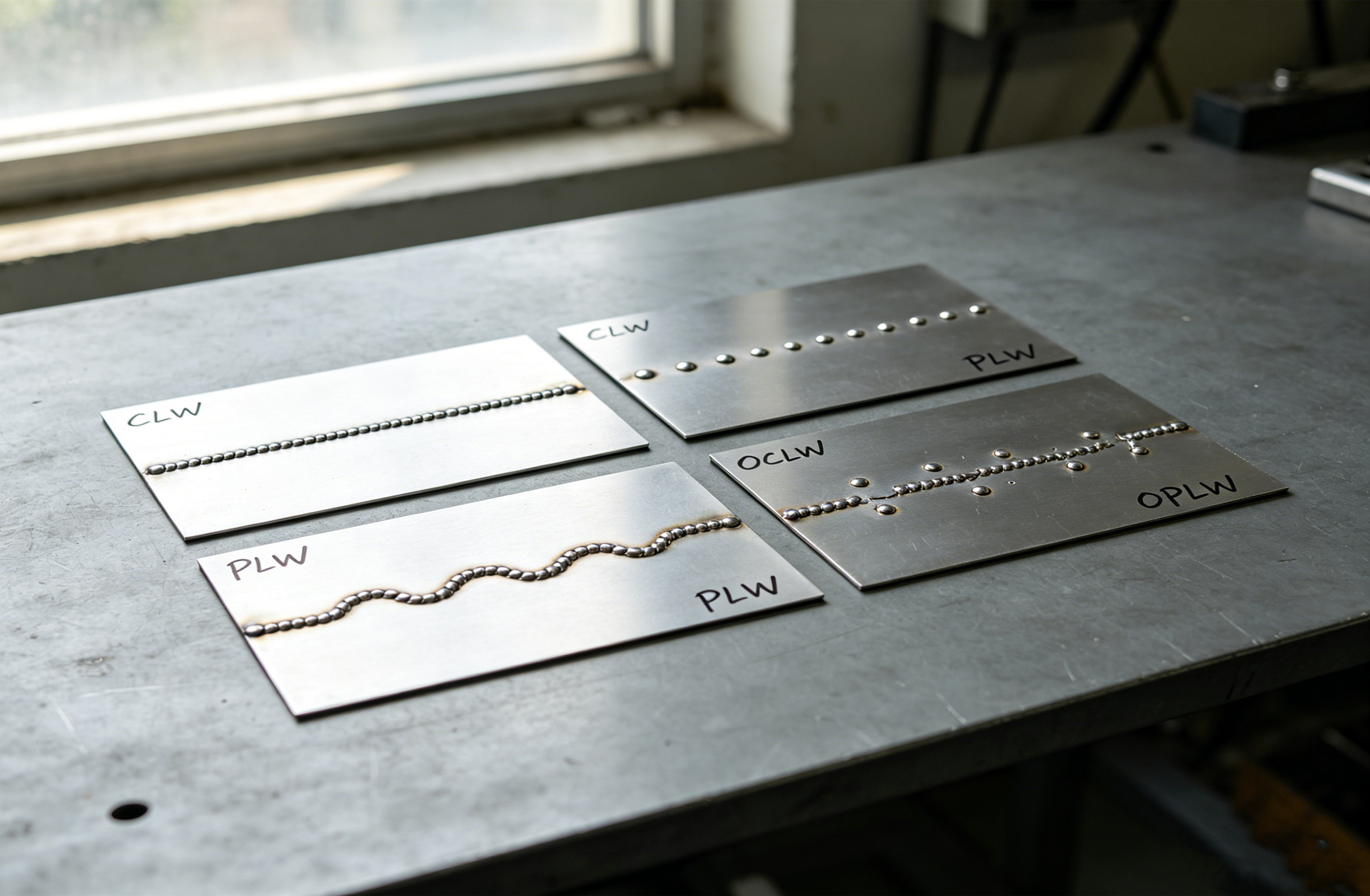
Elucidating the Impact of Laser Welding Techniques on Joint Formation, Microstructure, and Mechanical Properties of Ultra-Thin 316L Stainless Steel Sheets
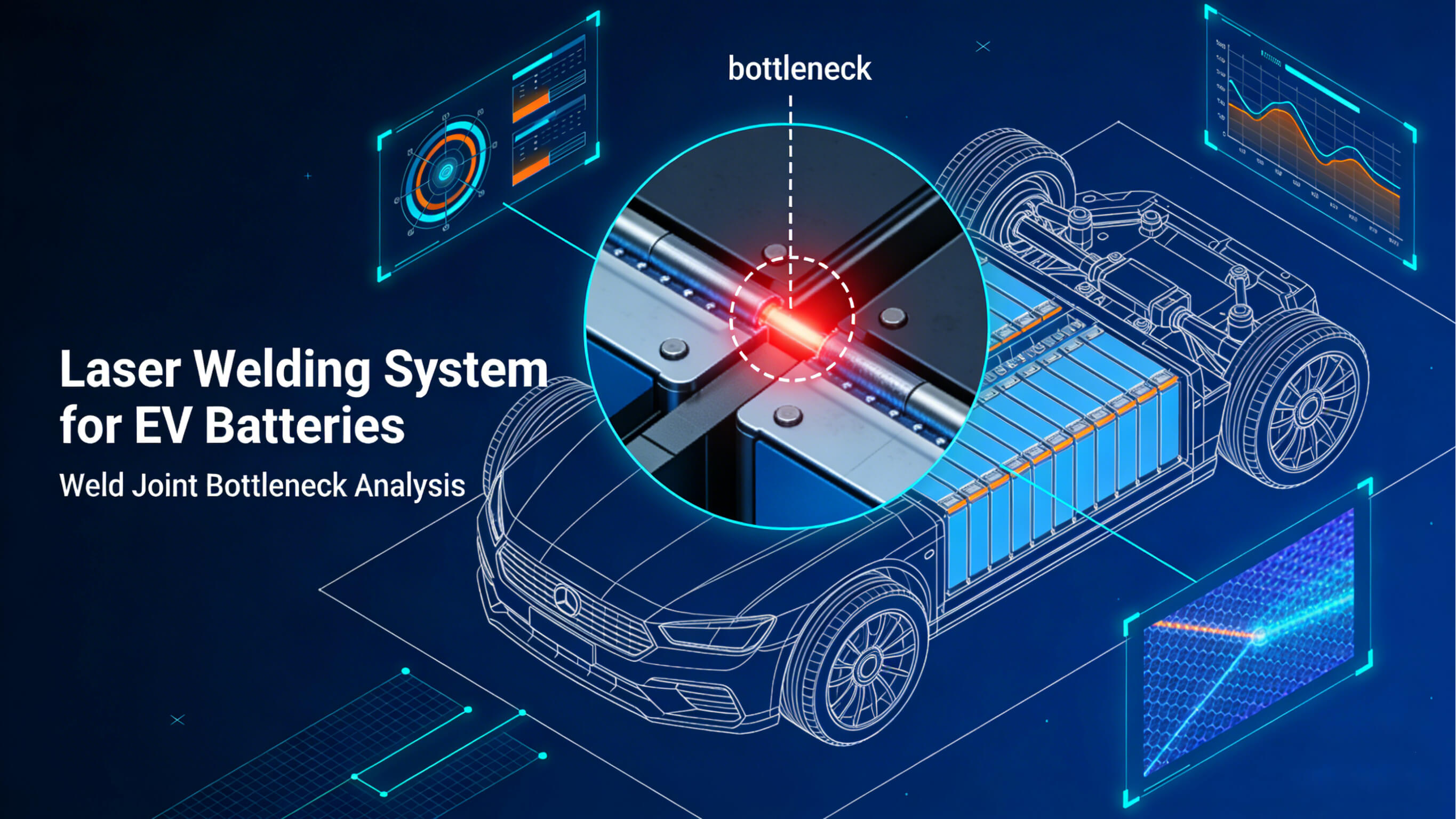
How Laser Welding is Solving the EV Battery Safety Puzzle
Related Article