Laser Barcode Marking: Permanent & High-Speed Solutions | ZGLC Laser
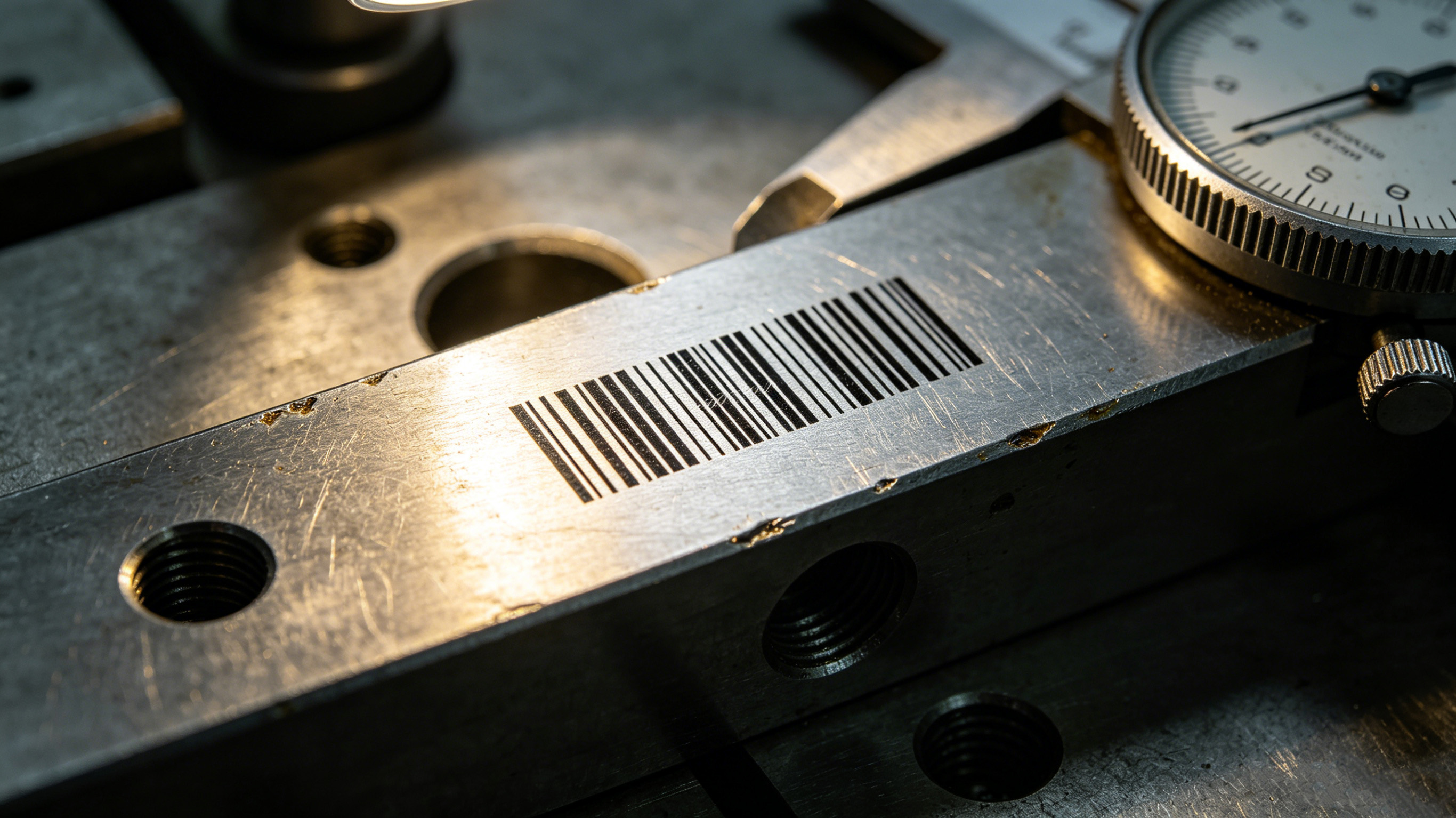
As an original manufacturer, ZGLC Laser provides industrial-grade laser marking equipment designed for permanent, high-contrast barcode and QR code marking. Suitable for various materials—including metals and plastics—the systems support automated integration. 👉 Get a free sample test and quote today.
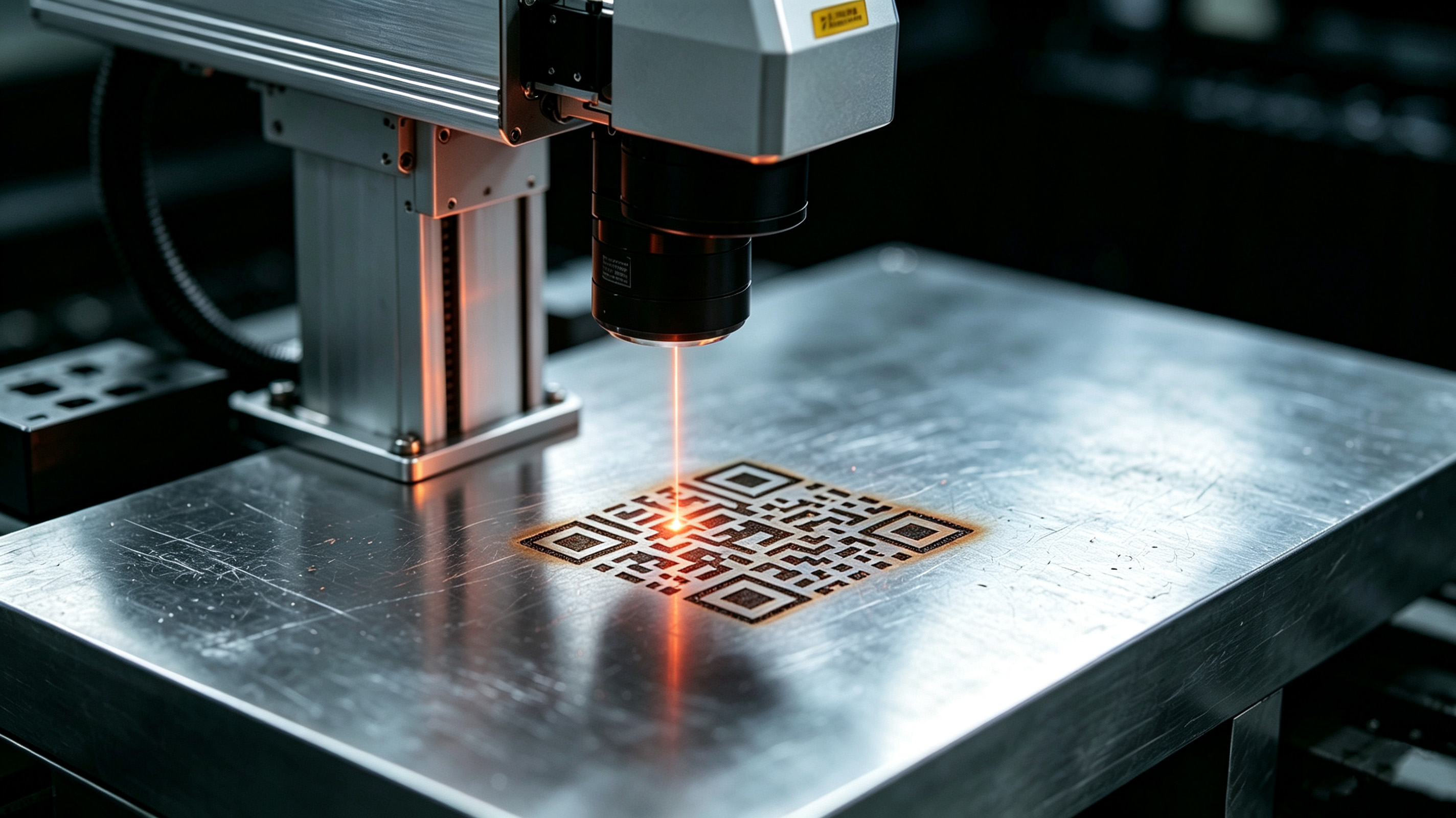
From factory floors to hospital labs, laser marking barcodes and barcode engraving are becoming the new standard for permanent product traceability. That's why more manufacturers switch to 2D barcode laser marking for their Data Matrix and QR codes. That’s why more manufacturers switch to laser barcode marking for their Data Matrix and QR codes. A laser engraves the code directly into the part. It never wears out. In this guide, we’ll cover how laser barcode marking works, why it’s better than traditional methods, and which machine suits your material. For metal parts, a fiber laser for 2D codes offers the best contrast and durability.
Here is a quick comparison to show why laser marking outperforms traditional methods in industrial settings:
| Comparison Aspect | Laser Marking | Inkjet Printing | Dot Peen Marking |
| Permanence | Permanent, wear-resistant, cannot be erased | Fades over time, affected by solvents/abrasion | May become shallow due to mechanical wear |
| Marking Speed | Extremely fast – up to 12,000 mm/s | Medium, limited by drying time | Slower, restricted by impact cycles |
| Material Compatibility | Metals, plastics, ceramics, glass, coated | Only porous or pre‑coated surfaces | Hard metals and rigid surfaces only |
| Precision and Clarity | High resolution – micro 2D codes & fine text | Prone to bleeding and blurring, low contrast | Dot‑matrix style, limited sharpness |
| Operating Cost | Very low – no consumables, only electricity | High – ink, solvents, printhead maintenance | Medium – pin replacement & servicing |
| Environmental & Safety | No chemical emissions, low energy | VOC emissions, hazardous waste disposal | No chemicals, but noise & vibration |
1. Overview of Laser Marking Codes
Laser barcode marking uses a focused beam to create permanent identifiers on surfaces. The process is non‑contact, fast, and extremely precise. Unlike inkjet or label printers, a laser barcode marking system produces marks that resist heat, chemicals, and abrasion. That’s why industries like automotive, medical devices, and electronics rely on it for traceability.
2. Data Matrix, QR Code, and Barcode: What's the Difference in 2D Barcode Laser Marking & Barcode Engraving?
People often mix them up. Here’s a simple breakdown:
-
Barcode (1D) – A row of vertical lines. Stores a small number (like a product ID). Scanned by laser readers.
-
QR Code (2D) – A square of black and white modules. Stores URLs, text, or up to 4,000 characters. Scanned by smartphone cameras.
-
Data Matrix (2D) – Also a square, but smaller and denser. Commonly used on tiny electronic parts. Stores serial numbers and batch info.
All three can be created with laser barcode marking equipment. The laser etches the pattern by darkening or ablating the surface.
3. What Is Laser Barcode Marking?
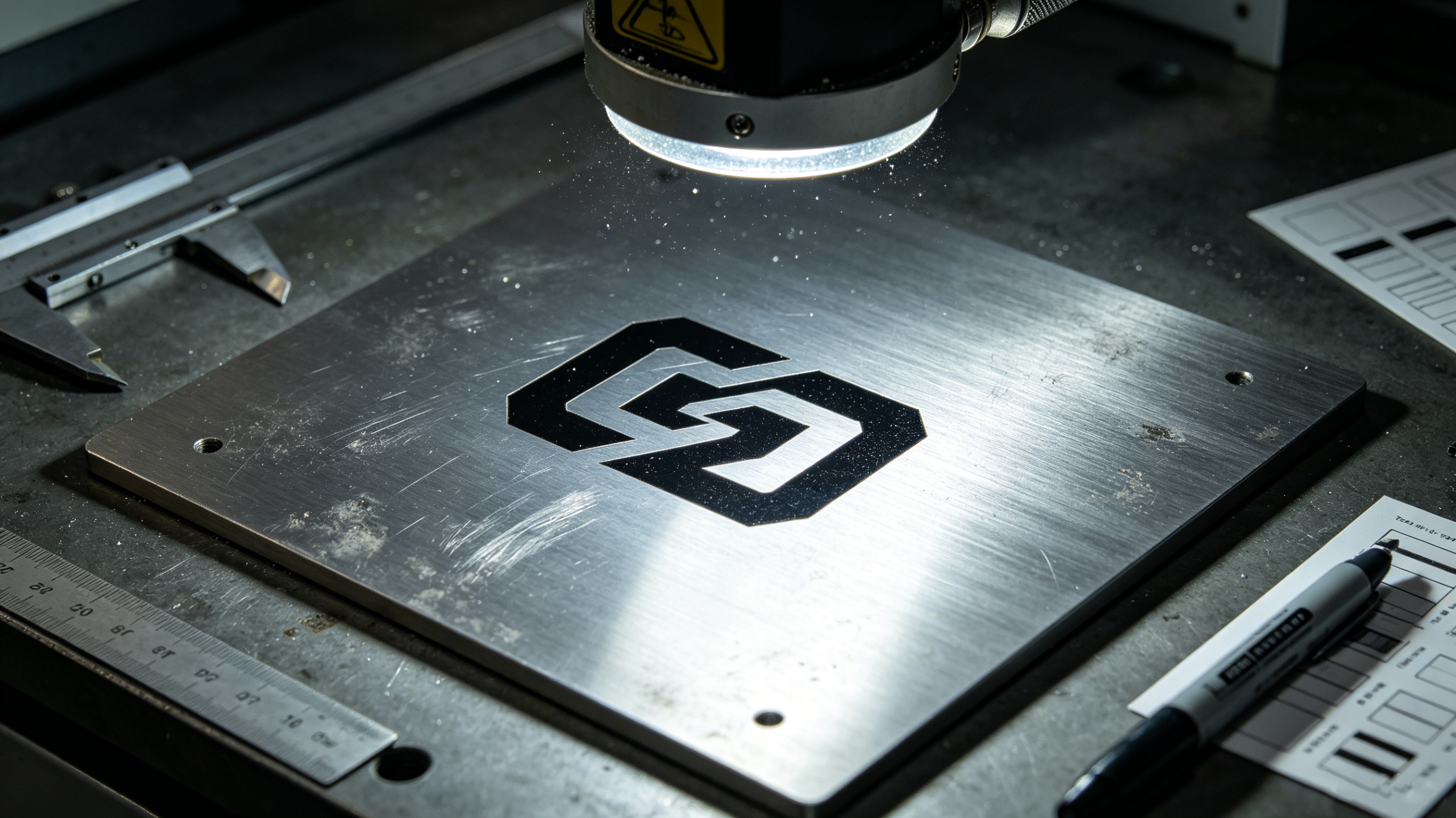
Laser barcode marking is the process of using a laser beam to engrave or anneal a scannable code onto a part. The laser vaporizes a thin top layer (on metals) or creates a color change (on plastics). The result is a permanent mark that won’t peel, fade, or wash away. Whether you call it laser marking barcodes, barcode engraving, or laser engraving barcodes, the result is the same: a permanent, scannable code that never fades.
For laser barcode marking, fiber lasers are the most common choice for metals, while CO₂ or UV lasers work on plastics, wood, and glass.
4. Why Choose a Laser Barcode Engraver?
Traditional barcode methods have big drawbacks:
-
Label stickers – They peel off, get dirty, or fall off in harsh environments.
-
Inkjet printing – Ink smears, needs drying time, and requires constant maintenance.
-
Dot peen – Creates raised marks that can collect dirt and become unreadable.
A laser barcode marking system solves all these problems:
-
Permanent – The code is part of the material.
-
High contrast – Easily read by any scanner.
-
Fast – Marks a code in under one second.
-
No consumables – No ink, no labels, no solvents.
-
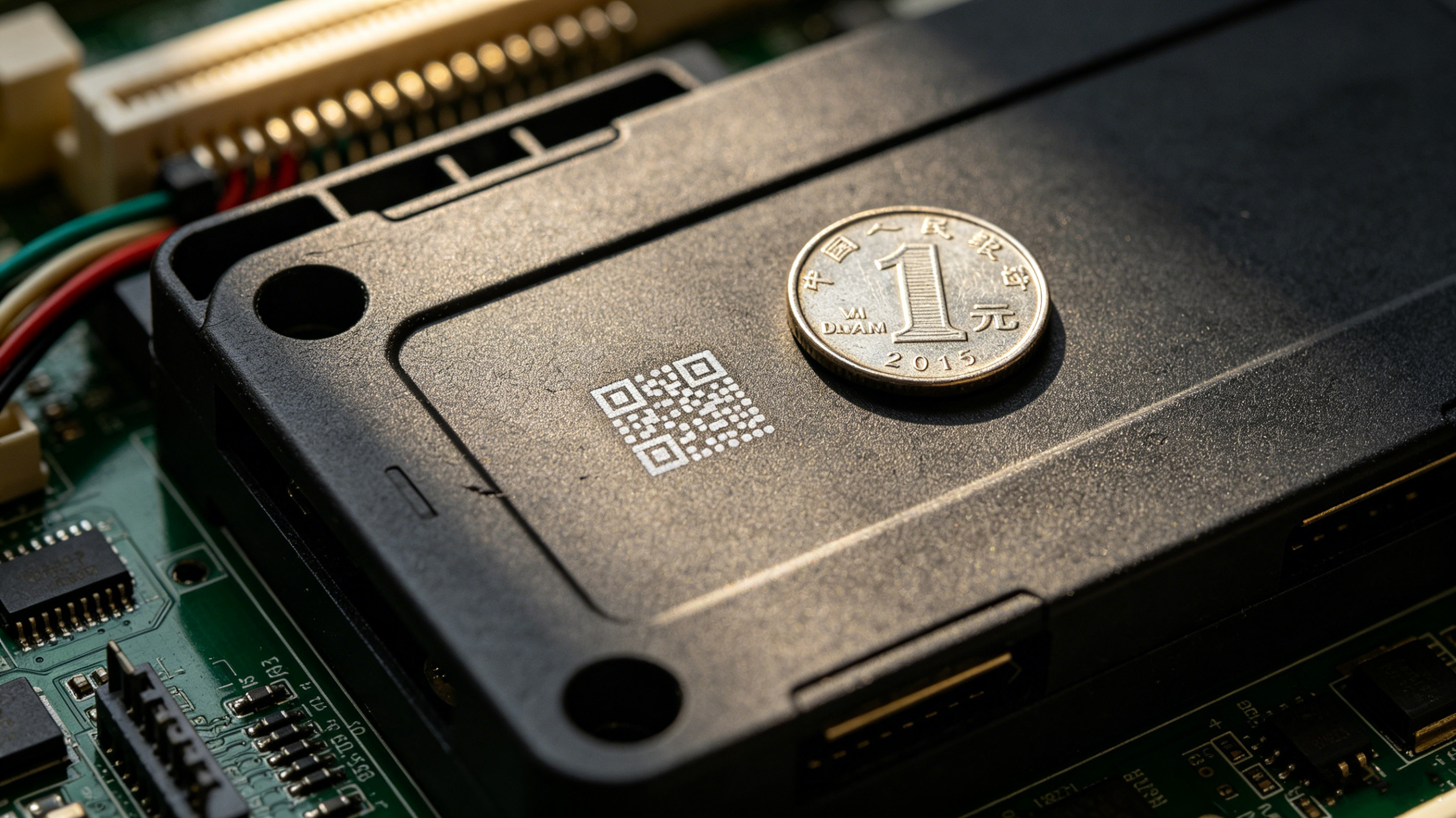
Precision – Works on tiny parts (0.5 mm codes possible).
5. Recommended Barcode Laser Marking Machines
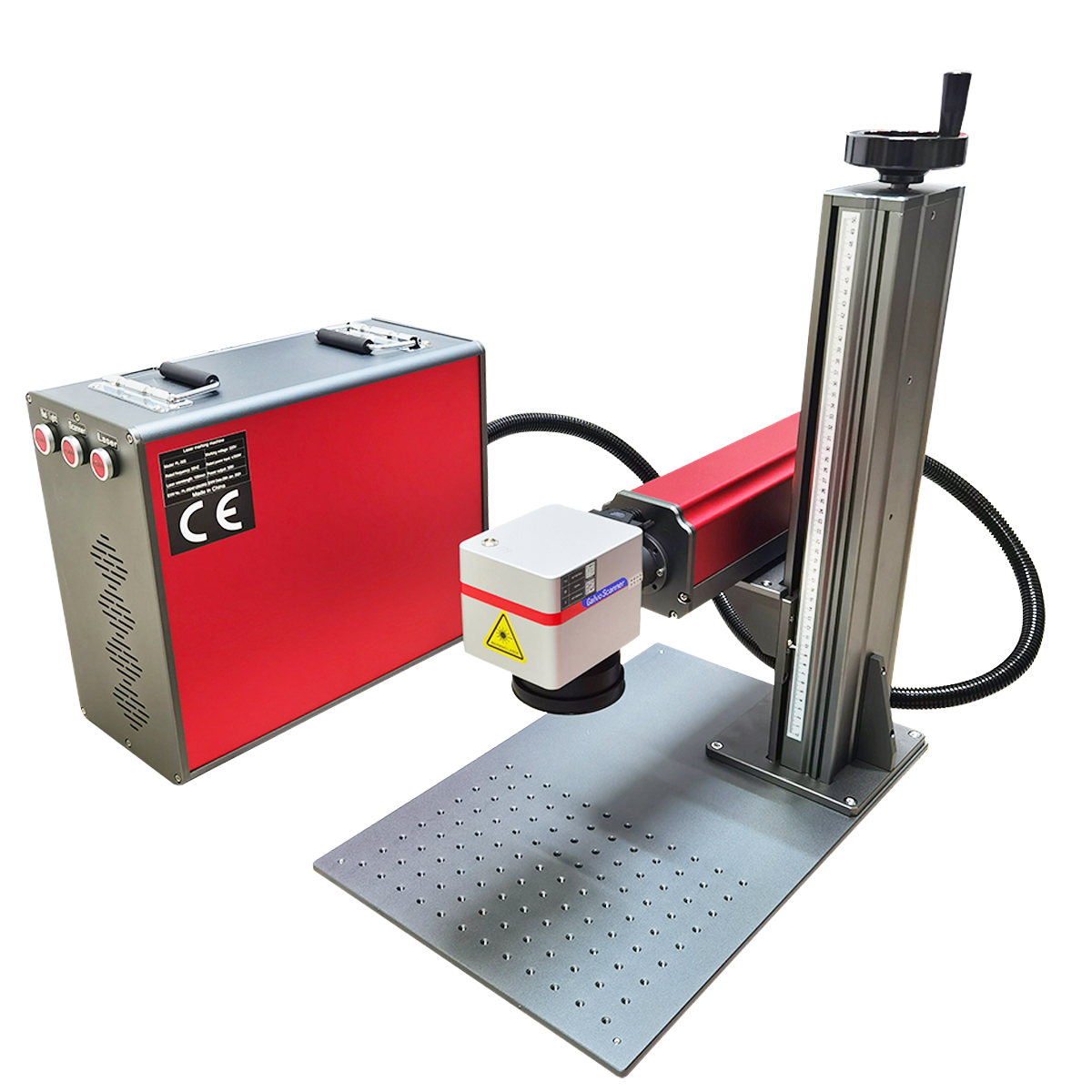
Choosing the right laser barcode marking machine depends on your material.
a) Metal Barcode Laser Marking: Best Fiber Laser marking machine for 2D Codes on Steel & Aluminum
How to choose the right power for your metal parts:
-
20W fiber laser – Best for thin metals and small parts (like electronic components).
-
30W fiber laser – The most versatile choice for general metal marking (automotive parts, tools).
-
50W fiber laser – For hard metals (titanium, hardened steel) or high-speed production lines.
If you're marking 2D codes smaller than 2mm, choose a MOPA fiber laser for finer detail and better contrast on anodized aluminum.
b) Non‑Metal Barcode Laser Marking
How to choose between CO₂ and UV laser for plastics:
-
CO₂ laser marking machine (10W-30W) – Works on most plastics, acrylic, wood, ceramics. Creates a frosted mark. Best for general packaging and consumer goods.
-
UV laser marking machine – For heat-sensitive plastics (polycarbonate, ABS) that would burn or melt under CO₂. More expensive but essential for medical devices and electronics.
6. Final Thoughts
Adopting laser barcode marking improves product traceability, reduces rework, and eliminates label replacement costs. Whether you mark engine blocks or circuit boards, a laser barcode marking system pays for itself within months.
Ready to switch to permanent barcodes? Contact ZGLC Laser for a free sample marking test.
FAQ
Q: Can a laser barcode marking machine replace my existing barcode printer?
A: Yes, for permanent markings on products themselves. Laser marking is a one-time investment with no ink or label costs. However, if you need to mark packaging or paper labels, a traditional printer may still be needed.
Q: Will laser marking damage my product surface?
A: No. Laser marking is non-contact and can be adjusted to create surface annealing (color change) without removing material, especially on metals.
Q: What’s the smallest barcode size a laser can mark?
A: As small as 0.5 mm, which is critical for medical implants and micro-electronics.
Why Laser Marking Is the Best Solution for 2D Barcodes
Quantitative Evaluation of Laser-Engraved Markings: Human and Machine Readability Under Accelerated Corrosion
Related Article