What You Should Know About CNC Machining: A Beginner’s Guide
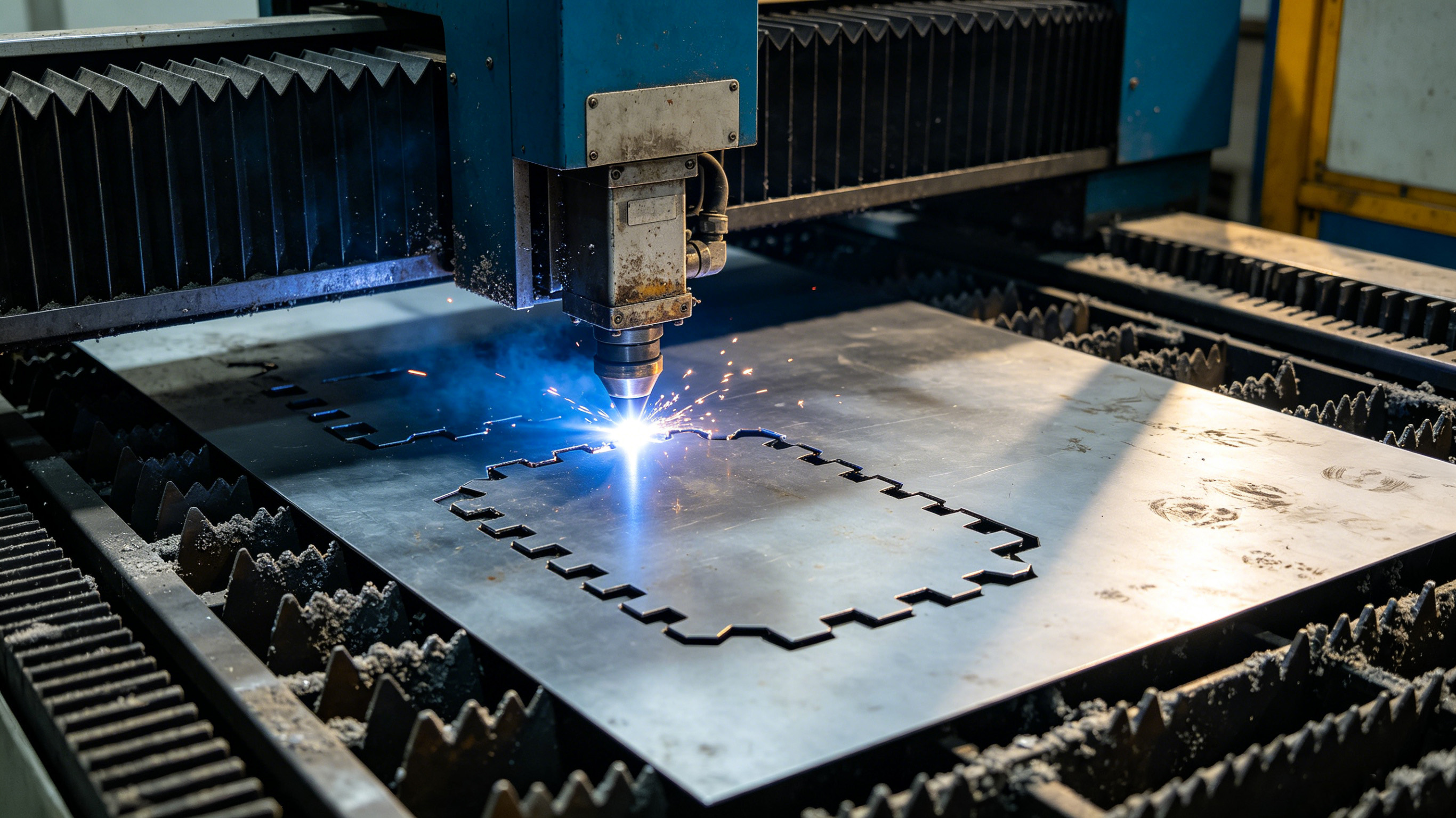
From car engines to smartphone cases, most metal and plastic parts you see today are made by CNC machining. It stands for Computer Numerical Control. Simply put, a computer tells a cutting tool exactly how to move to carve out a part from a solid block. CNC machining is fast, precise, and repeatable. In this guide, we’ll cover the main types of CNC machines, how they are programmed, and which industries rely on them.
1. What Is CNC Machining?
CNC machining is a subtractive manufacturing process. You start with a solid piece of material (metal, plastic, wood, foam) and remove material until only the desired shape remains. The “computer numerical control” part means that the machine follows a digital file – no hand cranks, no manual steering. A CNC machine can run 24/7, producing identical parts with tolerances as tight as 0.01mm. This is why CNC machining has replaced many manual milling and turning operations.
2. 4 Main Types of CNC Machines
a) CNC milling machine
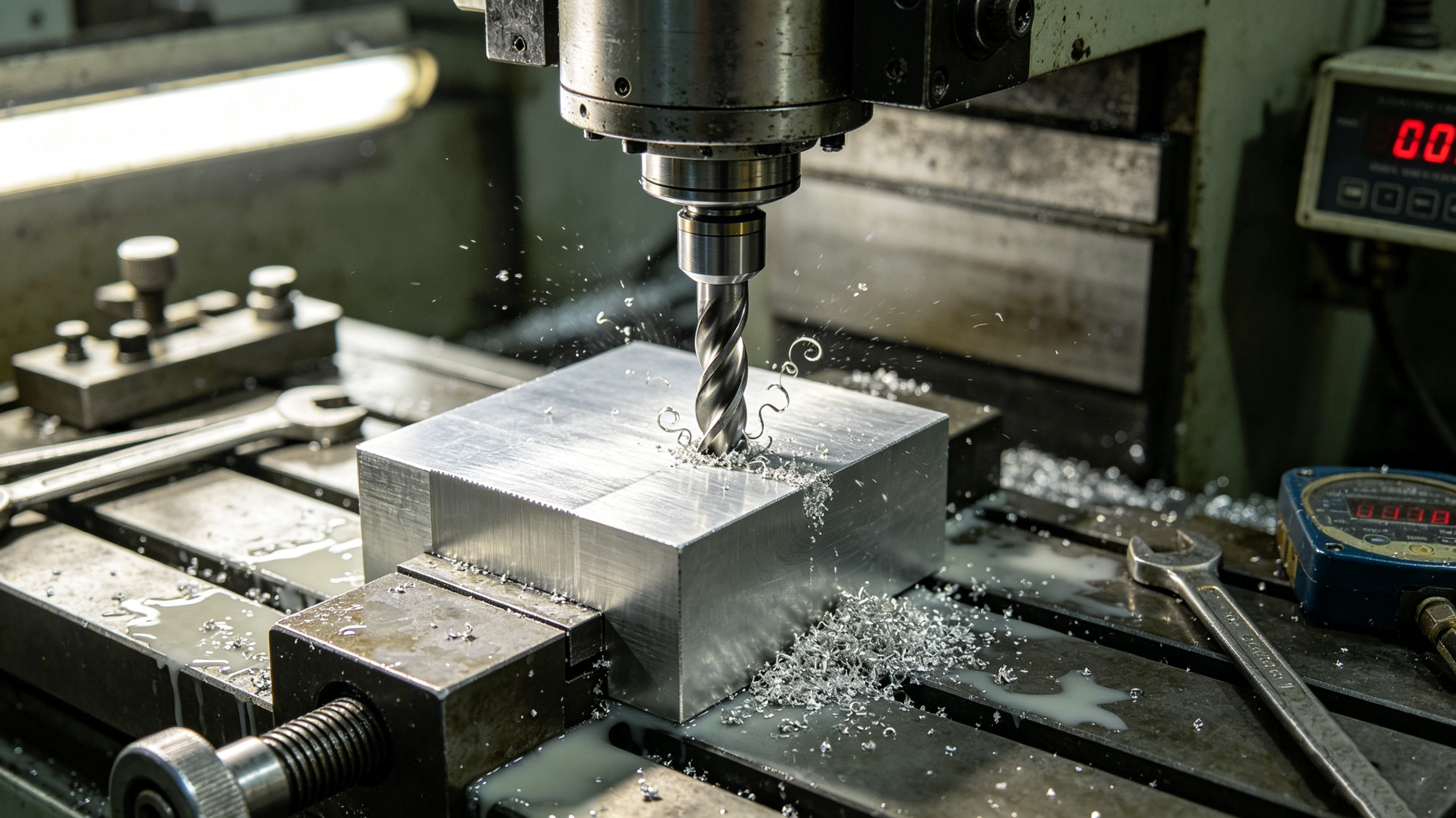
A rotating cutting tool (end mill) moves up and down, left and right, back and forth. It can create complex 3D shapes, pockets, slots, and drilled holes. Milling is the most common form of CNC machining.
b) CNC laser cutting
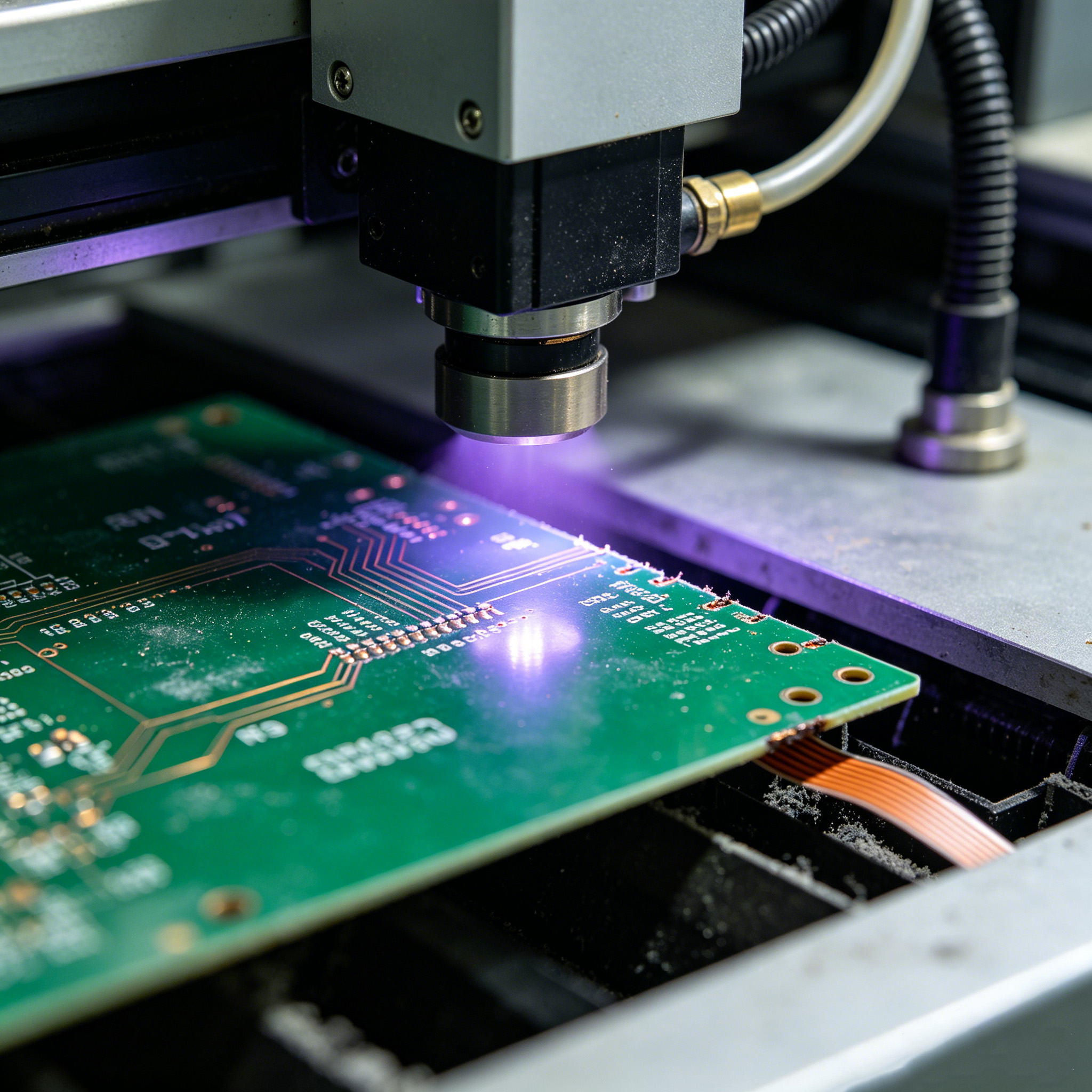
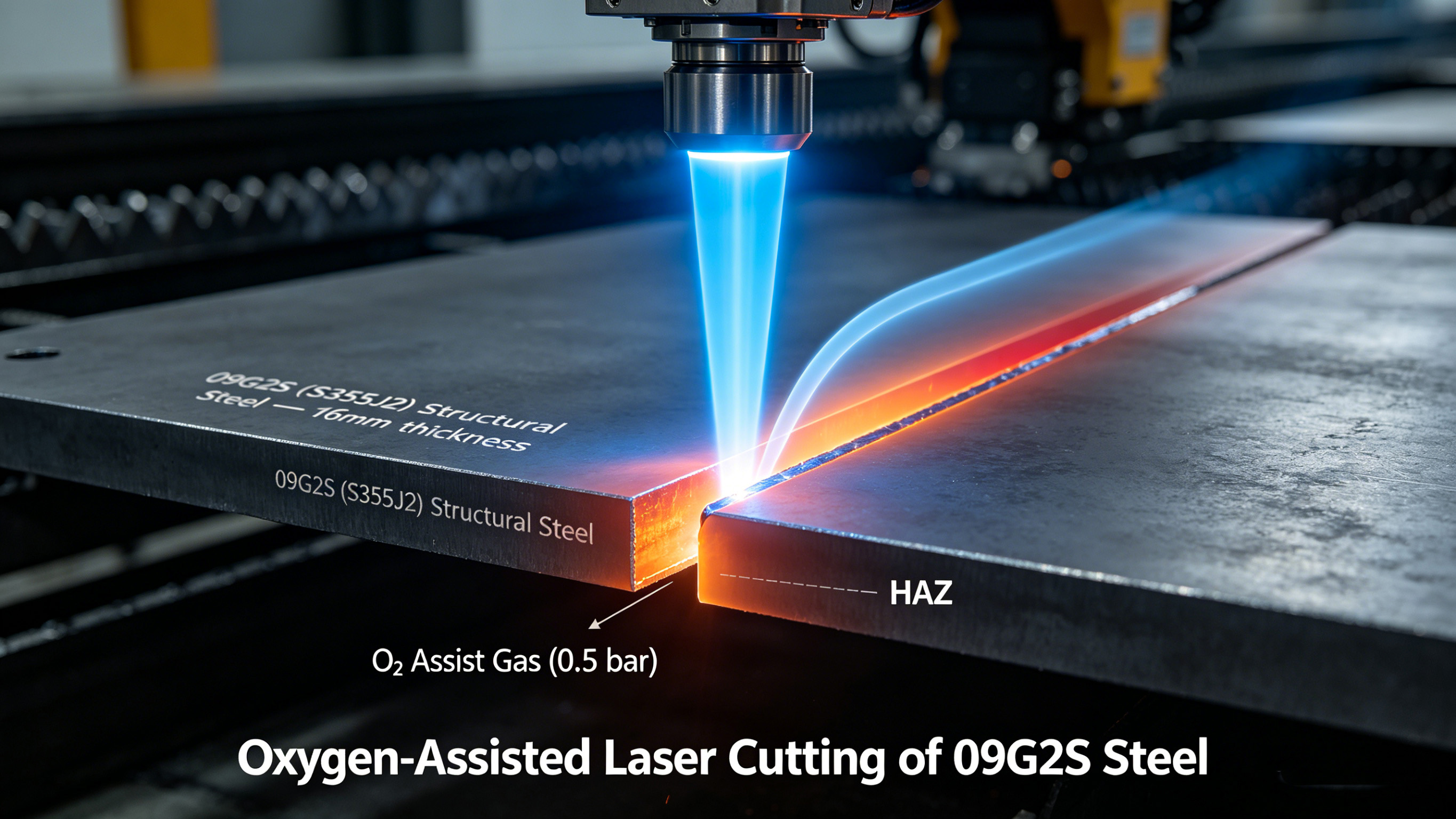
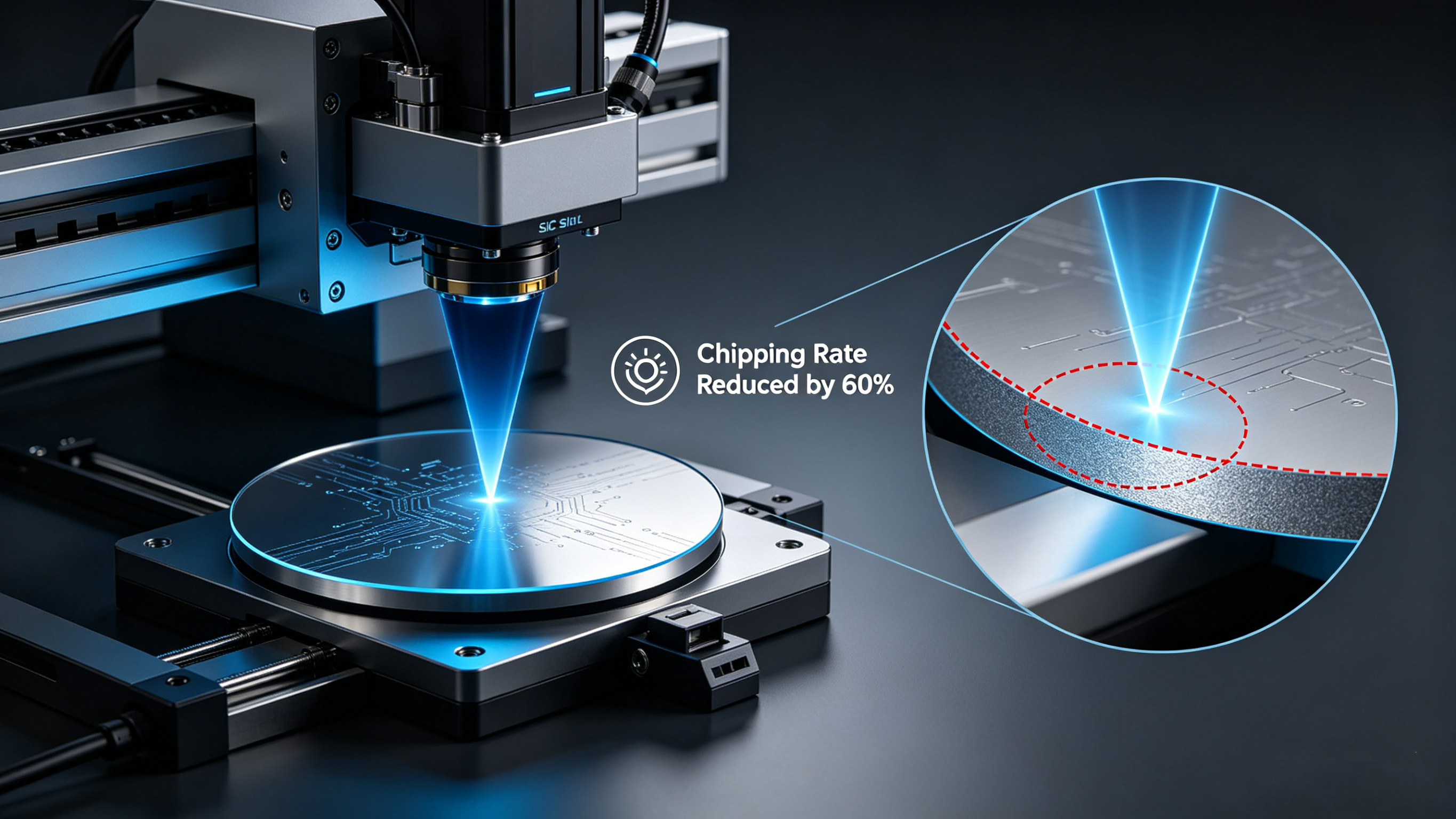
This uses a high‑power laser beam to cut through sheet materials. CNC cutting with a laser is extremely fast on thin metals, acrylic, wood, and fabric. No tool wear, narrow kerf, and minimal heat distortion. CNC cutting is ideal for flat parts like brackets, panels, and decorative items.
c) CNC plasma cutting
Plasma uses an ionized gas jet to cut conductive metals (steel, stainless, aluminum). It’s cheaper than laser for thick plates (6‑50mm) but has a wider kerf and rougher edge. CNC cutting with plasma is common in shipbuilding and heavy equipment.
d) CNC lathe (turning)
The workpiece spins while a stationary cutting tool shapes it. Lathes produce cylindrical parts: shafts, bushings, bolts, and discs. Modern CNC lathes can also do milling (live tooling).
3. CAD Model Design Process
Every CNC machining job starts with a 3D model. Engineers use CAD (Computer‑Aided Design) software like SolidWorks, Fusion 360, or AutoCAD. They draw the part with exact dimensions. Then they export the model to CAM (Computer‑Aided Manufacturing) software, which generates toolpaths – the exact routes the cutting tool will follow.
4. CNC Programming Language (G‑code and M‑code)
The CAM software outputs a file of alphanumeric commands. The two main code types are:
-
G‑code – controls motion: G00 (rapid positioning), G01 (linear cut), G02/G03 (circular interpolation). These tell the CNC machine how fast to move and where to go.
-
M‑code – controls machine functions: M03 (spindle on clockwise), M05 (spindle stop), M08 (coolant on), M30 (program end).
You don’t need to write G‑code manually for simple parts, but understanding it helps when troubleshooting.
5. Industries That Use CNC Machining
Almost every manufacturing sector depends on CNC machining:
-
Aerospace – turbine blades, engine mounts, structural brackets.
-
Automotive – engine blocks, transmission housings, custom parts.
-
Medical – surgical instruments, implants, device housings.
-
Electronics – heat sinks, enclosures, connectors.
-
Consumer goods – aluminum phone cases, furniture hardware, toys.
For sheet metal work, cnc cutting (laser or plasma) is especially popular.
6. Takeaway (Summary)
CNC machining is the backbone of modern manufacturing. Whether you need one prototype or ten thousand parts, a CNC machine delivers consistency and speed. Understanding the four main types – milling, laser cutting (a key cnc cutting method), plasma cutting, and turning – helps you choose the right process for your project. Pair it with CAD design and G‑code, and you can make almost anything.
Ready to start your CNC machining project? Contact ZGLC Laser for cnc cutting services and expert advice.
PCB Laser Cutting and Marking: You should know
Related Article