China Laser Welder: The Smart Choice for Modern Manufacturing
The global manufacturing landscape is shifting. As industries demand faster production, cleaner welds, and lower costs, laser welding machine technology has become the go-to solution. And at the heart of this transformation? China. By 2025, the global laser welding market is projected to reach USD 4.31 billion, with Asia-Pacific—dominated by Chinese manufacturing—holding over 33% market share . A china laser welder isn't just affordable anymore; it's technologically advanced, reliable, and trusted by shops worldwide.
Why China Laser Welders Are Winning Global Trust
The rise of Chinese laser welding isn't about cheap labor—it's about smart engineering. Integrated supply chains in manufacturing hubs allow domestic brands to innovate rapidly, bringing features like "4-in-1" systems that weld, cut, clean, and feed wire in one portable unit . When you invest in a china laser welder, you're getting cutting-edge fiber laser technology at 15-20% below Western prices, often with better support and faster iteration . For small shops and large factories alike, that's a game-changer.
What Is Laser Welding?
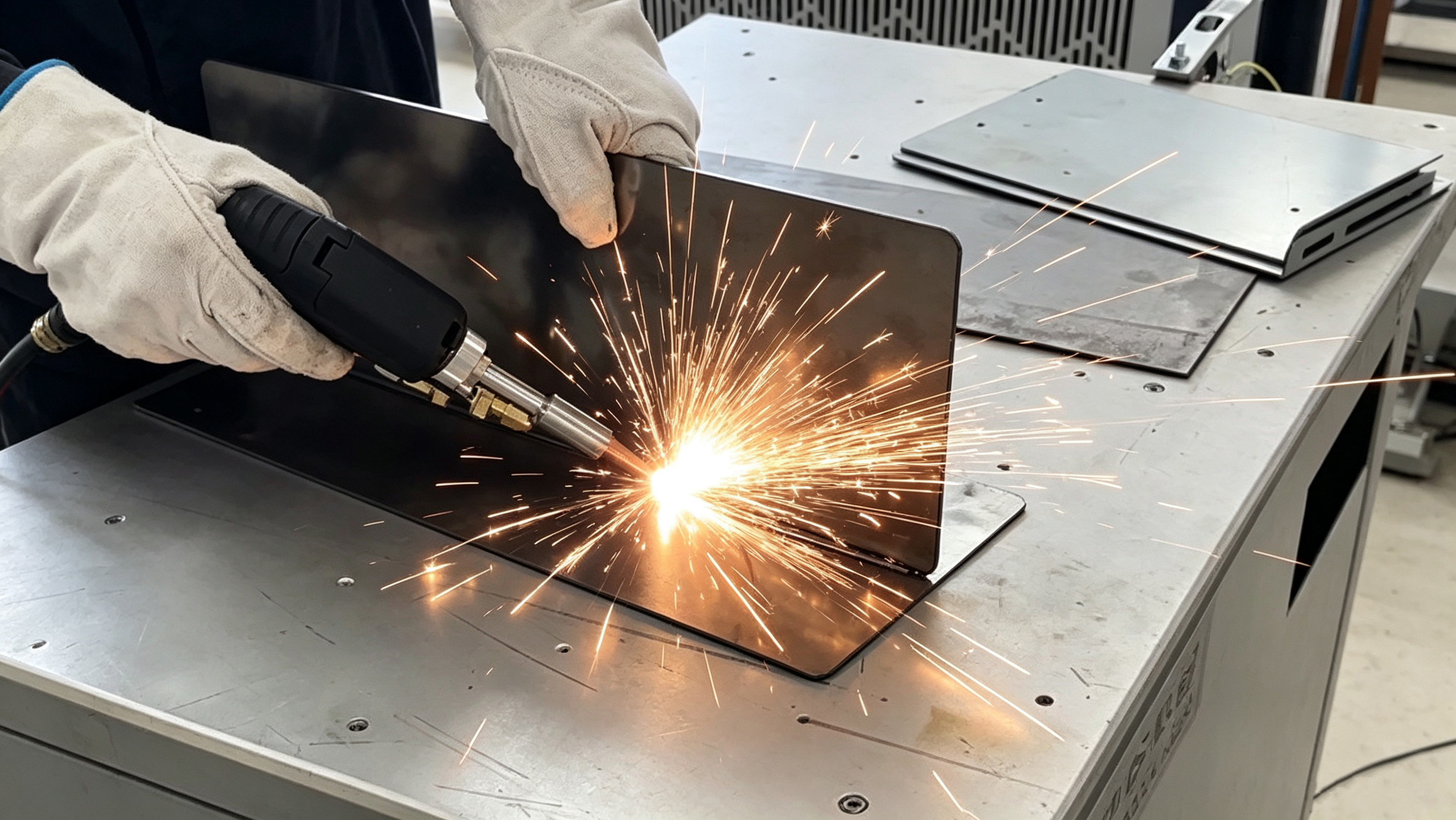
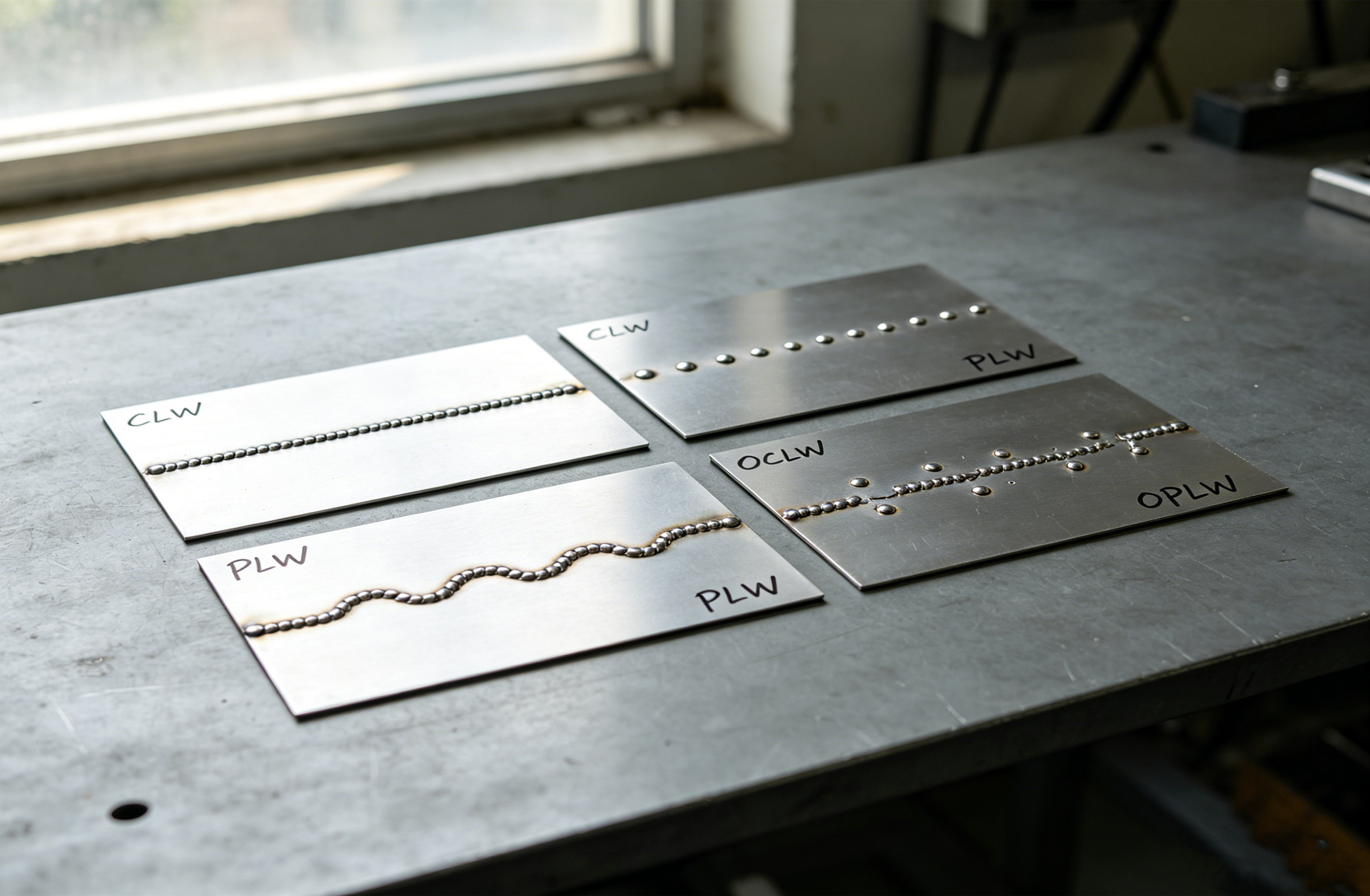
A laser welding machine uses a highly focused beam of light to melt and join metal parts together. Unlike traditional methods like TIG or MIG, laser welding delivers concentrated energy into a tiny spot, creating deep, narrow welds with minimal heat spread . This means less warping, cleaner seams, and stronger joints. The process can be continuous or pulsed, depending on material thickness, and works on everything from stainless steel to aluminum and copper .
Five Advantages of Using a China Laser Welder
-
Precision and Accuracy
A laser welding machine from China delivers pinpoint accuracy that traditional welding can't match. The beam can be focused to a spot as small as a human hair, allowing for micro-welding on delicate electronics or clean seams on visible stainless steel products . With wobble head technology, operators can widen the beam pattern to handle imperfect fit-up without losing quality. -
Speed That Boosts Throughput
Speed is where laser welding truly shines. A china laser welder can operate up to 4-10 times faster than TIG welding on thin to medium materials . For a fabrication shop, that means turning around orders faster and taking on more work without adding labor. Welding speeds can reach 3.5 meters per minute on some applications. -
Lower Operating Costs
While the initial investment matters, the real savings come from operations. Laser welding consumes less shielding gas (30-40% less) and less filler wire (10-15% less) than traditional methods. There's also minimal post-processing—often no grinding or polishing needed—saving hours of labor per job . Many users see full ROI within 3-9 months. -
Broad Material Compatibility
A quality laser welding machine handles a wide range of metals: stainless steel, carbon steel, aluminum, copper, brass, titanium, and even dissimilar metal combinations . With adjustable parameters, the same machine can weld thin 0.5mm sheets and thick structural plates up to 8mm or more. -
Easy Automation and Integration
Modern Chinese laser welders are built for Industry 4.0. They integrate seamlessly with robotic arms, CNC tables, and vision systems . Whether you need a simple handheld unit or a fully automated cell, a china laser welder offers flexible options that scale with your business.
How Does a China Laser Welder Work?
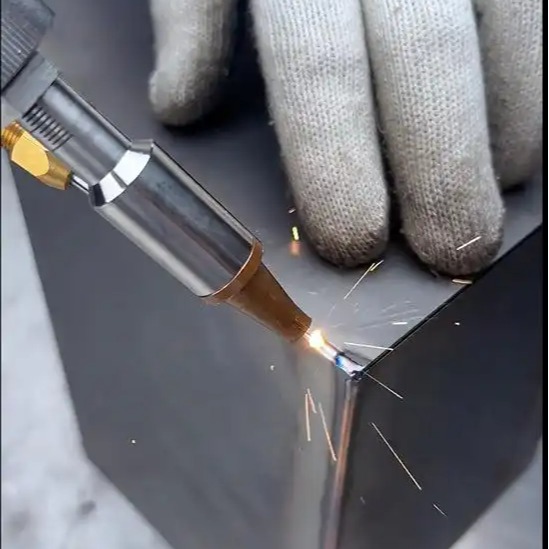
The core of a laser welding machine is its fiber laser source. Inside, specially designed optical fibers generate an intense beam that travels through a delivery cable to the welding head . The head focuses this beam onto the metal surface, creating a tiny molten pool. As the beam moves along the joint, the metal solidifies instantly, forming a strong, clean weld . Shielding gas (usually argon) protects the pool from oxidation, while advanced controls let operators adjust power, pulse frequency, and beam oscillation for optimal results on different materials.
Key Laser Welding Technology Advancements in 2026
The technology behind laser welding machine systems is evolving fast. Here's what's happening now:
-
Smarter Welding Heads: Oscillating or "wobble" heads are now standard, allowing beams to move in programmable patterns (circles, figure-eights). This creates wider seams, better gap bridging, and stronger joints—even with imperfect fit-up .
-
AI and Autonomous Welding: Advanced systems now use AI-driven seam tracking that adapts in real-time to joint variations. Cameras and sensors detect the exact weld path and adjust parameters automatically, eliminating the need for manual programming .
-
Integrated Multi-Process Machines: The latest "4-in-1" units combine welding, cutting, cleaning, and wire feeding in one portable device. This versatility makes a single laser welding machine a complete metal workshop .
-
Improved Cooling Systems: Air-cooled handheld units are gaining popularity, eliminating bulky water chillers and increasing portability without sacrificing power.
These innovations mean that by 2026, even small shops will have access to automation capabilities once reserved for Fortune 500 factories.
What to Look for When Choosing a China Laser Welder
Not all laser welding machine options are equal. Key features to evaluate:
-
Laser Source Quality: Look for reputable domestic sources with 100,000-hour lifespans and good beam quality (M² close to 1.1) .
-
Power Range: Match power to your typical material thickness. 1000-1500W handles most sheet metal; 2000-3000W tackles thicker plates .
-
Welding Head Technology: Oscillating heads are essential for versatility and forgiveness .
-
User Interface: Touchscreen controls with preset material settings reduce learning curves dramatically .
-
Safety Features: Class 1 enclosures, interlocks, and fume extraction protect operators .
-
After-Sales Support: Verify warranty, spare parts availability, and technical response times.
Types of China Laser Welders
-
Industrial Workstations: Fixed-platform machines for high-volume production of similar parts. Ideal for appliance manufacturing, automotive components, and repeated batch work.
-
Desktop/Jewelry Welders: Compact precision units for micro-welding on jewelry, dental tools, and small electronics. Lower power but extreme accuracy.

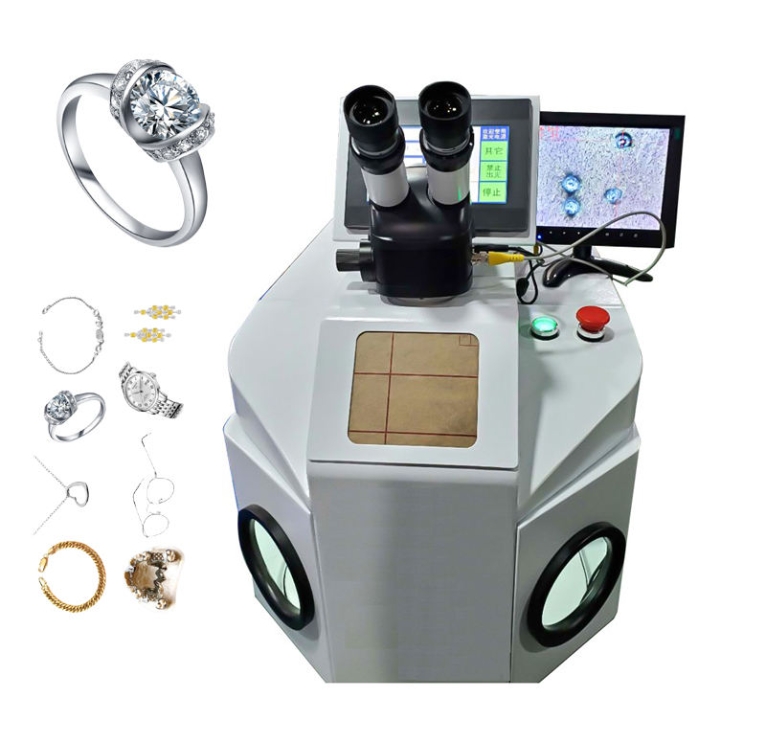
Industrial Type Jewelry Welder
-
Automated Robotic Systems: Integrated with industrial robots for complex geometries and lights-out production. Perfect for automotive body assembly and large-scale fabrication.
-
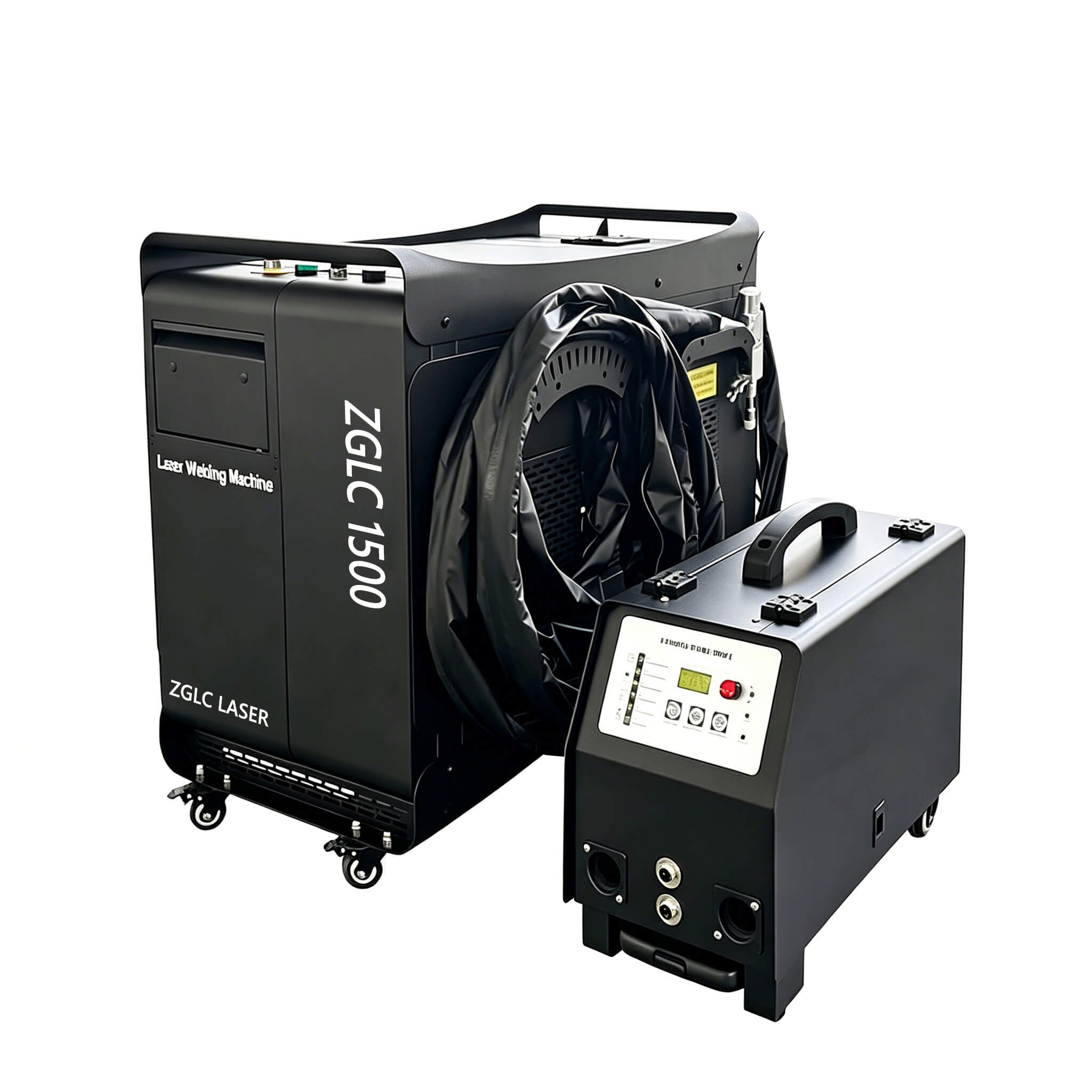
Portable Handheld Units: The "workshop warrior." Lightweight, mobile, and versatile—great for on-site repairs, custom fabrication, and shops with varied jobs.


Robotic Model Handheld Model
Maintenance Tips to Extend Your Machine's Life
-
Clean Optics Daily: Dust on protective lenses can absorb laser energy and crack. Wipe lenses with approved solvents before each use .
-
Monitor Cooling Systems: Check coolant levels and temperatures regularly. Overheating is a leading cause of diode failure .
-
Inspect Cables and Connectors: Fiber optic cables are durable but not indestructible. Avoid sharp bends and inspect for damage .
-
Replace Consumables Promptly: Nozzles, protective windows, and contact tips wear out. Keep spares on hand and change them at first sign of degradation .
-
Update Software: Manufacturers release firmware updates that improve performance and fix bugs. Stay current .
Ready to upgrade your welding operation? Contact ZGLC Laser to explore our range of advanced china laser welder systems. From portable handhelds to fully automated robotic cells, we deliver the precision, speed, and value that modern manufacturers demand.
Nanosecond Laser Transmission Welding of Stainless Steel and Quartz Glass: Interfacial Mechanisms and Microstructural Evolution
The Welder That Never Tires: How Automated Laser Systems Build Perfect Products.
Related Article