Femtosecond Laser: The Ultimate Guide to Precision & Non-Invasive Technology
Introduction
In the world of advanced manufacturing and medical technology, precision is everything. The Femtolaser represents the pinnacle of ultrafast laser technology—a tool so precise that it can perform micro-surgeries on the human eye and machine microscopic components for aerospace applications with equal mastery.
But what exactly is a femtosecond laser, and why is it called "non-invasive"? A femtosecond laser is a laser that emits optical pulses with an extremely short duration—measured in femtoseconds, where 1 femtosecond equals 10⁻¹⁵ seconds (one quadrillionth of a second). To put this in perspective, a femtosecond is to one second what one second is to approximately 31.7 million years.
This ultra-short pulse duration gives the Femtolaser its extraordinary capabilities. The laser energy is delivered so quickly that it interacts with matter on timescales shorter than heat diffusion processes. The result is a "cold processing" effect—material is removed or modified without generating significant heat in the surrounding area. This is why Femtolaser technology is often described as "non-invasive" and "gentle" despite its immense power.
This comprehensive guide covers everything you need to know about Femtolaser technology—from how it works and its key applications, to how it compares with other laser types and how to choose the right system for your needs.
How Does a Femtosecond Laser Work?
To understand the femtosecond laser, it helps to start with the basics. A Femtolaser generates light through a process called mode-locking, which forces the laser to emit energy in extremely short, intense bursts rather than a continuous stream.
The key to the femtosecond laser's unique capabilities lies in three interrelated factors:
1. Ultra-Short Pulse Duration
A femtosecond laser emits pulses that last from a few femtoseconds to a few hundred femtoseconds. This extreme brevity means the laser energy is delivered faster than the material can respond thermally. The laser interacts with the material, removes the target area, and finishes before heat has time to spread to the surrounding region.
2. Ultra-High Peak Power
Because the same amount of energy is compressed into an incredibly short time, a femtosecond laser achieves extremely high peak intensities. This allows the laser to ionize and ablate virtually any material—including transparent materials like glass—with minimal collateral damage.
3. Cold Processing (Non-Thermal Ablation)
The combination of ultra-short pulses and high peak power enables what is known as "cold processing". In a Femtolaser, the energy is absorbed by the material and causes it to transition directly from solid to plasma (ablation) without melting the surrounding area. This eliminates the heat-affected zone (HAZ) that plagues conventional laser processing, making the femtosecond laser ideal for heat-sensitive materials and precision applications.
Key Applications of Femtosecond Lasers
The unique properties of the femtosecond laser have opened up applications across multiple industries. Here are the most significant areas where femtosecond laser technology is making a difference:
Medical Applications
The medical field has been one of the greatest beneficiaries of Femtolaser technology.
Ophthalmology: The femtosecond laser has revolutionized vision correction surgery. In LASIK procedures, a femtosecond laser creates the corneal flap with unparalleled precision and repeatability. The ultra-short pulses cut cleanly through corneal tissue without thermal damage, resulting in faster healing and better visual outcomes.
Cataract Surgery: Femtosecond laser-assisted cataract surgery (FLACS) uses a femtosecond laser to perform critical steps of the procedure—including corneal incisions and lens fragmentation—with micron-level accuracy. This has made cataract surgery safer and more predictable.
Other Medical Applications: Beyond ophthalmology, femtosecond laser technology is being explored for neurosurgery, dermatology, and even wound healing. The femtosecond laser's ability to cut tissue without thermal damage makes it ideal for delicate surgical procedures.
Industrial & Manufacturing Applications
In industrial settings, the femtosecond laser has become an indispensable tool for precision manufacturing.
Micromachining: A femtosecond laser can perform micro-drilling, micro-cutting, and surface structuring with sub-micrometer precision. The femtosecond laser produces clean, burr-free cuts without mechanical stress or thermal damage to the workpiece.
Semiconductor & Electronics: The femtosecond laser is used for dicing wafers, drilling micro-vias, and repairing circuits. Its ability to process brittle materials like silicon and ceramics without causing cracks makes the femtosecond laser essential in electronics manufacturing.
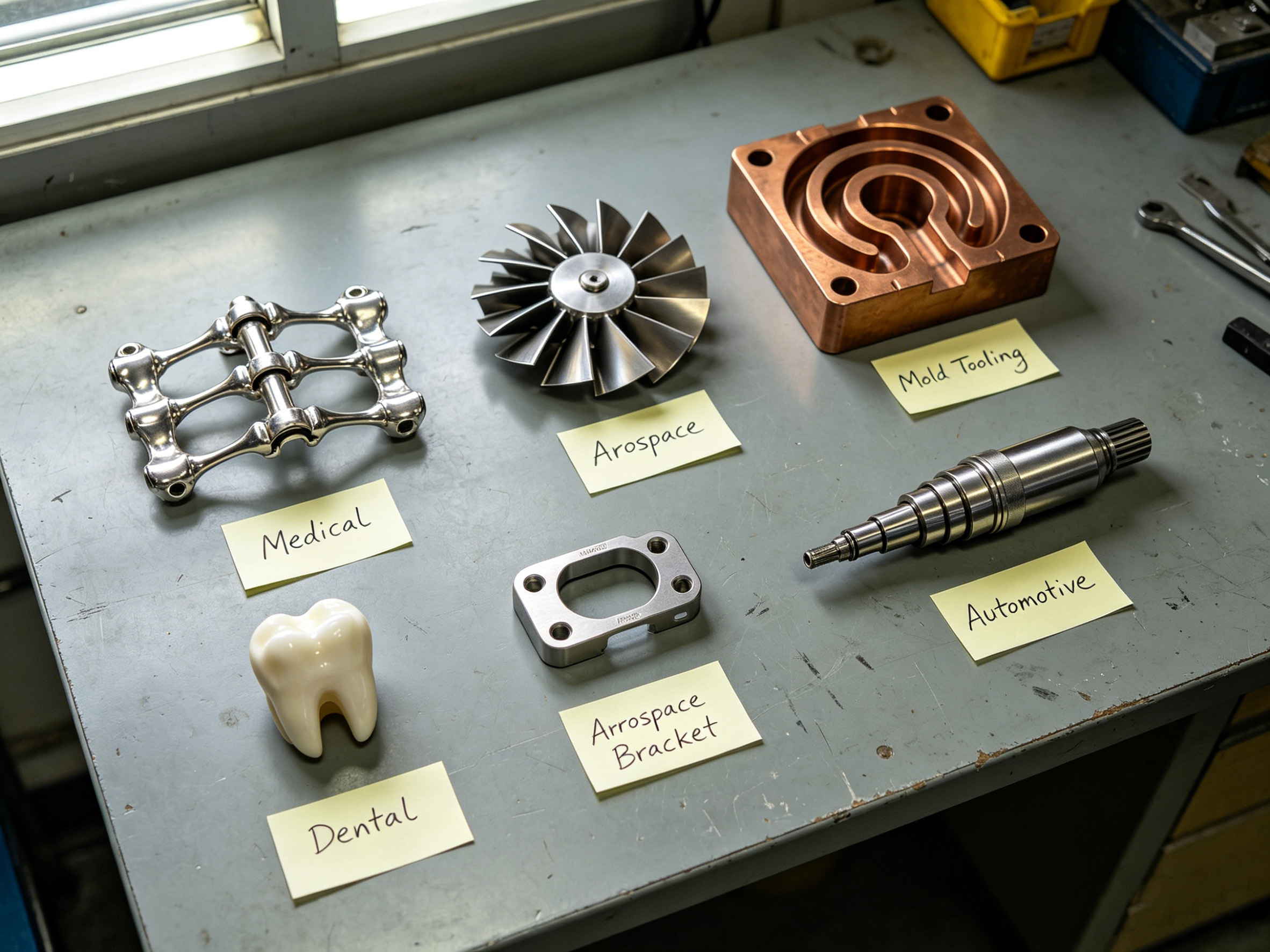
Aerospace & Automotive: A femtosecond laser is used to drill cooling holes in turbine blades, mark components for traceability, and machine precision parts that require zero thermal distortion.
Transparent Materials: Unlike conventional lasers, a femtosecond laser can focus energy inside transparent materials like glass and sapphire. This enables the femtosecond laser to create internal structures, waveguides, and microfluidic channels without damaging the surface.
Scientific Research
The femtosecond laser is a cornerstone of modern scientific research. It is used in spectroscopy to study ultrafast chemical reactions, in quantum control to manipulate atomic states, and in metrology for ultra-precise measurements. The femtosecond laser has even enabled the creation of optical frequency combs, which earned the 2005 Nobel Prize in Physics.
Femtosecond Laser vs. Nanosecond vs. Picosecond Lasers
One of the most common questions about femtosecond laser technology is how it compares to other pulse durations. Here's a clear breakdown:
| Feature | Nanosecond Laser | Picosecond Laser | Femtosecond Laser |
|---|---|---|---|
| Pulse Duration | 10⁻⁹ seconds | 10⁻¹² seconds | 10⁻¹⁵ seconds |
| Heat-Affected Zone | Significant | Minimal | Virtually None |
| Precision | Moderate | High | Ultra-High |
| Thermal Damage | High | Low | None (Cold Processing) |
| Material Versatility | Limited | Good | Excellent |
| Cost | Low | Medium | High |
Key Differences
Nanosecond Lasers: These generate significant heat during processing, creating a heat-affected zone that can cause thermal damage, melting, and recast layers. While they are the most affordable option, nanosecond lasers are not suitable for heat-sensitive materials or ultra-precision applications.
Picosecond Lasers: Offering shorter pulses than nanosecond lasers, picosecond lasers reduce thermal effects and improve precision. They represent a middle ground—more powerful than femtosecond lasers in some configurations and less expensive. However, picosecond lasers still produce some heat-affected zones.
Femtosecond Lasers: The femtosecond laser achieves true "cold processing" with virtually no thermal damage. The femtosecond laser delivers the highest precision and best edge quality, making it the only choice for applications requiring micron-level accuracy on heat-sensitive materials. The trade-off is higher cost and complexity.
The Bottom Line: If your application requires ultra-high precision, zero thermal damage, and the ability to process almost any material, the femtosecond laser is the clear winner. For less demanding applications, nanosecond or picosecond lasers may offer a more cost-effective solution.
Advantages of Femtosecond Lasers
The femtosecond laser offers several distinct advantages over conventional laser technologies:
1. Cold Processing with No Thermal Damage
The defining advantage of a femtosecond laser is its ability to process materials without generating heat. The femtosecond laser removes material through ablation before heat can diffuse to the surrounding area, eliminating the heat-affected zone entirely.
2. Ultra-High Precision
A femtosecond laser achieves micron and even sub-micron precision. This makes the femtosecond laser ideal for applications where tolerances are measured in micrometers.
3. Versatility Across Materials
A femtosecond laser can process virtually any material—metals, ceramics, polymers, glass, and even biological tissues. This versatility makes the femtosecond laser valuable across multiple industries.
4. Burr-Free, Clean Cuts
The femtosecond laser produces clean cuts without burrs, recast layers, or micro-cracks. Parts processed with a femtosecond laser often require no post-processing.
5. No Consumables
Like other laser technologies, the femtosecond laser requires no chemicals, abrasives, or cutting fluids. This reduces operating costs and environmental impact.
6. Long-Term Reliability
Modern femtosecond laser systems are designed for industrial durability, with sealed laser cavities and reliable cooling systems that provide years of maintenance-free operation.
How to Choose a Femtosecond Laser System
Selecting the right femtosecond laser system depends on your specific application requirements. Here are the key factors to consider:
1. Identify Your Application
The first step in choosing a femtosecond laser is clearly defining what you need it to do:
-
Medical/Surgical Applications: Look for femtosecond laser systems specifically designed for ophthalmic or surgical use, with the appropriate wavelength, pulse energy, and safety certifications.
-
Industrial Micromachining: Choose a femtosecond laser with the right power (typically 10W-100W) and repetition rate for your throughput requirements.
-
Scientific Research: Select a femtosecond laser with tunable parameters, excellent beam quality, and the flexibility to support various experimental setups.
2. Determine the Required Power
Femtosecond laser power is measured in watts (W) and affects processing speed:
-
Low Power (1W-10W): Suitable for precision marking, thin film processing, and research applications.
-
Medium Power (10W-50W): Ideal for most industrial micromachining, micro-drilling, and cutting applications.
-
High Power (50W+): Required for high-throughput production, thick material processing, and demanding industrial applications.
3. Consider Wavelength
Femtosecond laser systems are available at different wavelengths:
-
Infrared (typically 1030nm-1064nm): The most common femtosecond laser wavelength, suitable for most metals and many non-metals.
-
Green (515nm-532nm): Offers better absorption for some materials and smaller spot sizes.
-
UV (343nm-355nm): Provides the highest precision and is ideal for processing polymers and other heat-sensitive materials.
4. Evaluate Pulse Energy and Repetition Rate
These parameters determine the femtosecond laser's ablation efficiency and throughput:
-
Pulse Energy: Higher pulse energy allows deeper material removal per pulse.
-
Repetition Rate: Higher rates enable faster processing speeds.
5. Assess Cooling and Footprint Requirements
Femtosecond laser systems can be air-cooled or water-cooled:
-
Air-cooled: Suitable for lower-power femtosecond laser systems, easier to install and maintain.
-
Water-cooled: Required for higher-power femtosecond laser systems, more efficient cooling but requires water supply.
6. Consider Total Cost of Ownership
When evaluating a femtosecond laser system, consider:
-
Initial purchase price
-
Installation and training costs
-
Maintenance requirements and costs
-
Energy consumption
-
Expected lifetime and replacement costs
Frequently Asked Questions (FAQ)
Q1: What is a femtosecond laser?
A: A femtosecond laser is a type of ultrafast laser that emits optical pulses with a duration in the femtosecond range (1 femtosecond = 10⁻¹⁵ seconds). This extremely short pulse duration allows the femtosecond laser to achieve "cold processing"—removing material without generating significant heat in the surrounding area.
Q2: What is the difference between femtosecond, picosecond, and nanosecond lasers?
A: The key difference is pulse duration. Nanosecond lasers (10⁻⁹s) generate significant heat and thermal damage. Picosecond lasers (10⁻¹²s) reduce thermal effects. Femtosecond lasers (10⁻¹⁵s) achieve true "cold processing" with virtually no thermal damage, making them ideal for ultra-precision applications.
Q3: What are the main applications of femtosecond lasers?
A: Femtosecond laser technology is used in three main areas:
-
Medical: LASIK eye surgery, cataract surgery, neurosurgery
-
Industrial: Micro-drilling, micro-cutting, surface structuring, semiconductor processing
-
Scientific: Spectroscopy, quantum control, metrology
Q4: Are femtosecond lasers expensive?
A: Yes, femtosecond laser systems are significantly more expensive than nanosecond or picosecond lasers due to their complex technology. However, for applications requiring ultra-high precision, zero thermal damage, and the ability to process heat-sensitive materials, the investment in a femtosecond laser is justified by the superior results and reduced post-processing.
Q5: What materials can a femtosecond laser process?
A: A femtosecond laser can process almost any material—metals, ceramics, polymers, glass, and even biological tissues. The femtosecond laser's ultra-short pulses enable processing of transparent materials like glass and sapphire that are difficult or impossible to process with conventional lasers.
Q6: Is femtosecond laser processing safe?
A: When properly used with appropriate safety measures, femtosecond laser processing is safe. The femtosecond laser itself produces minimal thermal damage to surrounding tissues or materials, which is why it's called "non-invasive." However, like all lasers, femtosecond laser systems require proper eye protection, interlocks, and trained operators to ensure safety.
Q7: How long does a femtosecond laser last?
A: Modern femtosecond laser systems are designed for long-term reliability. With proper maintenance, the laser source in a quality femtosecond laser system can last 10,000 to 20,000 hours of operation. Many industrial femtosecond laser systems are designed for continuous 24/7 operation in manufacturing environments.
Q8: Can a femtosecond laser replace traditional machining methods?
A: In many precision applications, yes. The femtosecond laser offers advantages that traditional machining cannot match—no tool wear, no contact forces, no thermal damage, and the ability to process hard or brittle materials. However, the femtosecond laser is typically slower than traditional methods for bulk material removal, making it best suited for precision finishing and micromachining rather than rough cutting.
Q9: What is the difference between femtosecond laser marking and engraving?
A: In the context of a femtosecond laser, "marking" typically refers to surface modification without significant material removal (e.g., color change, annealing), while "engraving" involves actual material removal to create depth. A femtosecond laser can perform both functions with exceptional precision.
Q10: How do I choose the right femtosecond laser for my application?
A: Choosing the right femtosecond laser depends on your specific needs—material type, required precision, processing speed, and budget. Key factors include laser power, wavelength, pulse energy, and repetition rate. For medical applications, choose a femtosecond laser designed for surgical use with appropriate certifications. For industrial applications, consider throughput requirements and total cost of ownership. Consult with femtosecond laser manufacturers or distributors to get personalized recommendations.
Final Thoughts
The femtosecond laser represents a remarkable convergence of physics and engineering—a tool that can perform surgery on the human eye with micron precision and machine components for aerospace applications with equal mastery. The femtosecond laser's ability to deliver energy in ultra-short pulses enables "cold processing" that was impossible with previous laser technologies.
As femtosecond laser technology continues to advance—with higher powers, lower costs, and broader applications—it is becoming accessible to more industries and users. Whether you are in medical device manufacturing, semiconductor production, aerospace engineering, or scientific research, the femtosecond laser offers capabilities that can transform your precision processing operations.
The key to successful femtosecond laser implementation lies in understanding your specific requirements, selecting the right system, and working with experienced partners who can support your application development. With the guidance provided in this guide, you are better equipped to make informed decisions about femtosecond laser technology.
Contact Us
Ready to explore how femtosecond laser technology can benefit your business? Our team of laser technology specialists is here to help you select the right femtosecond laser system for your specific application requirements.
📧 Email: jennyj@zglc-laser.com
🌐 Website: www.zglc-laser.com
Request a free consultation and demonstration today.
Selective Laser Melting: Lessons from the Medical Devices Industry and Other Applications
HJYC-OPTO Company Name Changed to ZGLC Laser
Related Article