How to Laser Clean Cast Aluminum: A Practical Guide
Laser cleaning cast aluminum is fundamentally different from cleaning steel due to aluminum's high thermal conductivity and high reflectivity. A huge amount of initial laser power is required to overcome the reflective surface. However, that same energy then spreads rapidly through the metal because of its high conductivity. This creates a significant risk of overheating and warping the part, making the process a delicate balancing act of high-stakes thermal management rather than simple surface cleaning. With steel, the heat stays where you put it. With aluminum, the moment the laser energy is absorbed, the metal tries to spread that heat everywhere, instantly. Successfully cleaning aluminum isn't just about pointing and shooting; it's about fighting the metal's own physics to prevent damage.
Have You Worked with Laser Cleaning Aluminum?
A Challenging Automotive Project
I remember a client who came to us needing to remove a tough oxide layer from thin-walled aluminum automotive parts before welding. They had tried chemical processes, which were slow and hazardous. They assumed laser cleaning would be a simple drop-in replacement. We knew it would be more complicated.
The Initial Problem: Reflectivity
Our initial tests using standard steel settings did almost nothing. The laser beam simply reflected off the shiny aluminum surface. This is aluminum's first defense. To get the process started, we had to significantly increase the fluence (the energy density per pulse) just to break through that reflective barrier.
The Second Problem: Heat Dissipation
Once we had enough power to start the ablation, the second challenge appeared immediately. The heat didn't stay in the small spot we were targeting. Because aluminum is an incredible thermal conductor, the heat started spreading through the entire thin-walled part. This created a real risk of warping or even melting the component.
Steel vs. Aluminum: Cleaning Parameters
Cleaning speeds for aluminum are generally 10–20% slower than steel. When cleaning dust on aluminum alloys, the cleaning efficiency of a pulse laser cleaner is 2.77 m²/h, which is 7.7 times higher than the cleaning efficiency of a CW fiber laser (0.36 m²/h). The key is using the right pulse laser cleaner with precise heat control to avoid damaging the substrate.
How Does the Laser Cleaning Process Work on Aluminum?
Cleaning the Surface
Understanding the physics of laser cleaning aluminum is critical. The goal is to remove the contaminant—whether it's paint, oxide, or oil—without altering the base material.
1. Contaminant Absorption of Energy
The laser beam delivers energy to the surface. The contaminant layer absorbs this energy much more readily than the aluminum underneath. This selective absorption is what makes laser cleaning possible.
2. Rapid Thermal Expansion and Ablation
The absorbed energy causes the contaminant to heat up almost instantly. This leads to rapid thermal expansion and micro-explosions that break the bond between the contaminant and the aluminum substrate. The mechanisms involved include combustion, explosion, gasification, thermal vibration stripping, and laser plasma impact.
3. Protecting the Aluminum Substrate
The key to successful laser cleaning cast aluminum is stopping the process before heat damages the base metal. By using short pulses and optimizing parameters like power, frequency, and scanning speed, you can remove the contaminant while keeping the aluminum cool.
4. Laser Cleaning Mechanisms
The removal mechanism is closely related to laser fluence. At lower fluences, the dominant mechanism is likely associated with laser-induced phase explosion. As the fluences increase, the mechanism transitions to predominantly laser ablation. At even higher fluences, laser-induced evaporation becomes predominant.
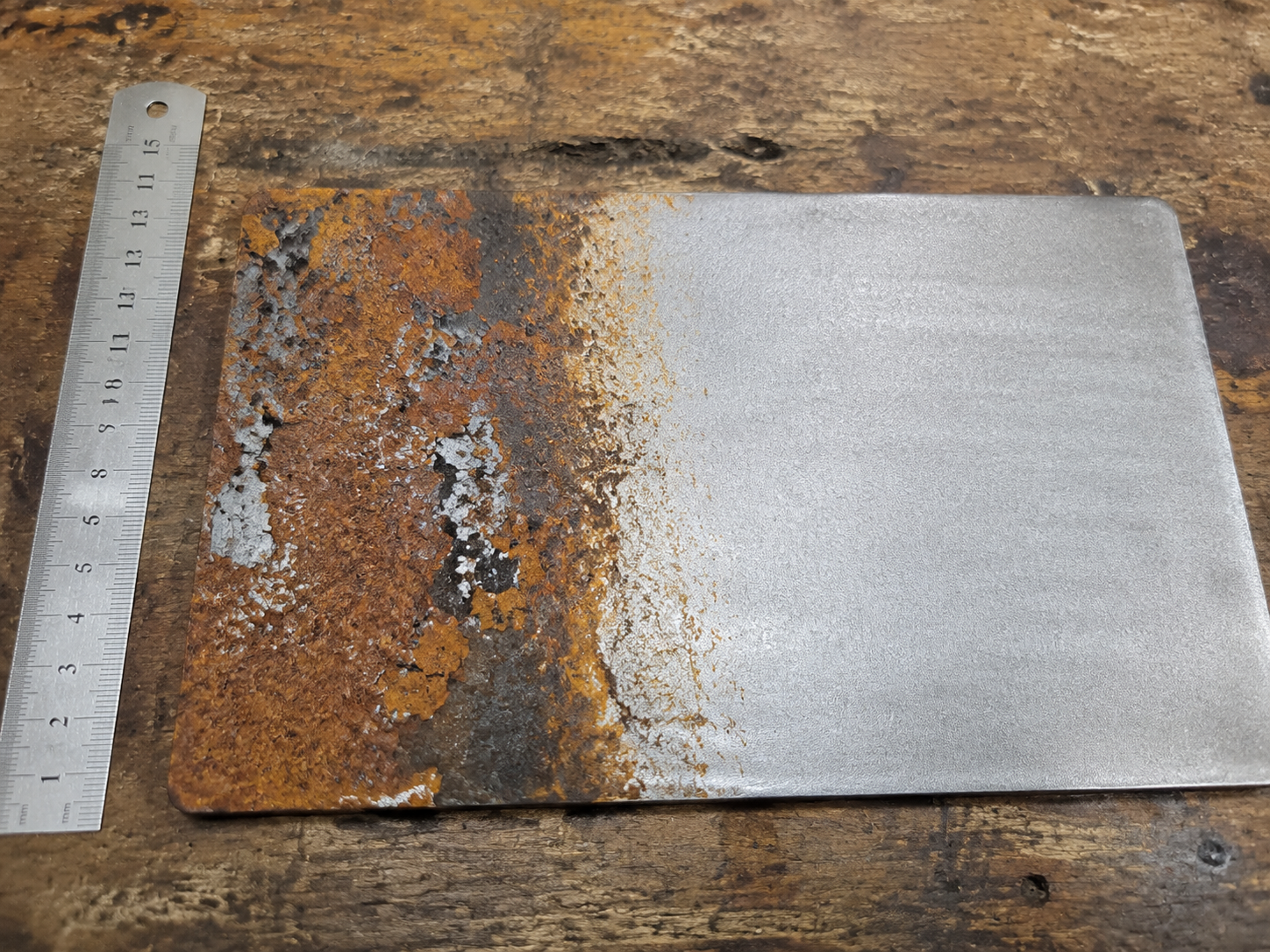
What's the Process for Laser Cleaning an Aluminum Bicycle Frame?
The process for laser cleaning an aluminum bike frame involves a systematic approach. Here's a step-by-step practical guide.
Step 1: Secure the Workpiece and Set Up the Safety Area
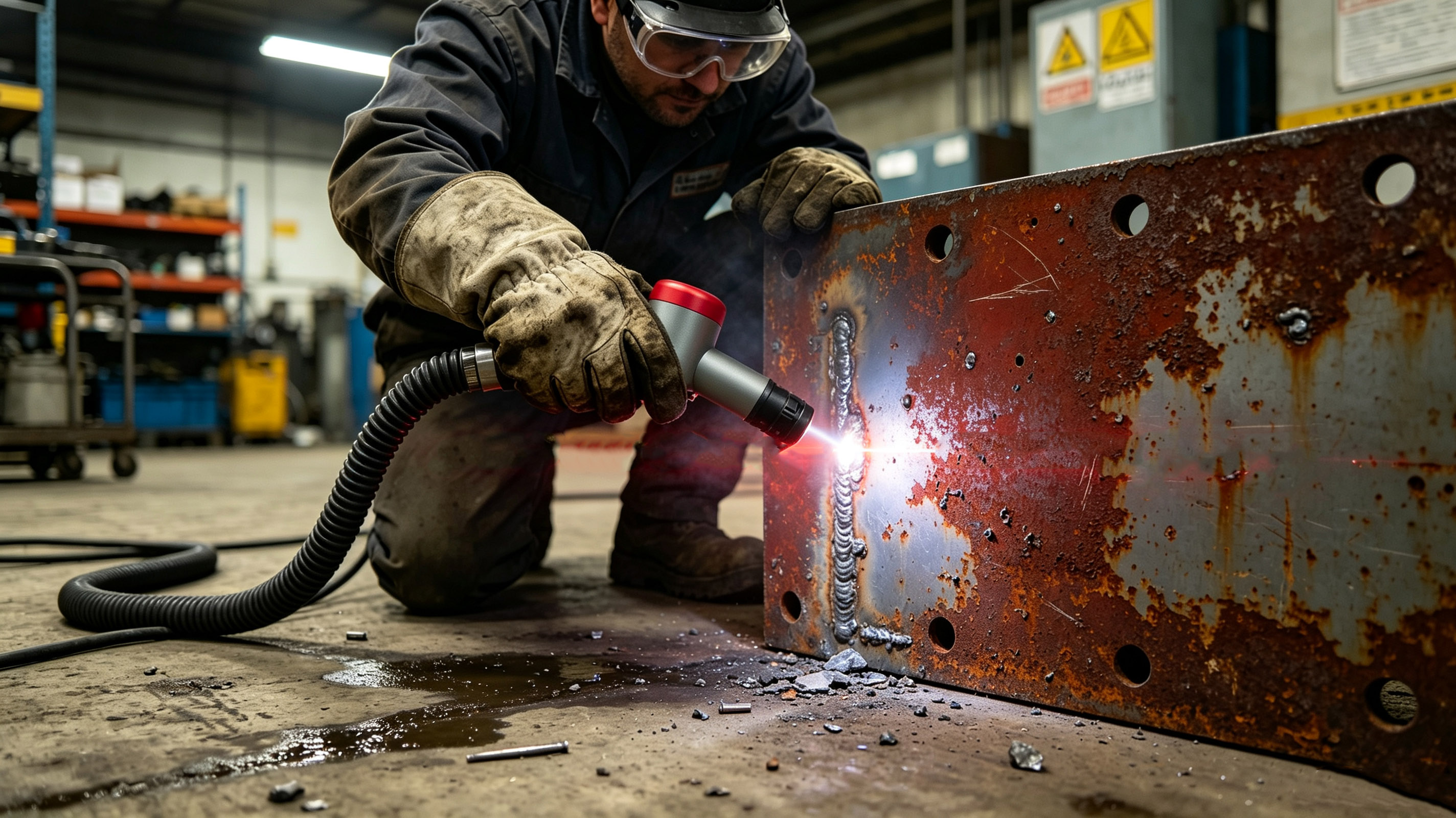
First, the frame is securely mounted. Make sure the work area is clear of flammable materials. Set up proper fume extraction. Laser cleaning applications on aluminum produce dust and fumes that must be captured. Always wear laser safety glasses rated for the specific wavelength.
Step 2: Parameter Testing
The operator performs test spots on an inconspicuous area to dial in the laser parameters (power, frequency, scan speed) to remove the coating without affecting the aluminum. Start with lower power and increase gradually until you find the sweet spot where the contaminant is removed but the aluminum remains undamaged.
Step 3: Main Cleaning Pass
Once you've confirmed the settings, proceed with the main cleaning pass. Move the laser head steadily across the surface at the recommended speed and distance. For an electric bicycle frame OEM, a high-power laser cleaning system achieved paint removal speed up to 1 m²/min, improving efficiency by up to 3x.
Step 4: Detail Work and Final Inspection
After the main pass, inspect the frame for any remaining contaminants. Touch up any missed spots with a second pass. The result should be a clean, oxide-free surface ready for welding, painting, or coating.
Is Laser Cleaning Aluminum Worth It?
The Business Case: Beyond a Clean Surface
1. Lower Operating Costs
Laser cleaning eliminates consumables like abrasive media and chemicals. There are no ongoing costs for sand, glass beads, or chemical strippers. The main ongoing expense is electricity. Studies indicate laser cleaning can reduce porosity in aluminum welds to below 0.3%, compared to 1.4% in uncleaned or mechanically cleaned samples.
2. Superior Quality and Consistency
Unlike sandblasting or chemical methods, laser cleaning cast aluminum provides repeatable, traceable results. It's a non-destructive process with no deformation or damage to the base material. This means fewer rejected parts and less rework.
3. Improved Worker Safety and Environmental Impact
Laser cleaning produces significantly less dust and eliminates consumables, aligning with green manufacturing practices. It removes hazardous chemical exposure and reduces the risk of respiratory issues from abrasive dust.
Investment vs. Return
The typical payback period for a laser cleaning machine is 12-18 months, with significant long-term savings compared to traditional methods. For most commercial users, it's a sound investment.
FAQ
Q: Why is aluminum harder to laser clean than steel?
A: Aluminum has two inherent challenges: high reflectivity and high thermal conductivity. The reflective surface initially reflects much of the laser energy away, requiring higher power to start the cleaning process. Once absorbed, the heat spreads rapidly through the part due to aluminum's excellent heat conduction. This rapid heat dissipation means you need careful parameter control to avoid warping or damaging the base material, especially on thin-walled parts.
Q: Can laser cleaning damage the aluminum underneath?
A: No—when using the correct settings. The key is using a pulse laser cleaner with short pulses that deliver energy fast enough to vaporize the contaminant before heat transfers to the aluminum substrate. The process is self-limiting: once the contaminant is removed, the laser energy reflects off the clean aluminum. However, incorrect settings—too much power or too slow a scan speed—can overheat and warp thin aluminum parts.
Q: Can laser cleaning replace chemical stripping on aluminum?
A: In most cases, yes. Laser cleaning is a dry, chemical-free process that eliminates hazardous waste disposal and operator exposure to toxic chemicals. It's particularly effective for removing oxides, paint, and oils from aluminum surfaces. However, for thick, multi-layer coatings or heavily corroded surfaces, you may need multiple passes. A pulse laser cleaner is especially effective because it provides the precision needed to remove layers without damaging the aluminum.
Q: Is laser cleaning suitable for all aluminum alloys?
A: Generally, yes. Laser cleaning works on most aluminum alloys, including 6061, 7075, cast aluminum, and anodized aluminum. However, cleaning parameters vary. High-silicon cast aluminum may require slightly different settings than wrought alloys. Always test on a scrap piece of the same material before processing production parts.
Q: How fast is laser cleaning on aluminum compared to steel?
A: Cleaning speeds on aluminum are typically 10–20% slower than on steel for the same contaminant thickness. For light oxide removal, a pulse laser cleaner can clean at rates of 2–3 m²/h. For heavy paint or thick rust, speeds decrease. The exact speed depends on the laser power, contaminant type, and desired surface finish.
Q: Do I need a pulse laser or continuous wave laser for aluminum?
A: A pulse laser cleaner is strongly recommended for aluminum. Pulsed lasers deliver short, high-energy bursts that minimize heat input—critical for aluminum's high thermal conductivity. Continuous wave (CW) lasers generate continuous heat that can easily warp thin aluminum parts. For thick, heavy aluminum castings, CW may work, but pulsed is the safer, more versatile choice.
Q: What safety equipment do I need for laser cleaning aluminum?
A: Minimum requirements: laser safety glasses rated for the specific wavelength (OD6+ for fiber lasers), fume extraction with HEPA filters (aluminum oxide dust is hazardous), fire extinguisher, and proper training. Aluminum cleaning produces fine metallic dust that can be combustible—ensure your extraction system is rated for metal dust collection. A pulse laser cleaner typically includes built-in safety interlocks and emergency stops.
Q: How does the cost of laser cleaning aluminum compare to traditional methods?
A: The upfront cost is higher—a quality pulse laser cleaner ranges from $7,000 to $15,000. However, ongoing costs are significantly lower. Laser cleaning eliminates consumables like abrasive media, chemicals, and disposal fees. For high-volume operations, the payback period is typically 12–18 months. For occasional use, hiring a laser cleaning service may be more cost-effective than purchasing equipment.
Q: Will laser cleaning leave marks or change the surface finish of aluminum?
A: With optimized parameters, laser cleaning leaves a clean, uniform surface with minimal change to the original finish. On anodized aluminum, you may notice a slight matte effect where the anodized layer is removed. On raw aluminum, the cleaned area may appear slightly brighter than surrounding uncleaned areas. For applications where appearance matters, you may need to clean the entire visible surface for a uniform look.
Q: Can I use the same laser cleaning machine for aluminum and steel?
A: Yes—most modern systems handle both materials. You'll need to adjust parameters (power, speed, frequency) between materials. Steel tolerates higher heat and faster speeds. Aluminum requires lower power density, shorter pulses, and careful heat management. A quality pulse laser cleaner with preset material profiles makes switching between materials quick and easy.
Conclusion
Laser cleaning aluminum is challenging but highly rewarding. The key is understanding aluminum's unique physics—its reflectivity and thermal conductivity—and using a pulse laser cleaner with precise heat control. Whether you're restoring bicycle frames, preparing automotive parts for welding, or maintaining aerospace components, the laser cleaning applications are vast and growing. The technology delivers cleaner surfaces, faster processing, and lower operating costs than traditional methods.
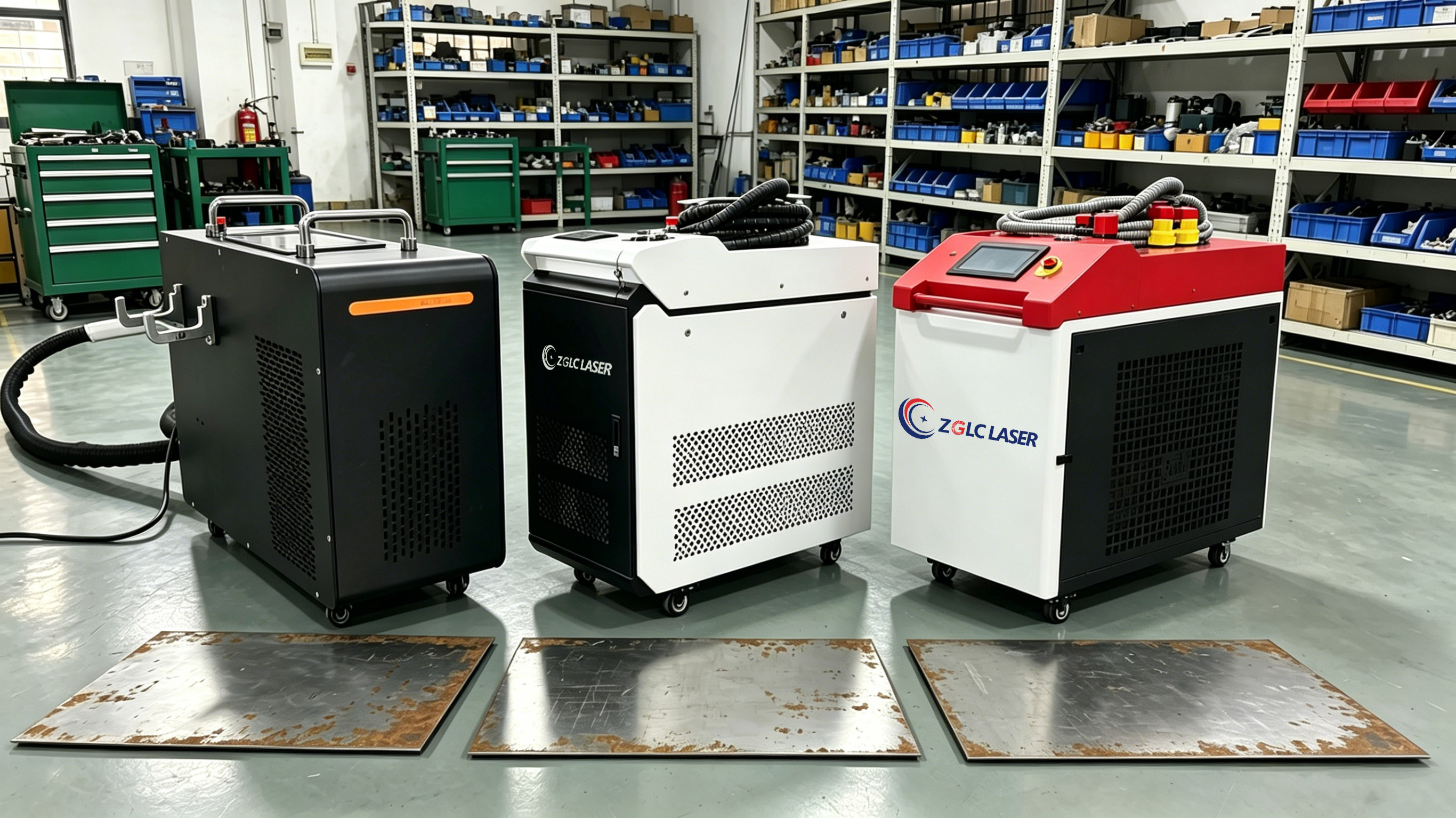
Ready to bring laser cleaning aluminum to your workshop? Contact ZGLC Laser today for a consultation and see how our pulse laser cleaner solutions can transform your aluminum surface preparation workflow.
Top Fiber Laser Cleaning Machine Manufacturers China 2026 Reviews
Related Article