Laser Classes & Laser Safety - What You Must Know
Working with laser equipment brings incredible capabilities - from precise cutting to detailed engraving. But without proper knowledge, it also brings serious risks. Whether you're setting up a new workshop or expanding your laser operations, understanding maintenance and laser safety is essential for protecting yourself, your equipment, and your business.
1. CO2 Maintenance by Laser Classes
Think of laser classes like car engines - each requires different care:
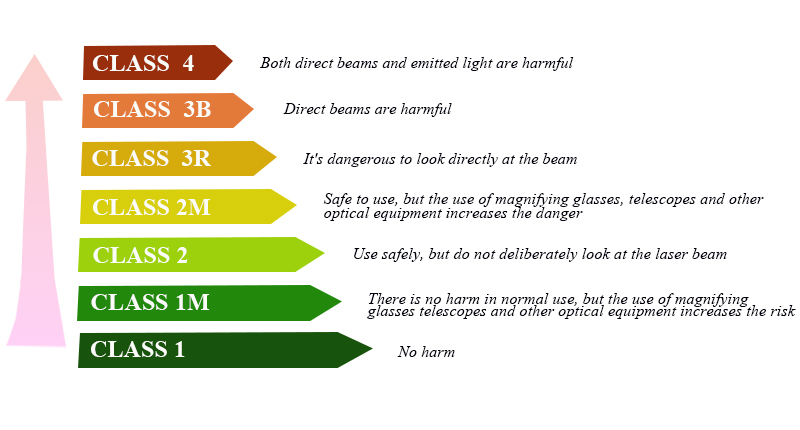
Laser Classes 1 & 2 (Enclosed systems, laser pointers):
-
Maintenance focus: Keep enclosures sealed, check laser safety interlocks
-
Simple monthly check: Ensure warning labels are visible and undamaged
Laser Classes 3R & 3B (Most desktop engravers, open-beam systems):
-
Weekly: Clean lens and mirrors with appropriate solvents
-
Monthly: Check beam alignment, inspect cooling systems
-
Quarterly: Full system inspection by qualified technician
Laser Classes 4 (Industrial cutters, high-power systems):
-
Daily: Visual inspection of beam path, check water chillers
-
Weekly: Clean exhaust systems, verify emergency stops
-
Monthly: Calibration check, tube performance testing
Remember: Always disconnect power before maintenance and use appropriate PPE.
2. Understanding Laser Hazards
Eye Damage:
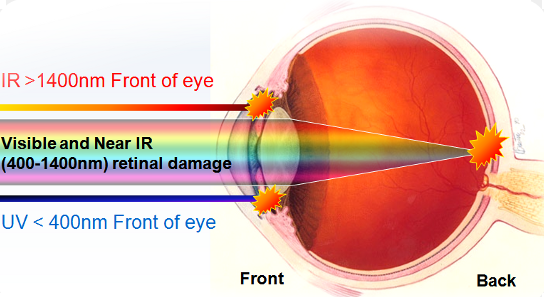
The invisible infrared beam from CO2 lasers can cause permanent retinal damage before you even blink. I've seen operators develop "blind spots" from reflected beams off shiny materials. Always wear wavelength-specific safety glasses - regular sunglasses won't protect you.
Skin Burns:
Direct exposure to laser Classes 4 causes instant, severe burns. More commonly, I see operators get burns from touching recently engraved metal - the laser heats materials much more than people expect.
Fire Risks:
This is the most common accident in laser workshops. A customer once called me in panic after their laser set fire to acrylic scraps. Always keep a CO2 fire extinguisher nearby and never leave operating lasers unattended.
3. Laser Safety Standards Made Simple
While standards like IEC 60825 seem complicated, they boil down to common sense:
-
Machines must have proper warning labels and emergency stops
-
Enclosures should prevent beam escape
-
Manufacturers must provide clear laser safety instructions
-
Workplaces need adequate ventilation systems
4. What to Know Before Buying Laser Equipment
Ask these critical questions:
-
What laser safety features come standard? (Look for emergency stops, enclosure interlocks)
-
Is proper ventilation included or separate?
-
What maintenance does the supplier provide?
-
Are operating manuals and laser safety training available?
-
Does the machine meet local laser safety regulations?
5. Frequently Asked Questions
"What are the main laser classes and their uses?"
| Class | Risk Level | Typical Applications |
|---|---|---|
| 1 | Safest | Office printers, enclosed systems |
| 2 | Low risk | Laser pointers, scanners |
| 3R | Moderate | Small engravers, measuring devices |
| 3B | High risk | Research lasers, open-beam systems |
| 4 | Dangerous | Industrial cutters, surgical lasers |
6. What is MPE? (Maximum Permissible Exposure)
MPE is the highest laser energy you can be exposed to without injury. Think of it like sun exposure - you can stay in morning sun safely, but midday sun quickly causes burns. MPE varies by wavelength and exposure time - your laser manual should specify these limits.
7. What is AEL? (Accessible Emission Limit)
AEL defines the maximum laser power allowed for each laser safety class. It's why Class 2 lasers can't exceed 1mW - similar to how different vehicle classes have different speed limits. When choosing equipment, verify the AEL matches your workshop's safety capabilities.
8. Key Laser Safety Takeaways
Laser safety isn't about limiting your work - it's about enabling you to work confidently and creatively. The most successful workshops I've visited all share three traits:
-
They never skip maintenance schedules
-
They invest in proper safety equipment
-
They continuously train their staff
Remember: Good safety practices don't slow you down - they keep you in business. When in doubt, consult with laser safety professionals and always prioritize protection over production speed.
Your laser equipment can be both productive and safe - it all comes down to proper knowledge and consistent practices. Stay safe and keep creating!
Key Parameters Setting For Laser Welding Machine
Think Your CO2 Laser Only Cuts and Engraves? No!