Laser Welding Technology Applications: Advantages and Challenges
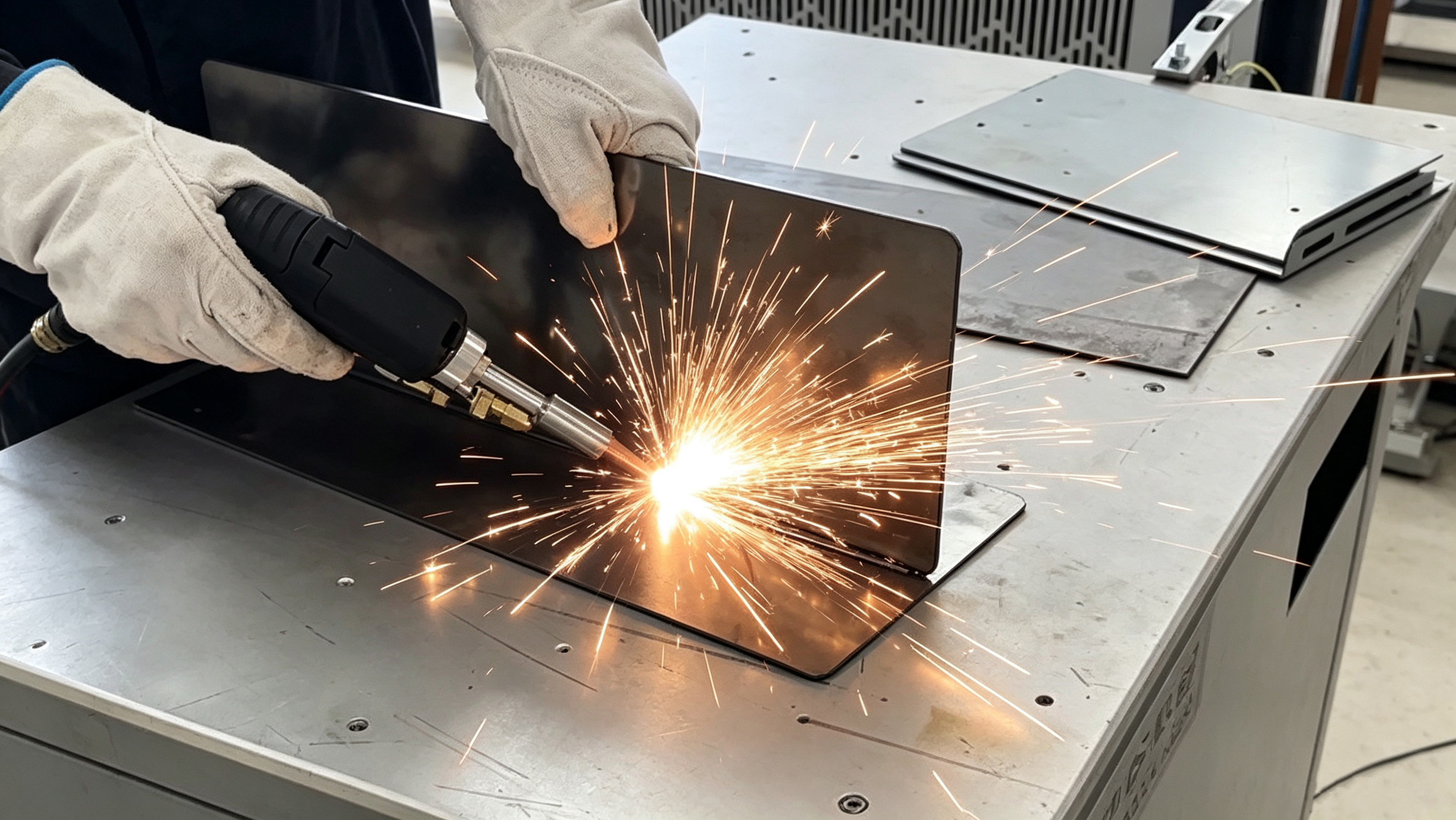
Laser welding has firmly established itself as a mainstream manufacturing technique across automotive, aerospace, electronics, and medical devices. From electric vehicle battery packs to aircraft engine components, an industrial laser welder delivers speed and precision that traditional methods simply cannot match. But like any technology, it comes with trade-offs. High upfront costs, safety requirements, and the need for proper training mean it's not always the right choice for every shop. This guide breaks down the real-world advantages and challenges of laser welding technology so you can decide if it fits your operation.
1. High-Quality Welding Across Industries
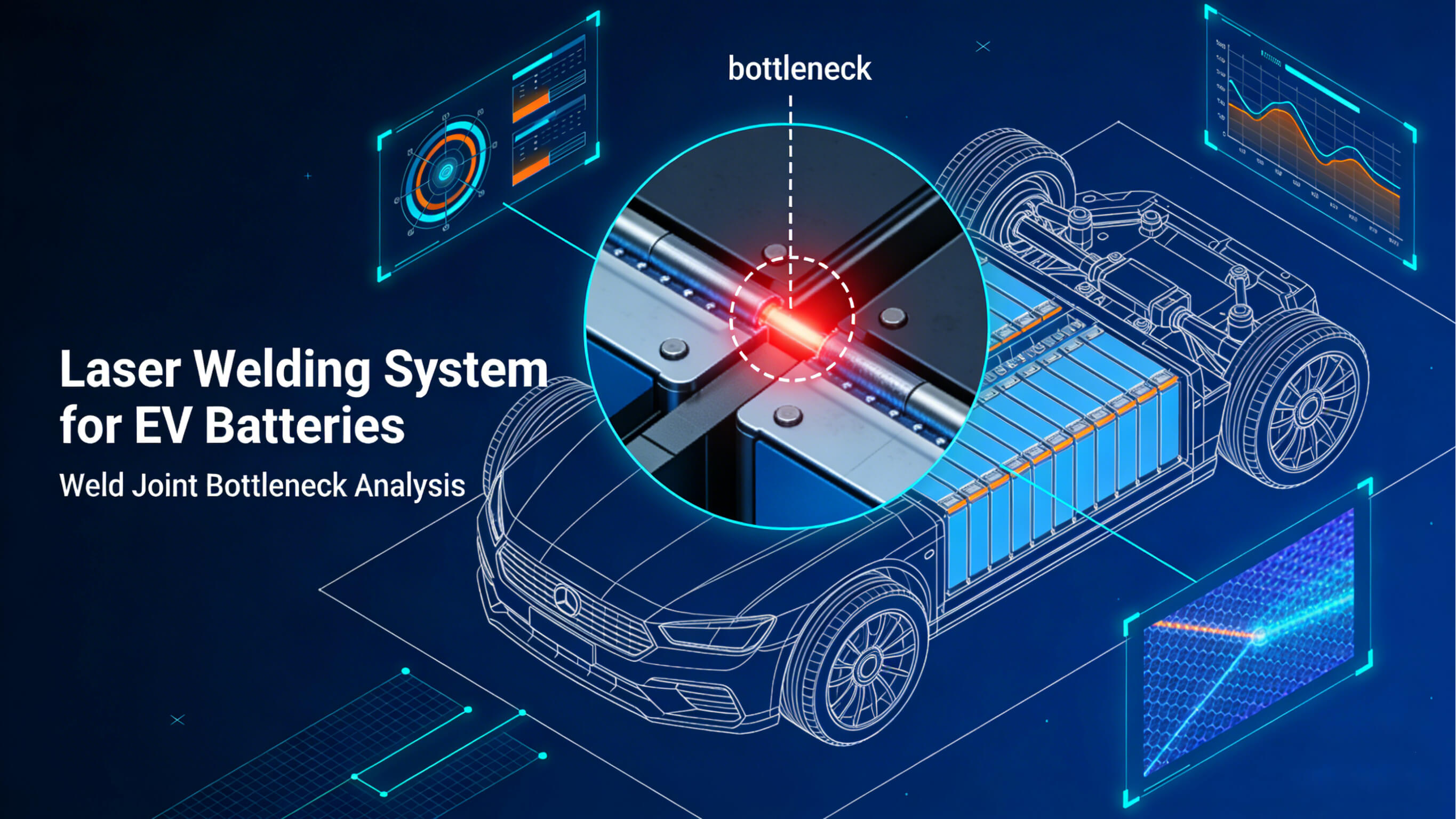
The automotive industry remains the largest user of laser welding technology, driven by demand for precision welding in high-speed production lines. Laser welding services are essential for body-in-white welding, battery pack assembly, and powertrain components. In aerospace, laser welding is used for engine components and airframe assemblies where weld quality and structural safety are critical.
Beyond these heavy industries, laser welder machine technology serves medical device manufacturing, electronics assembly, and even plastic welding for automotive interiors and electronic housings. The versatility of laser welding technology makes it suitable for applications ranging from bridge steel structures to high-speed train carriages.
2. Versatility and Minimal Heat Impact
One of the standout advantages of laser welding technology is its versatility. A single industrial laser welder can join metals, ceramics, and plastics—something few other welding methods can claim.
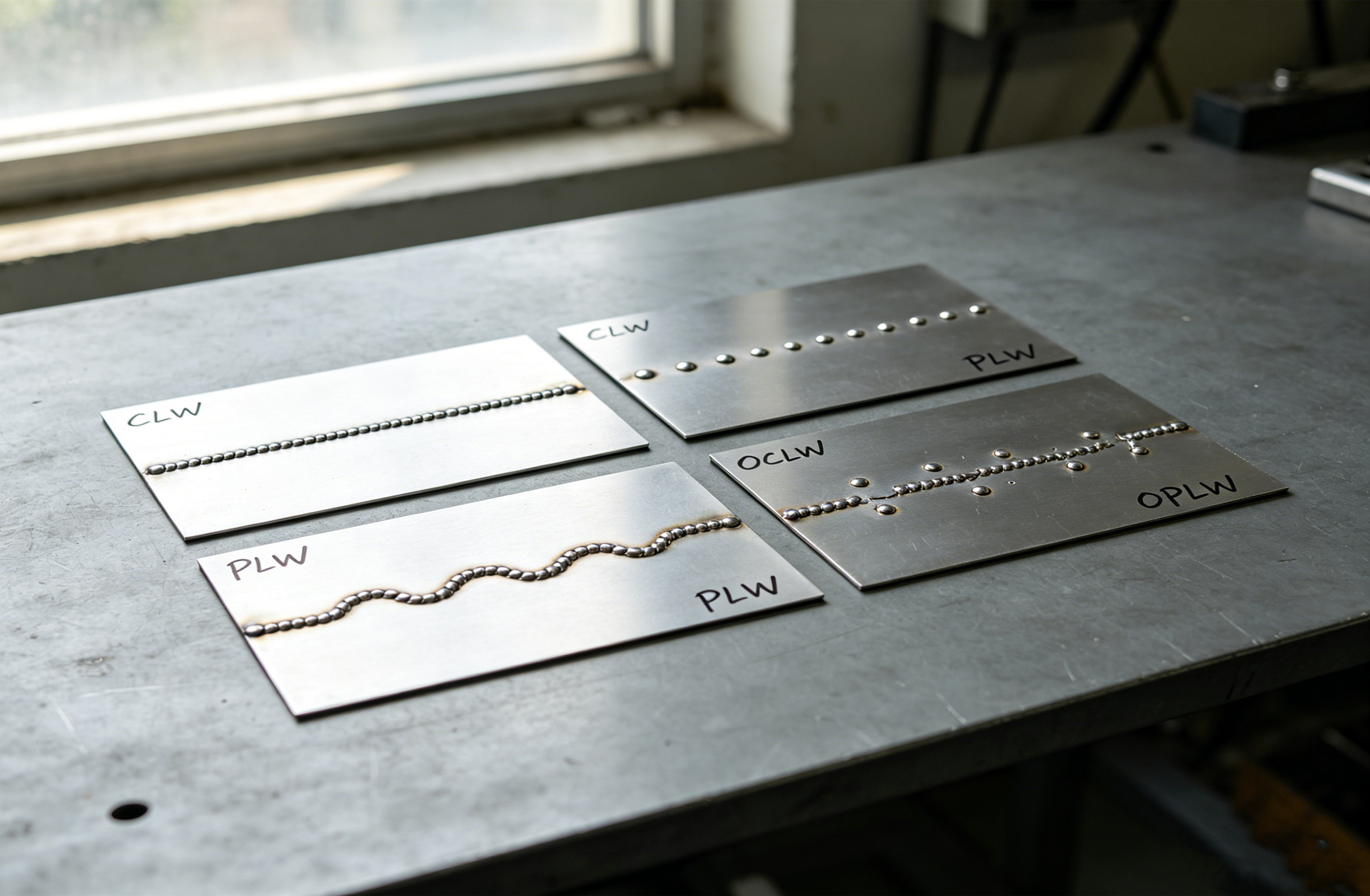
The key to this versatility is the laser's ability to direct heat precisely, generating a much smaller heat-affected zone compared to traditional welding. This low heat input minimizes distortion, making laser welding technology ideal for precision and thin-walled components where distortion cannot be tolerated. For industries like aerospace and medical devices, where maintaining original dimensions is critical, this is a game-changer.
3. Reducing Material Deformation with Laser Welding
Traditional welding methods like TIG and MIG dump significant heat into the workpiece, often causing warping, buckling, and the need for costly post-weld straightening. Laser welding technology solves this problem through highly concentrated energy delivery.
Because a laser welder machine focuses energy into a tiny spot, the heat doesn't spread far beyond the weld zone. The result is minimal residual deformation and less straightening work after welding. For manufacturers working with thin materials or complex geometries, this reduction in distortion translates directly to less rework and higher throughput.

4. Non-Contact Advantages and Environmental Benefits
As a non-contact process, laser welding technology experiences virtually no degradation in weld quality over time. There are no electrodes to contaminate or wear out, and equipment wear is greatly minimized.
From an environmental standpoint, laser welding technology produces less heat, smoke, and fumes than traditional methods, requiring only minimal protective gear. The process doesn't require filler materials, and energy consumption is relatively low due to the focused laser beam. For companies facing stricter environmental regulations, this makes laser welding services an increasingly attractive option.
5. Training and Automation: Streamlining the Welding Process
One of the most significant developments in recent years is how laser welder machine technology has become more accessible through automation and improved training. Modern systems are designed with user-friendly interfaces that allow operators to quickly teach weld paths and adjust parameters with minimal training.
Automated laser welding technology solutions can reduce cycle time by 95 percent, significantly increasing production capacity. Proper training programs combine classroom instruction with extensive hands-on practice, helping employees learn proper setup, safety procedures, and high-precision welding techniques. This means you don't need specialist welders to operate an industrial laser welder—the technology is increasingly designed to work with less experienced personnel.
6. The Disadvantages of Laser Welding
Let's be clear: the single greatest disadvantage of laser welding technology is its staggering initial investment. Comparing the cost of a basic TIG welder to an industrial laser welder is like comparing the price of a family sedan to a Formula 1 car. The equipment is expensive, and its electrical-to-optical efficiency is relatively low, increasing operational costs.
Safety is another significant concern. Laser welding places high safety demands on the operator and requires substantial investment in systems, equipment, and protective devices. Interlock systems are needed to shut off power if there's a risk of exposure to laser radiation.
Additionally, laser welding technology requires precise fit-up. Gaps larger than 0.1-0.2mm can be difficult to bridge without wobble head technology. Reflective metals like copper and aluminum require special settings or advanced beam control to achieve consistent results.
7. Laser Welding Cost and Safety: Weighing the Trade-offs
So how do you decide if laser welding technology is right for you? It comes down to volume and value.
If you're welding high-value components where quality and precision are paramount—think aerospace parts, medical devices, or EV battery packs—the investment in an industrial laser welder pays for itself through reduced rework, fewer rejects, and faster throughput. A laser welder machine can operate 5 to 10 times faster than manual TIG, and the reduced heat input means less post-weld straightening.
But if you're a small shop doing low-volume, general fabrication, the math changes. The capital expenditure for laser welding technology is typically higher than most other welding methods. You may be better off using laser welding services from a provider rather than purchasing your own equipment.
Safety costs also add up. You'll need laser safety glasses, enclosures or curtains, interlock systems, and proper training for all operators. These are non-negotiable expenses that must be factored into your total cost of ownership.
8. Equipment Size and Power Requirements
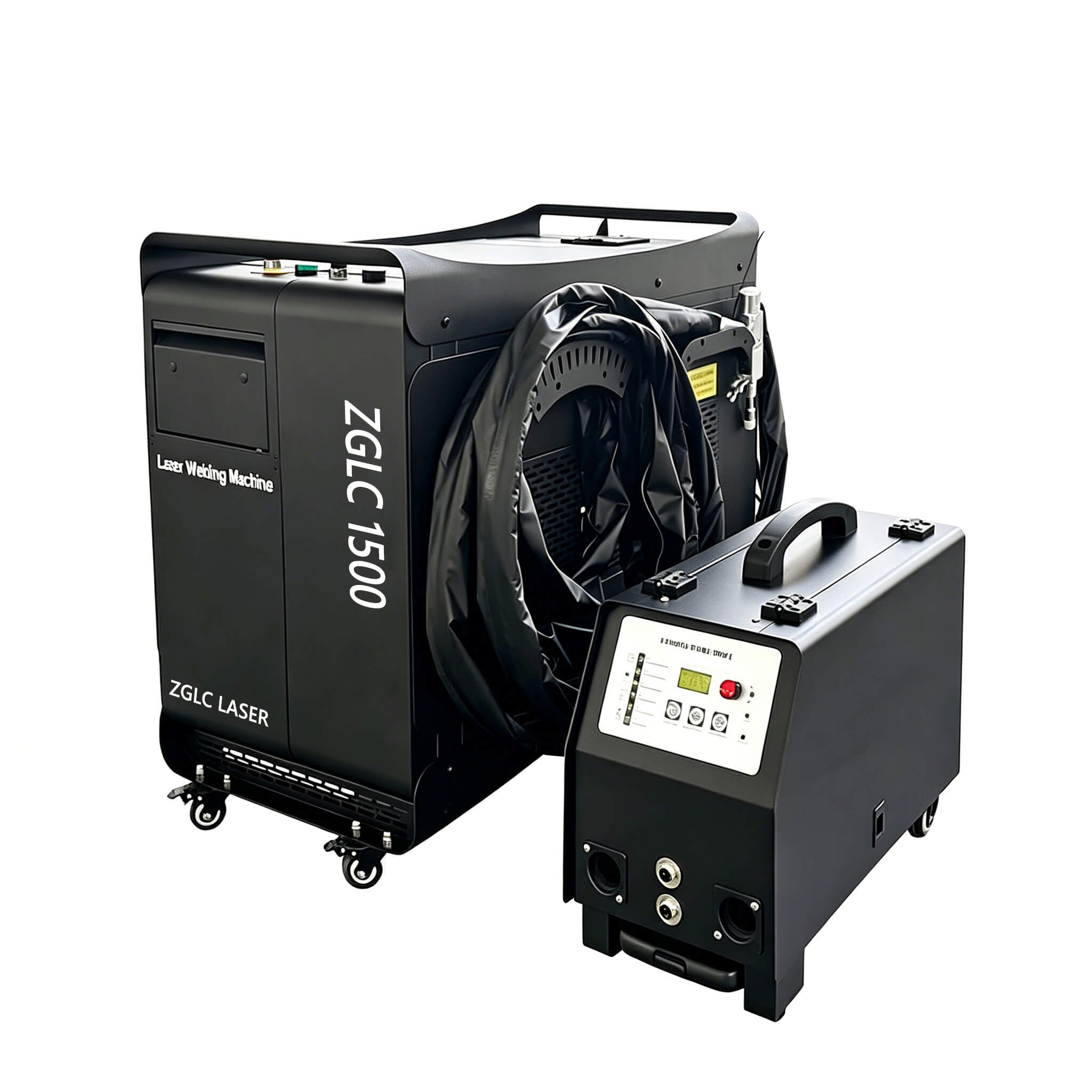
Laser welding technology comes in various configurations to match different needs. Handheld laser welder machine systems are increasingly popular for their flexibility and lower entry cost. These portable units are ideal for repair work, custom fabrication, and small-batch production.
For high-volume manufacturing, automated industrial laser welder systems integrate with robots and CNC tables. These setups require more floor space, higher power (typically 1kW to 6kW+), and water cooling systems. The power requirements also mean you'll need proper electrical infrastructure—many systems run on three-phase power.
The trend toward modular, plug-and-play laser welding technology systems is making integration easier. Pre-engineered solutions allow manufacturers to deploy automated laser welding with minimal downtime and without requiring advanced programming expertise.
9. FAQ
Q: Is laser welding faster than TIG welding?
A: Yes—significantly. Laser welding technology operates at speeds 5 to 10 times faster than manual TIG. A laser welder machine can weld at meters per minute, making it ideal for high-volume production.
Q: Does laser welding distort the material?
A: Much less than traditional methods. The concentrated heat input of laser welding technology creates a very small heat-affected zone, minimizing distortion and warping.
Q: Is laser welding expensive?
A: The upfront cost is high—an industrial laser welder is significantly more expensive than TIG or MIG equipment. However, the long-term savings from faster throughput, less rework, and no consumables can make it cost-effective for high-volume applications.
Q: Can laser welding join different metals?
A: Yes. Laser welding technology excels at joining dissimilar metals like copper to steel or aluminum to titanium. However, each metal has different fusion temperatures, so the process must be optimized for each application.
Q: Do I need special training to operate a laser welder?
A: Yes. Proper training is essential for safety and optimal results. Modern laser welder machine systems are increasingly user-friendly, but operators still need to understand safety procedures, parameter settings, and equipment maintenance.
Q: Can laser welding be automated?
A: Absolutely. Automated laser welding technology is widely used in automotive and electronics manufacturing. Robotic systems can reduce cycle time by up to 95% and free up skilled welders for more complex work.
Q: Is laser welding safe?
A: When proper safety measures are followed, yes. Laser welding technology requires laser safety glasses, enclosures or curtains, interlock systems, and fume extraction. These are mandatory, not optional.
Q: What industries use laser welding?
A: Automotive, aerospace, medical devices, electronics, construction, and shipbuilding are the primary users. Laser welding services are increasingly available for smaller operations that don't want to invest in their own equipment.
Ready to explore how laser welding technology can improve your production? Contact ZGLC Laser for a consultation on laser welder machine solutions tailored to your specific applications.
What Is Laser Welding? How Does It Work?
Related Article