About Laser Marking Machines: How They Work?
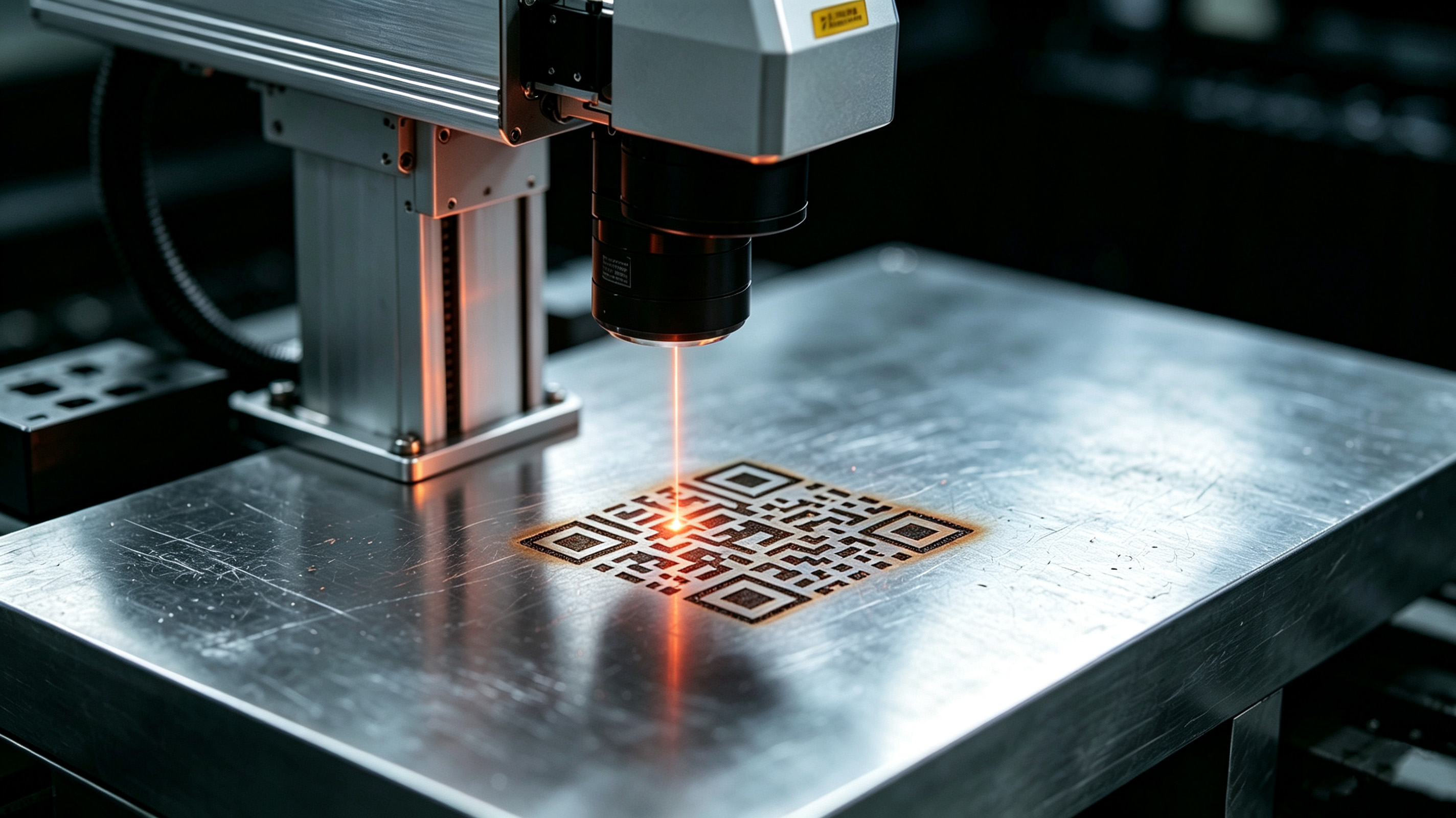
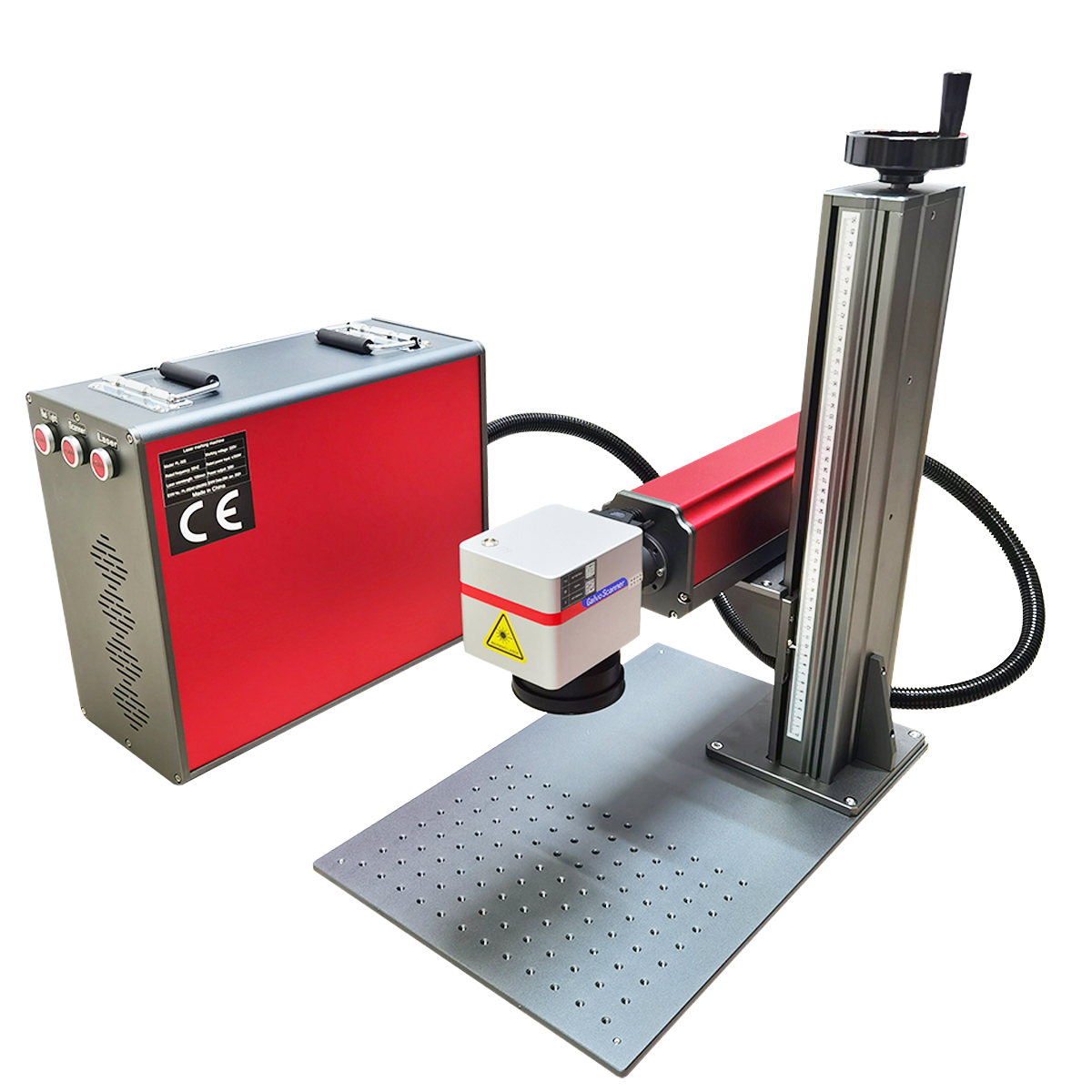
Laser marking is a versatile, permanent technology that uses a focused beam of light to create high-contrast marks on the surface of various materials. Unlike traditional methods such as inkjet printing or mechanical engraving, laser marking is a non-contact process that delivers exceptional precision, durability, and efficiency. It is widely used for part identification, traceability, branding, and compliance across numerous industries.
How Does the Laser Marking Process Work?
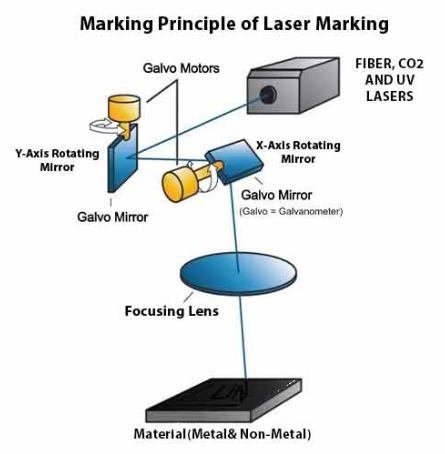
The laser marking process involves using light energy to alter the surface properties of a material, creating a visible mark without compromising its integrity. Here’s how it works:
1. Beam Generation: A laser resonator generates a concentrated light beam using a specific gain medium (e.g., fiber or CO₂ gas).
2. Beam Focusing: Mirrors or fiber optics direct this beam to a lens, which focuses it onto a tiny spot on the material’s surface with extreme precision.
3. Material Interaction: The energy from the laser interacts with the material, causing a chemical or physical change. Depending on the material and laser settings, this can result in color change (annealing), foaming, engraving, or ablation.
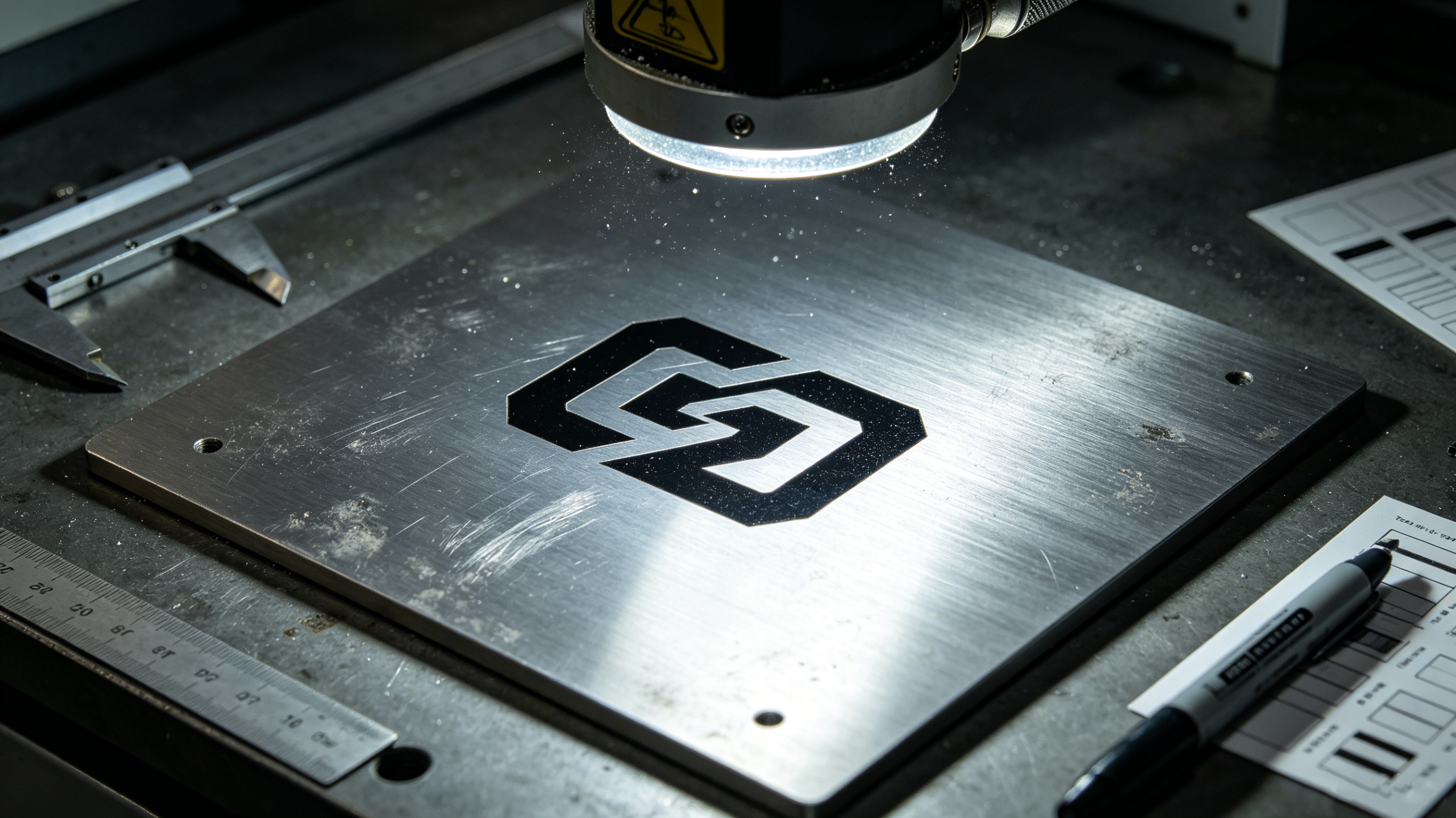
4. Mark Formation: The controlled alteration creates a high-contrast, permanent mark such as text, a barcode, QR code, logo, or serial number.
How to Use a Laser Marking Machine
Using a laser marking machine is a streamlined process:
-
Design Preparation: Create or import the desired mark (text, code, image) into the machine’s software.
-
Parameter Setup: Select the appropriate settings based on the material. Key parameters include laser power, speed, frequency, and pulse duration.
-
Material Positioning: Secure the workpiece under the laser head, ensuring proper alignment using the machine’s guidance system (e.g., red pointer or camera vision).
-
Marking Execution: Initiate the process via the software interface. The laser beam then follows the programmed path to create the mark.
-
Result Inspection: Verify the mark’s quality and readability to ensure it meets specifications.
Youtube Guiding Video //youtube.com/shorts/YBwZ3lv0oKE?si=TkRoBD-qXsFQxCLU
Types of Laser Marking: Fiber vs. CO₂ Lasers

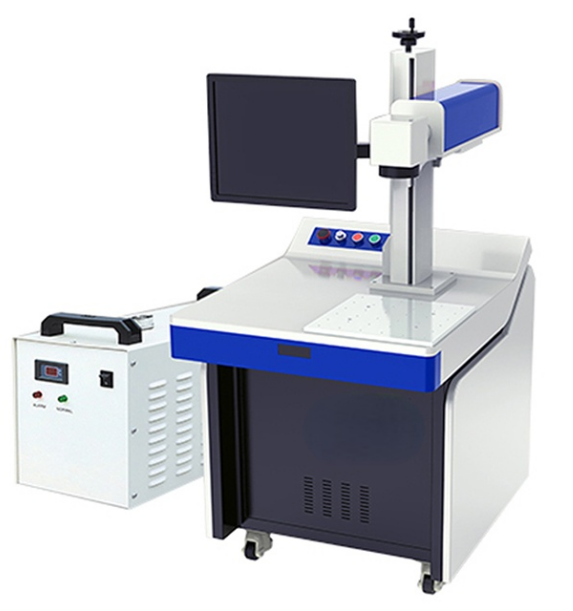
The two most common industrial laser marking technologies are Fiber lasers and CO₂ lasers, each with distinct characteristics and ideal applications.
| Feature | Fiber Laser | CO₂ Laser |
|---|---|---|
| Laser Source | Solid-state (fiber optic cable doped with rare-earth elements) | Gas (carbon dioxide mixture) |
| Wavelength | 1,064 nm (near-infrared) | 10,640 nm (far-infrared) |
| Best For | Metals (steel, aluminum, brass), engineered plastics, ceramics | Organic materials (wood, leather, glass), plastics, paper, fabrics |
| Marking Effect | Deep engraving, annealing, foaming | Surface engraving, coloration, ablation |
| Speed & Power | High speed and high power efficiency for metals | Effective for non-metallic materials |
Key Difference: The core difference lies in their wavelength.
Fiber lasers have a shorter wavelength that is highly absorbed by metals, making them the superior choice for most metal marking applications.
CO₂ lasers have a longer wavelength that is better absorbed by non-metallic materials, making them ideal for organic surfaces and plastics.
Compatible Materials and Industrial Applications
Compatible Materials:
-
Fiber Lasers: Stainless steel, aluminum, anodized aluminum, brass, copper, titanium, lead-free cables, and some plastics.
-
CO₂ Lasers: Wood, acrylic, glass, laminated plastics, rubber, stone, paper, cardboard, fabrics, and leather.
Key Industrial Applications:
-
Medical Device Manufacturing: Marking surgical instruments, implants, and equipment with Unique Device Identification (UDI) codes for traceability and compliance. Fiber lasers are preferred for their precision and biocompatibility.
-
Automotive & Aerospace: Creating permanent VIN numbers, part codes, and barcodes on components for tracking and warranty purposes. Fiber lasers excel on metal engine parts, chassis components, and electronics.
-
Electronics: Marking PCBs, microchips, and connectors with serial numbers, logos, and QR codes. Ultra-fast fiber lasers can mark without damaging heat-sensitive components.
-
Consumer Goods: Adding brand logos, serial numbers, and decorative designs to appliances, tools, jewelry, and packaging. Both Fiber and CO₂ lasers are used, depending on the material.
-
Food & Beverage Packaging: Using CO₂ lasers to mark expiration dates, batch codes, and logos on plastic, glass, and cardboard packaging without using inks.


Electronic Components Mechanical Parts Instrument


Hardware Tools Automobile Parts Daily Necessities
Why Choose Laser Marking?
Laser marking offers unparalleled advantages:
-
Permanence: Marks are resistant to fading, wear, heat, and chemicals.
-
High Precision: Achieves extremely fine details and small feature sizes, even on delicate parts.
-
Non-Contact Process: Eliminates tool wear and prevents damage to the workpiece.
-
Environmentally Friendly: Does not require inks, solvents, or other consumables, reducing waste and operational costs.
-
Automation-Friendly: Easily integrated into production lines for high-speed, automated marking.
Laser marking is an indispensable technology for modern manufacturing, providing a reliable and efficient solution for permanent identification and branding.
Key Words: #laser marking #fiber Laser Marking Machine #CO2 UV Marking Machine
Laser Engraver Safety: A Complete Guide to Risks and Safe Operation
Top Laser Engraving Machine Manufacturers in China
Related Article