Does Laser Rust Removal Really Work?
Laser rust removal removes rust, but it cannot repair metal that has already been eaten away. That single fact explains most of the confusion around this technology. If you expect a laser to rebuild pitted steel, you'll be disappointed. If you need to strip rust without damaging the base metal, laser rust removal absolutely works. This guide explains where it shines, where it falls short, and why some people say laser rust removal not working.
1. Is Laser Rust Removal Effective? Yes and No
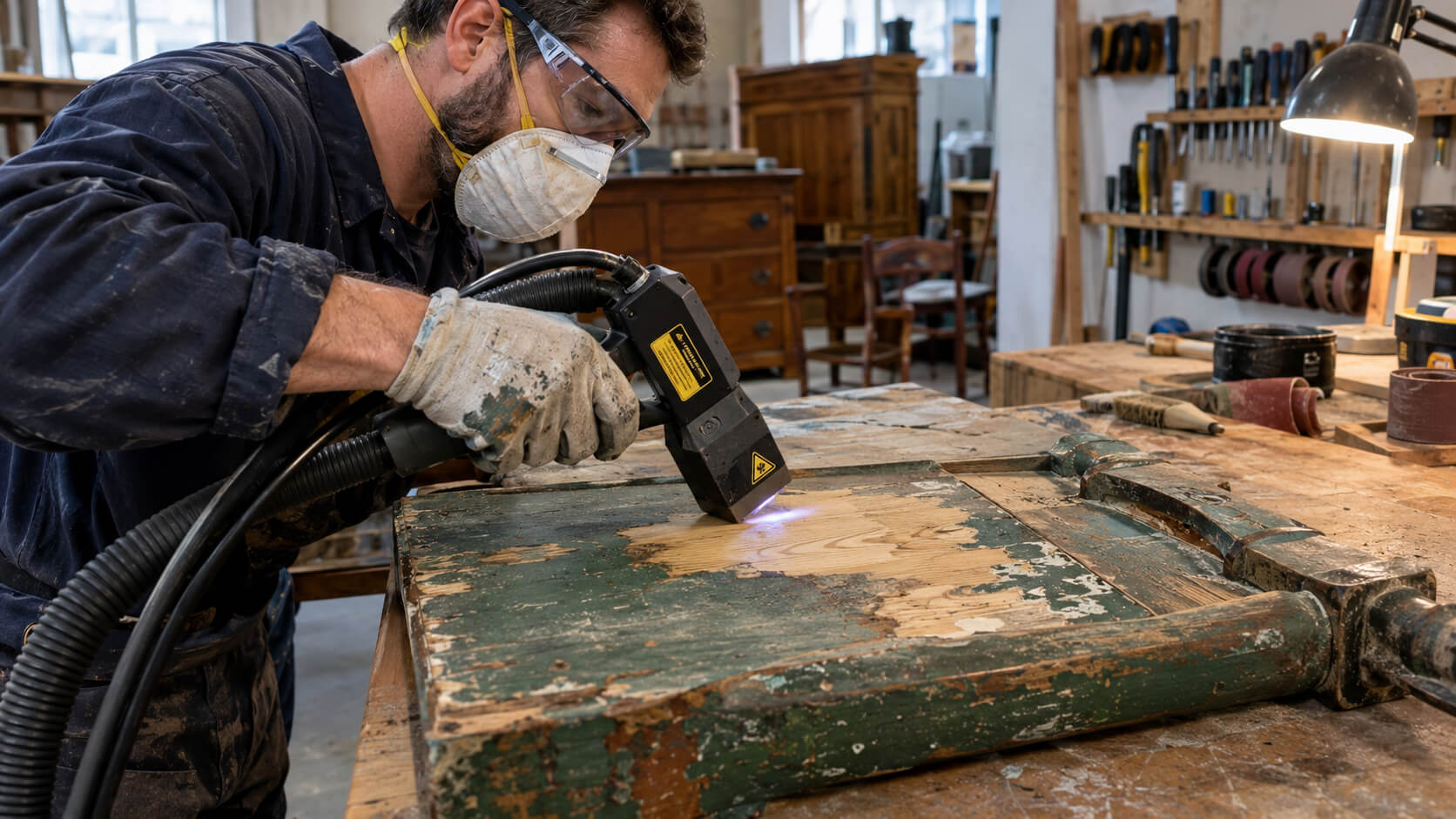
Where it works: Laser rust removal removes surface rust, mill scale, oxide, paint, and grease from steel, stainless, aluminum, and more. It leaves the base metal intact, creates no chemical waste, and works without abrasives. For weld prep, coating prep, and restoration, it's excellent.
Where it's less ideal: It cannot restore lost thickness. Deep pitting remains visible after cleaning. On very thick rust, it can be slower than blasting. And cheap low-power machines often disappoint, which is why people search laser rust removal not working.
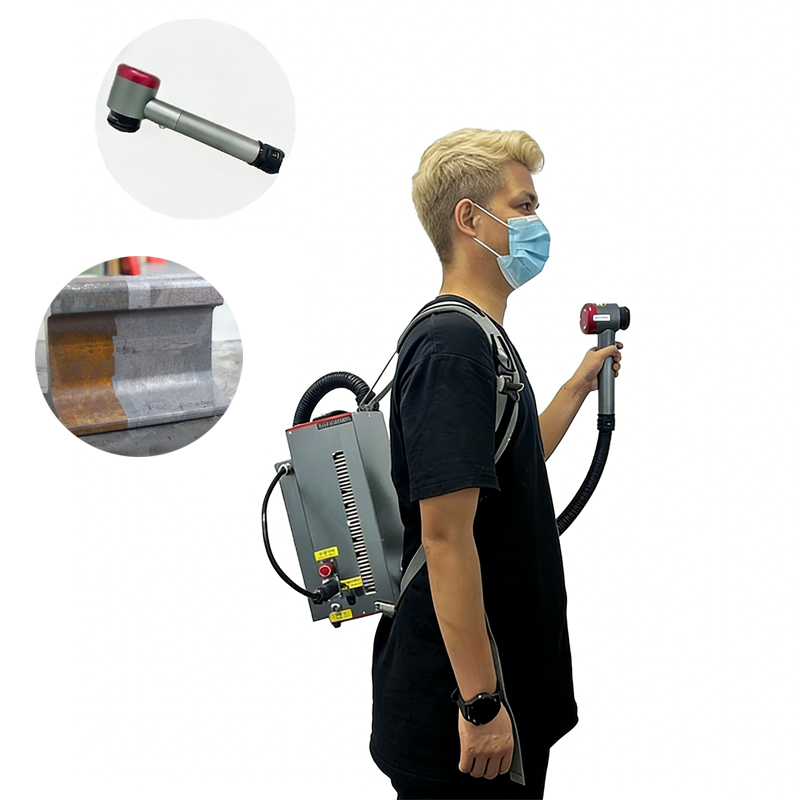
2. Are Those Viral Laser Rust Removal Videos Real?
Mostly yes, but they're edited for speed. The rust really does vanish. What the videos don't show: correct parameter setup, multiple passes on thick rust, safety gear, and proper fume extraction. So does laser rust removal work like the videos? On light surface rust, close. On heavy scale, it takes more time and power.
3. How Does Laser Rust Removal Work?
-
Laser hits the rust layer. Rust absorbs the laser energy far better than clean metal.
-
Rust breaks down and vaporizes. The energy heats the rust instantly, turning it into gas and fine dust.
-
Clean metal reflects the beam. Once the rust is gone, the metal reflects the laser and stays cool.
That selective absorption is why laser rust removal protects the substrate.
4. Where Laser Rust Removal Beats Other Methods
It's non-contact, so no gouging or thinning. It needs no sand, chemicals, or grinding discs. It produces minimal waste—just captured dust. It works in tight spaces and on equipment that can't be moved. And it's precise enough for aerospace, automotive, and food-processing equipment.
5. Can You Remove Rust Without Disassembling Equipment?
Yes. A handheld laser can clean rust in place—on frames, pipes, tanks, and machinery. Does laser rust removal work without disassembly? Yes, and that saves hours of downtime and reassembly costs. That's a major reason maintenance teams adopt it.
6. The Shortcomings of Laser Rust Removal
High upfront cost. Slower on heavy, thick rust. Cannot fix pitting or restore lost metal. Reflective metals like copper need careful settings. And it requires safety glasses, fume extraction, and training. Laser rust removal not working complaints usually trace back to wrong expectations or underpowered machines.
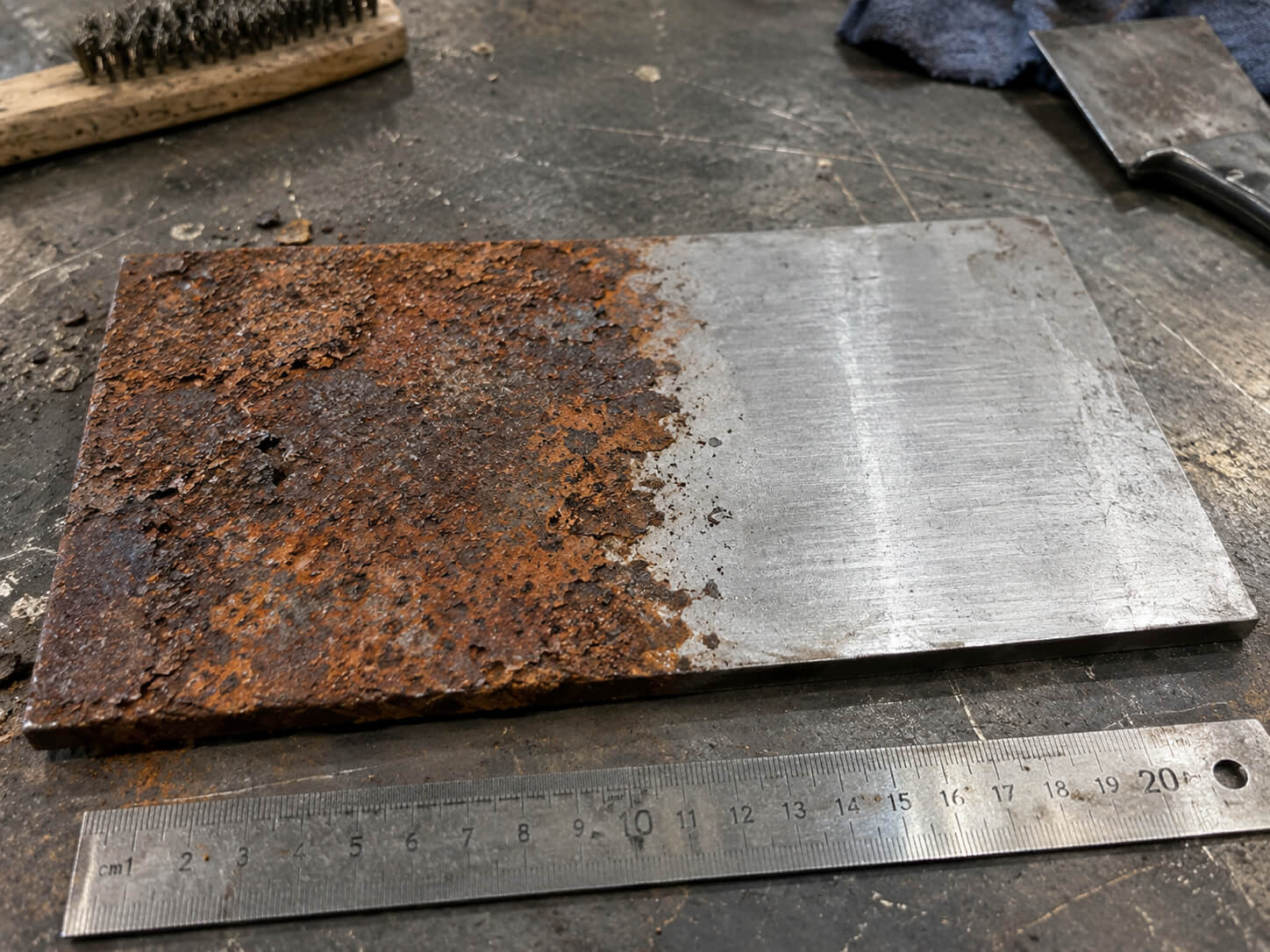
7. Why Some People Say Laser Rust Removal "Doesn't Work"
Three common reasons: they bought a 100W unit for thick industrial rust; they expected cosmetic metal repair; or they used wrong settings. Laser rust removal not working is usually a setup problem, not a technology problem. Does laser rust removal work on pitted, heavily corroded parts? It cleans the rust, but the pits remain. That's not a failure—it's physics.
8. Laser vs. Sandblasting, Chemical, and Grinding
| Factor | Laser | Sandblasting | Chemical | Grinding |
|---|---|---|---|---|
| Base damage | None | Can warp/thin | Can etch | Scratches |
| Consumables | None | Media | Chemicals | Discs |
| Precision | Very high | Low | Medium | Low |
| Speed | Fast on light rust | Fast on heavy rust | Slow | Slow |
| Upfront cost | High | Medium | Low | Low |
Laser rust removal wins on precision and waste. Blasting wins on raw speed for thick rust. Chemicals are cheapest upfront but costly to dispose of.
9. Types of Laser Rust Removal Machines
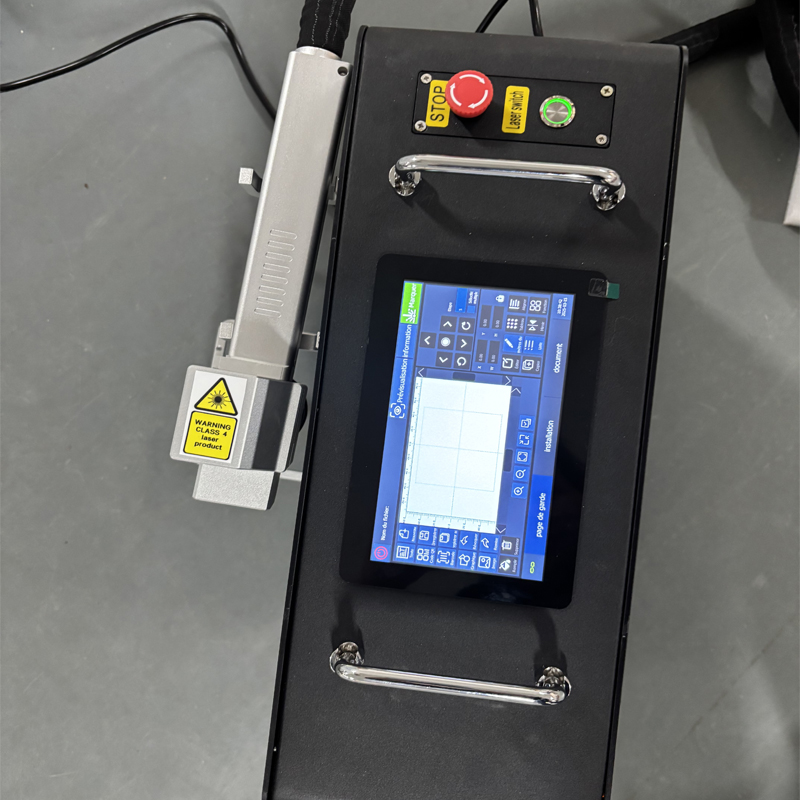
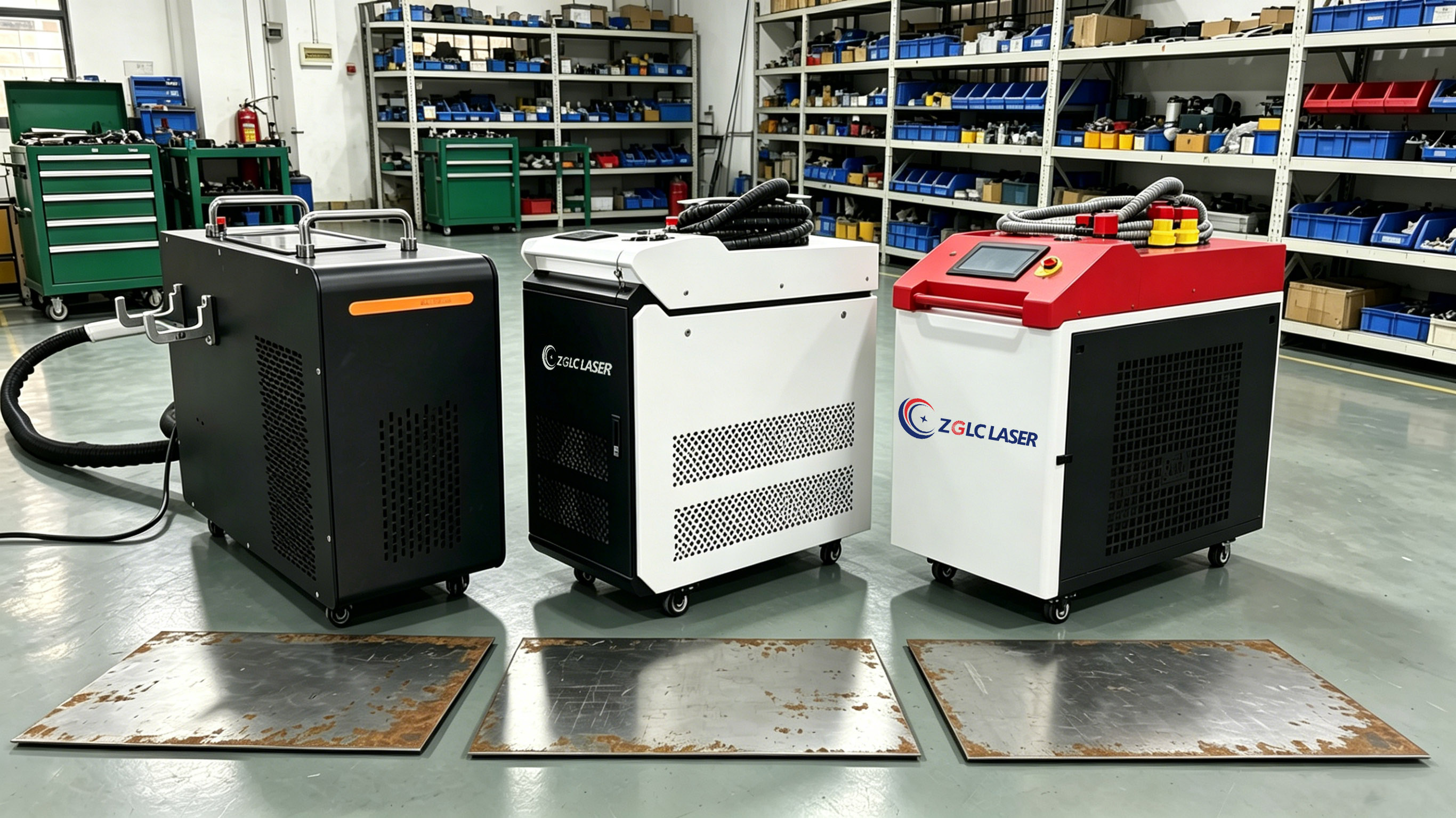
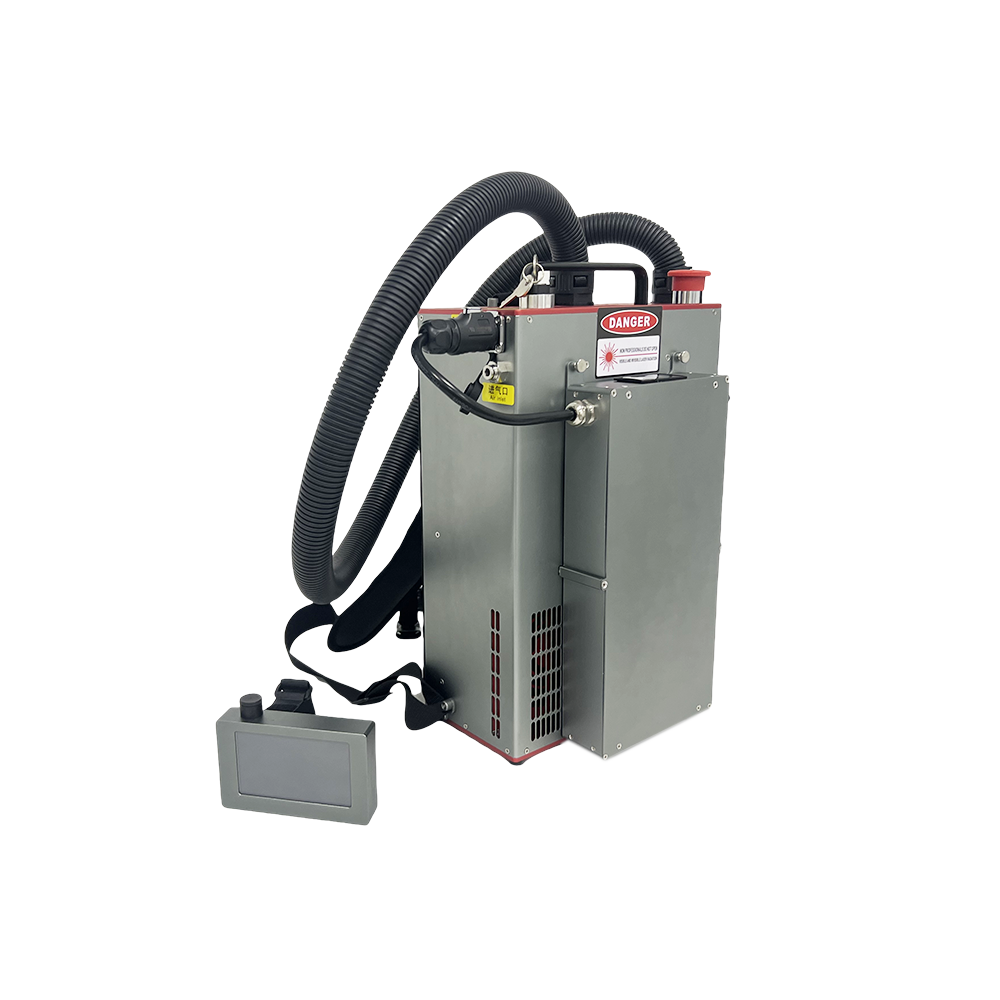
Pulsed lasers are best for thin metals, precision parts, and heat-sensitive surfaces. Continuous wave (CW) lasers are faster on heavy rust and large steel structures. Handheld units are portable and ideal for field work. Automated systems suit production lines and repeated parts. Match the type to your job—not the other way around.
10. FAQ
Q: Is laser rust removal safe? Will it damage metal?
A: Yes, when used correctly. The laser removes rust without damaging the base metal.
Q: Which metals can be laser cleaned?
A: Steel, stainless, aluminum, cast iron, brass, copper, and titanium.
Q: Will it damage the metal?
A: No—if settings are correct. Too much power can discolor or melt thin parts.
Q: Can it remove rust from pits?
A: It removes rust inside pits, but it cannot fill the pits. The metal loss remains.
Q: Will rust come back?
A: Yes, if the metal is exposed to moisture. Apply a coating after cleaning.
Q: Is it worth it for a small business?
A: Yes, if you do regular restoration or weld prep. Otherwise, hire a service.
Q: Does laser rust removal work on thick rust?
A: Yes, but it may need multiple passes or a higher-power CW laser.
Q: Why is laser rust removal not working on my machine?
A: Check power, focus, speed, and whether your laser is rated for the rust thickness.
Q: Can it clean without disassembly?
A: Yes. Handheld lasers clean equipment in place.
Q: Is laser rust removal better than sandblasting?
A: For precision and waste, yes. For raw speed on thick rust, blasting still competes.
Ready to test laser rust removal on your own parts? Contact ZGLC Laser for a free sample cleaning.
Related Article