How Laser Cleaning Works (5 Simple Steps)
Traditional industrial cleaning methods – sandblasting, chemical baths, or manual grinding – come with heavy baggage. They create mountains of waste, use toxic consumables, damage the underlying material, and put workers at risk. There’s a better way. Laser cleaning replaces all that mess with a focused beam of light. But how does it actually work? Let’s break down the physics into five easy‑to‑understand steps.
1. Every Material Has an Ablation Threshold
At the heart of laser cleaning is a simple fact: every material, from rust to paint to oxide, has an ablation threshold. That’s the exact energy density needed to turn it from solid into vapor. Below that threshold, nothing happens. Above it, the material instantly vaporizes or turns into fine dust.
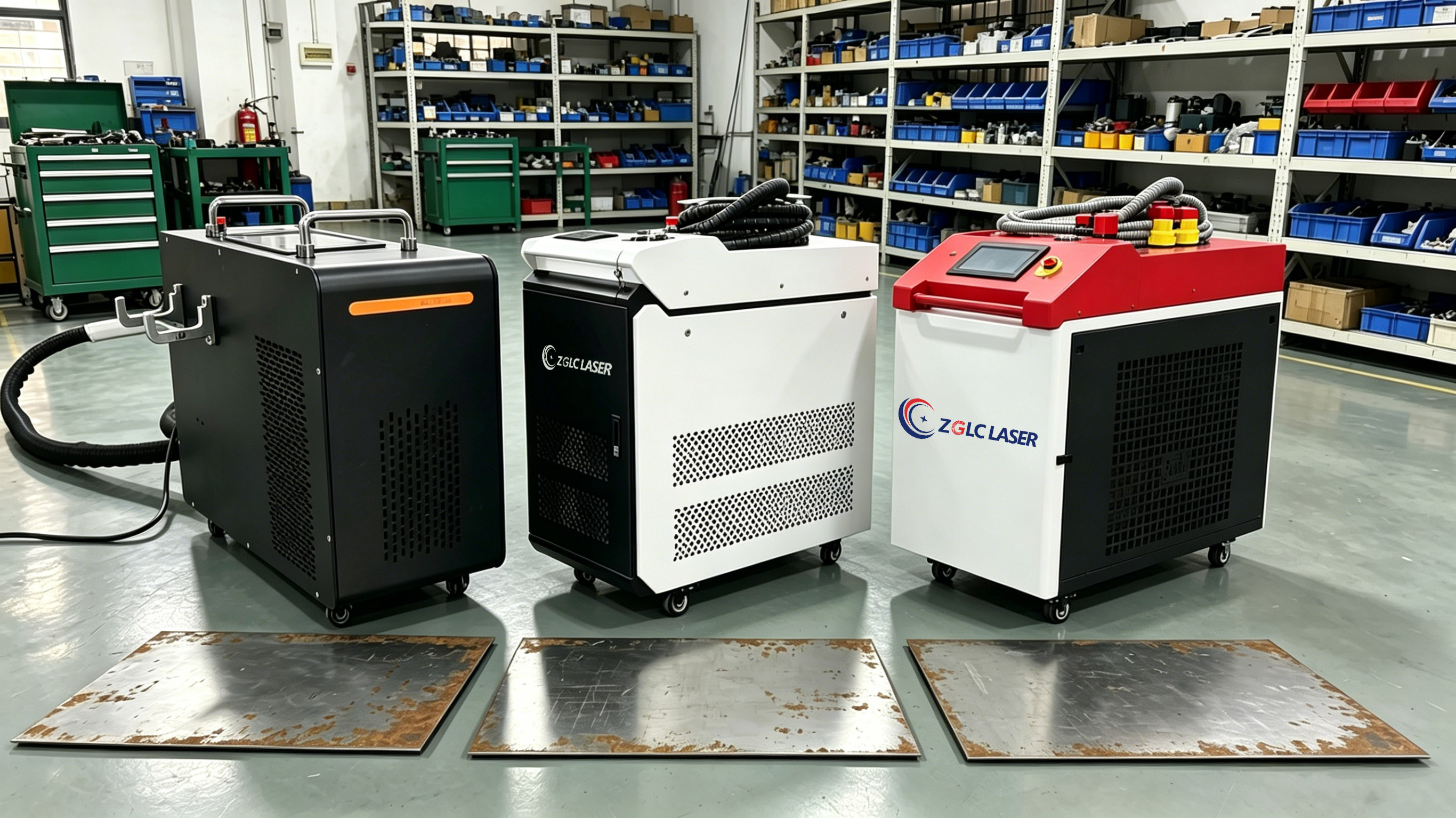
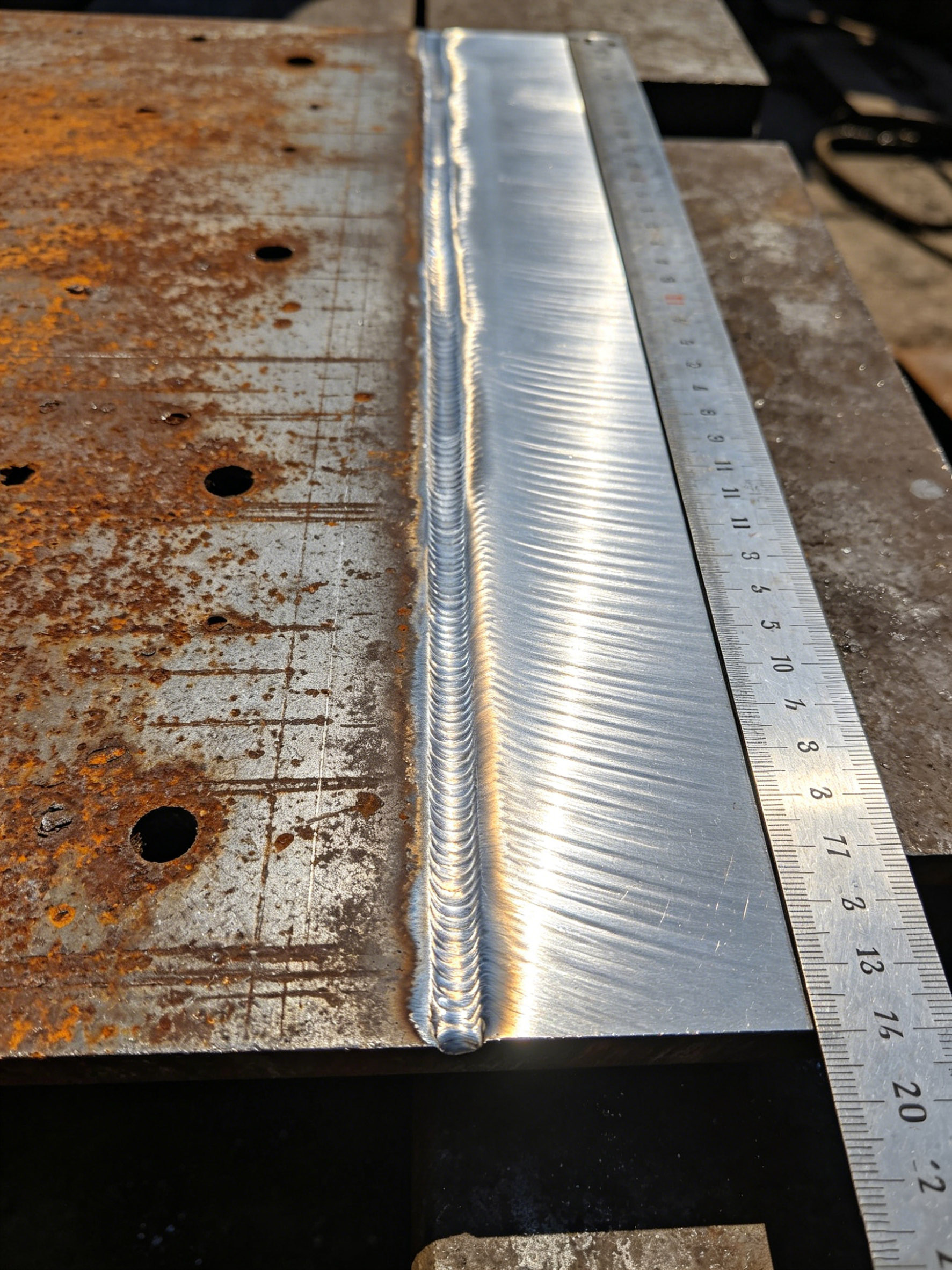
Take laser rust removal on steel as an example. Rust (iron oxide) has a much lower ablation threshold than the underlying steel. The operator sets the laser’s energy just high enough to blast away the rust but too low to harm the metal. This selective destruction is what makes laser cleaning so precise. You can think of it like tuning a radio station: find the right frequency (energy level) and only the unwanted layer disappears.
2. Selective Removal of the Unwanted Layer
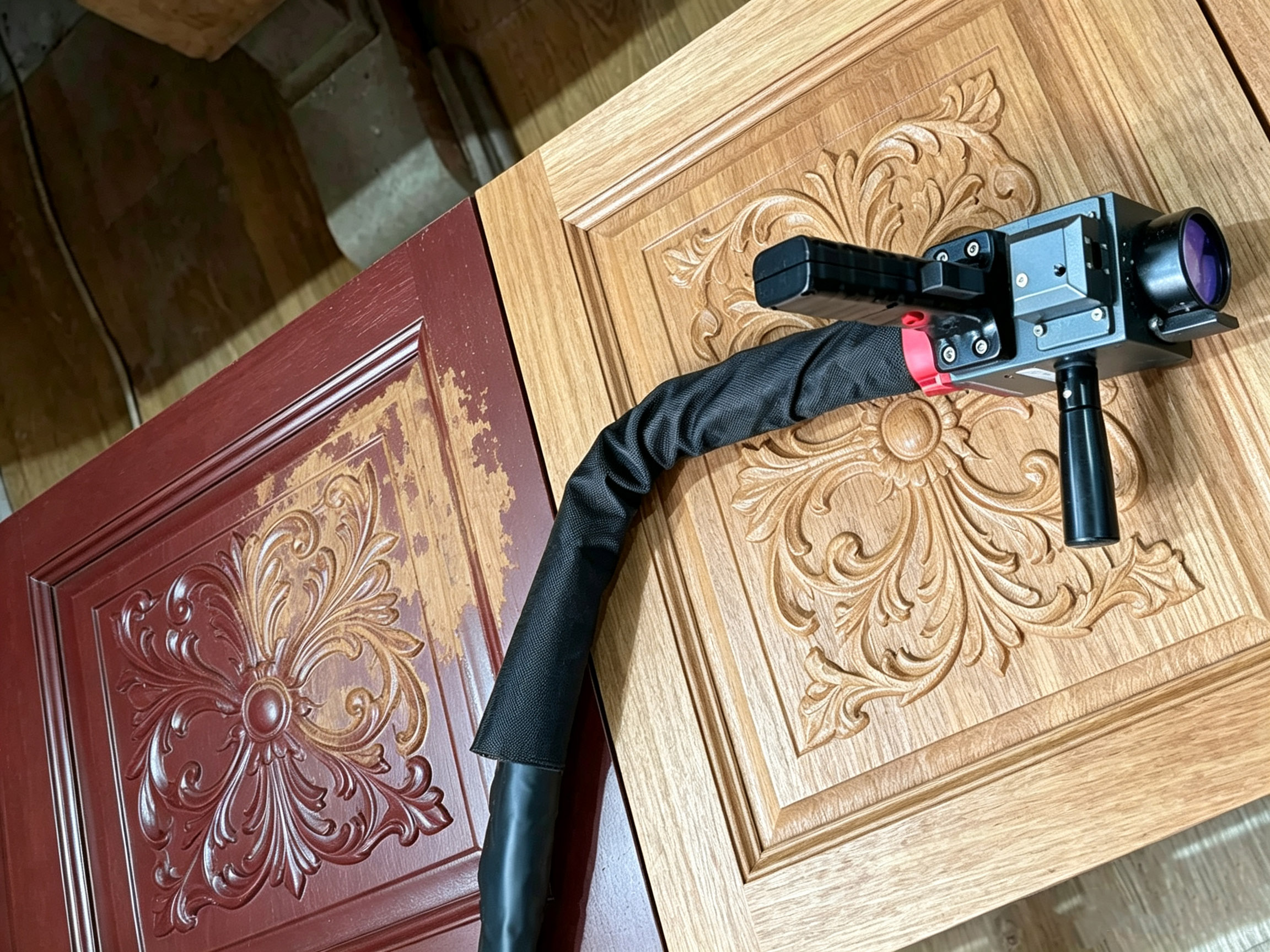
Because each material has its own threshold, laser cleaning can be highly selective. A laser pulse that vaporizes red paint might leave the white primer untouched. A setting that removes thin oxide layers won’t scratch the polished aluminum beneath. This selectivity is impossible with sandblasting or grinding, where you always remove some of the base material.
In laser rust removal, the operator chooses a wavelength and pulse energy that rust absorbs readily but clean steel reflects. The rust heats up and explodes into dust, while the metal surface stays cool. That’s why laser cleaning is used on delicate aerospace parts, historical monuments, and even antique books – it cleans without changing the original surface.
3. Short, Powerful Bursts Mean Fast Removal
Laser cleaning isn’t just gentle; it’s also incredibly fast. A typical laser rust remover fires thousands of pulses per second, each lasting only nanoseconds or picoseconds. That short burst delivers huge peak power – enough to vaporize contaminant instantly – but the energy doesn’t have time to spread into the base material.
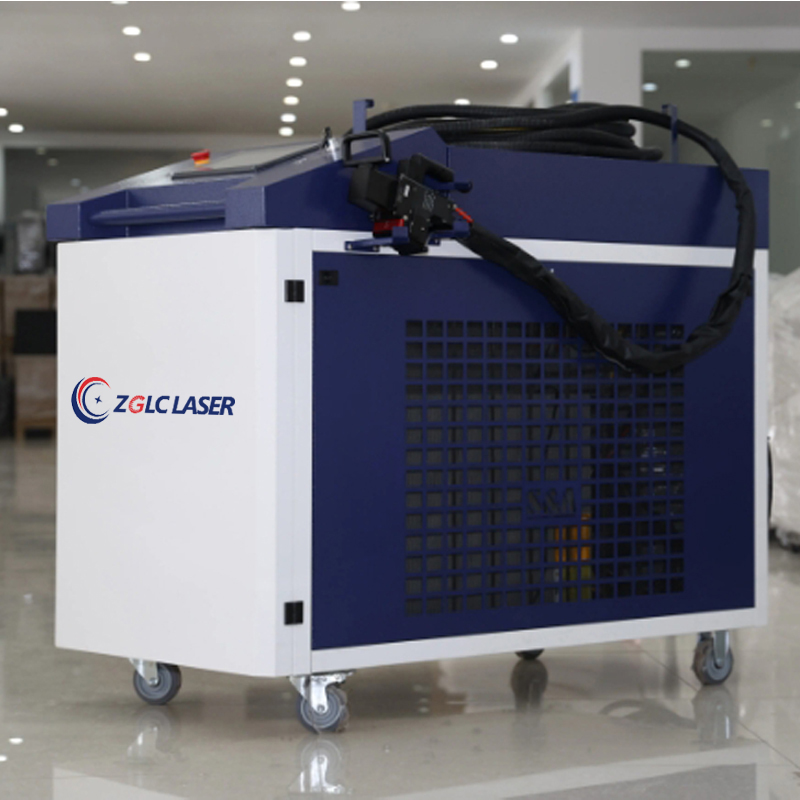
Because the removal happens in microscopic explosions, the process zips across large areas quickly. A handheld laser cleaning gun can strip rust from a square meter of steel plate in minutes, not hours. And because there’s no mechanical contact, you don’t waste time setting up dust barriers or changing worn‑out abrasives.
4. No Consumables and Environmentally Friendly
This is where laser cleaning really shines over traditional methods. Sandblasting needs tons of sand or glass beads that become hazardous waste. Chemical cleaning requires caustic solvents, neutralizers, and expensive disposal. Grinding uses abrasive wheels that wear out and create dust.
Laser cleaning needs only electricity. No sand, no chemicals, no grinding discs – nothing to buy again and again. The only byproduct is a small amount of fine dust, which is captured by an attached HEPA vacuum. The process produces no secondary toxic waste, no water runoff, and no silica dust that harms workers’ lungs. For companies facing strict environmental regulations, laser cleaning is the ultimate green solution.

5. Wide Industrial Importance
From shipyards to semiconductor fabs, laser cleaning is transforming maintenance and manufacturing. Laser rust removal keeps bridges, pipelines, and storage tanks corrosion‑free without shutting down operations. In aerospace, it strips old paint from fuselages without damaging the aluminium skin. In automotive, it cleans weld seams before bonding, ensuring strong joints. Even historic restoration uses laser cleaning to remove soot from stone cathedrals without chiseling away the original surface.
As laser sources become cheaper and portable, laser cleaning will replace more abrasive and chemical methods. The five steps above – ablation threshold, selectivity, fast bursts, zero consumables, and broad application – explain why this technology is no longer a lab curiosity. It’s a practical, money‑saving, planet‑saving workhorse.
Ready to bring laser cleaning to your shop floor? Contact ZGLC Laser for a demo and see how laser rust removal can cut your maintenance costs and waste.
Laser Cleaning for Titanium Alloy: Surface Quality and Mechanism
The Impact of Corrosive Environments on Bonded Joints of a Sports EV Chassis with Laser-Cleaned Surfaces
Related Article