Laser Cleaning vs. Sandblasting: Finding Your Best Fit
Choosing the right tool to strip rust, paint, or coating isn't just about cleaning—it's about productivity, cost, and safety. Two champions stand in the ring: traditional sandblasting and advanced laser cleaning. One is a trusted workhorse; the other is a high-tech newcomer. Which one deserves a spot on your shop floor? Let’s break it down.
1. Picking the Right Tool for the Job
Every industry has its own dirty work. An aerospace engineer needs to clean a turbine blade without changing its delicate structure. A shipyard crew needs to strip acres of hull rust before repainting. A historic restoration team must preserve century-old ironwork. The "best" method is the one that cleans effectively while protecting your bottom line and your workers.
2. What is Sandblasting?
Think of a powerful pressure washer, but instead of water, it fires abrasive media—like sand, glass beads, or steel grit—at high speed to scour a surface clean.
a. The Upsides of Sandblasting:
-
Proven Power: It’s tough, fast, and effective on thick rust and heavy coatings.
-
Lower Upfront Cost: The initial investment for a basic sandblasting setup is often less than a laser system.
-
Simple Concept: The technology is straightforward and widely understood.
b. The Downsides of Sandblasting:
-
Mess and Media: It generates enormous amounts of spent abrasive and debris. Cleanup is a major, costly chore.
-
Hidden Damage: The abrasive impact can etch or warp softer substrates like aluminum.
-
Health Hazard: It creates dense, toxic dust clouds containing heavy metals and silicates, requiring extensive protective gear and containment.
3. What is Laser Cleaning?
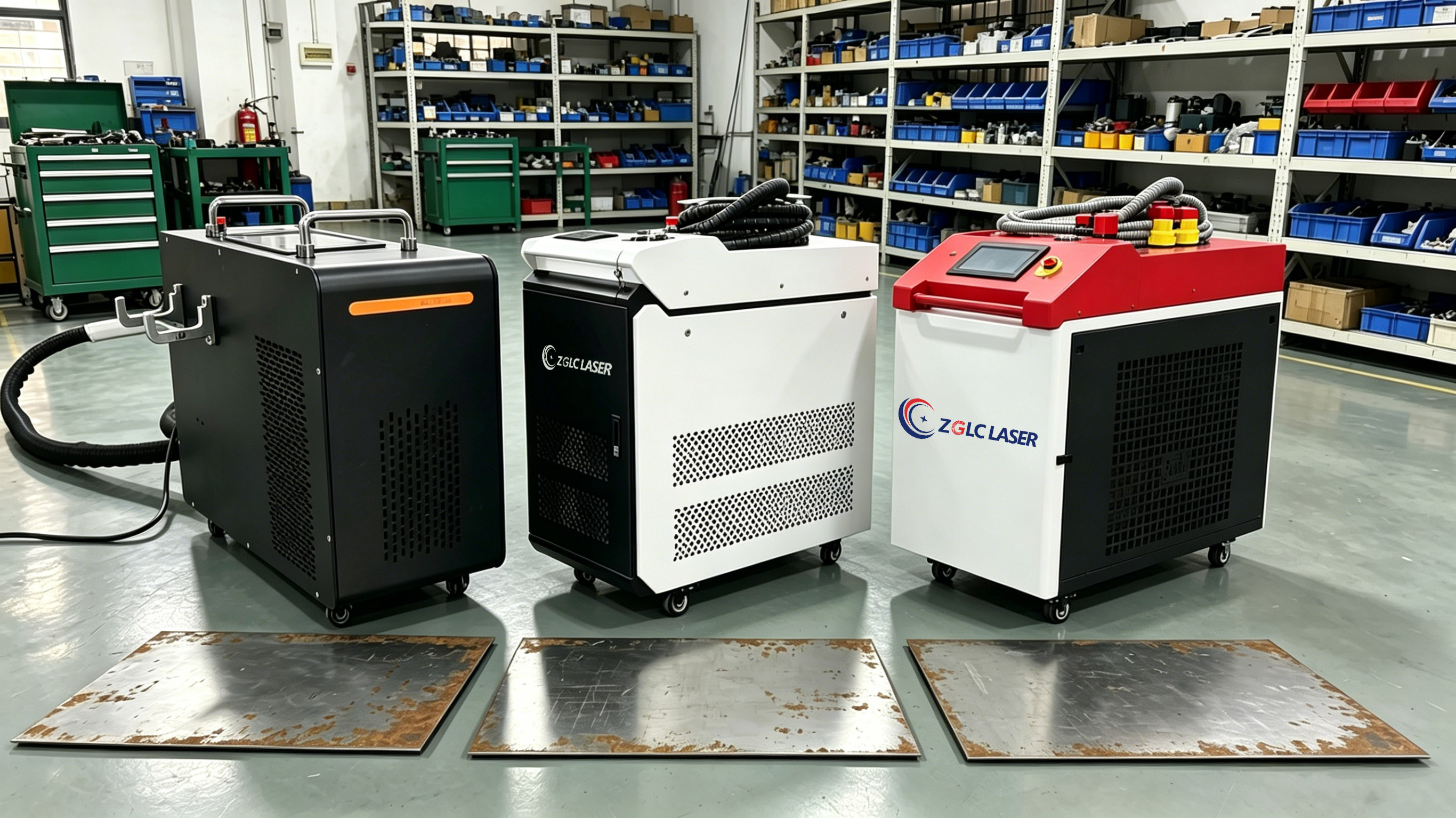
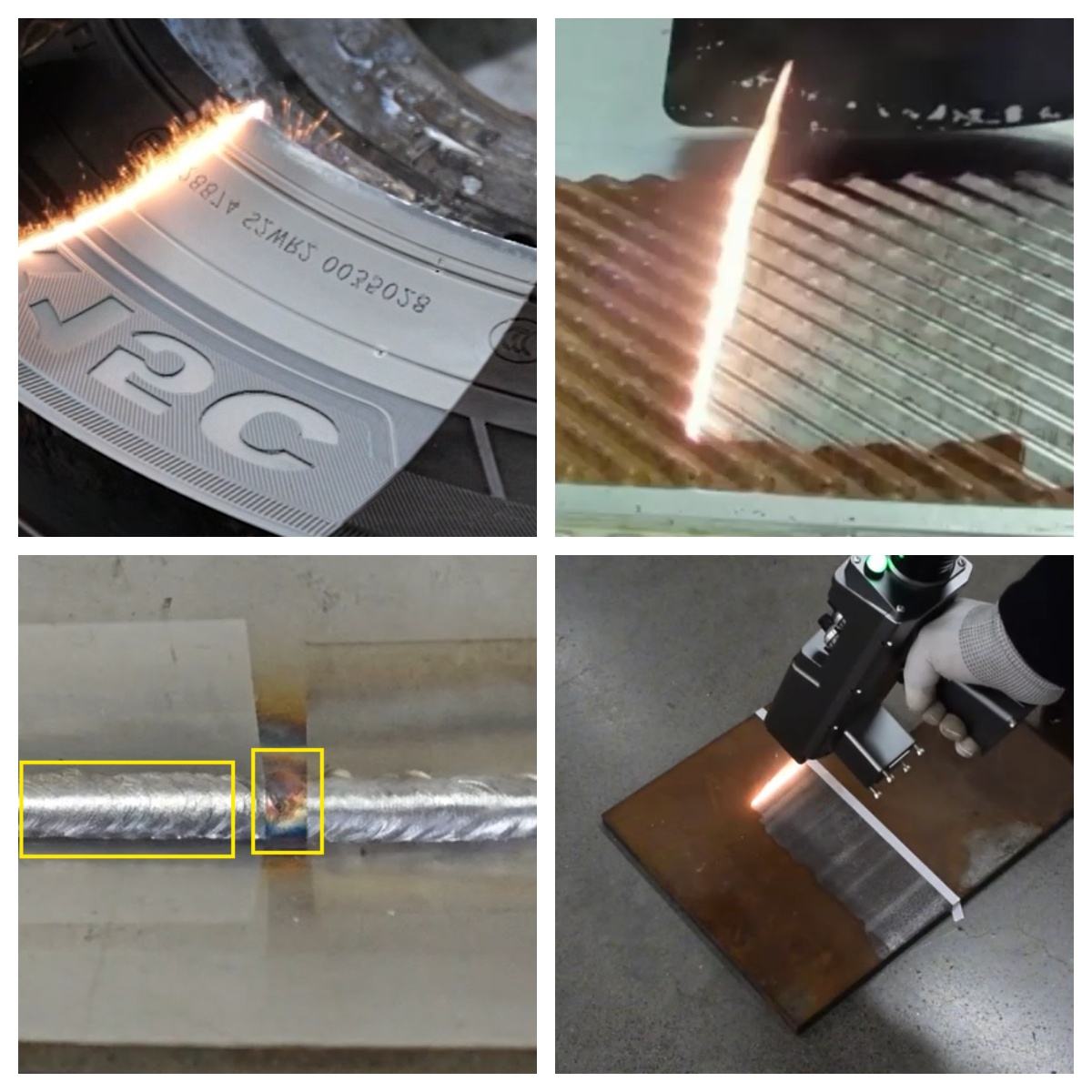
Imagine a high-tech "light scalpel." Laser cleaning uses short, powerful pulses of focused light. When the beam hits a contaminant, the material instantly vaporizes or turns to dust, leaving the base metal untouched.
a. The Advantages of Laser Cleaning:
-
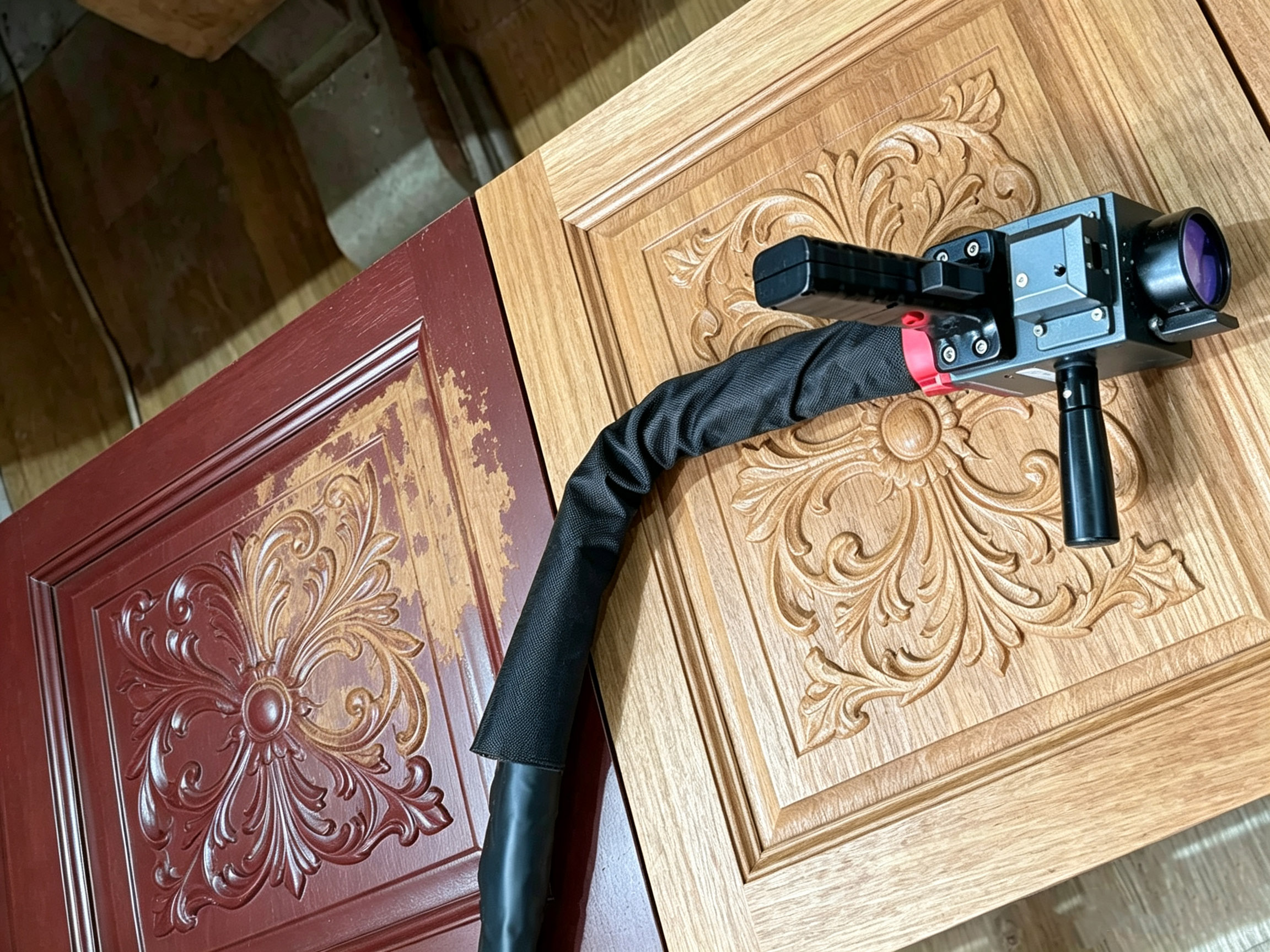
Surgical Precision: It removes only the unwanted layer, preserving the underlying material. There's no mechanical wear.
-
Dry and Clean: The process creates minimal waste—mostly fine dust that's easily captured by a vacuum.
-
Digitally Controlled: Operators have precise control over power and speed, enabling automation and perfect repeatability.
b. The Limitations of Laser Cleaning:
-
Higher Initial Investment: The upfront cost for a good laser cleaning system is significant.
-
Not a "Magic Eraser": It cleans line-by-line, so stripping a massive, simple surface can be slower than broad sandblasting.
-
Operator Knowledge: Requires training to understand settings and safety for different materials.
4. Head-to-Head: A Quick Comparison
| Factor | Sandblasting | Laser Cleaning |
|---|---|---|
| Cleaning Media | Abrasive grit (sand, beads) | Light (no consumable media) |
| Secondary Waste | High: Spent media + removed coating | Very Low: Mostly captured dust |
| Surface Impact | Can cause etching and dimensional change | Non-abrasive; preserves substrate |
| Process | Wet, messy, requires containment | Dry, clean, can be highly automated |
| Environmental Impact | High dust, media disposal issues | Minimal waste, no chemicals |
| Operational Cost | Ongoing media purchase, disposal, cleanup | Higher power use, low consumables |
5. How to Choose for Your Industry
-
Heavy Industry & Shipbuilding: For stripping vast, thick rust from steel plates, high-throughput sandblasting cabins are still king for raw speed.
-
Aerospace, Automotive, Precision Manufacturing: For cleaning molds, welds, or sensitive components without damage, laser cleaning is the superior choice. It's also perfect for maintenance in tight spaces.
-
Historic Restoration & Nuclear Decommissioning: Where contamination control and substrate preservation are critical, laser cleaning is often the only viable option.
6. The Clearer, Safer Alternative
While sandblasting gets the job done, laser cleaning represents the cleaner, safer future. It eliminates the toxic dust clouds, mountains of spent abrasive, and the risk of damaging valuable parts. For industries moving towards greener, more automated practices, the laser is the clear path forward.
7. Why Laser Surface Treatment Wins
The benefits of laser cleaning go beyond just removing rust. It’s a precise surface treatment that prepares metal for welding, coating, or inspection better than any abrasive method. It improves worker conditions, reduces environmental liability, and, despite the higher initial price, often proves cheaper in the long run by slashing waste disposal, media costs, and rework. Investing in laser cleaning isn't just buying a tool—it's upgrading your entire surface treatment process.
Is Your Laser Rust Remover a Tool or a Toy? A Buyer's Guide
Why We Need Do Industrial Aluminum Cleaning Before Welding?
Related Article