Laser Rust Removal on Structural Steel: A Before‑and‑After Case Study
Why does structural steel cleaning matter? Bridges, storage tanks, offshore platforms, and factory frames all suffer from corrosion. Rust not only weakens the steel but also hides cracks, makes inspections unreliable, and shortens asset life. Traditional cleaning methods like sandblasting or grinding create dust, damage the base metal, and require long shutdowns. Industrial laser cleaning offers a better way. This case study walks through a real structural steel cleaning project – from rusty, failing surface to clean, inspectable metal.
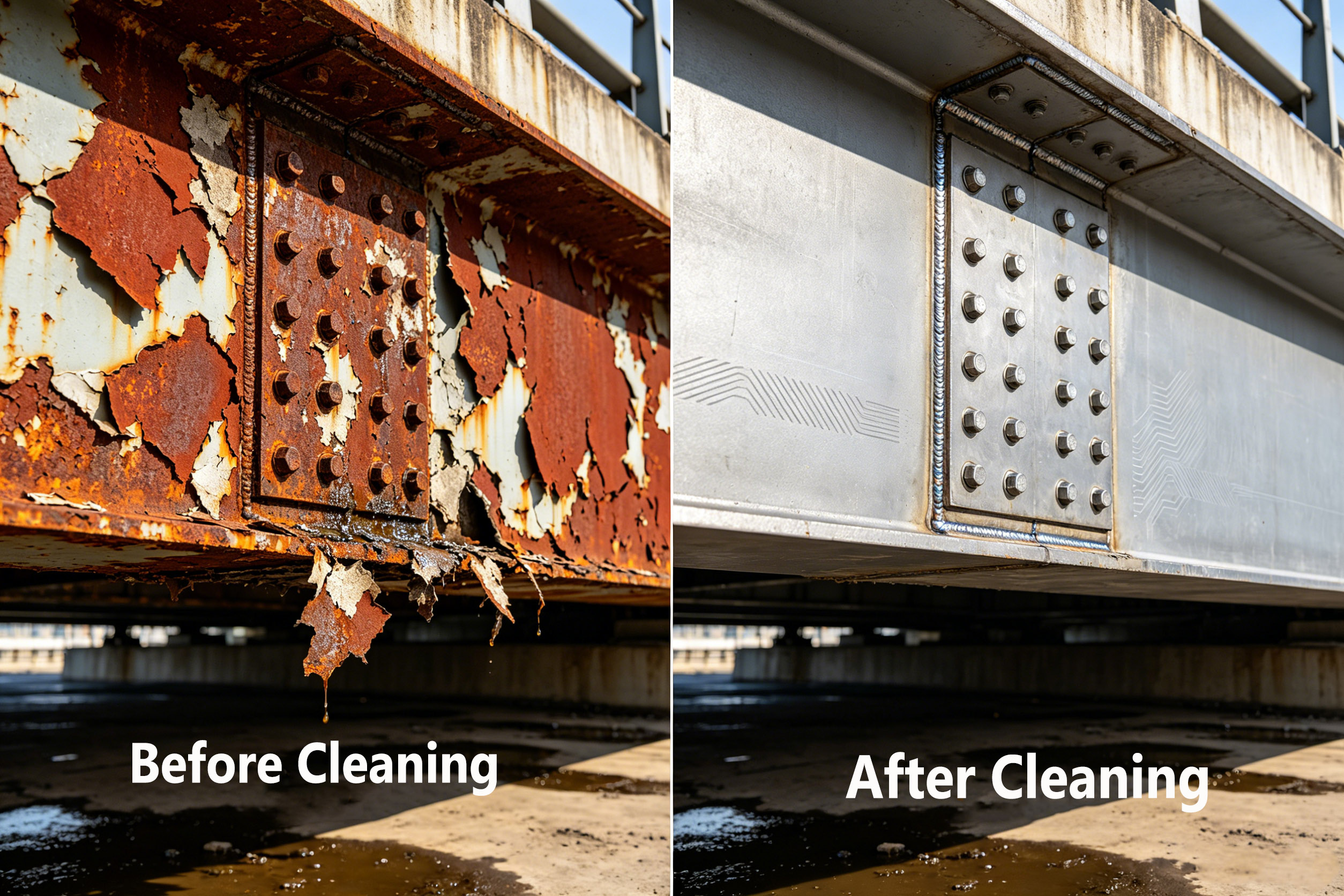
1. Before Laser Cleaning: The Grim Picture
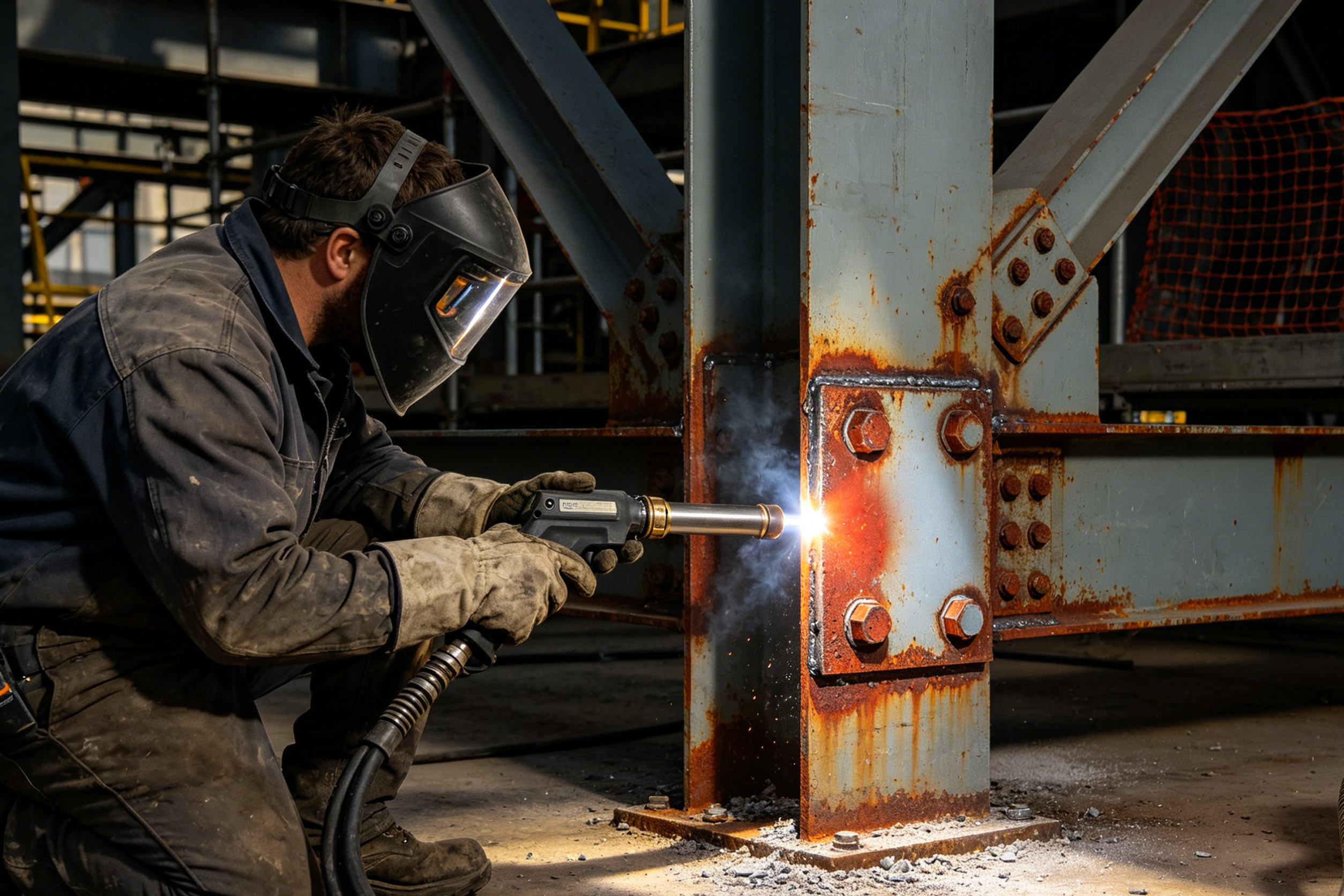
Before intervention, the steel structure showed five clear problems:
-
Widespread surface rust and oxidation – red‑brown corrosion covered most of the beam.
-
Flaking corrosion around bolted connections – the worst spots where moisture pooled.
-
Coating failure in high‑humidity areas – paint was blistering and peeling.
-
Reduced inspection visibility – inspectors couldn’t see fine cracks under the rust.
-
Concern over long‑term asset life – the owner worried about structural integrity.
Traditional sandblasting would have created a huge mess, required containment, and risked thinning the steel. That’s why they called for laser rust removal.
2. Why Choose Laser Cleaning for Structural Steel?
The project team picked industrial laser cleaning for five solid reasons:
-
No abrasive media needed – the laser works with light only.
-
Minimal secondary waste – just a small amount of dust, captured by vacuum.
-
Precise rust removal without thinning steel – the beam stops at the contaminant.
-
Reduced setup and cleanup time – no tarps, no media hauling.
-
Safe for indoor use – the system has built‑in fume extraction.
Laser rust removal met all their requirements: fast, clean, and safe for the surrounding workspace.
3. The Laser Cleaning Process
A technician used a handheld industrial laser cleaning gun. The settings were calibrated to target iron oxide while leaving the base steel untouched. The laser scanned back and forth over the rusty areas. Each pulse vaporized a thin layer of corrosion. An attached vacuum captured the fine dust instantly. The beam moved at about 0.5 square meters per minute – fast enough for the job, slow enough for perfect results.
4. After Laser Cleaning: The Transformation
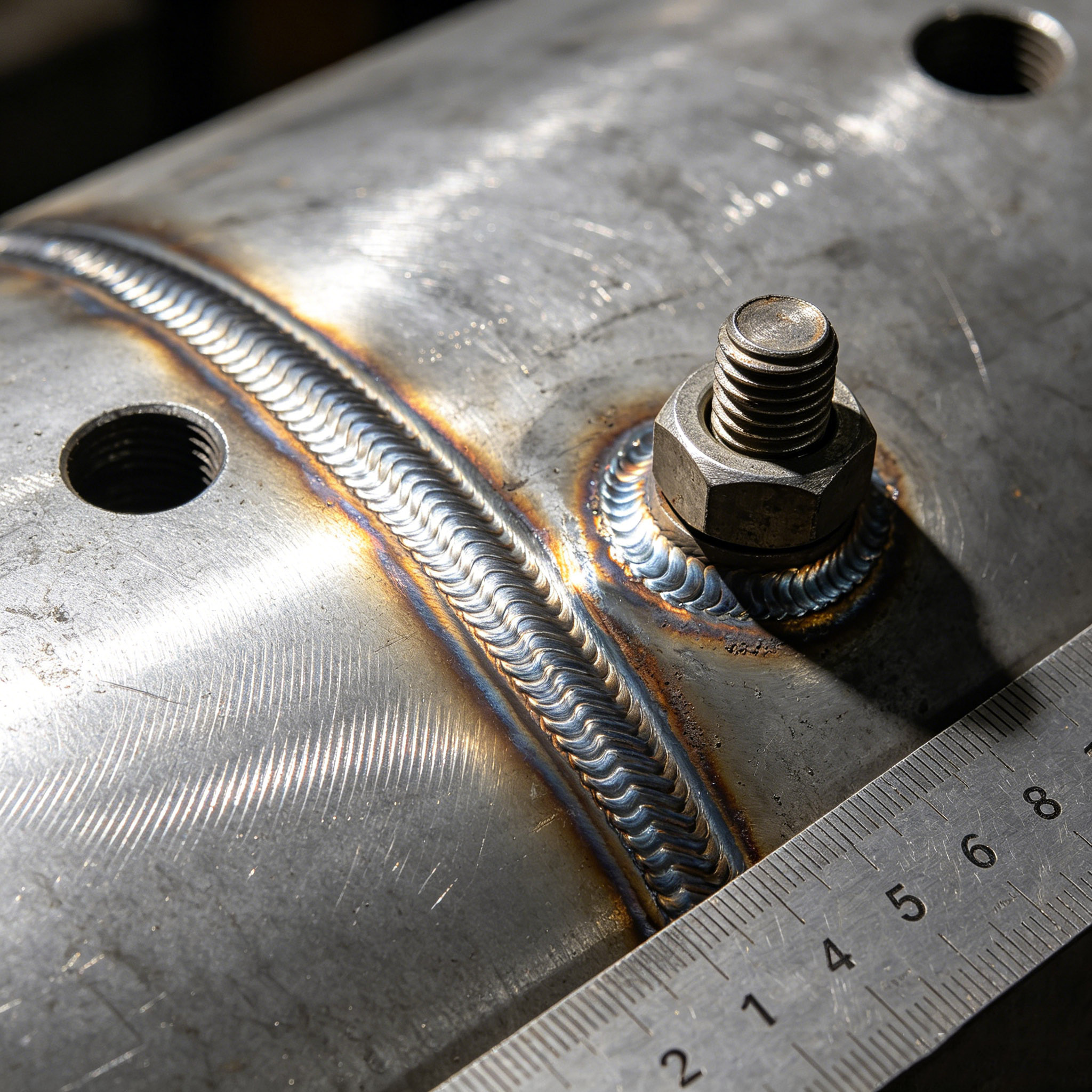
Post‑cleaning inspection showed dramatic improvements:
-
Complete removal of surface rust and oxide – the steel looked like new.
-
Clean surface ready for non‑destructive testing – inspectors could see weld lines and potential cracks clearly.
-
No measurable loss of base material – the steel thickness remained unchanged.
-
Welds and fasteners clearly visible – every bolt head and weld toe was exposed.
-
Improved readiness for recoating – the clean surface would hold new paint perfectly.
Laser rust removal delivered a uniformly clean surface without any damage.
5. Impact on Maintenance and Operations
Switching to industrial laser cleaning changed how the facility plans maintenance:
-
Shorter maintenance windows – the job finished in two days instead of five.
-
Reduced cleanup time – no spent abrasive to shovel and haul away.
-
No abrasive media disposal costs – the only waste was a few kilos of fine dust.
-
Less interference with nearby work – no dust clouds meant other trades could work alongside.
-
Better planning for future recoating – the clean surface gave a reliable base for paint adhesion.
The operations manager estimated they saved three days of labor and avoided three tons of waste disposal.
6. Long‑Term Value: Less Rework, Less Downtime, Better Inspections
Six months later, the cleaned steel showed no flash rusting. The coating that was applied after laser rust removal adhered perfectly – no bubbling or peeling. Subsequent inspections were faster because inspectors could see the steel clearly. The combination of less rework, shorter shutdowns, and improved inspection results led to a more proactive maintenance strategy. The asset owner now schedules industrial laser cleaning as a standard step before every major recoat.
7. How ZGLC Laser Supports Your Cleaning Projects
ZGLC Laser provides more than just equipment. We help you succeed with:
-
Machine configuration recommendations – matching power and portability to your steel structures.
-
Operator training and safety guidance – hands‑on sessions for your crew.
-
Process setup and parameter selection – fine‑tuning for your specific rust type.
-
Ongoing technical support – phone or on‑site help when you need it.
Whether you own a laser rust removal system or hire a contractor, we ensure you get real results.
8. Final Observation: Measurable Benefits in Real Environments
This before‑and‑after case study proves that industrial laser cleaning isn’t just theoretically better. Applied correctly to structural steel, laser rust removal delivers measurable benefits: cleaner surfaces, faster work, lower costs, and extended asset life. For any facility fighting corrosion, laser cleaning is no longer a luxury – it’s a necessity.
Ready to run your own case study? Contact ZGLC Laser to discuss your structural steel cleaning challenges.
Effect of Corrosive Environment on Bonded Joints of Sports EV Load‑Bearing Frame After Laser Cleaning
Deep Learning-Based Vision System to Support Robotic Laser Cleaning
Related Article