Is Your Laser Rust Remover a Tool or a Toy? A Buyer's Guide
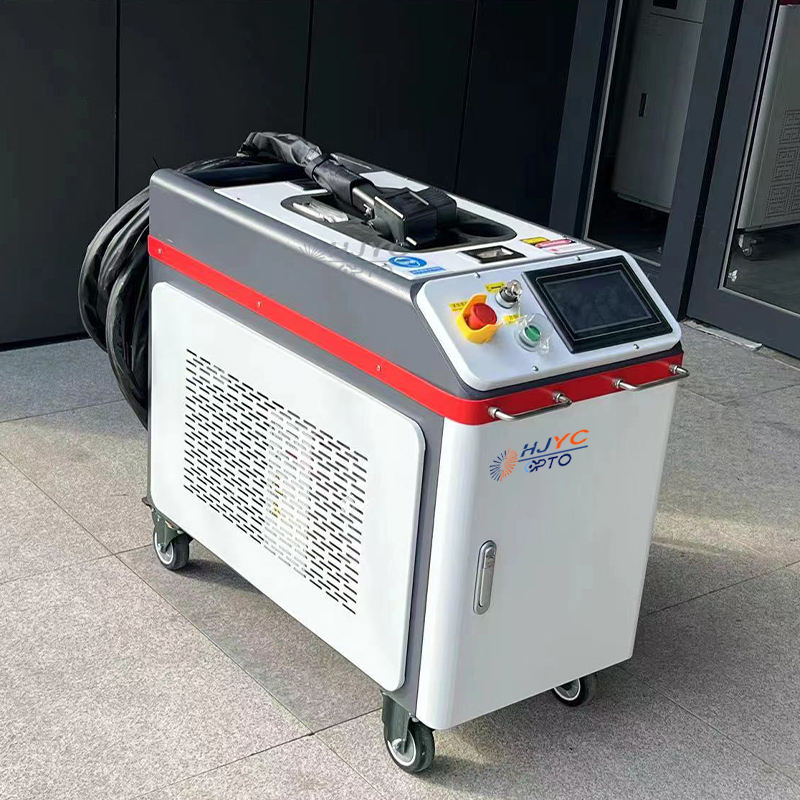
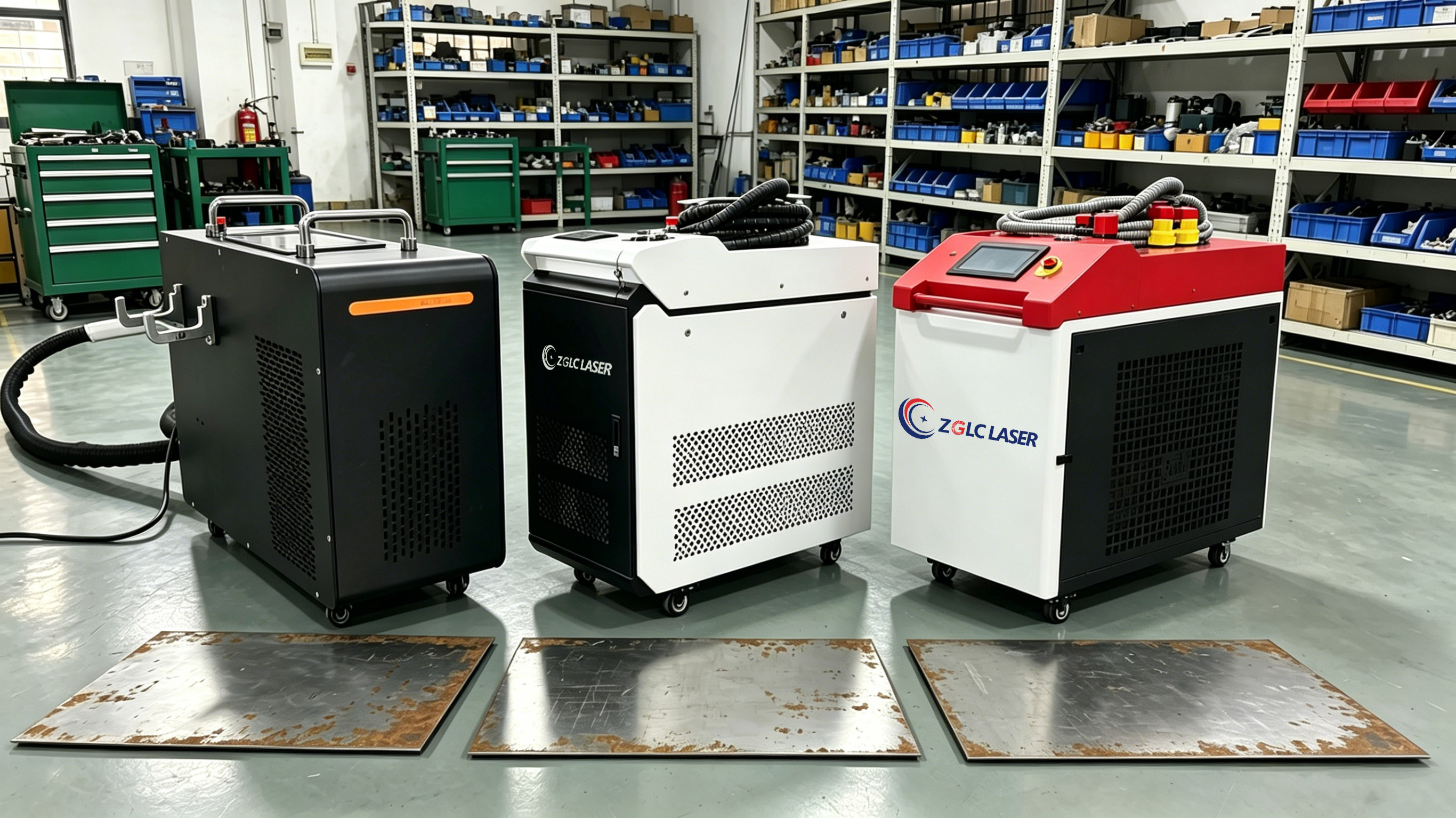
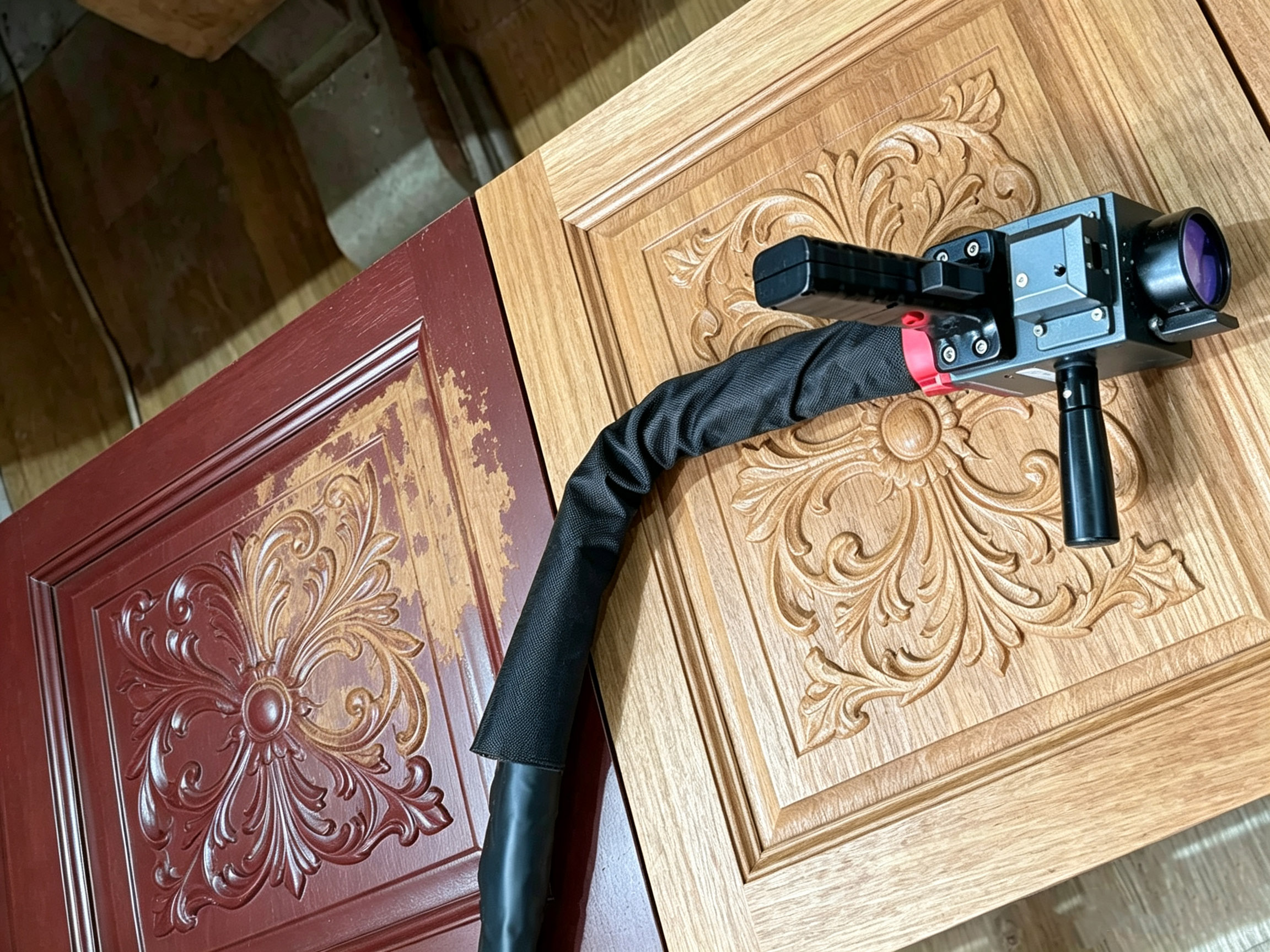
So you've seen the videos: a magical beam of light zaps rust away, leaving clean metal behind. You're sold on the idea of a laser rust removal tool, but now comes the hard part—choosing the right one from a sea of options. Picking wrong can leave you with an expensive machine that's more of a toy than a tool. Let's cut through the hype and build a practical checklist for your shop.
1. Match the Method to Your Mission
Before looking at machines, define your battlefield. A laser rust removal tool for delicate aerospace component restoration is a different beast from one cleaning a construction equipment yard. For precision work on molds, welds, or historical artifacts, laser cleaning is unmatched. For stripping acres of thick rust from ship hulls, traditional methods might still play a role. Define your primary "war" to choose the right "weapon."
2. The Material & Job Reality Check
Don't buy based on specs alone. Analyze your actual work:
-
Substrate Type: What are you cleaning? A tool great for steel might struggle with aluminum or painted surfaces. Laser rust removal works on most metals, but settings vary wildly.
-
Contaminant: Is it light surface rust, mill scale, thick paint, or rubber coating? The thickness and type of gunk determine the power you need.
-
Scale of Application: Are you cleaning small weld seams, large panels, or intricate parts? This decides if you need a handheld unit or an integrated automated cell.
3. The Must-Check System Specs
Once you know your job, scrutinize these machine features:
-
Pulse Laser Power Range: Think of this as the engine size. 100W-200W handles fine rust and paint. For thick mill scale, you'll need 500W+. More power means faster cleaning but higher cost.
-
Non-Contact Cleaning & Precision: This is the core advantage. Ensure the system can remove contamination without damaging the base material, crucial for restoring part dimensions.
-
Mobility vs. Integration: Do you need a portable handheld unit to move around a workshop, or a fixed, automated arm for a production line?
-
UI & Safety Controls: Is the interface intuitive? Does it have key safety features like emergency stop, protective housings, and fume extraction ports?
4. Aligning with Your Facility's Reality
The best tool must fit your shop's ecosystem.
-
Workload: High-volume, daily use demands an industrial-grade system. Occasional jobs might suit a more basic model.
-
Workspace Mobility: Will the tool be used in one bay, or does it need to be wheeled between different locations? Check weight, cable management, and cooling unit requirements.
-
Environmental Controls: Laser rust removal creates fine dust. You'll need a plan for containment and extraction, especially indoors.
5. The Support Behind the Machine
A tool is only as good as the team behind it.
-
Durability & Design: Look for robust construction from a proven manufacturer. It's an industrial tool, not a prototype.
-
Training & Installation: Proper setup is critical. Does the supplier offer comprehensive on-site training to get your team operational and safe?
-
Service & Spare Parts: What's the warranty? How quickly can you get spare parts like lenses or filters? Local support is invaluable.
6. Understanding the Real ROI
Yes, the upfront cost is significant. But calculate the long-term win:
-
Eliminated Consumables: No more buying sand, chemicals, or abrasive media. The "laser" is the only consumable.
-
Dramatically Reduced Waste Disposal: You're not paying to truck away tons of contaminated blast media, just fine dust.
-
Labor Efficiency: Faster setup/cleanup and reduced worker fatigue compared to grinding or blasting.
-
Asset Preservation: No substrate damage means no costly re-machining or part replacement.
-
Unlocked New Work: The precision allows you to bid on high-value restoration and sensitive cleaning jobs you couldn't touch before.
7. Partner with HJYC-OPTO = 1+1>2
Choosing the right laser rust removal tool is complex. That's where a true partner comes in. At HJYC-OPTO, we don't just sell machines. We start by analyzing your specific materials, throughput needs, and facility. We then recommend a system—whether a portable unit or an integrated cell—that matches your reality. We provide the training to build your confidence and the support to ensure your investment pays off for years. Let's move beyond the sales demo and build a solution that makes rust removal a competitive advantage for your shop. Contact us to begin your review.
Precision in the Skies: The Essential Guide to Laser Rust Removal in Aerospace
Laser Cleaning vs. Sandblasting: Finding Your Best Fit
Related Article