About Laser Welding - What do you know?
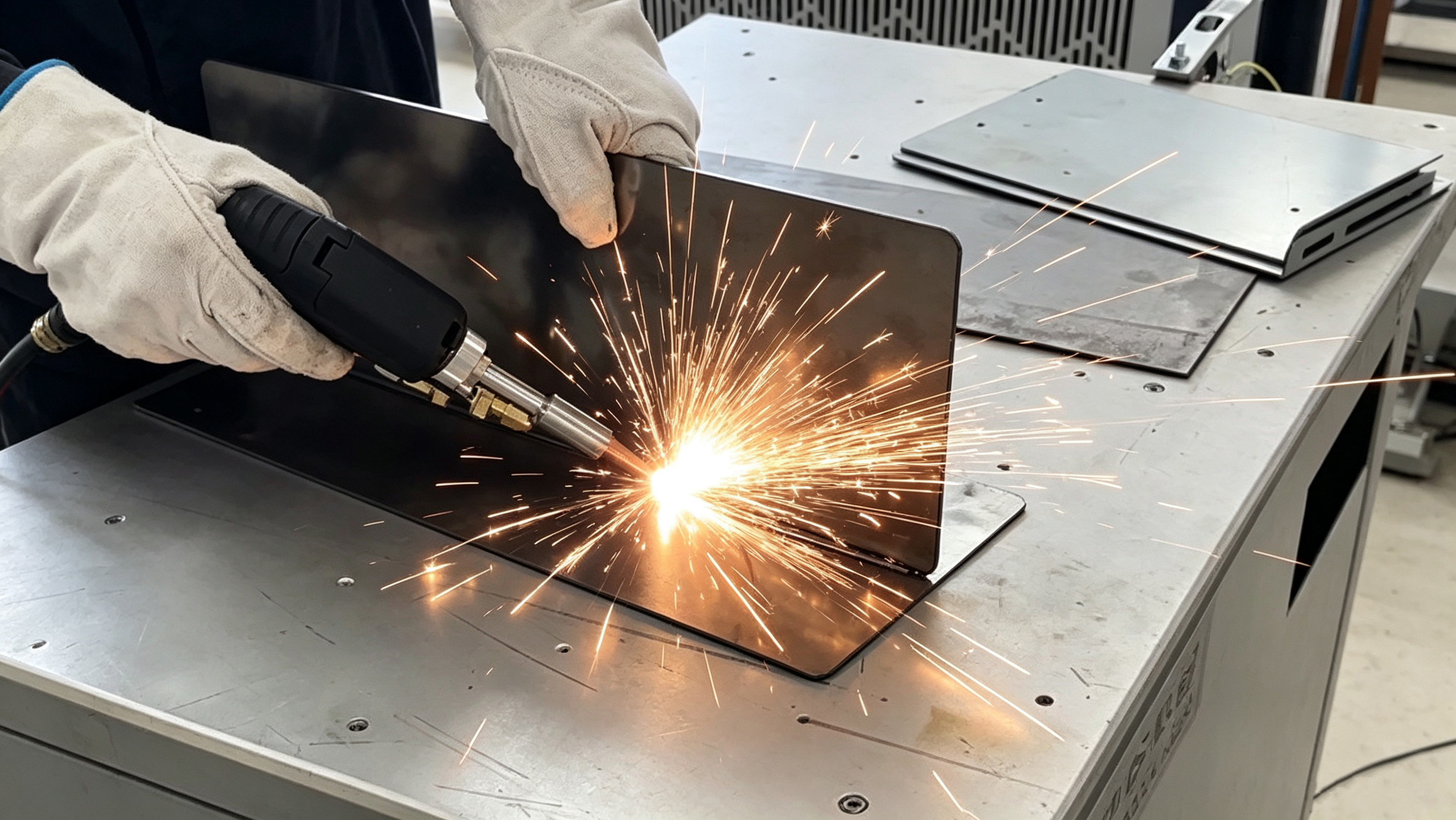
Laser welding is a high-precision, non-contact joining process that utilizes a focused beam of light to fuse materials together. This advanced technology has revolutionized manufacturing by offering unparalleled accuracy, speed, and quality in a wide range of industries. It is a form of fusion welding where the laser beam serves as an intense heat source, creating a deep, narrow weld with minimal thermal impact on the surrounding material.
How Does the Laser Welding Process Work?
The laser welding process is elegantly efficient, relying on the principle of converting light energy into thermal energy.
-
Laser Generation: The process begins inside the laser resonator. Here, a source of energy (e.g., electricity for fiber lasers) excites a gain medium (like a glass fiber), causing it to emit photons of light.
-
Beam Amplification: These photons are reflected within the resonator, stimulating the emission of more photons and creating a coherent, concentrated beam of single-wavelength light.
-
Beam Delivery: This coherent beam is then directed through a series of mirrors or transported via a flexible fiber optic cable to a focusing assembly.
-
Focusing: The beam passes through a lens that focuses it to an extremely small, precise spot, typically fractions of a millimeter in diameter. This creates a very high power density at the point of contact.
-
Material Interaction: The intense heat generated by the focused laser beam rapidly melts the material at the joint interface, forming a molten pool.
-
Fusion and Solidification: As the laser beam moves along the predetermined path, the molten pool follows, fusing the materials together. Once the beam passes, the material quickly cools and solidifies, forming a strong, permanent metallurgical bond.

How to Use a Laser Welding Machine?
Operating a modern laser welder involves a streamlined process:
-
Design and Programming: The weld path, parameters, and sequence are first created in CAD/CAM software and uploaded to the machine's computer numerical control (CNC).
-
Setup: The operator secures the parts to be welded in a jig or fixture to prevent any movement. For certain materials, a shielding gas (like argon or nitrogen) is set up to flow over the weld zone to prevent oxidation.
-
Parameter Selection: The operator selects the appropriate program or manually inputs key parameters, including laser power, welding speed, pulse frequency (for pulsed welding), and focus point.
-
Execution: The operator initiates the cycle, often through a push-button. The automated system then carries out the programmed weld, with the laser head moving precisely over the workpiece (or vice versa).
-
Inspection: The finished weld is inspected for quality, often visually or with automated monitoring systems integrated into the machine.


Characteristics of Laser Welding
- High power density
- Minimal distortion
- Narrow weld seams
- High-speed processing
- No need for flux
- High precision
- Clean welds with low inclusion risk
- Welds difficult-to-join materials
- Ideal for automation and robotic integration
Key Industrial Applications:
-
Automotive: Battery welding for electric vehicles (EVs), transmission components, body-in-white assemblies, and sensors.
-
Medical Devices: Welding of pacemakers, catheters, surgical instruments, and implants where cleanliness and precision are non-negotiable.
-
Aerospace: Engine components, fuel systems, and airframe structures made from lightweight alloys like titanium and aluminum.
-
Electronics: Hermetically sealing enclosures, welding tiny electrical connections, and manufacturing consumer electronics like smartphones and watches.
-
Jewelry: Precise and delicate repair and manufacturing, allowing for virtually invisible joins.


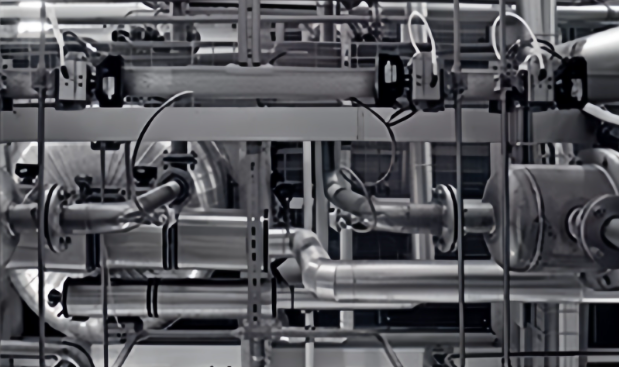
Hardware processing Agriculture, household,appliances Construction, Engineering,Mechanical


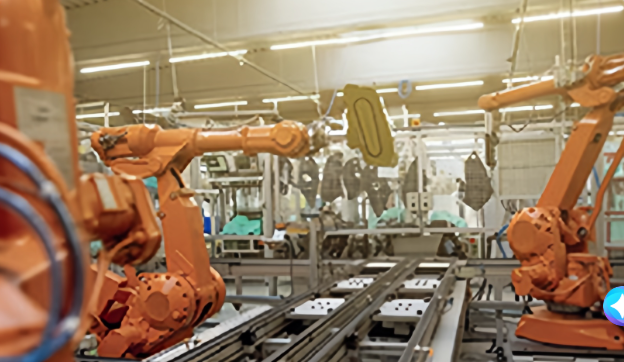
Aviation andTransportation Automatic Industry New energy lithium
Why Choose Laser Welding?
-
Minimal Heat-Affected Zone (HAZ): Reduces distortion and preserves material properties.
-
High Precision & Speed: Enables automation and high-volume production.
-
Non-Contact Process: Eliminates tool wear and allows for welding in hard-to-reach areas.
-
Exceptional Strength & Quality: Produces clean, robust welds with repeatable results.
Laser welding is a cornerstone of modern precision manufacturing, offering solutions that are both technologically sophisticated and highly practical.
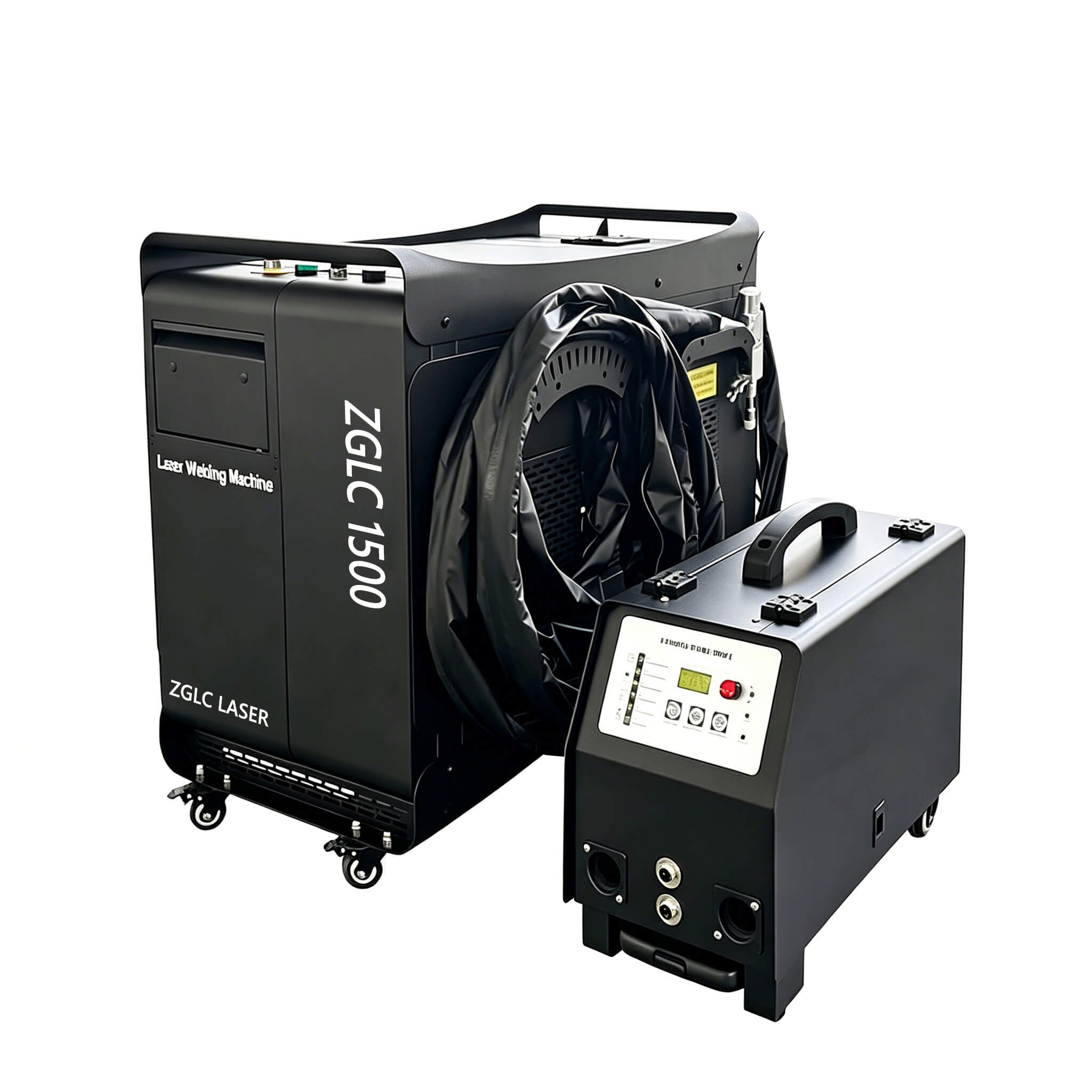
Is laser welding the right solution for your production challenge? Contact ZGLC Laser today to speak with our experts and explore how our laser welding systems can enhance your quality and efficiency.
Key words: #zglc laser welder #laser welding process #laser welding machine
//youtube.com/shorts/AzYH_NR9Gk8?si=U-DAIh0D-1CBz3o7
//youtube.com/shorts/f-eGH_F4K7k?si=dk6lu1HTu1dHDekF
//youtube.com/shorts/ogaWk2dYiYA?si=oUXP9YlSUGxqNKDT
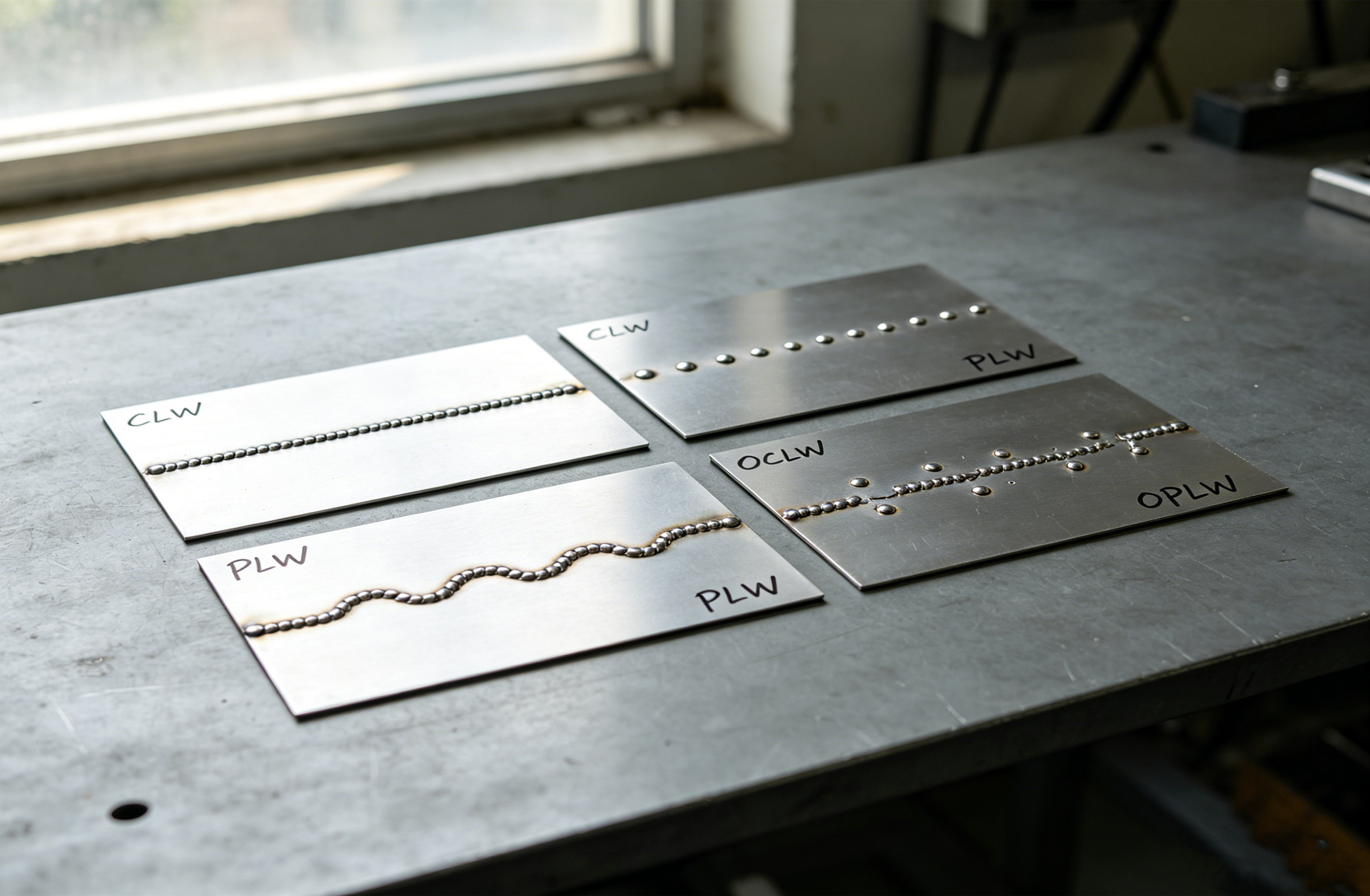
Key Parameters Setting For Laser Welding Machine
Related Article