Selective Laser Melting: Lessons from the Medical Devices Industry and Other Applications
Introduction
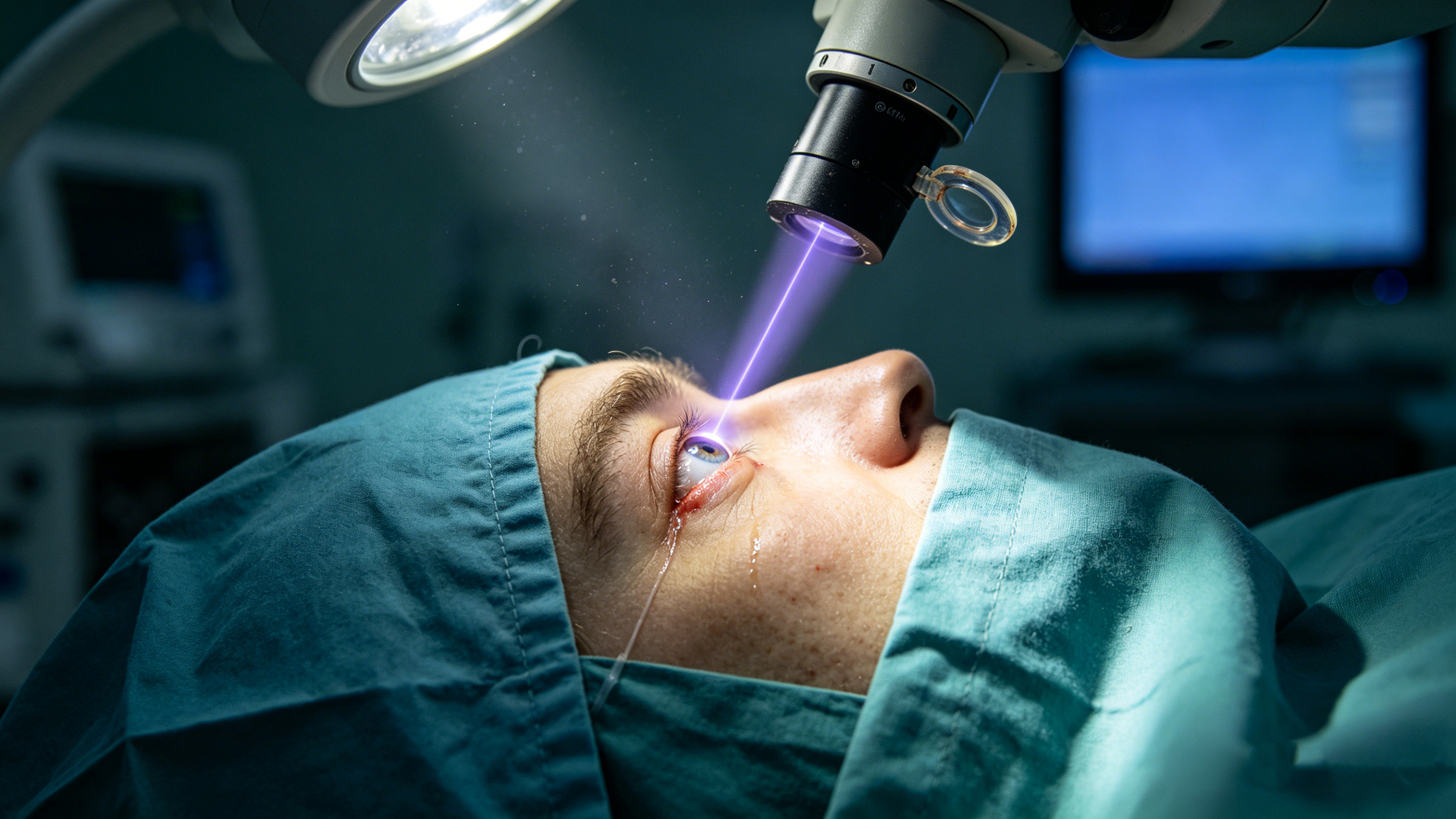
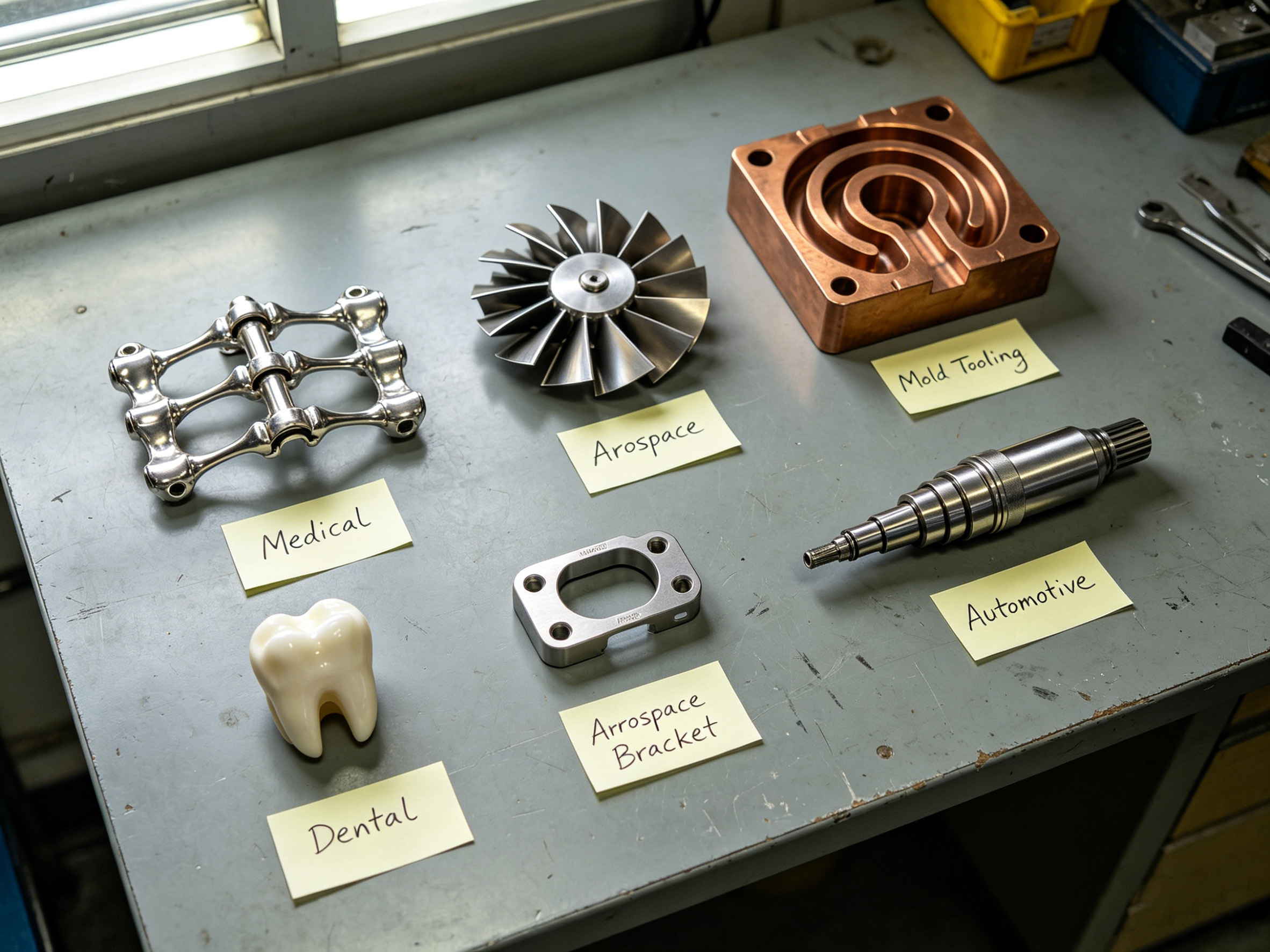
Selective laser melting (SLM) has emerged as a transformative metal additive manufacturing technology across multiple industrial sectors, yet its most profound impact has been felt in the medical devices industry, where the ability to produce patient-specific implants with complex geometries is revolutionizing surgical outcomes. Unlike conventional subtractive manufacturing, SLM builds fully dense metal components layer by layer from a powder bed using a high-energy laser beam, enabling selective laser melting to achieve design freedoms previously considered impossible. This article synthesizes key lessons from the medical devices industry and extends these insights to aerospace, automotive, and tooling applications, exploring the four critical domains identified in the comprehensive review: material systems, process modeling, online monitoring and quality evaluation, and optimization approaches.
Material Systems: From Biocompatible Alloys to High-Performance Metals
The medical devices industry has pioneered the qualification of biocompatible metal alloys for selective laser melting, including Ti-6Al-4V, Co-Cr, and 316L stainless steel, all of which must meet stringent biocompatibility and corrosion resistance requirements for long-term implantation. Ti-6Al-4V remains the gold standard for selective laser melting of orthopedic implants due to its excellent strength-to-weight ratio, fatigue resistance, and proven osseointegration capability. Research demonstrates that selective laser melting—produced porous titanium structures can successfully integrate with living bone, offering well-controlled porosity that enhances biological fixation. Beyond medical applications, the same alloy systems find critical roles in aerospace turbine components and automotive lightweight structures, where the demand for selective laser melting fabricated parts continues to grow rapidly. Global 3D printing medical devices market valued at USD 3.8 billion in 2024 is expected to reach USD 9.6 billion by 2031, reflecting the accelerating adoption of SLM across healthcare and beyond.
Process Modeling: Understanding Structure–Property Relationships
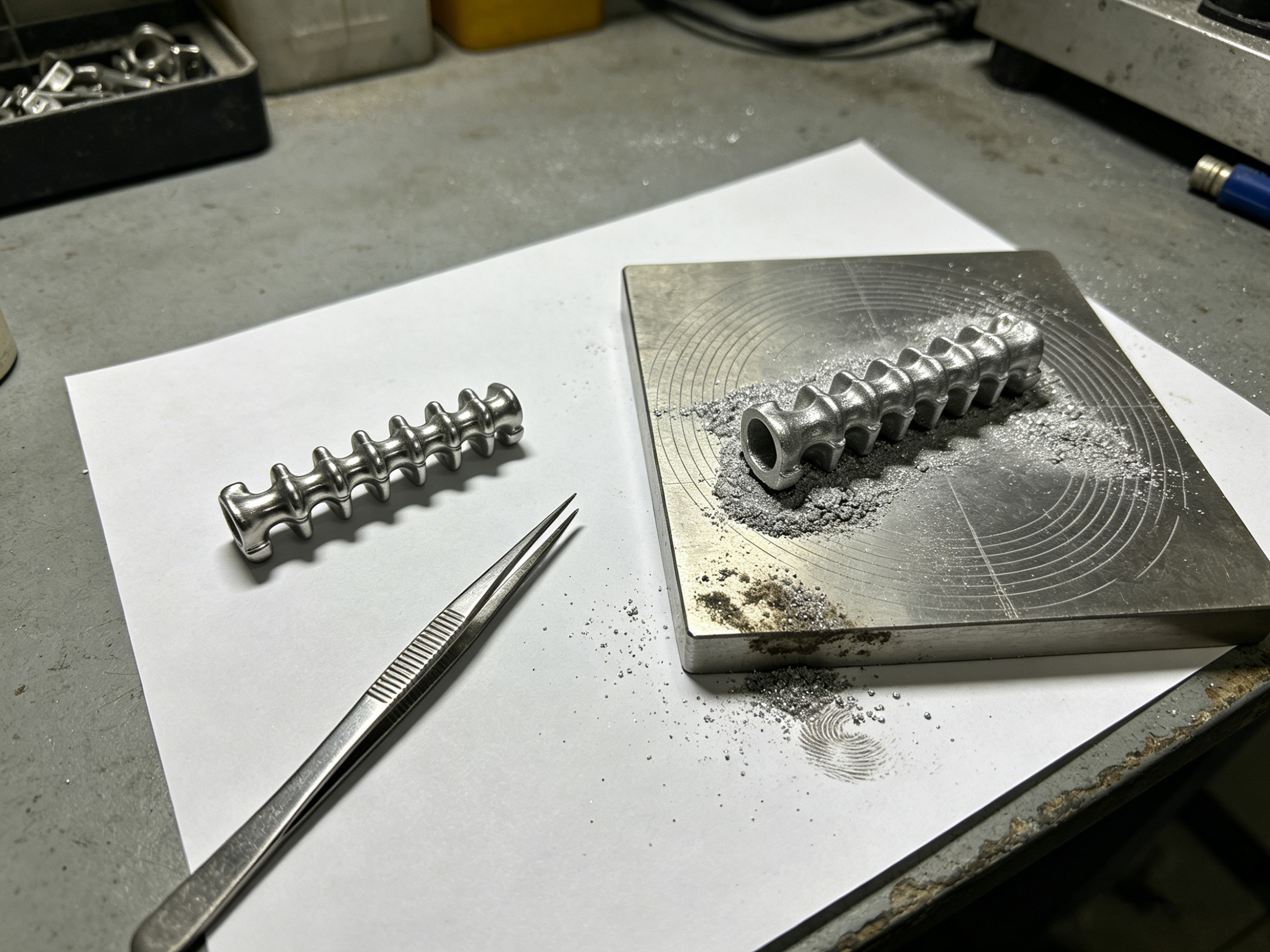
Process modeling has become indispensable for predicting the microstructure and mechanical properties of SLM fabricated parts, as the thermal history during layer-wise melting directly determines grain morphology, residual stress distribution, and defect formation. Key selective laser melting process parameters—including laser power, scanning speed, hatch spacing, and layer thickness—significantly influence porosity, surface roughness, density, and final mechanical properties. The medical devices industry has led the way in establishing processing–structure–property relationships for medical devices, ensuring that critical load-bearing implants meet rigorous fatigue and corrosion standards before clinical use. These same modeling frameworks are now being applied to optimize SLM fabricated parts for aerospace and automotive applications, where lightweight lattice structures can reduce component weight without compromising strength.
Online Monitoring and Quality Evaluation
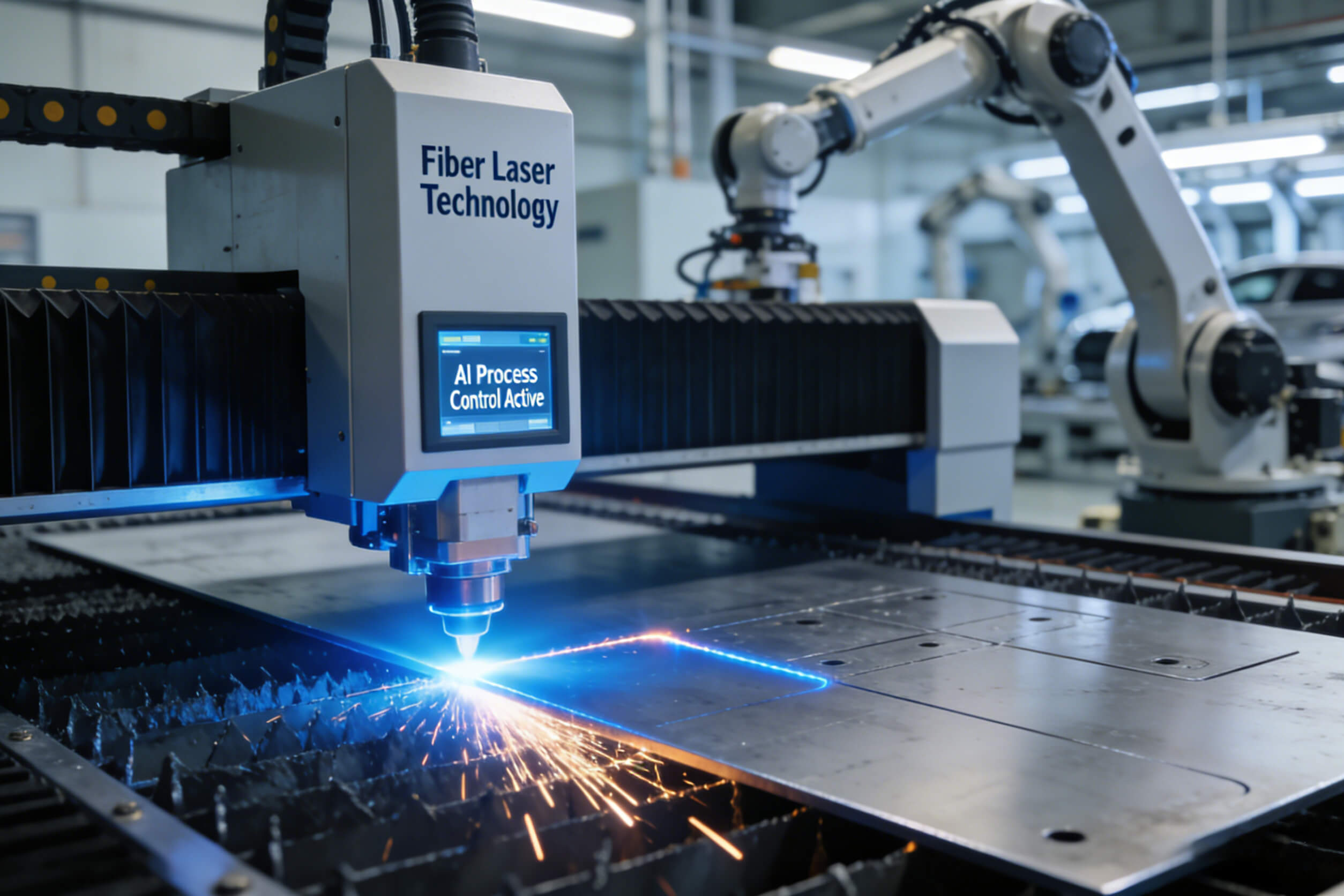
Ensuring consistent part quality remains one of the greatest challenges for selective laser melting, particularly in the regulated medical devices industry where implant failure is unacceptable. Recent advances in online monitoring techniques, including optical emission spectroscopy, infrared thermography, and deep learning based melt pool analysis, enable real-time defect detection during the build process. AI powered monitoring systems for medical devices produced by SLM are emerging as critical tools for process qualification, moving beyond post build inspection toward true in situ quality assurance. These same monitoring technologies will accelerate the adoption of selective laser melting in high volume production environments across all industries.
Optimization Approaches and Future Directions
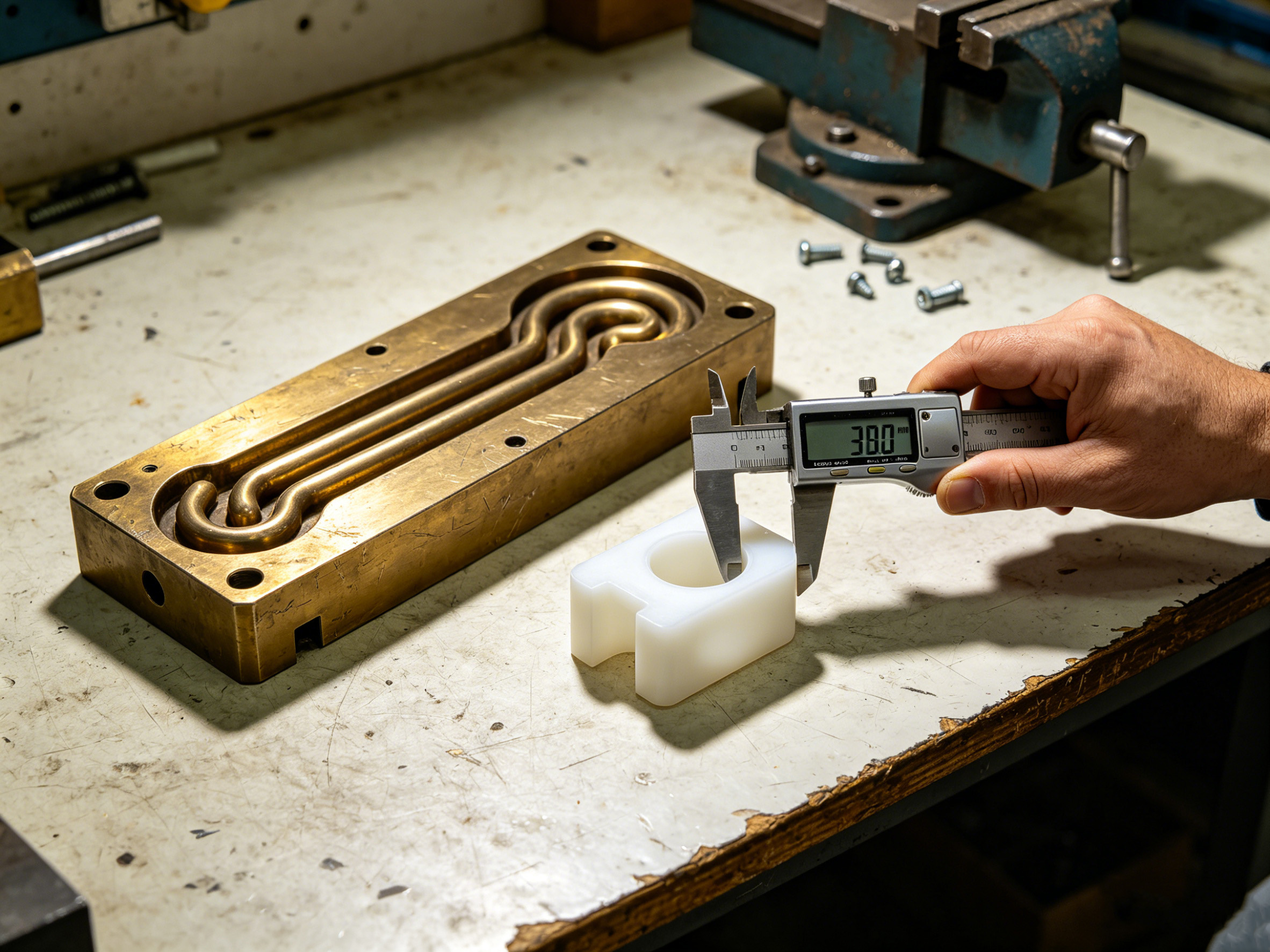
Cross-industry optimization strategies for mechanical properties of SLM fabricated parts have matured considerably, with machine learning and artificial intelligence now being explored for parameter optimization and defect prediction. The medical devices industry demands mechanical properties that balance strength with biocompatibility, driving innovations in post processing heat treatments that relieve residual stress while preserving microstructural integrity. Meanwhile, the tooling industry leverages selective laser melting to produce conformal cooling channels in injection molds, reducing cycle times by up to 70%. As these optimization approaches continue to converge, the lessons learned from medical devices are accelerating innovation across the entire manufacturing landscape, while new material systems such as copper alloys for antibacterial applications and high temperature superalloys for aerospace propulsion remain active frontiers for further investigation.
Femtosecond Laser: The Ultimate Guide to Precision & Non-Invasive Technology
Related Article