What Is Laser Coding? What Are the Features of Laser Coding?

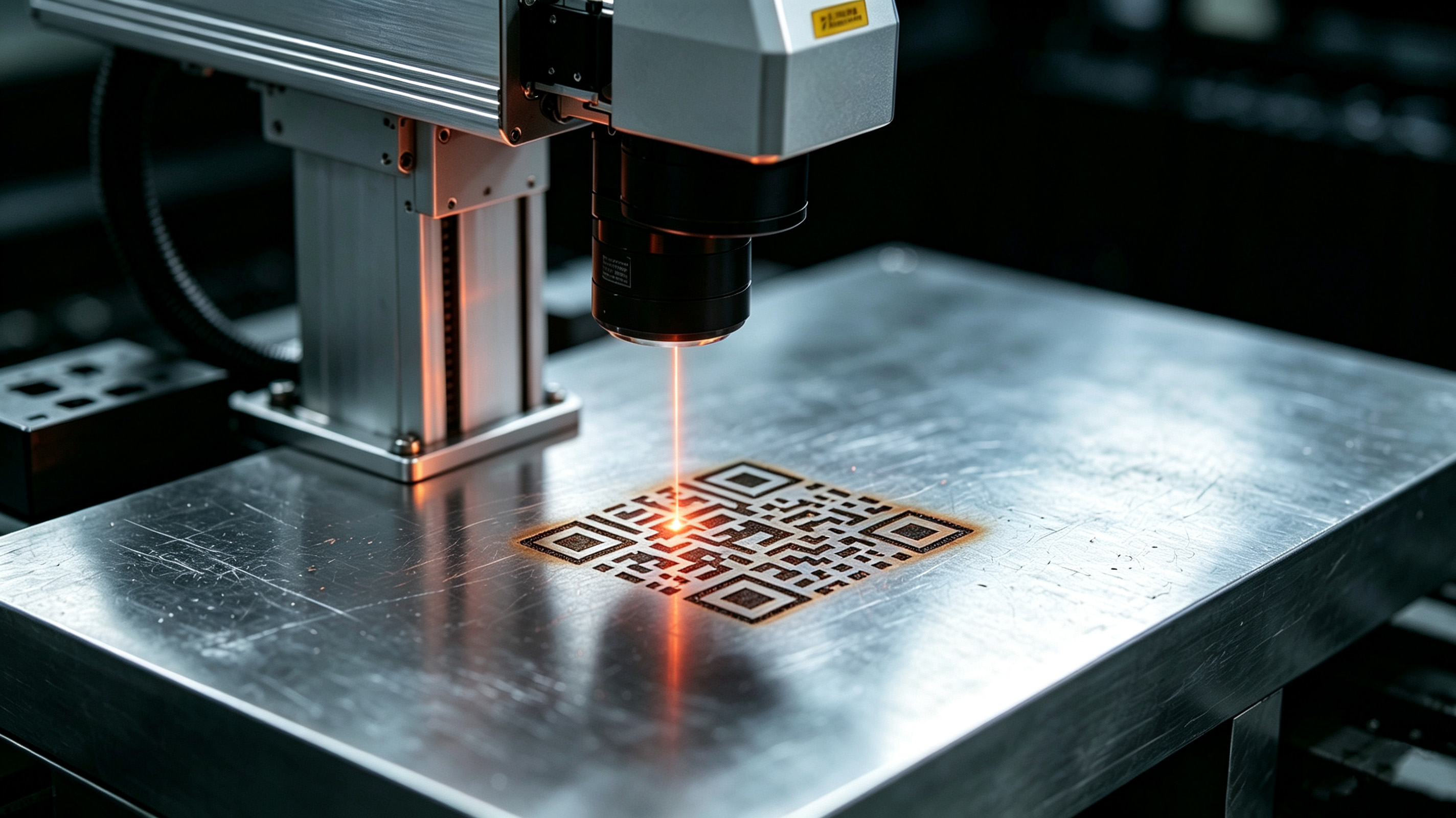
If you've ever bought a product with a scannable barcode, a serial number, or a date code that never fades, you've likely seen laser code technology at work. Laser coding is a non-contact marking process that uses a focused beam of light to create permanent marks on a material's surface. Unlike inkjet printing, which applies ink that can smudge or wear off, a laser code is created by the laser interacting with the material itself—through ablation, engraving, annealing, or color change. The result is a mark that stays legible for the lifetime of the product. In this guide, we'll walk through the key features that make laser coding the go-to solution for manufacturers worldwide.
1. Are Laser Codes Durable?
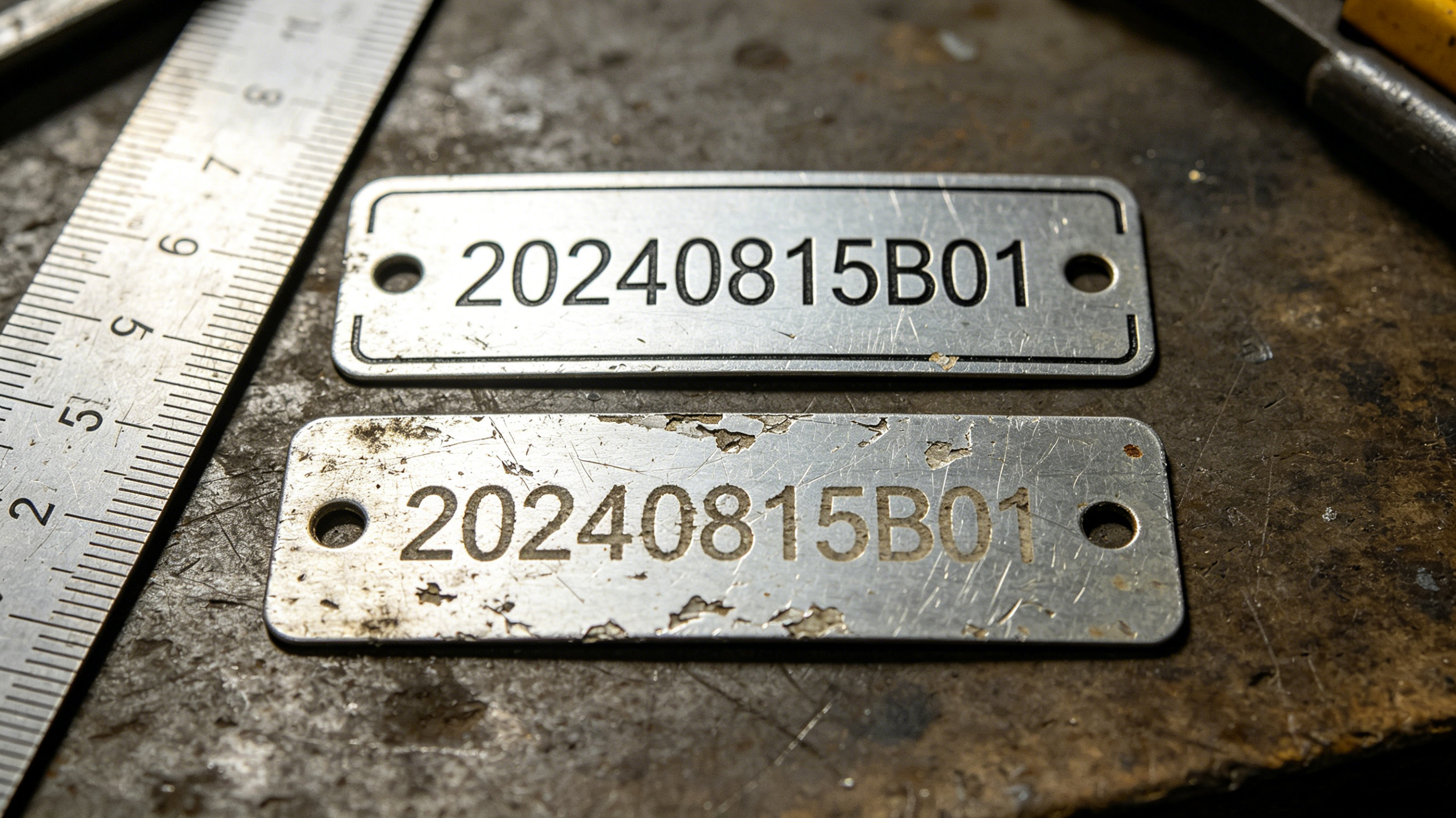
Yes—and that's one of the biggest reasons manufacturers switch to laser coding. A laser code is considered a permanent mark because it's resistant to abrasion, scratching, corrosion, and fading.
Think about what happens to products during their lifecycle. They go through cleaning, passivation, sterilization, shipping, and years of use. Inkjet codes can rub off or become unreadable. A laser code, however, withstands all these influences and the most challenging environmental conditions. Whether it's an automotive part exposed to heat and vibration, a medical device that goes through sterilization, or an electronic component that must remain traceable for decades, laser coding ensures the mark stays intact.
2. Contrast and Legibility of Laser Codes
A mark is useless if you can't read it. Laser coding consistently delivers high-contrast, perfectly legible marks on almost any material. This is critical for traceability—whether it's 1D barcodes, 2D Data Matrix codes, logos, or serial numbers.
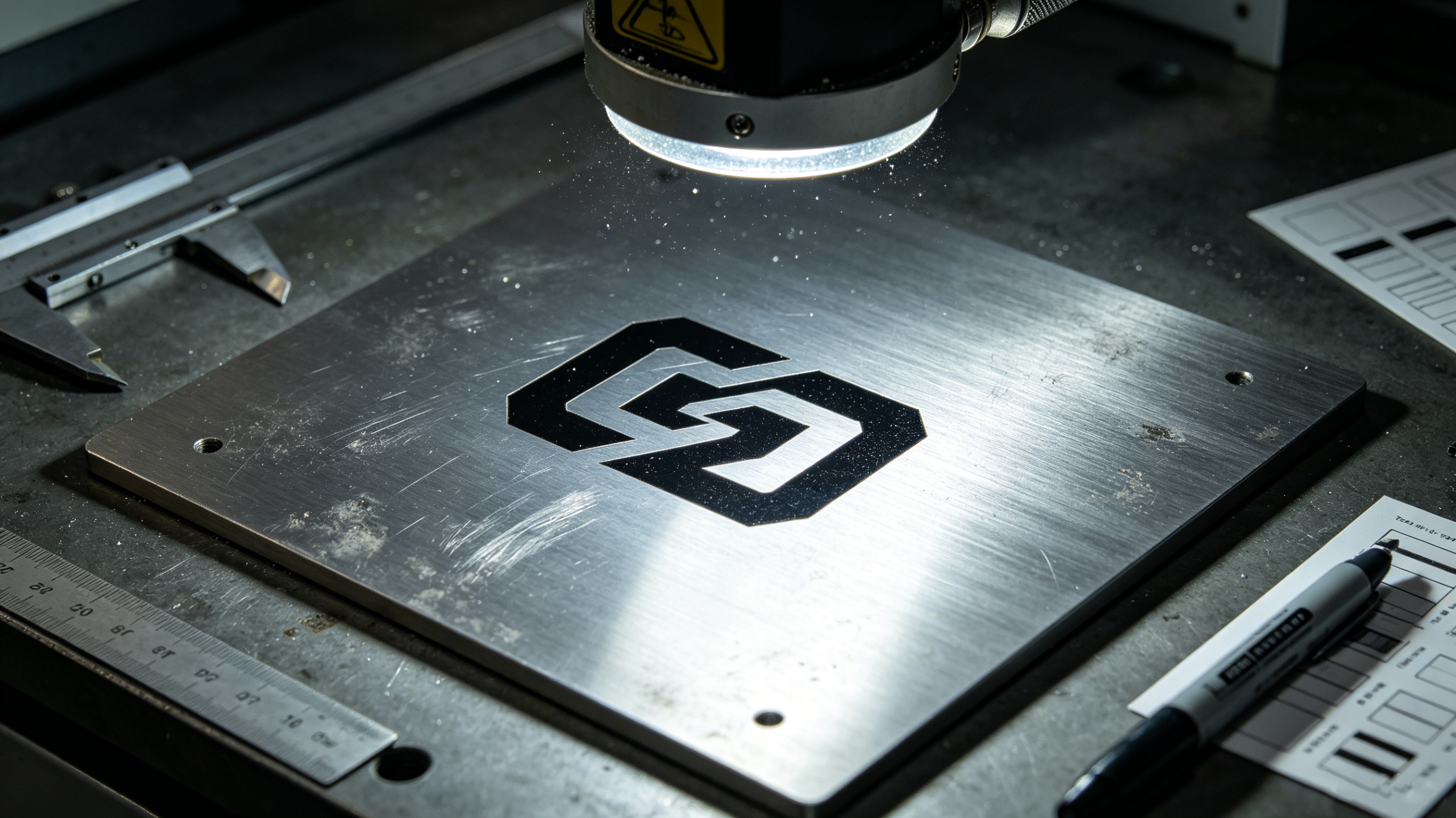
Lasers can achieve the optimum contrast for various contents on different surfaces. On metals like stainless steel, laser engraving provides optimal contrast and excellent readability, even after mechanical or thermal treatments. For sensitive products like medical devices or electronic components, ultrashort pulse lasers create deep black, non-reflective marks with exceptional clarity. This high contrast ensures reliable machine readability and easy human inspection.
3. Precision of Laser Codes
Laser coding is incredibly precise. A laser beam can be focused to a spot as small as a fraction of a millimeter, allowing for extremely detailed marks. This precision is essential for applications like Data Matrix codes on tiny electronic components, high-density QR codes on PCBs, or fine text on medical instruments.
Unlike mechanical marking methods that can distort or displace material, laser coding produces sharp edges and clean lines every time. The process is digitally controlled, meaning the same laser code is reproduced identically on thousands of parts. This repeatability is what makes laser coding so reliable for high-volume production lines.
4. Does Laser Coding Affect the Material?
When done correctly, laser coding is gentle on materials. The key is choosing the right laser type and parameters for the specific material.
-
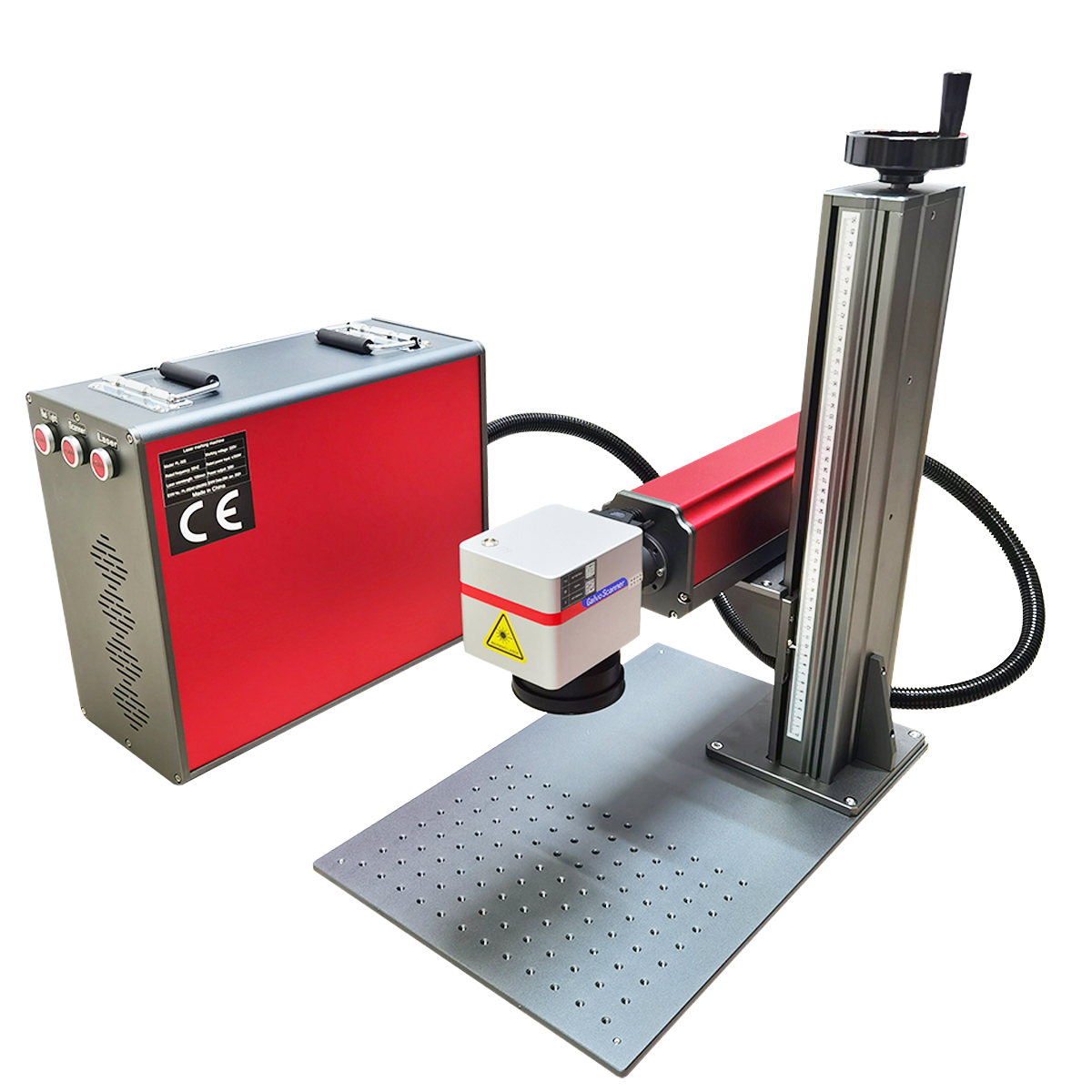
Fiber lasers are ideal for metals and hard plastics, producing permanent, high-contrast marks.
-
CO₂ lasers work well on paper, cardboard, glass, and certain plastics.
-
UV lasers are perfect for heat-sensitive materials like medical-grade plastics, soft polymers, and flexible films. UV lasers use a "cold" marking process that minimizes heat generation, preventing warping or micro-fractures.
With the right setup, the laser removes only a microscopic layer of material or creates a color change without affecting the structural integrity of the part. This makes laser coding suitable for even the most delicate applications—from food packaging to aerospace components.
5. Laser Coding: High-Quality, Reliable Traceability, Cost-Effective
Laser coding isn't just about putting a mark on a product—it's about creating a reliable, cost-effective traceability system.
-
High-quality marks: Laser coding produces sharp, high-contrast codes that are easy to read by both machines and humans.
-
Reliable traceability: Because a laser code is permanent, it ensures traceability throughout the product's entire lifecycle—from manufacturing through end-use.
-
Cost-effective: While the upfront cost of a laser system is higher than an inkjet printer, the total cost of ownership is lower. There are no consumables like ink or solvents, minimal maintenance, and virtually no downtime.
Ready to see how laser code technology can improve your product traceability? Contact ZGLC Laser today for a free sample marking test.
What Is Laser Barcode Marking? Benefits, Applications & Solutions | ZGLC
Why Laser Marking Is the Best Solution for 2D Barcodes
Related Article