What Is Laser Welding? How Does It Work?
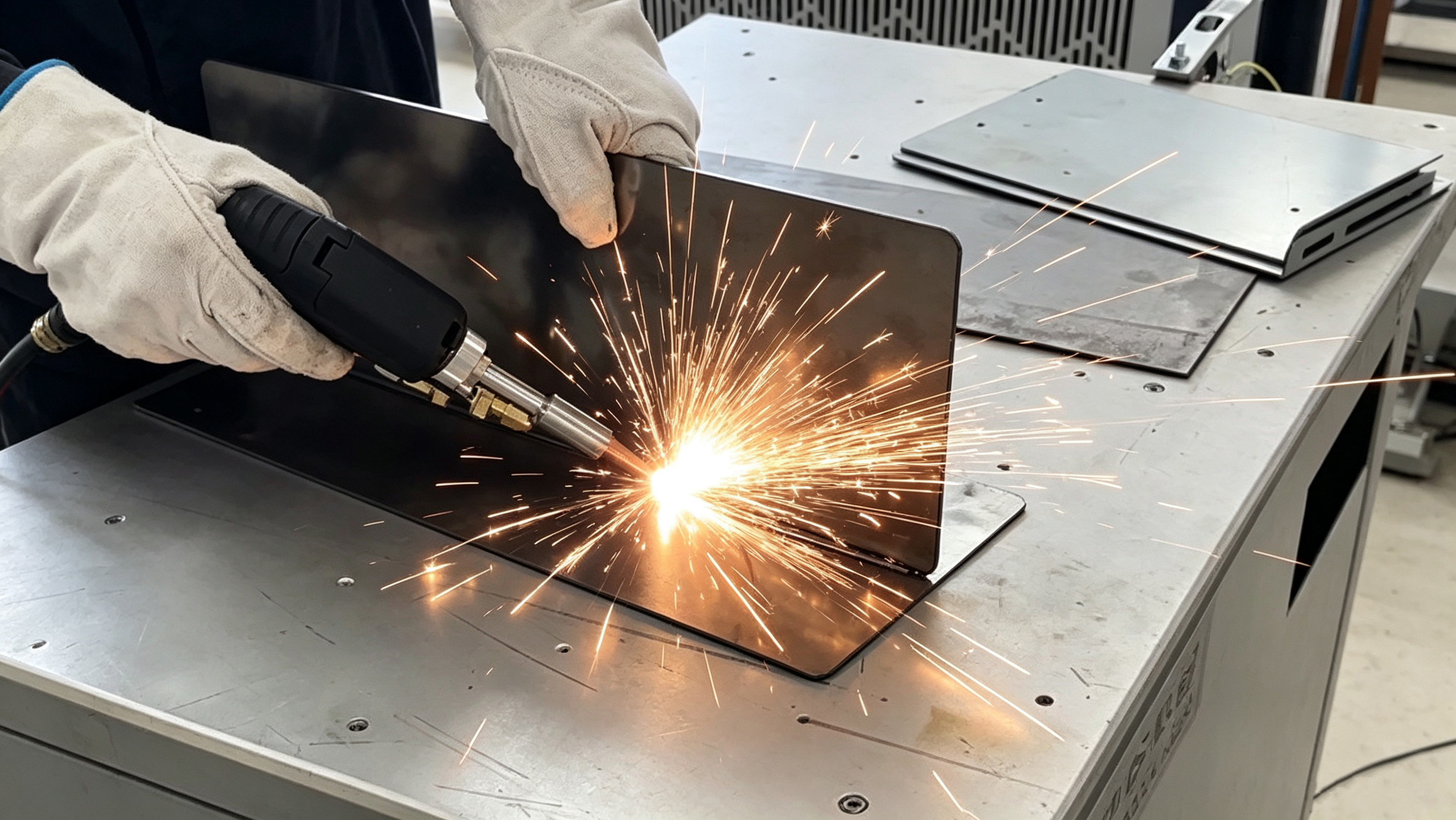
From electric vehicle batteries to medical devices, manufacturers need fast, clean, and strong welds. Traditional TIG or MIG welding can warp thin materials, leave spatter, or struggle with dissimilar metals. That’s where a laser welding machine tabletop or industrial system comes in. It uses a concentrated beam of light to melt and join metals with incredible precision. Let’s break down what laser welding is, how it works, and which type fits your needs.
1. What Is Laser Welding and How Does It Work?
a) General information
Laser welding is a fusion process. A focused laser beam heats the metal at the joint until it melts. When the beam moves away, the molten metal solidifies, forming a strong bond. A laser welding machine tabletop can weld metals like steel, aluminum, copper, titanium, and even dissimilar pairs like copper to stainless steel.
b) Conduction welding vs. keyhole welding
-
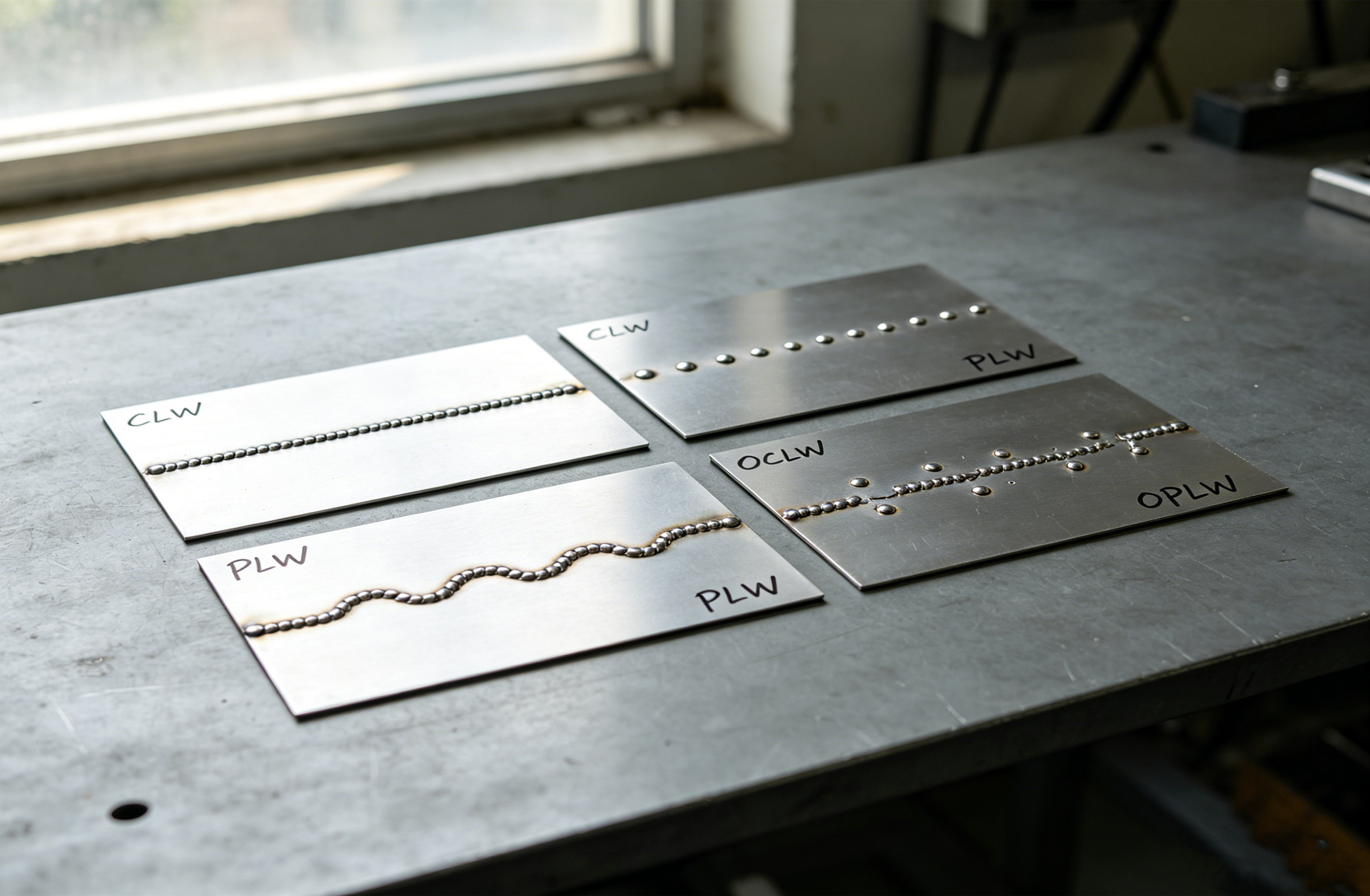
Conduction welding – The laser melts the surface and heat transfers downward. The weld pool is wide and shallow. Used for thin sheets or when appearance matters.
-
Keyhole welding – The laser vaporizes a small cavity (the keyhole) deep into the material. The molten metal flows around it. When the keyhole collapses, a deep, narrow weld forms. This is ideal for thick metals and full penetration.
c) Dissimilar metal welding
Laser welding excels at joining different metals because the beam can be precisely targeted. For example, copper to steel or aluminum to titanium. The key is balancing heat input to avoid brittle intermetallic compounds.
d) Adjustable ring mode
Some advanced lasers have an inner and outer beam (ring mode). The outer beam preheats the material while the inner beam creates the keyhole. This reduces spatter and improves stability, especially for copper and aluminum.
2. When Was Laser Welding Invented?
Laser welding technology followed the invention of the laser itself. The first laser was demonstrated by Theodore Maiman in 1960. Within a few years, researchers used pulsed ruby lasers to weld tiny components. By the 1970s, CO₂ lasers were welding industrial parts. Fiber lasers became popular in the 2000s, leading to compact and portable systems like the modern laser welding machine (tabletop).
3. Which Types of Lasers Can Perform Welding?
-
Fiber lasers – The most common today. High efficiency, low maintenance, and excellent beam quality. Used for metals, from thin foils to thick plates.
-
CO₂ lasers – Older technology, still used for thick-section welding but less efficient than fiber.
-
Disk lasers – Similar to fiber but with a different gain medium. Used in high-power industrial applications.
-
Diode lasers – Lower power, used for conduction welding and plastic welding.
For a laser welding machine tabletop, fiber lasers are the standard choice (typically 500W to 1500W).
4. Advantages of Laser Welding
-
High speed – Welds up to 4‑10x faster than TIG.
-
Low heat input – Minimal distortion, even on thin materials.
-
Narrow welds – Small heat-affected zone preserves metallurgy.
-
No filler needed – Often autogenous (no wire).
-
Automation ready – Easy to integrate with robots or CNC tables.
-
Clean process – No spatter, no slag, minimal post-processing.
5. Disadvantages of Laser Welding
-
High initial cost – A laser welding machine tabletop costs more than a TIG welder.
-
Precise fit‑up required – Gaps larger than 0.1‑0.2mm are hard to bridge (but wobble heads help).
-
Safety concerns – Laser beams can cause eye injury; enclosures and PPE are mandatory.
-
Reflective metals – Copper and aluminum require special settings or ring-mode lasers.
6. Examples of Laser Welding Machines
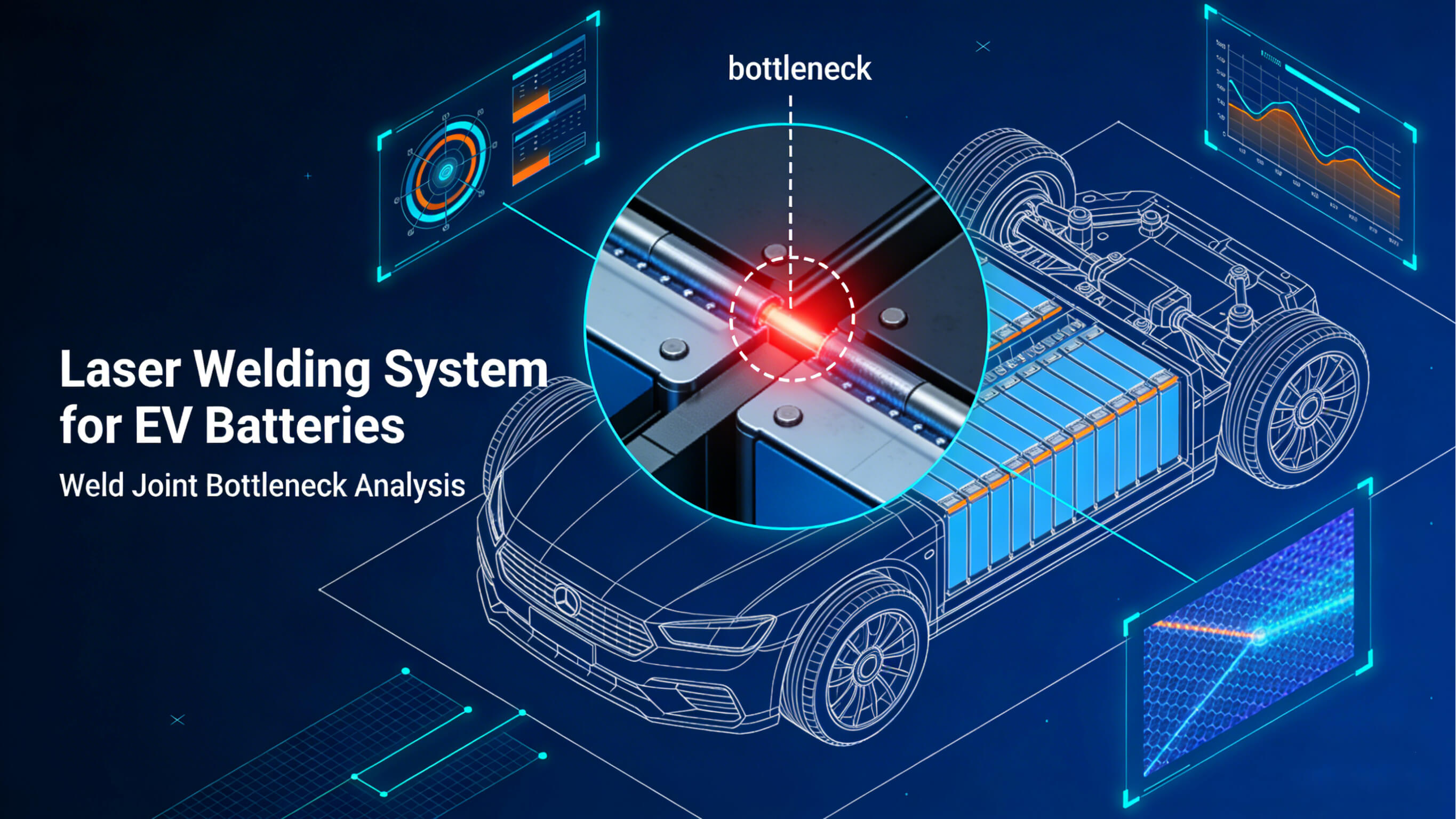
a) Battery welding machine – Used to weld busbars and tabs in electric vehicle battery packs. High speed, clean joints, and low heat to protect sensitive cells.
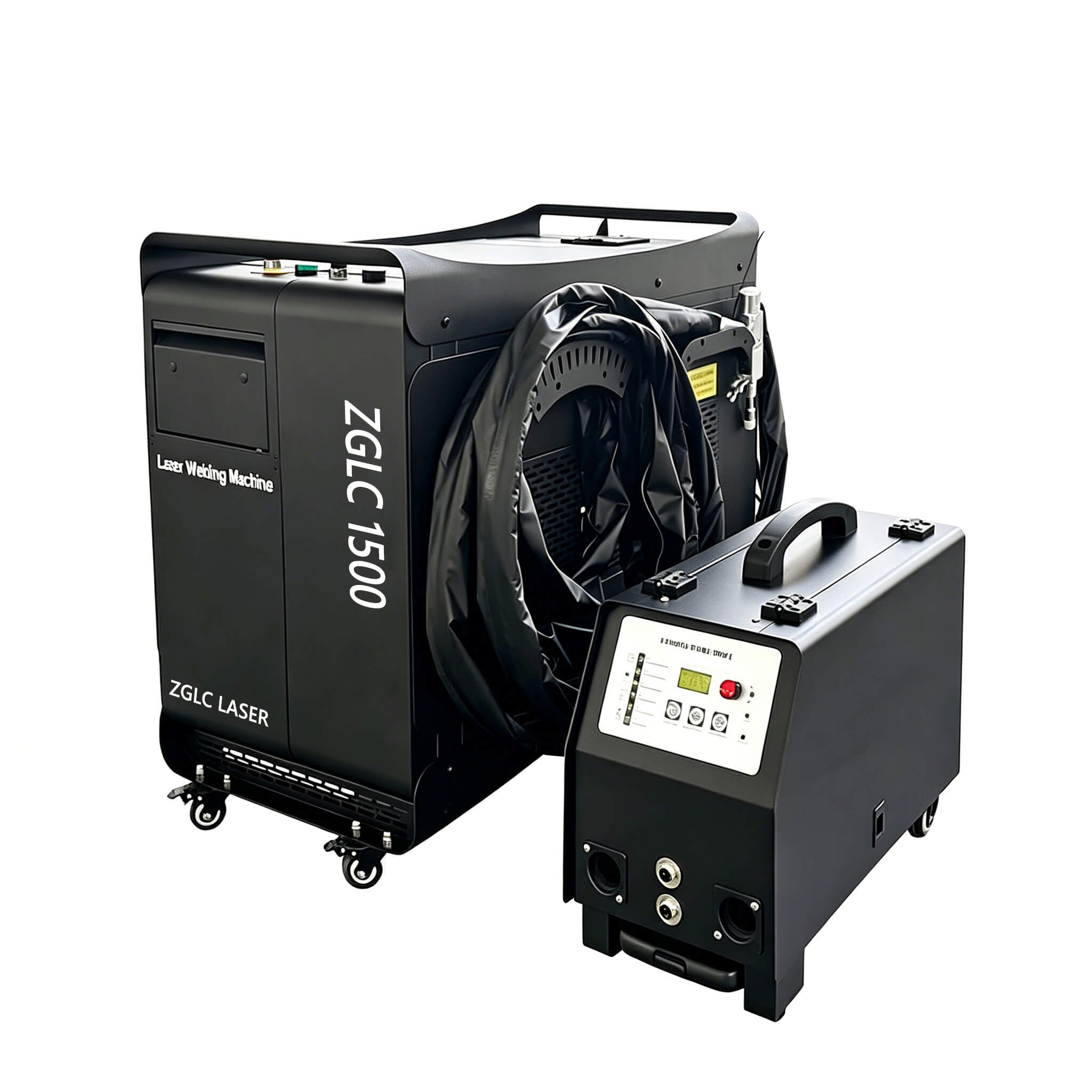
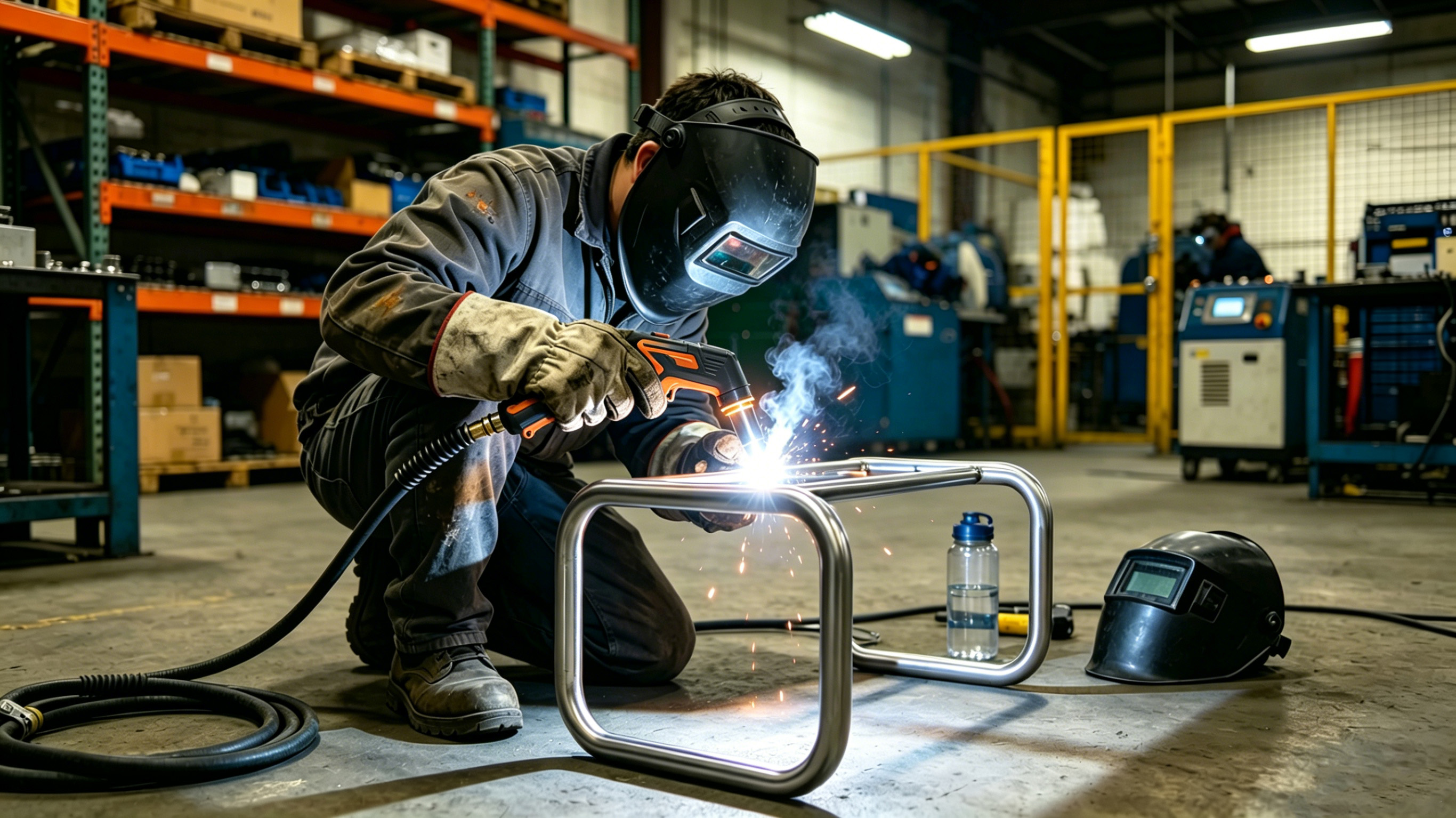
b) Handheld system – A portable laser welding machine tabletop on wheels, with a flexible fiber cable and a hand‑held gun. Great for custom fabrication, repair work, and small batch production.
c) Robotic welding machine (remote welding) – A robot arm moves the laser head at high speed. Used for car body assembly, where hundreds of welds are needed per vehicle.
d) Robotic welding for car frames – Heavy‑duty robots with high‑power lasers (4kW to 8kW) weld chassis and frame components. The combination of speed and strength is unmatched.
Conclusion
Laser welding is a mature, reliable technology that outperforms traditional methods in speed, precision, and cleanliness. Whether you need a compact laser welding machine tabletop for a small shop or a fully automated robotic cell, understanding the basics above will help you make the right choice.
Ready to see laser welding in action? Contact ZGLC Laser for a free sample weld on your parts.
Laser Welding Technology Applications: Advantages and Challenges
Elucidating the Impact of Laser Welding Techniques on Joint Formation, Microstructure, and Mechanical Properties of Ultra-Thin 316L Stainless Steel Sheets
Related Article