How Laser Welding is Solving the EV Battery Safety Puzzle
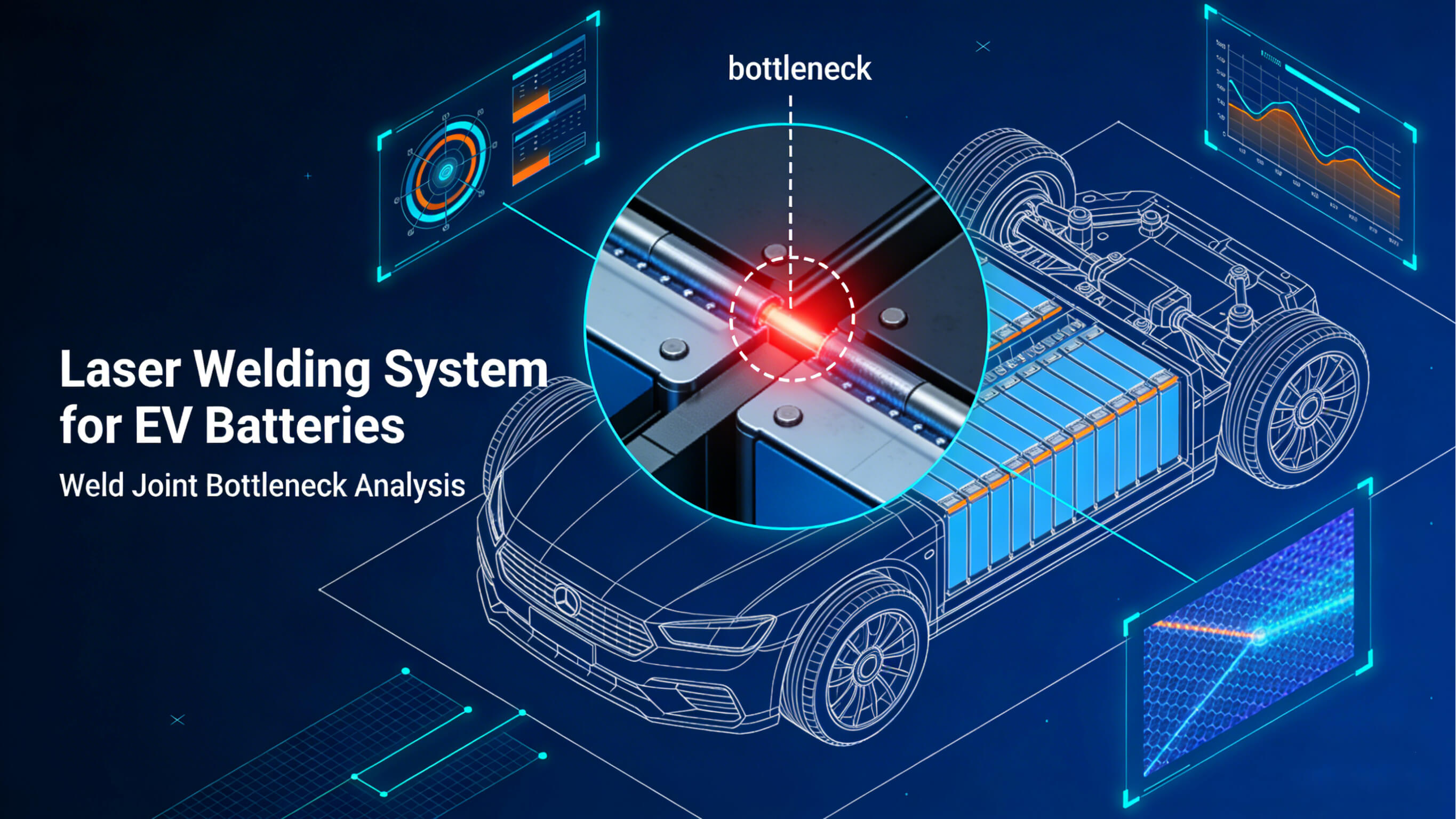
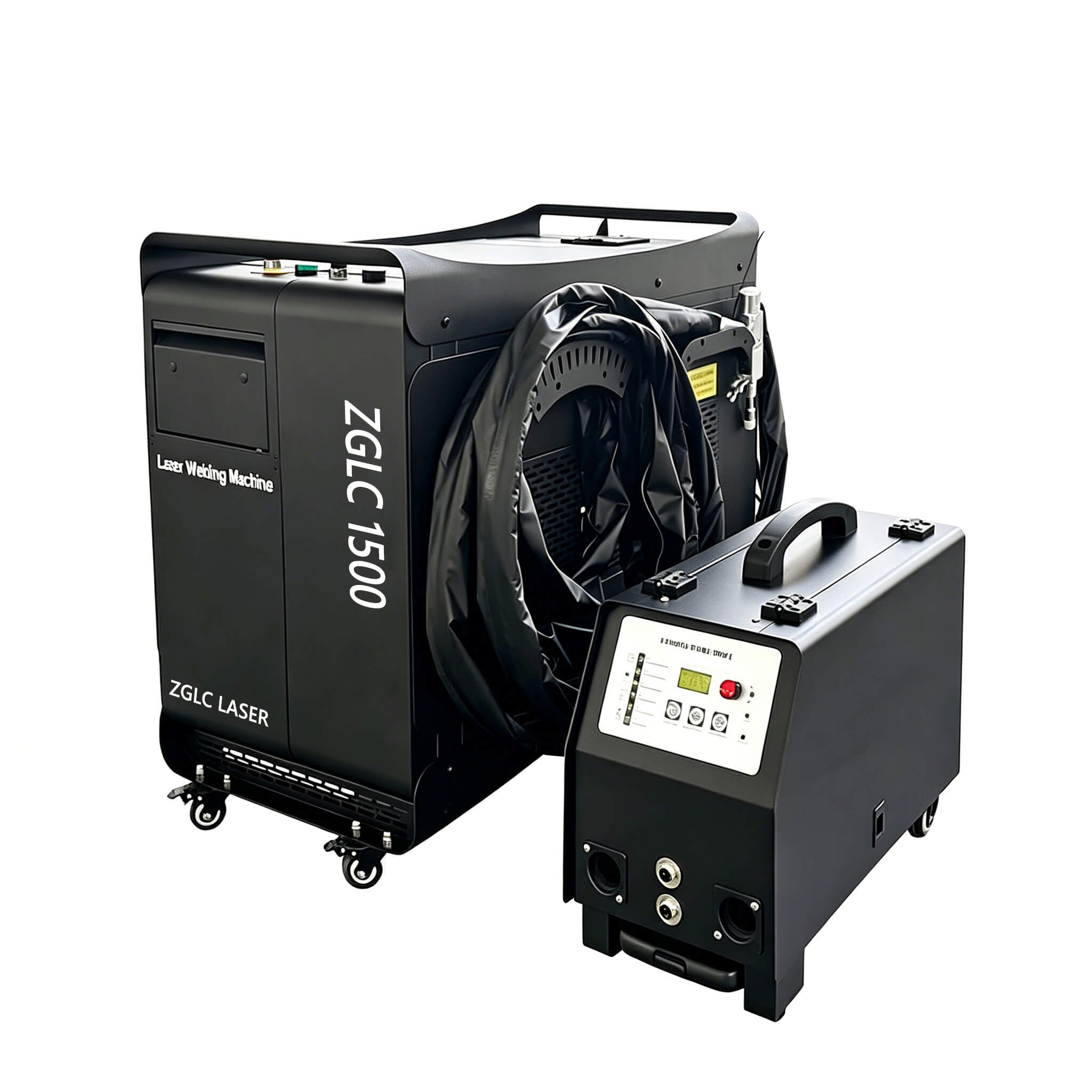
If you’ve been following the electric vehicle (EV) world, you know one thing: batteries are everything. And inside every EV battery pack, there’s a quiet hero making sure everything stays connected, safe, and efficient. That hero is laser welding for EV batteries.
Let’s be real—building EV batteries isn’t like assembling a toy car. You’re dealing with thin copper and aluminum tabs, thousands of cells, and zero room for error. A single bad weld can mean overheating, poor performance, or even safety risks. That’s why manufacturers are turning to laser welding for EV batteries as the go-to solution.
Why Traditional Welding Falls Short
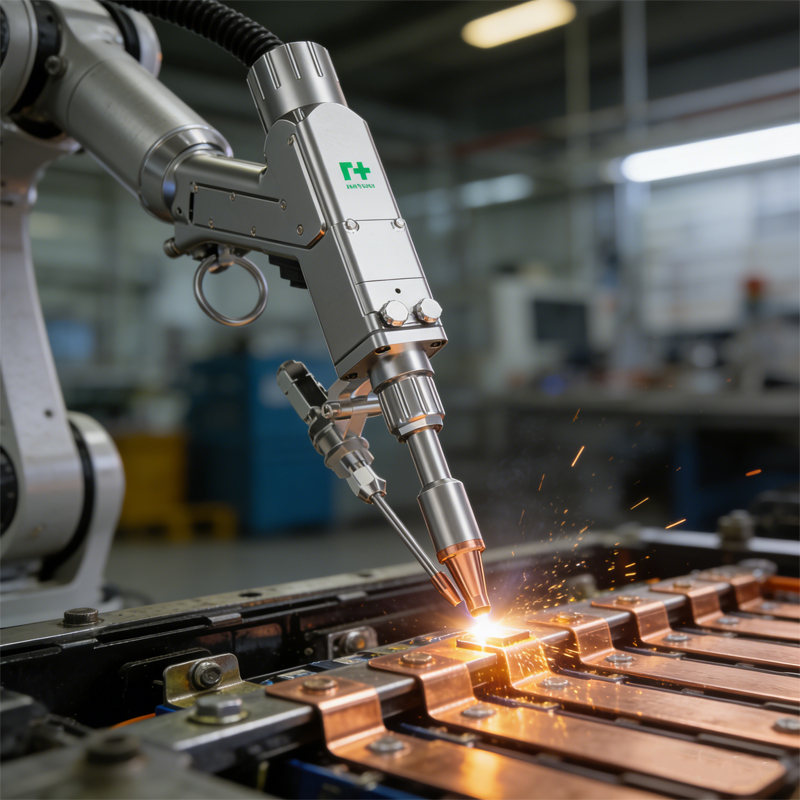
Remember when spot welding was the standard? It worked—kind of. But as EV batteries get more powerful and more compact, old methods just can’t keep up. With battery tab welding, you’re joining materials that are highly reflective (copper and aluminum), and you need to do it fast without creating sparks or debris.
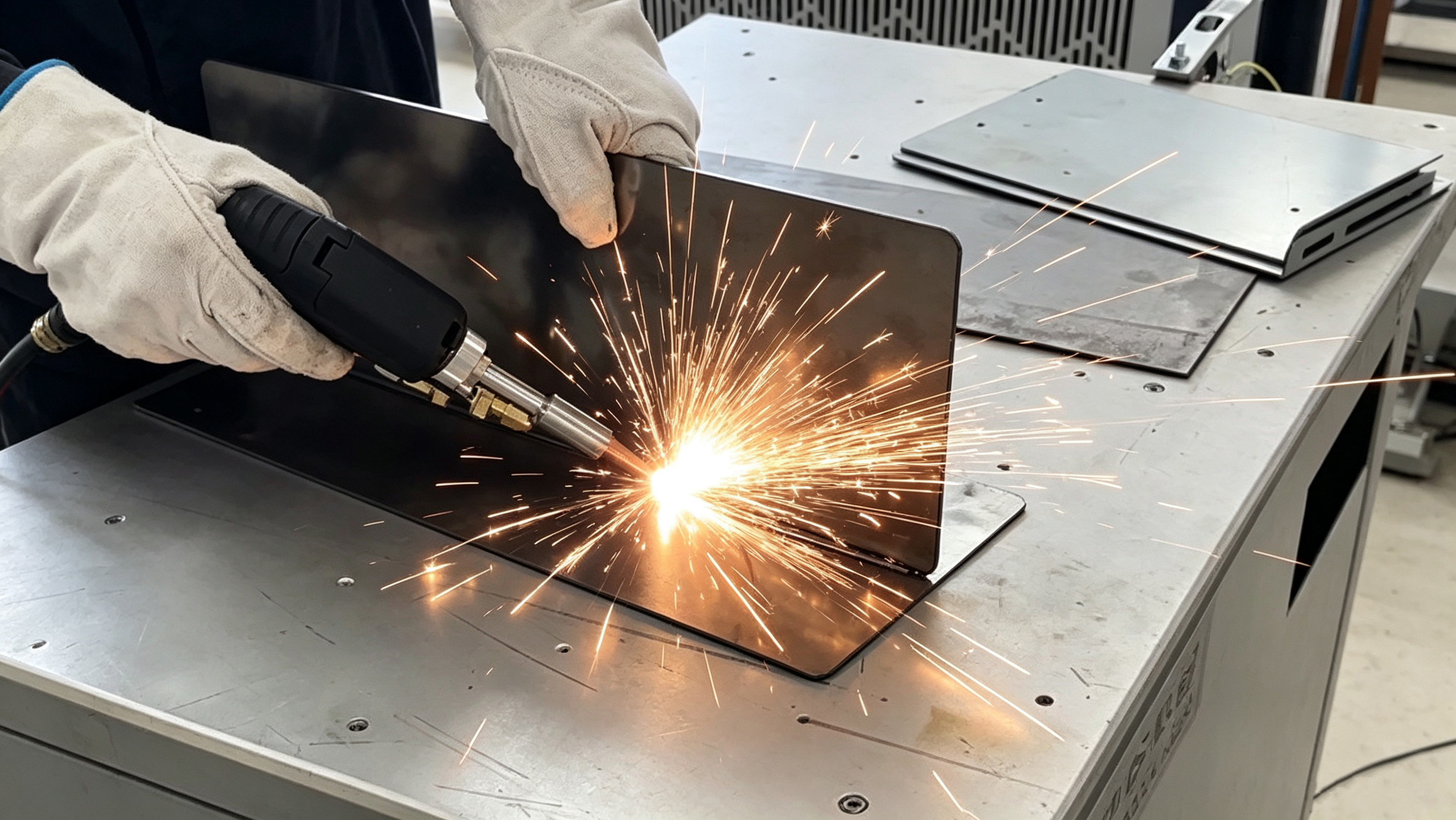
Here’s where laser welding for EV batteries shines. It delivers pinpoint accuracy, almost no heat spread, and consistent results even at crazy high speeds. In fact, modern production lines can handle over 2,400 parts per hour with defect rates below 0.1%.
The Real Game-Changer: Clean, Fast, and Smart
One of the coolest things about laser welding for EV batteries is how clean it is. There’s no filler material, no messy electrodes to replace, and minimal post-processing. That means lower maintenance costs and less downtime—two things every factory manager loves.
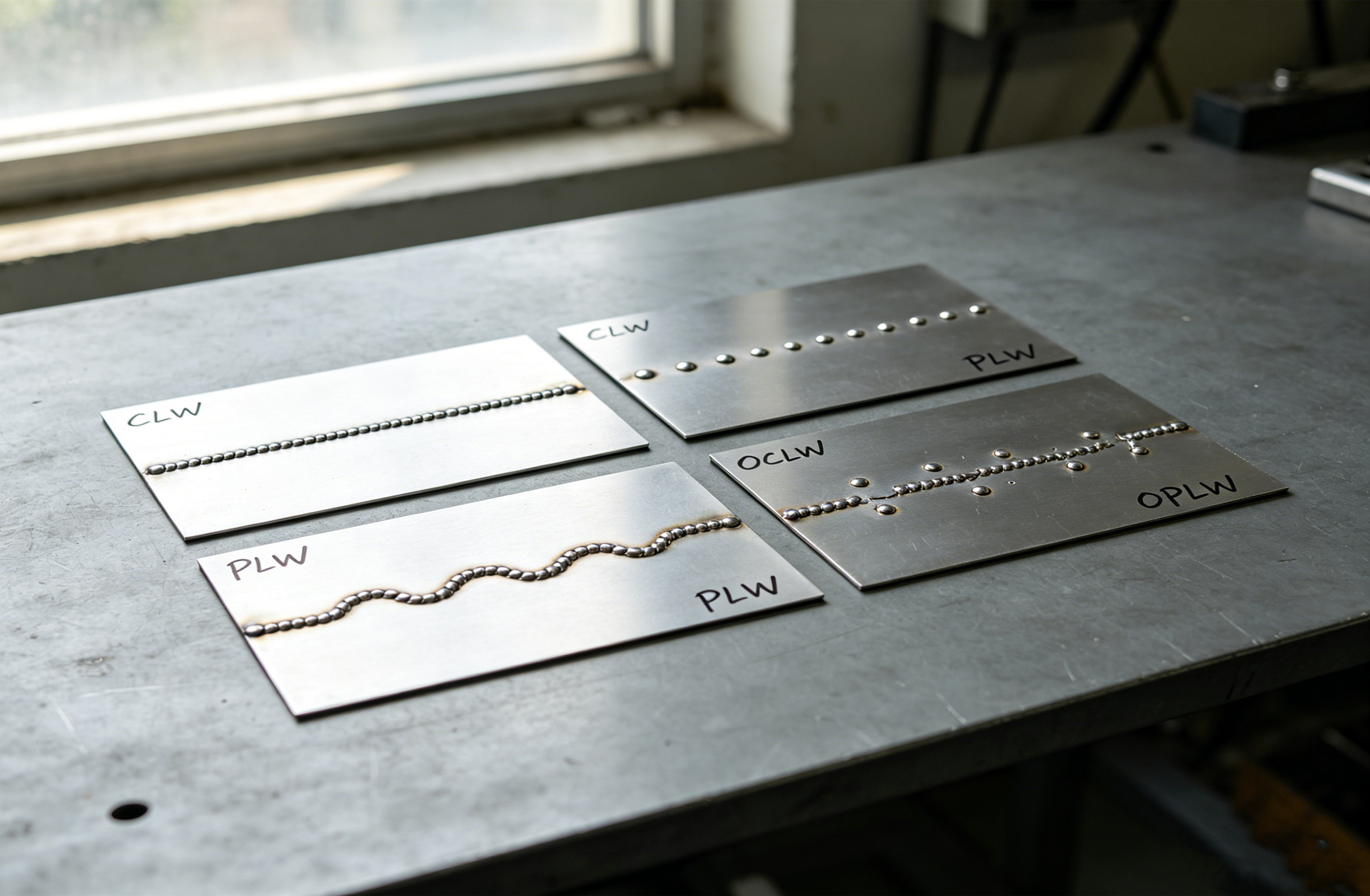
When it comes to battery tab welding, the challenge has always been controlling spatter. A tiny metal splatter can cause a short circuit inside a battery module. Newer laser technologies, like ring spot lasers, solve this by creating a stable melt pool. It’s like having a precision tool that gently heats the metal before fully welding it. The result? Smooth, strong joints with almost zero spatter.
What’s Driving the Shift in 2026
This year, laser welding for EV batteries is becoming the default choice for gigafactories worldwide. Why? Because manufacturers are moving toward structural battery packs and cell-to-pack designs. These innovations require welding techniques that can handle complex geometries and mixed materials.
Battery tab welding is also getting smarter. AI-powered vision systems now inspect every weld in real time. If something looks off—like a misaligned tab or inconsistent depth—the system adjusts instantly. This kind of intelligence wasn’t possible with older welding methods.
A Quick Look at the Numbers
Let’s put it in perspective. A single EV battery pack can have hundreds or even thousands of tab welds. If just one weld fails, the whole pack could be compromised. With traditional methods, defect rates often hover around 1–2%. With modern laser welding for EV batteries, top-tier manufacturers are achieving defect rates below 0.1%. That’s a massive leap in reliability.
And it’s not just about quality. Speed matters too. High-speed battery tab welding systems can complete a weld in under 25 milliseconds. Multiply that by thousands of welds per pack, and you’re talking about shaving hours off production time.
Why This Matters for Drivers
All this tech talk boils down to one thing: safer, longer-lasting EVs. When laser welding for EV batteries is done right, it helps ensure that your car’s battery stays reliable for years. No sudden range drops. No unexpected failures. Just consistent, dependable performance every time you hit the road.
For manufacturers, investing in high-quality laser welding for EV batteries isn’t just about meeting production targets. It’s about building trust with customers. After all, nobody wants to worry about battery safety when they’re driving their brand-new EV.
The Bottom Line
Whether you’re an engineer, a factory manager, or just an EV enthusiast, it’s worth paying attention to how laser welding for EV batteries is reshaping the industry. As battery designs get more advanced, the demand for smarter, cleaner, and faster battery tab welding will only grow.
2026 is shaping up to be a big year for EV manufacturing. And at the heart of it all? A laser beam, doing its job with precision you can count on.
Aerospace Precision Manufacturing – The “Interstellar” Weld Joint for Dissimilar Materials
Mastering Dissimilar Metal Welding: How to Join Copper to Stainless Steel
Related Article