Laser Engraver Safety: A Complete Guide to Risks and Safe Operation
Laser engravers have revolutionized crafting and manufacturing, offering unparalleled precision on materials like wood, acrylic, and leather. However, their powerful beams demand a thorough understanding of safety protocols. Operating a laser engraver without this knowledge can lead to serious injury or property damage. This guide breaks down the potential risks and provides clear, actionable advice for everyone from hobbyists to professionals, ensuring you can harness this technology responsibly and safely.
What Makes a Laser Engraver Potentially Dangerous?
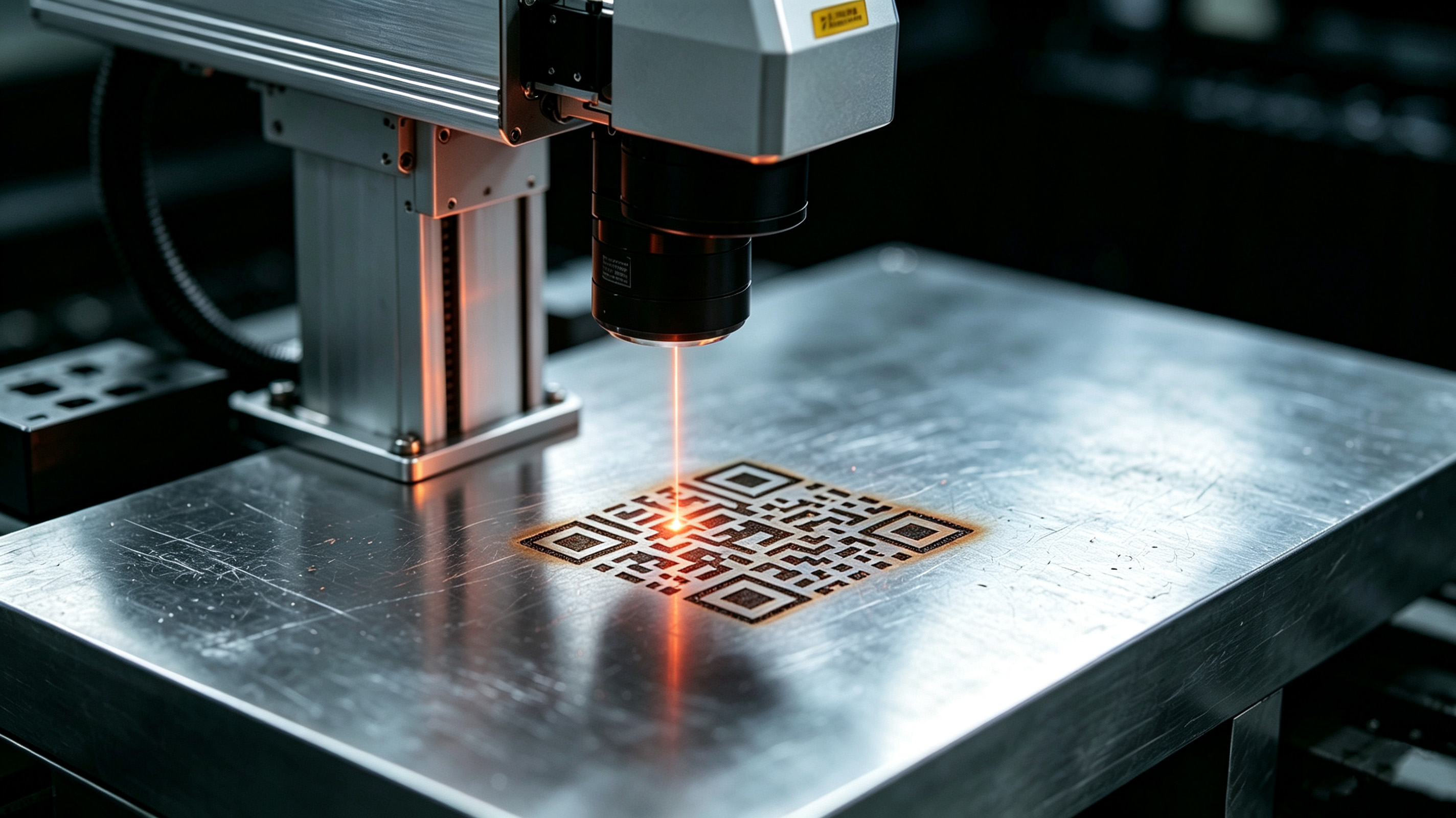
At its core, a laser engraver uses a highly concentrated beam of light to vaporize or burn material away. This very mechanism of action is what creates the primary hazards. The risks are not just from the beam itself, but from the entire engraving process.
The main dangers include:
-
Eye Injury: Direct or even reflected laser light can cause permanent retinal damage in an instant. Different laser types (e.g., CO2 vs. Diode) pose different risks, but you should never look directly at the beam.
-
Skin Burns: Direct exposure to the laser beam will result in severe skin burns. While enclosures mitigate this, it remains a significant risk during maintenance or if interlocks are bypassed.
-
Toxic Fumes: Perhaps the most underestimated risk, engraving certain materials releases hazardous airborne contaminants. These can include carcinogens and acute respiratory irritants.
-
Fire Hazard: The engraving process generates intense heat. If a material is too flammable or the laser power is set incorrectly, it can easily ignite, especially if the machine is left unattended.
-
Electrical Risks: High-voltage components inside the machine can cause severe electric shock if accessed by unqualified personnel.
Are Laser Engravers Safe for Home Use?
Yes, modern laser engravers can be safely used in a home workshop, but this safety is entirely conditional on diligent practices. Manufacturers have made strides with built-in features like protective enclosures, safety interlocks that stop the laser when the door is opened, and auto-shutoff functions.
Key considerations for home use are:
-
Dedicated Space: Set up the engraver in a well-ventilated, low-traffic area away from children and pets.
-
Vigilance: Never leave the machine running unattended. A fire can start in seconds.
-
Material Awareness: Strictly avoid engraving prohibited materials like PVC or ABS (covered in detail below).
-
Emergency Preparedness: Keep a Class B fire extinguisher within easy reach and ensure you know how to use it.
What Materials Are Dangerous to Engrave?
Knowing your materials is non-negotiable. Engraving the wrong substrate can damage your machine and, more importantly, release lethal gases.
Absolutely Avoid These Materials:
-
PVC (Polyvinyl Chloride): Releases chlorine gas, which is highly toxic and corrosive.
-
ABS Plastic: Emits hydrogen cyanide, a potent respiratory poison.
-
Fiberglass: Produces a mix of toxic particulates and fumes.
-
Polycarbonate/Lexan: Tends to discolour and melt rather than engrave cleanly, producing dense, irritating smoke.
-
Coated Metals or Carbon Fiber: The coating can vaporize into dangerous fumes, even if the base metal is safe.
Generally Safe Materials:
-
Natural Woods (avoid treated or painted wood)
-
Acrylic (PMMA)
-
Anodized Aluminum
-
Leather
-
Glass
-
Paper and Cardboard
What Safety Equipment Do You Need for Laser Engraving?
Investing in the right safety equipment is a direct investment in your wellbeing. Do not cut corners.
| Safety Equipment | Purpose | Importance |
|---|---|---|
| Laser Safety Glasses | Filters specific laser wavelengths to protect your eyes. | Essential. Must be matched to your laser's type. |
| Fume Extractor/Ventilation | Actively removes smoke and toxic fumes from the work area. | Critical. A open window is rarely sufficient. |
| Fire Extinguisher | To quickly extinguish a material fire. | Mandatory. A Class B (flammable liquids/gasses) is recommended. |
| Machine Enclosure | Contains the laser beam, reflections, and a significant amount of smoke. | Highly Recommended. Many consumer models come with one. |
| Non-Flammable Base | A metal or ceramic base plate can prevent fire from spreading. | A prudent precaution. |
Can Fumes from Laser Engraving Make You Sick?
Yes, unequivocally. The fumes produced are not merely "unpleasant smoke"; they are a complex cocktail of vaporized material that can be harmful to your health.
-
Short-Term Exposure can lead to headaches, eye and throat irritation, nausea, and dizziness. It's your body's immediate warning system.
-
Long-Term Exposure, even to low levels of fumes from materials like wood or acrylic, can lead to chronic respiratory conditions, allergic sensitization, and other serious health issues over time. Proper fume extraction is not optional; it is a fundamental requirement for any indoor laser operation.
How Do Professionals Reduce Risks with Laser Engravers?
In industrial settings, the stakes are higher due to more powerful equipment and longer operational hours. Professionals mitigate risk through a culture of safety enforced by protocols and equipment.
-
Engineering Controls: Using fully interlocked enclosures that halt the laser if opened, and installing industrial-grade fume extraction systems that vent outdoors or through HEPA/charcoal filtration.
-
Administrative Controls: Implementing formal training programs, adhering to OSHA (Occupational Safety and Health Administration) or local safety standards, and maintaining strict logbooks for machine maintenance.
-
Proactive Maintenance: Regularly cleaning lenses and mirrors, checking alignment, and servicing extractors to ensure everything functions as intended.
Are Laser Engravers Dangerous for Beginners?
Laser engravers are as dangerous as a beginner allows them to be. The learning curve is where most risks manifest. However, by starting responsibly, beginners can minimize these risks significantly.
-
Start Low and Slow: Begin with a lower-power diode laser and simple, safe materials like untreated wood or acrylic.
-
Become the Manual's Best Friend: Read the machine manual cover-to-cover. Understand every error message and safety feature.
-
Supervision is Key: Do not leave your first dozen jobs running unattended. Watch for any signs of flare-ups or unusual smoke.
-
Respect the Unknown: If you are unsure about a material's composition, do not engrave it.
What Are the Long-Term Risks of Using a Laser Engraver?
Beyond the immediate dangers, long-term use presents its own set of risks, primarily centered on health and maintenance.
-
Respiratory Health: The most significant long-term risk is cumulative damage to the respiratory system from inadequate fume management.
-
Repetitive Strain Injury: Related to loading and unloading materials frequently.
-
Machine Degradation: Without regular maintenance, performance declines and the risk of electrical or mechanical failure increases over time.
How Dangerous Are Different Types of Laser Engravers?
The risk profile escalates with the laser's power and wavelength.
| Laser Type | Power Range | Common Uses | Risk Level & Primary Concerns |
|---|---|---|---|
| Diode Laser | 1-10W | Hobbyists, paper, wood, leather | Low to Moderate. Primary risks are fire and fume inhalation. Eye risk is present but often requires more direct exposure. |
| CO2 Laser | 40-150W | Acrylic, wood, glass, textiles | Moderate to High. Significant fire and fume risk. The infrared beam is invisible, increasing the eye hazard. |
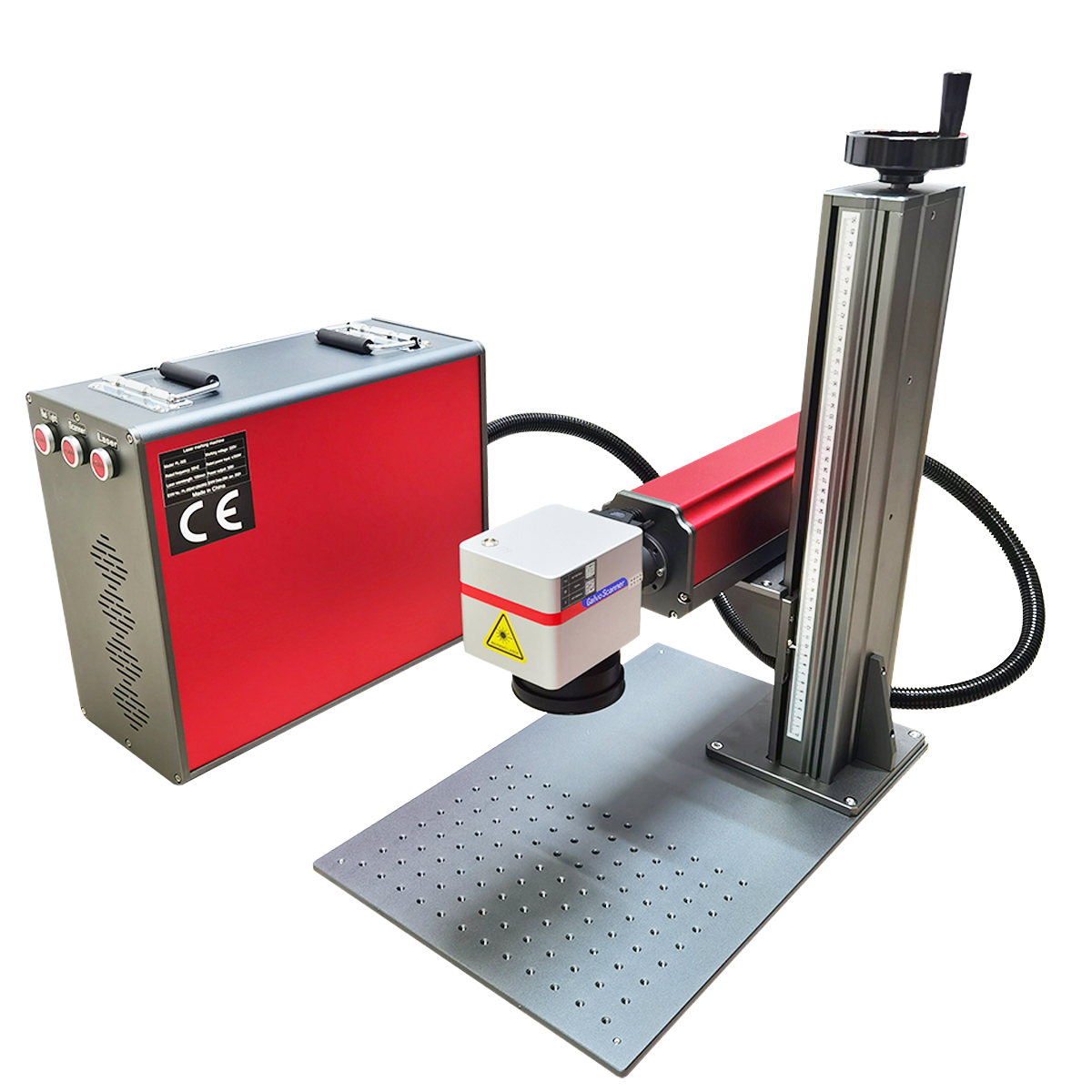
| Fiber Laser | 20-100W | Metal marking, annealing | Moderate to High. The reflected light can be just as dangerous as the primary beam. Creates fine metallic particulates. |
FAQs About Laser Engraver Safety
Should you wear a mask when laser engraving?
A respirator mask with particulate filters (like an N95) provides a secondary layer of protection against airborne particles, but it should never be your primary defense. It does not filter out all toxic gases. A proper fume extraction system is non-negotiable and far more effective.
Is it safe to watch a laser engraver?
It is safe to observe the process through the machine's viewing window, provided it is made from the correct shielding material (e.g., orange acrylic for diode lasers). Never look directly into the beam path, even from a reflection, and always wear your designated laser safety glasses if the enclosure is open or missing.
Do you need ventilation for a laser engraver?
Yes, ventilation is an absolute requirement, not a suggestion. All laser engraving produces smoke and particulates that are harmful to your health and can coat the interior of your machine with corrosive residue. A dedicated fume extractor or an externally-vented exhaust system is essential for safe and clean operation.
Complete Guide to Laser Engraving QR Codes: Permanent & Scannable
About Laser Marking Machines: How They Work?
Related Article