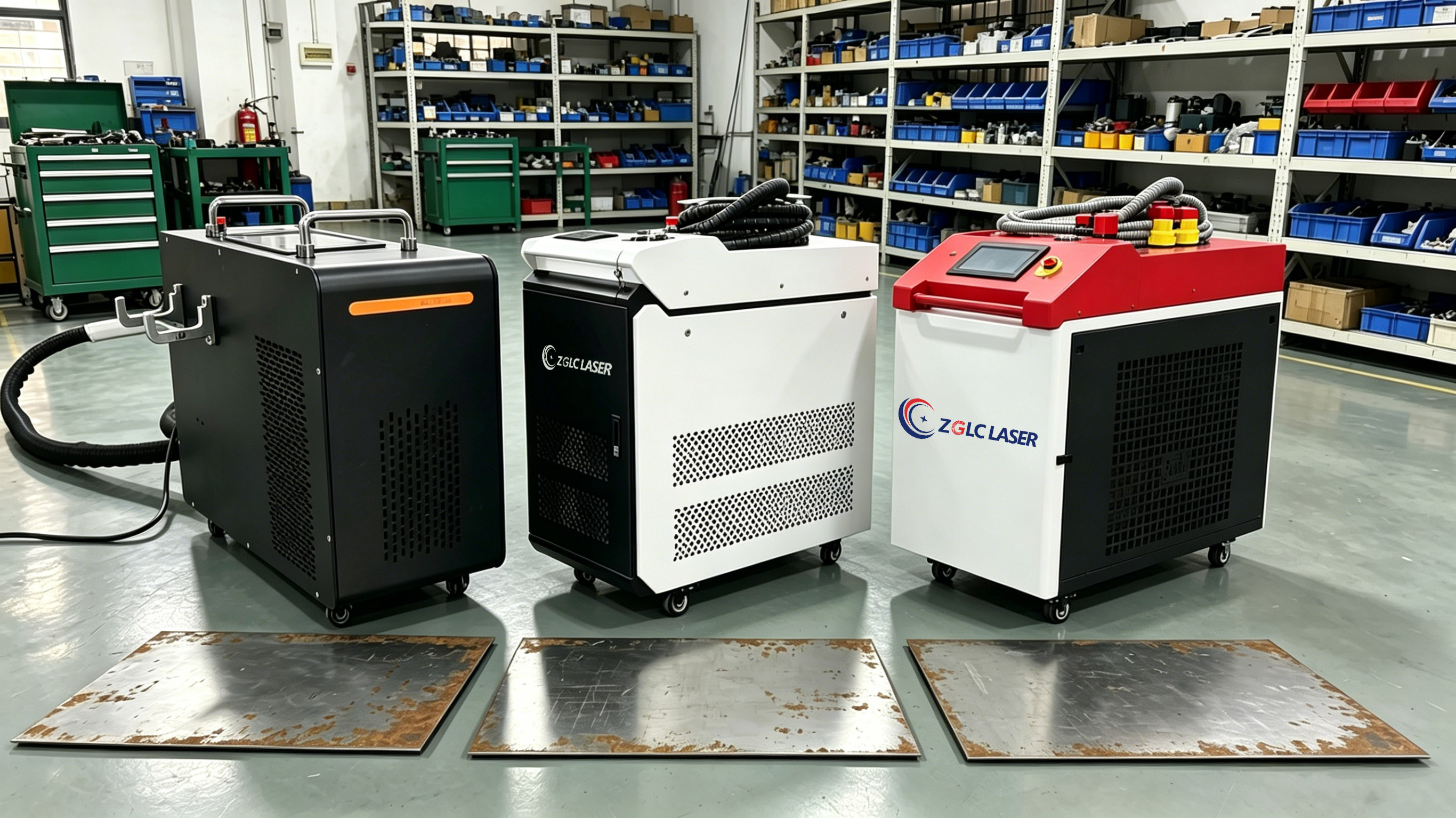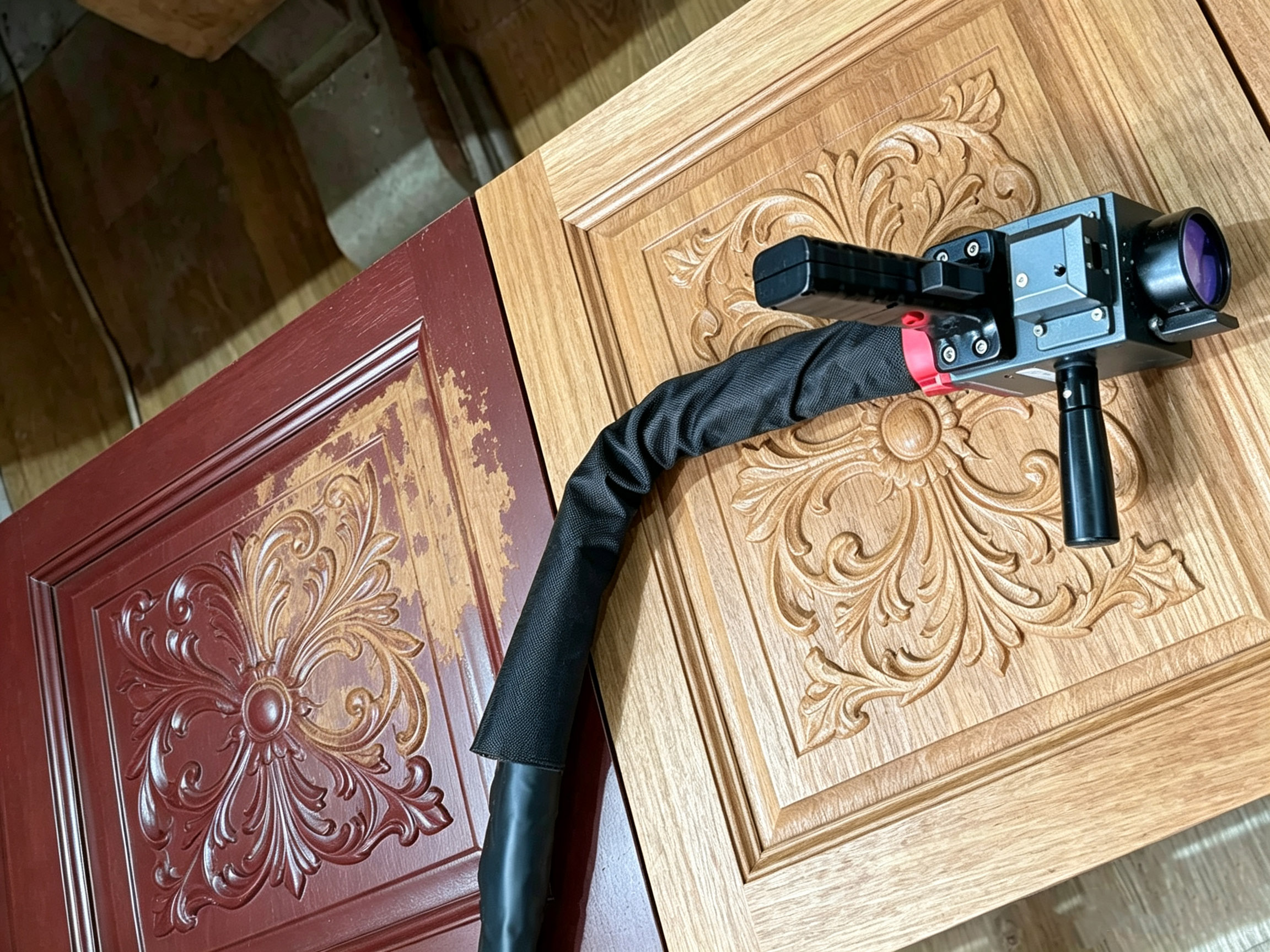
A Practical Guide: How to Choose a Laser Cleaning Machine?
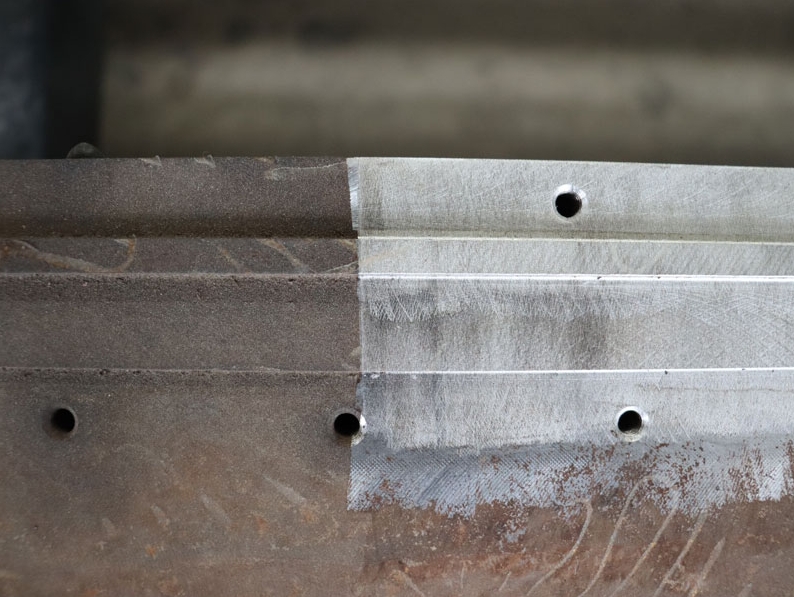
When choosing a laser cleaning machine, several factors need to be considered, including the type of laser source, power output, wavelength, pulse duration, and beam quality. The most common types of lasers used for cleaning are pulse laser cleaner and continous laser cleaner, we will show you how to choose the correct laser cleaner for your work.
1. What's the Pulse Laser Cleaning Technology?

Pulse laser cleaning operates like a rapid-fire precision hammer rather than a continuous heat source. It delivers energy in extremely short bursts—measured in nanoseconds or even picoseconds—creating instantaneous high peak power that mechanically shocks contaminants off surfaces through photoacoustic effects.
The key advantage lies in what technicians call "cold ablation." The laser's brief pulses remove rust, paint, or coatings without transferring heat to the underlying material. This makes it ideal for delicate components, historical artifacts, and precision manufacturing where preserving the substrate is critical.
2. What Can Laser Cleaning Machines Do?
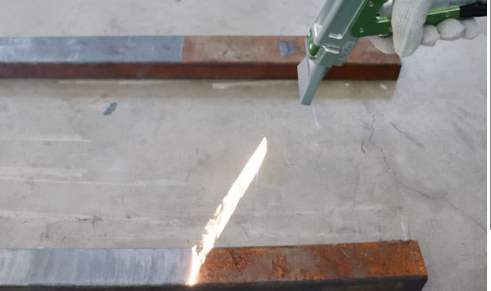
Laser cleaning systems remove contaminants through non-contact processes, eliminating the mess and surface damage associated with traditional methods like sandblasting or chemical cleaning.
Industry Applications & Technology Selection:
-
Aerospace & Automotive: Choose pulse lasers for engine components, turbine blades, and sensitive parts where zero heat damage is mandatory
-
Shipbuilding & Heavy Industry: Continuous wave systems efficiently strip thick rust and coatings from large surfaces like hulls and structural steel
-
Cultural Restoration: Pulse technology safely cleans historical monuments and artifacts without abrasion
-
Manufacturing: Pulse lasers excel at pre-weld cleaning and removing oxides from precision tools
-
Mining Equipment: Continuous wave handles heavy rust and mineral deposits on machinery surfaces
3. Pulse Laser Power and Energy Specifications
Pulse lasers are defined by both average power and pulse energy, creating different cleaning capabilities:
-
Low Power (20-50W): Suitable for fine rust removal, small part cleaning, and delicate restoration work
-
Medium Power (50-100W): Handles general industrial cleaning, paint removal, and medium-scale applications
-
High Power (100-500W+): For heavy-duty rust removal and large-scale industrial cleaning projects
Pulse energy typically ranges from millijoules to several joules per pulse, with higher energy providing more aggressive cleaning action.
4. Selection Guide for First-Time Buyers
New buyers should consider these practical factors:
-
Start with Your Material: Test how your specific contaminants respond to both pulse and continuous technologies
-
Match Power to Throughput Needs: Higher power means faster cleaning but increased investment
-
Consider Operational Costs: Factor in maintenance, electricity consumption, and consumables
-
Evaluate Ease of Use: Look for intuitive software and reliable technical support
-
Plan for Future Needs: Consider whether your applications might expand to require different capabilities
5. Mining Sector Case: Laser Selection Strategy
For mining equipment maintenance, the choice becomes straightforward:
Laser Type Recommendation:
Continuous wave lasers typically outperform in mining applications. The constant power delivery efficiently handles thick rust, mineral deposits, and heavy coatings found on mining machinery, while the higher average power speeds up cleaning of large equipment surfaces.
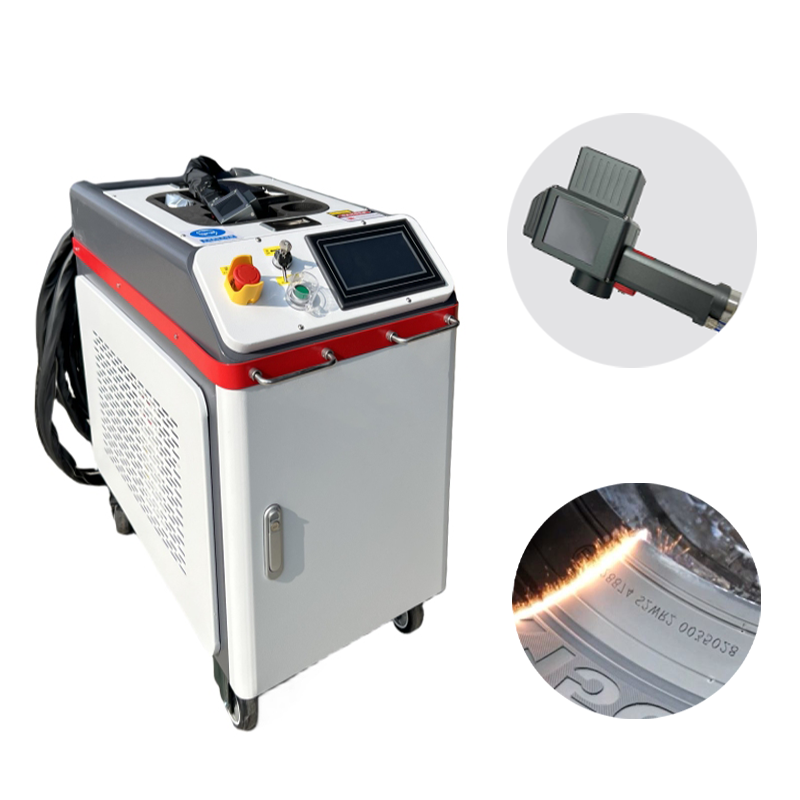
Power Selection Guide:
-
200-500W: Adequate for routine maintenance and spot cleaning
-
1000W and above: Recommended for extensive and heavy rust removal and processing large equipment like excavator arms and haul truck components
Mining operations benefit from the faster cleaning speed of continuous wave systems when dealing with the substantial surface areas typical in this industry.
6. Making Your Final Decision
Choosing the right laser cleaning machine ultimately depends on answering three key questions:
What are you cleaning?
A:Delicate components demand pulse technology, while heavy industrial applications lean toward continuous wave.
How fast do you need to clean?
A: Continuous wave generally offers higher throughput for large areas.
What's your quality requirement?
A: Pulse lasers provide superior precision with minimal thermal impact.
The most successful investments begin with material testing and clear operational objectives. By matching the laser technology to your specific contaminants, production requirements, and quality standards, you'll maximize return on investment and cleaning performance.
Why We Need Do Industrial Aluminum Cleaning Before Welding?
Air Cooling Laser vs. Water Cooling Laser
Related Article