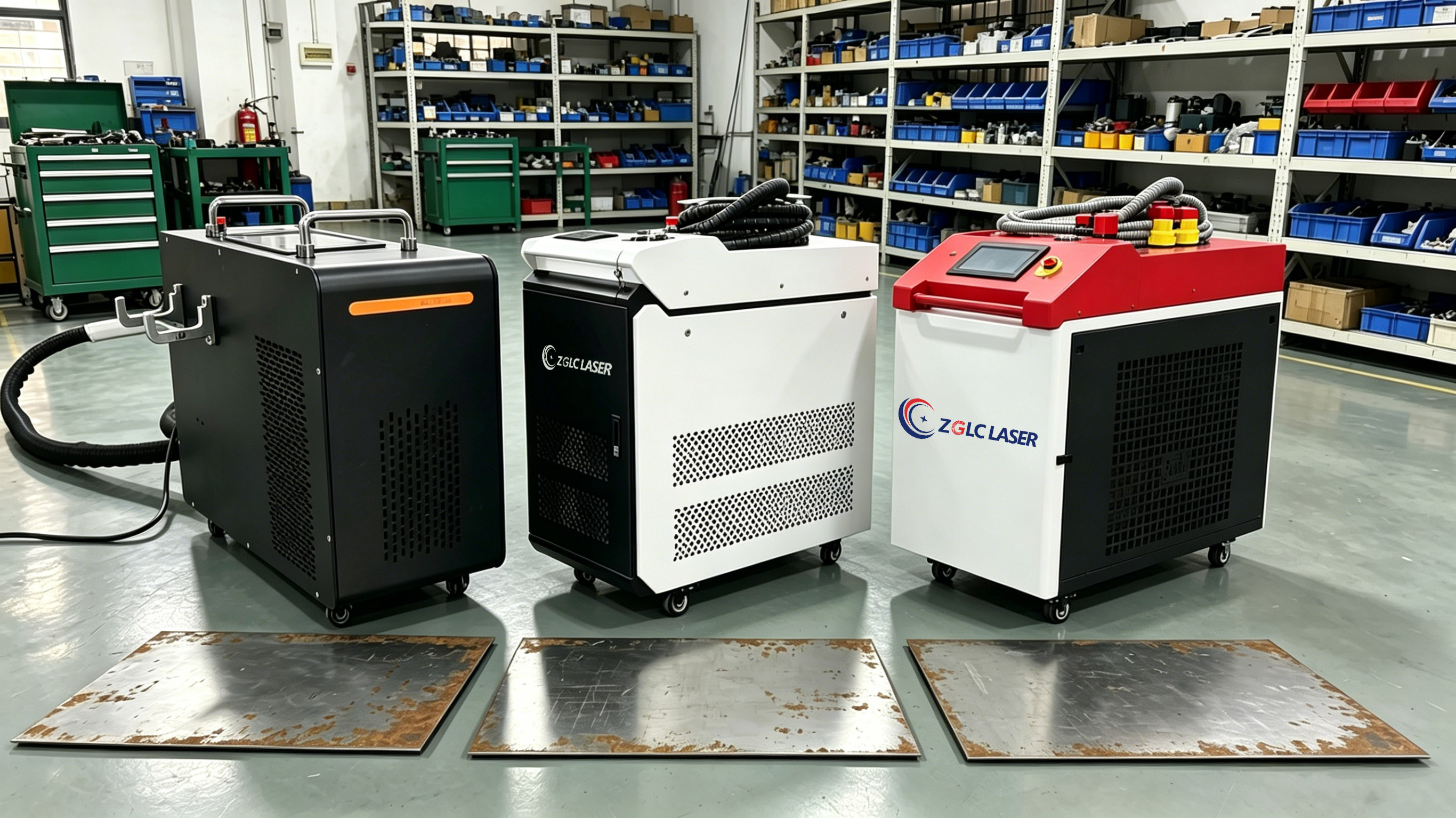
Laser Rust Removal for Oil & Gas: A Cleaner, Smarter Way to Fight Corrosion

Corrosion is common in every oil and gas facility industry. On offshore platforms and remote well sites, fighting rust is a constant, costly, and hazardous battle. Traditional methods like sandblasting create more problems than they solve. Today, laser rust removal is changing the game, offering a superior solution for modern oil rig maintenance. Let’s explore why.
1. The Rust Problem & The Laser Solution
Oil and gas infrastructure faces relentless attack from saltwater, humidity, and chemicals. Traditional oil rig maintenance often involves abrasive blasting or chemical strippers, which come with major headaches: toxic dust containment, massive waste disposal, environmental permits, and work stoppages to protect other equipment and personnel.
Laser rust removal tackles these challenges head-on. It uses concentrated light to vaporize rust, paint, and contaminants without touching the base metal. The advantages are clear: no secondary waste, no toxic chemicals, minimal surface preparation, and the ability to work in tight spaces without extensive containment. This translates to less downtime, lower disposal costs, and a safer work environment—a critical upgrade for efficient oil rig maintenance.
2. How HJYC-OPTO's Laser Cleaning Works
Think of our laser not as a torch, but as a precision eraser. Our laser rust removal systems deliver ultra-short pulses of high-energy light onto the surface. The contaminant layer (rust, salt, old coating) absorbs this energy and instantly turns into plasma or fine dust, which is then vacuumed away. The key is pulse control: the energy stops before heat can transfer to the underlying steel, leaving it completely intact and ready for inspection or recoating.
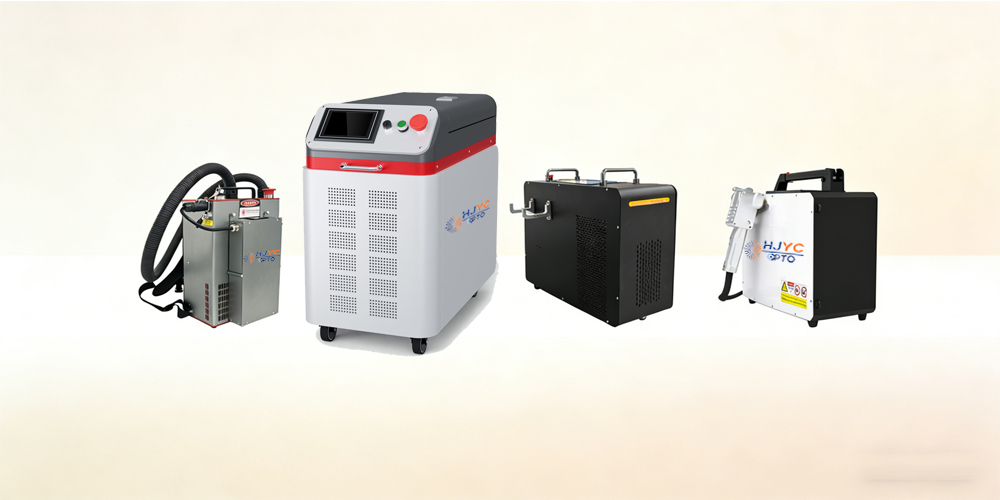
3. Why Our Laser Equipment is the Right Tool for the Job
Our portable and robust laser rust removal systems are engineered for the harsh conditions of oil rig maintenance. Here’s what sets them apart:
-
Unmatched Precision & Safety: Removes only the corrosive layer, preserving critical pipe and structural thickness. Eliminates the risk of substrate damage common with abrasive methods.
-
Dramatically Reduced Waste & Cost: The process creates only a small volume of dust, captured by an integrated filter. This eliminates the enormous cost of media procurement, containment, and hazardous waste disposal tied to sandblasting.
-
Operational Efficiency: Setup is quick. There's no need for elaborate plastic enclosures or moving other equipment. Work can often proceed adjacent to other activities, drastically reducing platform or site downtime.
-
Environmental Compliance: With no chemicals, toxic runoff, or airborne silica dust, laser rust removal simplifies compliance with strict environmental and worker safety regulations (like OSHA silica rules).
4. Laser vs. Traditional Methods: A Clear Comparison
| Factor | Sandblasting | Chemical Cleaning | Laser Rust Removal |
|---|---|---|---|
| Process | Abrasive, damaging | Toxic, hazardous | Non-contact, precise |
| Secondary Waste | High (spent media + coating) | High (toxic sludge) | Very Low (captured dust) |
| Surface Impact | Can thin & etch metal | Can cause hydrogen embrittlement | Preserves substrate integrity |
| Prep/Cleanup Time | Very High (containment) | High (neutralization) | Low |
| Environmental Risk | High (dust, containment failure) | Very High (spills, fumes) | Low |
| Operational Cost | Medium (ongoing media cost) | Medium (chemical cost) | Higher initial, lower lifetime |
5. Environmental Factors & Best Practices
While robust, laser rust removal requires awareness of its operating environment for optimal results and safety in oil rig maintenance.
-
What to Manage: The primary byproduct is fine dust, which requires proper vacuum collection, especially in confined spaces. The process also requires a stable power source. Highly reflective surfaces may require parameter adjustments.
-
What to Avoid: Never operate the laser on surfaces contaminated with flammable substances (like oil slicks) without proper cleaning first, as this is a fire hazard. Always use the provided laser safety glasses. Ensure adequate fume extraction when removing coatings that may produce toxic fumes.
6. The Energy & Efficiency Advantage
From an energy optimization perspective, laser rust removal is strikingly efficient. Traditional sandblasting consumes energy not just in the blasting itself, but massively in the "hidden" lifecycle costs: manufacturing and transporting thousands of kilograms of abrasive media, and then the energy required to collect, transport, and process the resulting hazardous waste.
In contrast, a laser rust removal system converts electrical energy directly into cleaning action with minimal waste. The "consumable" is light. The efficiency gain is in the dramatic reduction of secondary energy expenditures—no media production, less waste transportation, and shorter project timelines that reduce the energy footprint of support vessels and site operations. For sustainable oil rig maintenance, this closed-loop efficiency is a game-changer.
Ready to modernize your corrosion control strategy? Contact HJYC-OPTO to see how our laser rust removal technology can make your next maintenance turn-around safer, faster, and more cost-effective.
The Laser Co-bot Simplifying Surface Prep
Say Goodbye to the White Chalk: 4 Ways to Remove Aluminum Oxide
Related Article