The Future of Laser Equipment: Innovations and Trends Shaping the Industry

The Future of Laser Equipment: Innovations and Trends Shaping the Industry
Laser technology has evolved tremendously over the last few decades. From its early use in medicine and manufacturing to cutting-edge applications in communications, entertainment, and even space exploration, lasers have become indispensable tools in many sectors. As we look to the future, several key trends and innovations are set to redefine the laser equipment industry.
1. Advancements in Medical Laser Technology
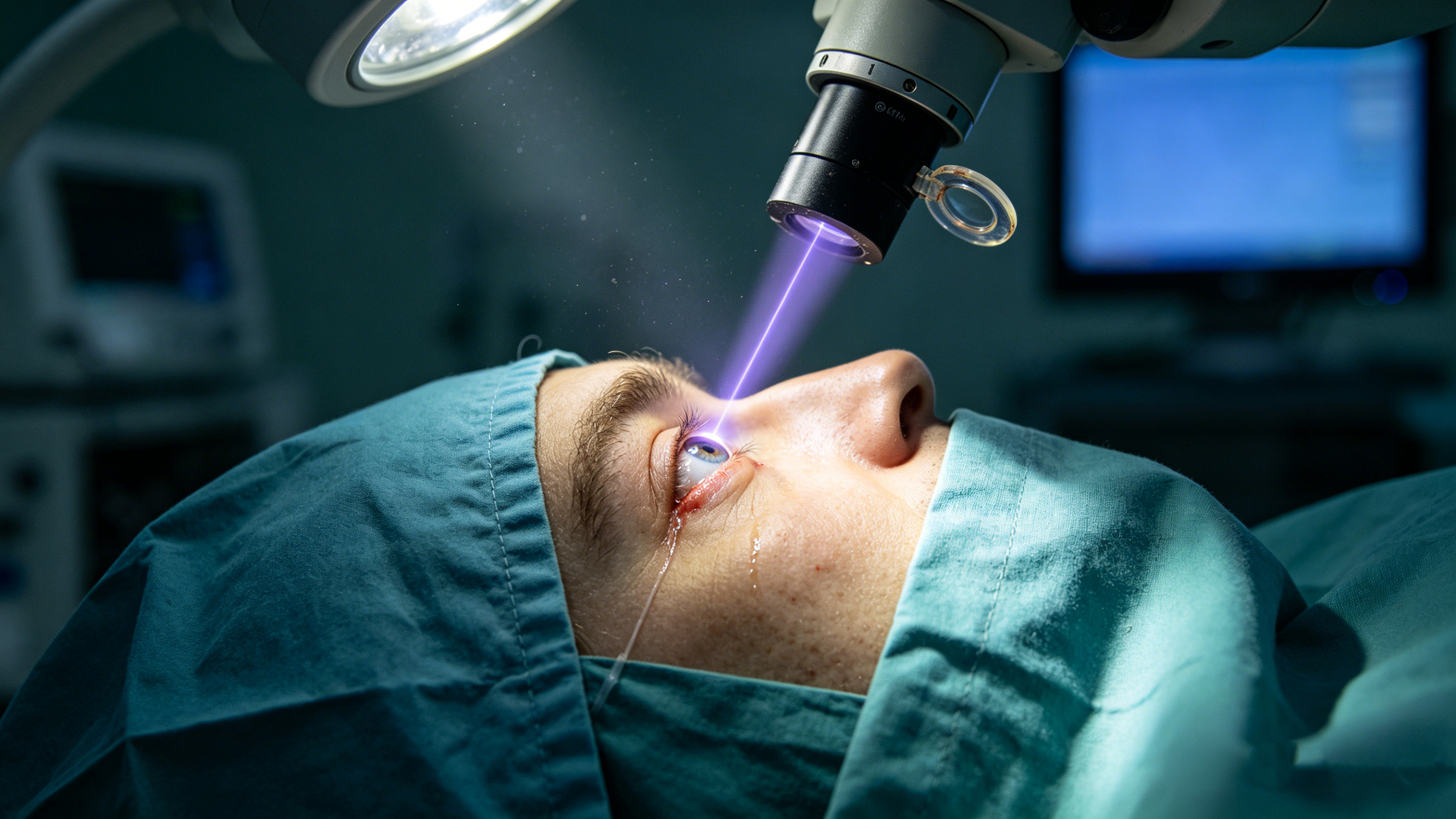
One of the most exciting developments in the laser industry is its application in medicine. The medical laser market has been growing at a rapid pace, with applications expanding beyond traditional uses such as eye surgery and dental procedures. Lasers are now being used for advanced cancer treatments, dermatological treatments, and even in minimally invasive surgeries.
In fact, recent breakthroughs in fiber lasers and diode lasers have significantly improved precision and energy efficiency. These advancements are expected to lead to less invasive procedures with faster recovery times, pushing the boundaries of what’s possible in medical treatments.
Example: Medical laser market growth
A 2023 report from GlobalData predicted that the medical laser market will continue to grow at a compound annual growth rate (CAGR) of 15% through 2030, driven by increasing demand for aesthetic treatments and non-invasive surgical solutions.
2. Laser Technology in Manufacturing and Automation
The industrial sector is another area where lasers are making a huge impact. Laser equipment has long been used for cutting, welding, engraving, and marking materials. But as the demand for automation grows, the role of lasers in smart manufacturing and Industry 4.0 has become even more pronounced.
Lasers are increasingly integrated into robotic systems for precision cutting and quality control. Companies like Trumpf and IPG Photonics are developing more sophisticated lasers with higher power and greater precision, making manufacturing processes faster, more efficient, and cost-effective.
And HJYC-OPTO is this kind of Manufacturer which can provide laser cutting, welding, engraving and marking machine solutions with the high-effective services and reliable quality.
Example: Automotive Industry
In 2024, Tesla and other major automotive manufacturers began integrating advanced laser welding and cutting systems into their production lines, improving the speed and precision of assembly while reducing material waste.
3. The Growing Role of Lasers in Communication
Laser communication, particularly using free-space optical (FSO) technology, is set to revolutionize the way we transmit data. In contrast to traditional radio frequency (RF) communication, laser-based systems offer ultra-high-speed data transmission with minimal latency.
Lasers in communication are now being used in satellite communication, enabling high-speed internet connections even in remote or underserved areas. The emergence of low Earth orbit (LEO) satellite networks, like SpaceX’s Starlink, is driving demand for laser communication systems that can handle vast amounts of data transmission quickly and efficiently.
Example: SpaceX’s Starlink
In a 2023 announcement, SpaceX revealed plans to further integrate laser communication technology into their Starlink satellites. This shift aims to provide gigabit-speed internet globally, especially in rural areas where traditional broadband infrastructure is absent.
4. Quantum Lasers: The Next Frontier
One of the most futuristic areas of laser technology is quantum lasers. Quantum optics and quantum information science are merging with traditional laser technology to create new systems with exceptional precision and power.
Quantum lasers are anticipated to open new frontiers in computing, cryptography, and high-precision measurement. The development of these lasers could lead to breakthroughs in quantum computing, offering immense processing power for complex tasks like machine learning, drug discovery, and material science.
Example: IBM’s Quantum Initiative
In 2024, IBM announced that they were integrating quantum lasers into their quantum computing systems. The move is aimed at enhancing the coherence and stability of qubits, which could accelerate the development of practical quantum computers.
5. Sustainability and Green Lasers
As sustainability becomes a priority in technology development, laser equipment manufacturers are focusing on creating more energy-efficient and eco-friendly solutions. Green lasers, which operate at lower power levels while still delivering high performance, are becoming increasingly popular.
Manufacturers are also working to reduce the environmental impact of laser production and waste. Advances in recycling technology and the development of lasers that require less energy to operate will have a major influence on reducing the carbon footprint of the industry.
Example: IPG Photonics’ Green Lasers
In 2023, IPG Photonics launched a new line of green fiber lasers that offer higher efficiency and lower power consumption, signaling a shift towards more sustainable laser technology.
Looking Ahead
The laser industry is moving at a rapid pace, with innovations that promise to enhance almost every aspect of our daily lives. From improving healthcare outcomes to revolutionizing manufacturing processes, the possibilities for laser equipment are limitless.
As we continue to see advancements in laser technology, it’s clear that the future of lasers will be marked by greater precision, sustainability, and an increasing role in areas like communication and quantum computing.
The continued growth of the laser market is a testament to the incredible potential of this technology. If the current trends hold, the next decade will see even more groundbreaking innovations and trans-formative uses of lasers that we can only begin to imagine today.
Written by
Jenny Joo
15 Reason That ZGLC Laser Can be the Top in Wuhan Laser Industry
Related Article