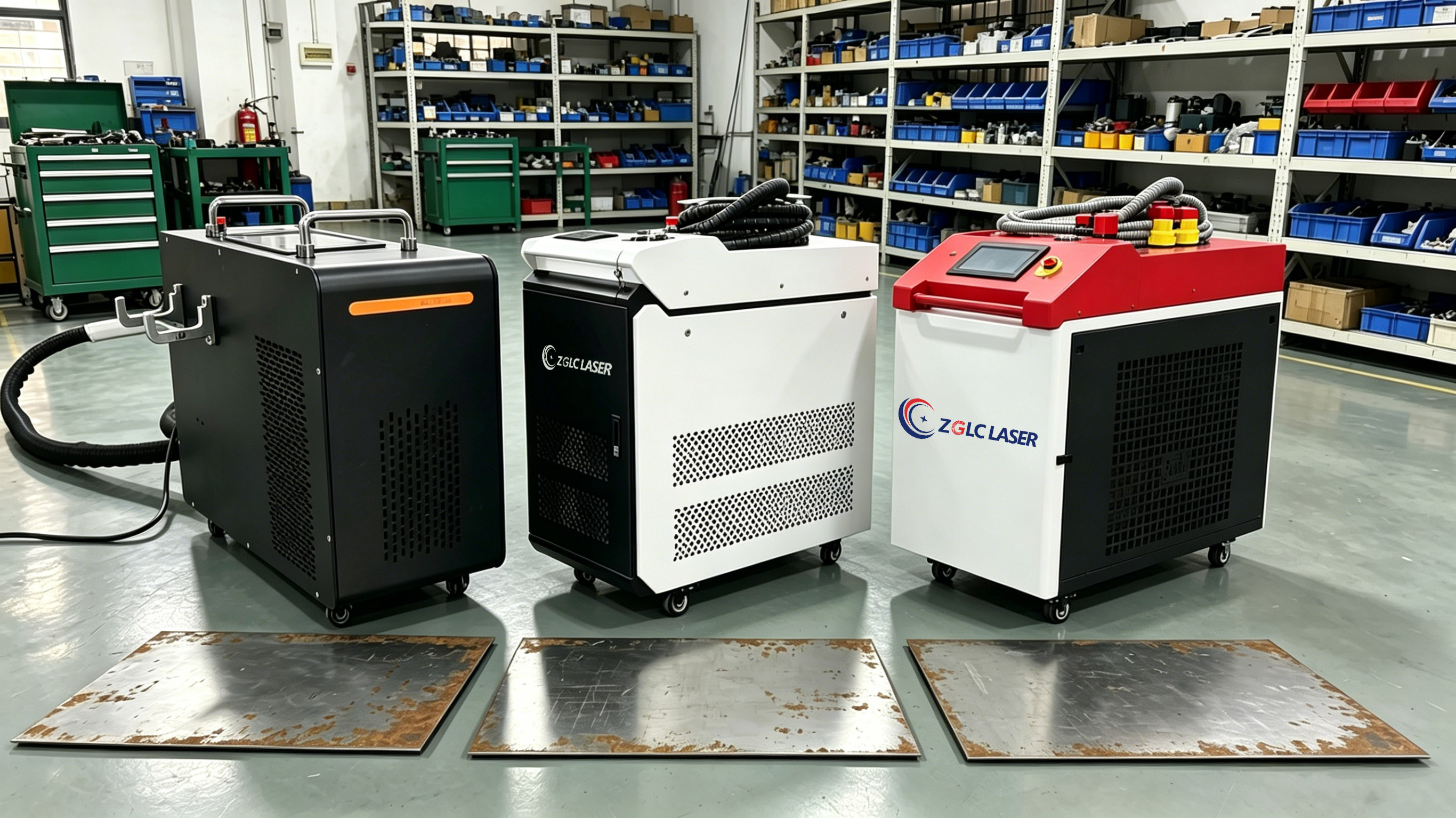
Why Most Customer Choose Pulse Cleaning Machine 2025?
Pulsed laser cleaning machines represent a significant leap forward in industrial cleaning technology. Unlike traditional methods that rely on abrasives, chemicals, or continuous wave (CW) lasers, pulsed systems emit laser energy in incredibly short, high-peak-power bursts. This unique action provides a superior clean for a vast range of applications, making it the fastest-growing segment in the laser cleaning market. But its appeal goes far beyond just being a portable and non-abrasive solution.
What is a Pulsed Laser Cleaning Machine?
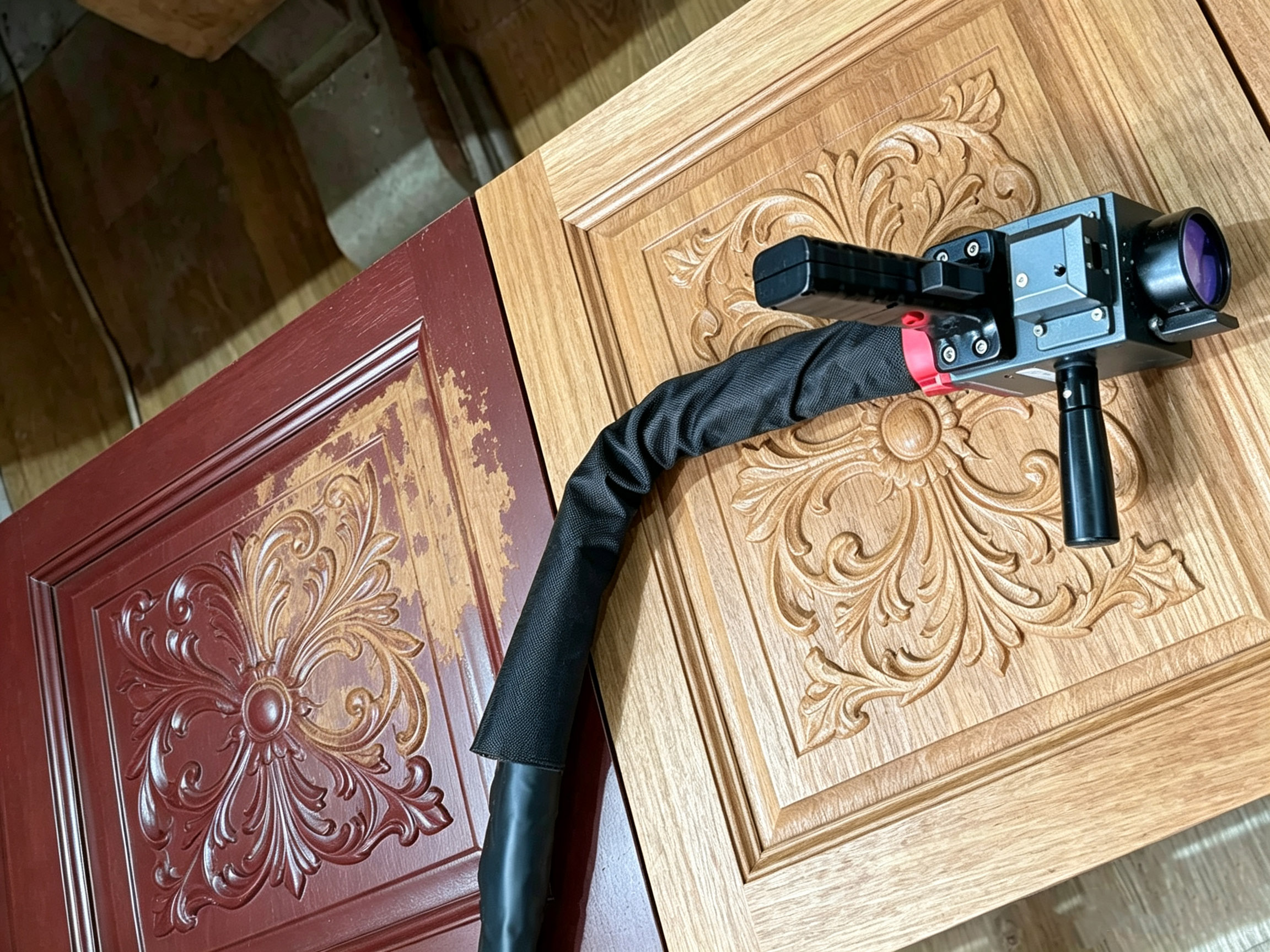
A pulsed laser cleaning machine is an advanced system designed to remove contaminants—such as rust, paint, oxide, oil, and coatings—from a surface using a series of rapid laser pulses. Each pulse delivers a high-intensity energy peak in a nanoseconds-long duration. This creates a photo-mechanical effect where the contaminant layer absorbs the energy, vibrates violently, and is ejected from the surface before heat can transfer to the substrate. The base material, which reflects the laser's specific wavelength, remains completely unaffected and cool.

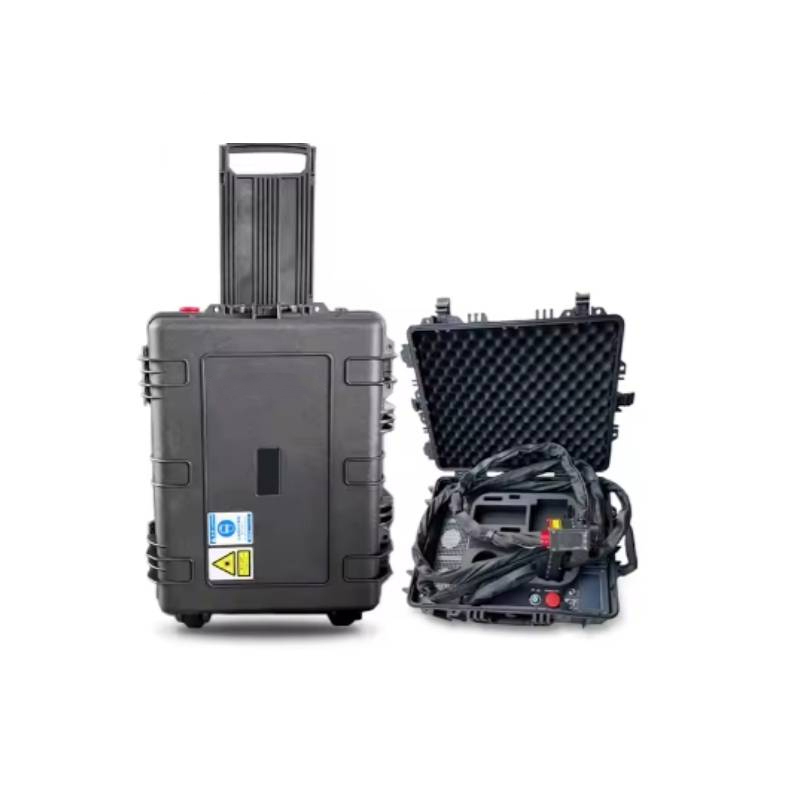
Backpack Laser Cleaning Machine Luggage Laser Cleaning Machine
Why More Industries Are Choosing Pulsed Laser Cleaning?
While the portability, efficiency, and non-destructive nature are major selling points, the decision to switch to pulsed laser technology is driven by a broader set of critical advantages:
1. Unmatched Control and Precision for Complex Tasks
The pulsed nature of the beam allows for microscopic control over the cleaning process. Operators can fine-tune parameters like pulse width, frequency, and energy to remove specific layers of contamination with surgical precision. This is invaluable for:
-
Restorative Work: Carefully stripping centuries of grime from a historical artifact without eroding the underlying material.
-
Sensitive Component Cleaning: Cleaning electrical contacts or delicate engine parts where even minor surface damage is unacceptable.
-
Selective Cleaning: Removing paint from a specific area of a component without affecting the surrounding original coating or serial numbers.
2. Superior Performance on Challenging Contaminants
The high peak power of each pulse is exceptionally effective at breaking the bonds of tough, thick contaminants like mill scale, heavy rust, and industrial coatings that CW lasers might struggle with. The "hammer-like" effect of the pulses is more efficient at dislodging these hardened layers without relying on heat accumulation.
3. Enhanced Safety for Operators and the Environment
Pulsed laser cleaning amplifies the already excellent safety profile of laser technology.
-
Reduced Thermal Risk: The minimal heat input drastically lowers the risk of fumes or sparks that could ignite volatile atmospheres, making it safer for use in controlled environments.
-
Comprehensive Fume Control: The process creates particulate debris that is easily captured by a standard integrated vacuum filtration system, ensuring no harmful fumes or spent media are released into the operator's breathing zone or the environment.
4. Greater Material Compatibility and Versatility
The reduced thermal load makes pulsed lasers compatible with an even wider range of sensitive materials than CW lasers. It can safely and effectively clean:
-
Delicate Metals: Thin-gauge aluminum, polished surfaces, and heat-treated metals that could warp or discolor with excessive heat.
-
Composite Materials: Carbon fiber and other composites that can be damaged by the sustained heat of a CW beam.
-
Historical Items: Parchment, stone, and wood in museum conservation, where preserving structural integrity is paramount.
5. Lower Operational Costs and Consumables
Like all laser cleaning, pulsed systems eliminate the need for costly consumables like chemicals, blasting media, and replacement parts for abrasive tools. However, they also tend to be more energy-efficient for precision tasks, as the high peak power does the work quickly, reducing the total energy required per job compared to a CW system running for a longer duration.
6. Improved Process Consistency and Automation
The precise control over laser parameters ensures every pulse is identical. This repeatability guarantees a consistent clean across the entire workpiece and from one batch to the next. This high level of control is perfect for integration into robotic automation cells for high-volume, high-reliability production lines, such as in the automotive or aerospace industries.
Who is Using Pulsed Laser Cleaning?
This technology is transforming operations across sectors:
-
Aerospace & Aviation: Critical component cleaning, paint stripping from airframes, and maintenance of turbine blades.
-
Automotive & EV Manufacturing: Preparing battery contacts, cleaning molds, and restoring classic cars without damaging original parts.
-
Cultural Heritage Restoration: Gently cleaning statues, monuments, and paintings with irreversible precision.
-
Precision Engineering: Cleaning injection molds, removing oxides before welding, and preparing surfaces for thermal spraying.
-
Marine & Offshore: Removing corrosion and coatings from ship components and offshore platform structures.


Automotive Manufacturing Mold Industry Ship building


Aerospace Electronics Manufacturing Steel & Metallurgy
The shift towards pulsed laser cleaning is a decision driven by quality, safety, and total cost of ownership. It’s not just about cleaning a surface—it’s about preserving the integrity of your most valuable assets, protecting your operators, and investing in a sustainable, future-proof technology.
Key: #pulsed laser cleaning machine #backpack laser cleaning machine #luggage laser cleaning machine
Air Cooling Laser vs. Water Cooling Laser
The Ultimate Guide-How The Laser Do Cleaning and Rust Removal?
Related Article