What We Should to Know About CO2 Laser Cutter
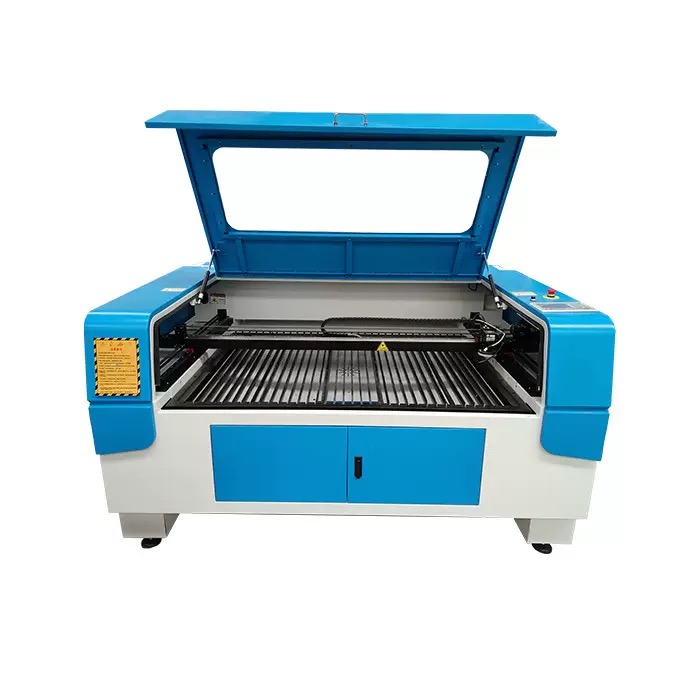
CO2 laser cutters have democratized creative and commercial possibilities for entrepreneurs and artisans. Previously the exclusive domain of major manufacturers, this technology is now within financial reach of individuals — enabling them to design, produce, and market personalized items, artistic pieces, and handcrafted goods.
At HJYC-OPTO, We offer premium CO2 laser systems that combine exceptional capability with competitive pricing. A background in engineering or artistry is not a prerequisite for success. The path from a simple sketch to a finished, sellable good is straightforward: leverage the right tools and commit to skill development. This guide will illuminate the fundamentals of CO2 laser operation and demonstrate how it can serve as a catalyst for your new or existing business.
What is a CO₂ Laser Cutting Machine?
A CO₂ laser cutting machine is an industrial cutting system that utilizes a carbon dioxide gas mixture as its laser source to cut, engrave, and mark various non-metallic materials. These machines have been industry workhorses for decades, offering reliable performance and exceptional versatility for processing organic materials and plastics.
How Does a CO₂ Laser Cutter Work?
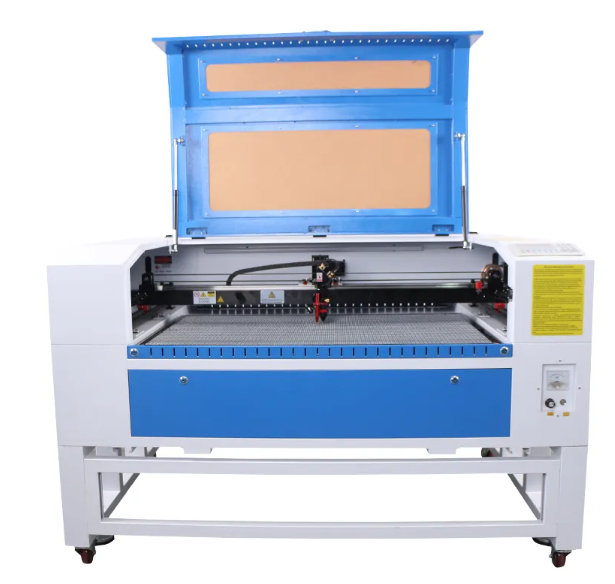
The technology operates through a sophisticated process:
-
Laser Generation: Inside a sealed glass tube filled with CO₂, nitrogen, and helium gases, electrical energy excites the gas molecules. When these molecules return to their normal state, they emit photons of light with a wavelength of 10.6 micrometers.
-
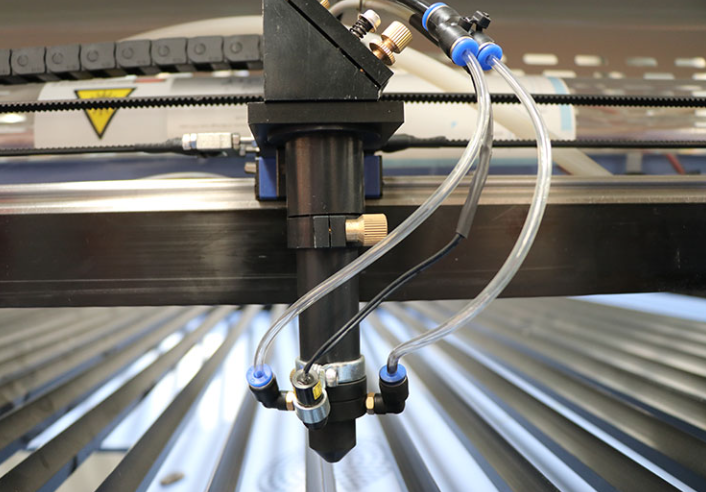
Beam Delivery: The generated laser beam travels through a series of mirrors housed in the cutting head assembly, maintaining beam quality and direction.
-
Beam Focusing: A specialized lens focuses the laser beam to an extremely fine point, creating intense heat density at the focal point.
-
Material Processing: When the focused beam contacts the material surface, its energy is absorbed, rapidly heating and vaporizing the material in the cutting path.
-
Assist Gas Application: Compressed air or specialized gases blow away vaporized material, ensuring clean cuts and preventing residue buildup.
Materials Suitable for CO₂ Laser Cutting
CO₂ lasers excel with non-metallic materials, including:
-
Wood Products: Plywood, MDF, solid wood, bamboo
-
Plastics: Acrylic (PMMA), polycarbonate, ABS, polypropylene
-
Textiles: Leather, fabric, felt, carpet
-
Paper Products: Cardboard, paper, corrugated board
-
Specialty Materials: Rubber, ceramics, glass, stone
Key Advantages of CO₂ Laser Cutting
Exceptional Versatility
CO₂ lasers handle an extensive range of non-metallic materials, making them ideal for diverse applications from signage to industrial manufacturing.
Superior Cut Quality
These machines produce smooth, polished edges on acrylic and clean, precise cuts on wood and other materials, often eliminating the need for secondary finishing.
Non-Contact Processing
The laser beam cuts without physical contact, preventing material deformation, tool wear, and contamination.
High Precision
Achieve intricate details and complex geometries with tolerances up to ±0.1 mm, perfect for delicate designs and precise components.
Cost-Effective Operation
Compared to other laser technologies, CO₂ systems offer lower initial investment for processing non-metallic materials, with reasonable maintenance costs.
Typical Applications
Signage and Display Manufacturing
Create intricate letters, logos, and decorative elements from acrylic, wood, and other non-metallic materials.
Industrial Fabrication
Produce gaskets, seals, insulators, and technical components from various non-metallic materials.
Consumer Products
Manufacture custom phone cases, decorative items, promotional products, and personalized gifts.
Packaging Industry
Create prototypes, custom packaging, and display stands with precise, clean edges.
Textile and Leather Goods
Cut patterns for fashion items, accessories, and upholstery with sealed edges that prevent fraying.
Operational Process
-
Design Preparation: Create or import vector designs into compatible software (CorelDRAW, AutoCAD, or specialized laser software)
-
Machine Setup: Load material, ensure proper bed alignment, and check focus distance
-
Parameter Selection: Choose appropriate power, speed, and frequency settings for the specific material
-
Test Run: Perform a test cut to verify settings and positioning
-
Production: Initiate the cutting process with proper ventilation active
-
Post-Processing: Remove finished pieces and perform any necessary cleaning
Maintenance Considerations
Regular maintenance includes:
-
Mirror and lens cleaning
-
Laser tube inspection and replacement
-
Exhaust system checks
-
Motion system lubrication
-
Regular alignment verification
CO₂ laser cutting machines continue to be essential tools for businesses requiring precise, efficient processing of non-metallic materials. Their proven reliability and material versatility make them valuable assets across multiple industries.
How Automotive Laser Tech is Reshaping Manufacturing