The Invisible Tool: Demystifying Industrial Laser Ablation
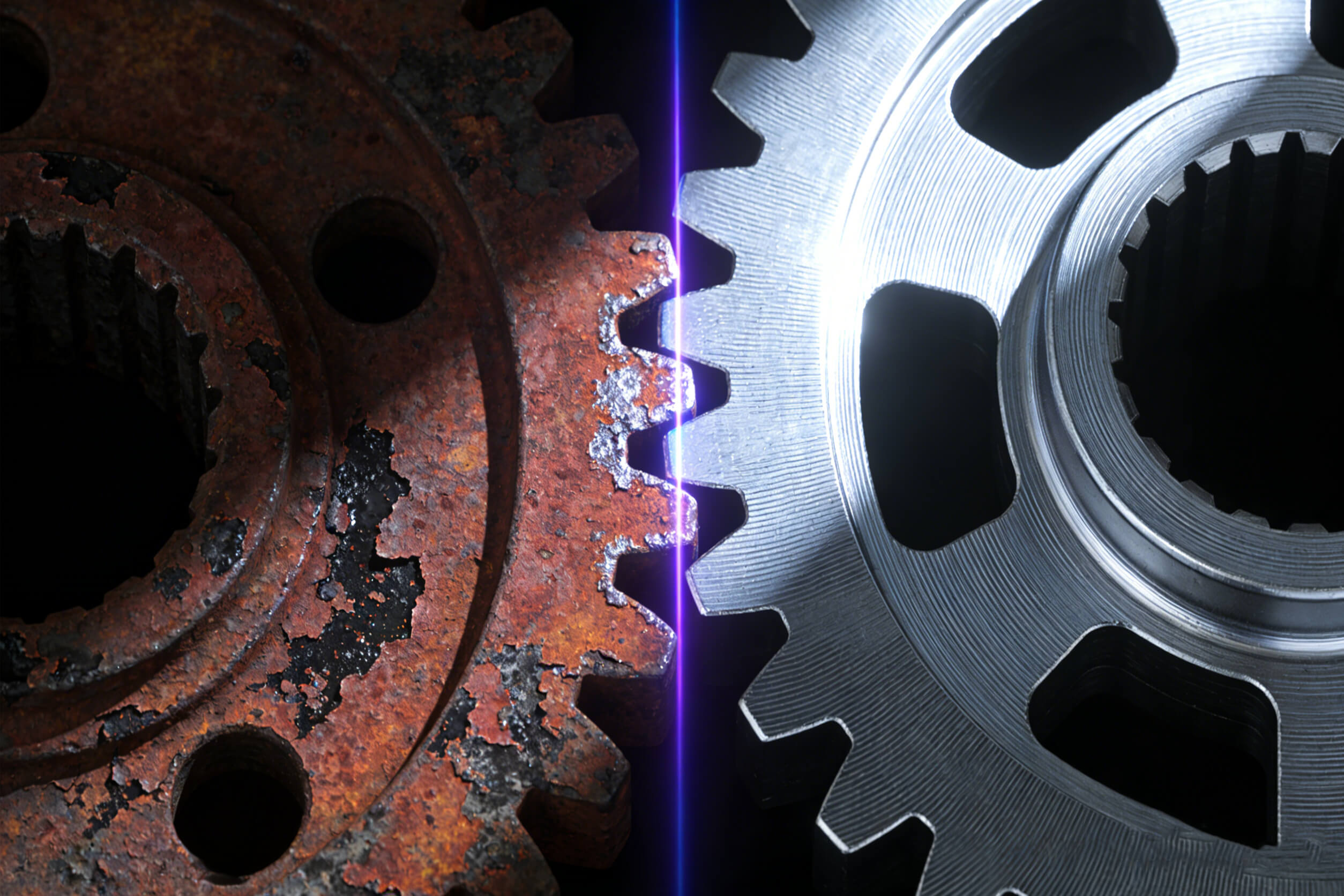
Imagine a tool so precise it can strip away a layer thinner than a human hair, or so powerful it can clean the rust off a ship's hull, all without ever touching the surface. This isn't science fiction; it's industrial laser ablation, a fundamental process behind many modern manufacturing technologies. First demonstrated in the early 1960s following the invention of the laser, this technique uses focused light energy to remove microscopic amounts of material. Its core characteristic is controlled removal: it can clean, etch, mark, or texture a surface with unparalleled precision by vaporizing targeted material layer by layer.
How Does the Laser Ablation Process Work?
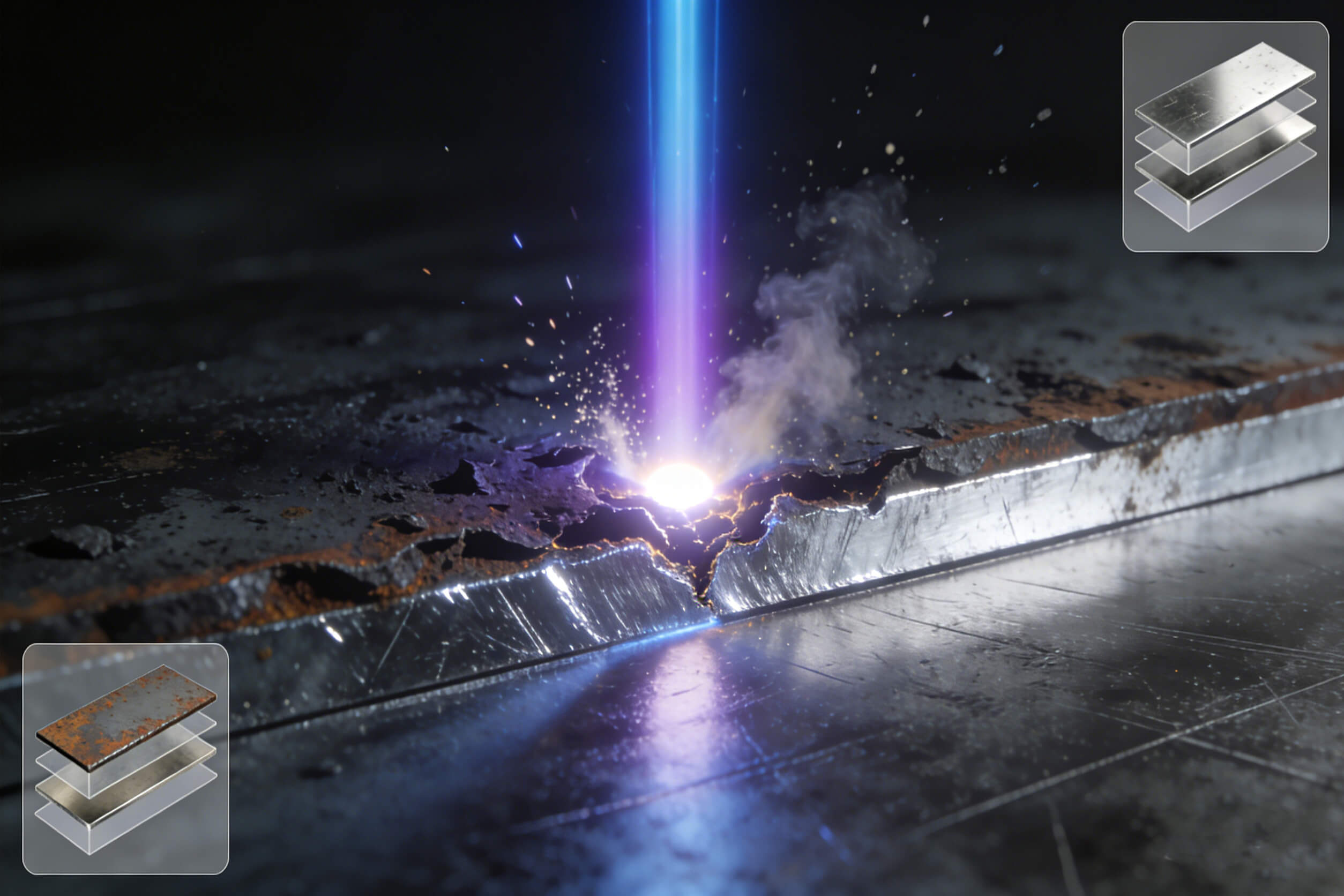
The process is elegantly direct. A pulsed laser beam is focused onto a material's surface. The intense energy is absorbed by the surface layer in microseconds, causing it to heat up, vaporize, and turn into plasma or fine particles that are carried away. The key is that the laser pulse is so short that the heat doesn't have time to spread, leaving the underlying material cool and undamaged. This makes laser material processing exceptionally clean and controlled.
Understanding the Key Control Parameters
To master industrial laser ablation, you control its "recipe" by adjusting several key parameters:
-
Wavelength & Beam Quality: Think of wavelength as the laser's "color," which determines what material it works best on. Beam quality (how tight and clean the beam is) is crucial for precision.
-
Power, Pulse Length & Repetition Rate: This is the intensity and timing. Higher power removes more material; shorter pulses give cleaner cuts with less heat.
-
Focus, Spot Size & Scanning Speed: The beam is focused to a tiny spot (beam diameter). Moving this spot at the right speed (scanning speed) over the surface, with a set spacing (pulse interval), for a certain number of passes, determines the final finish. It’s like painting with light, one microscopic dot at a time.
Where is it Used? Key Industrial Applications
This one core process enables a diverse range of applications central to advanced laser material processing:
-
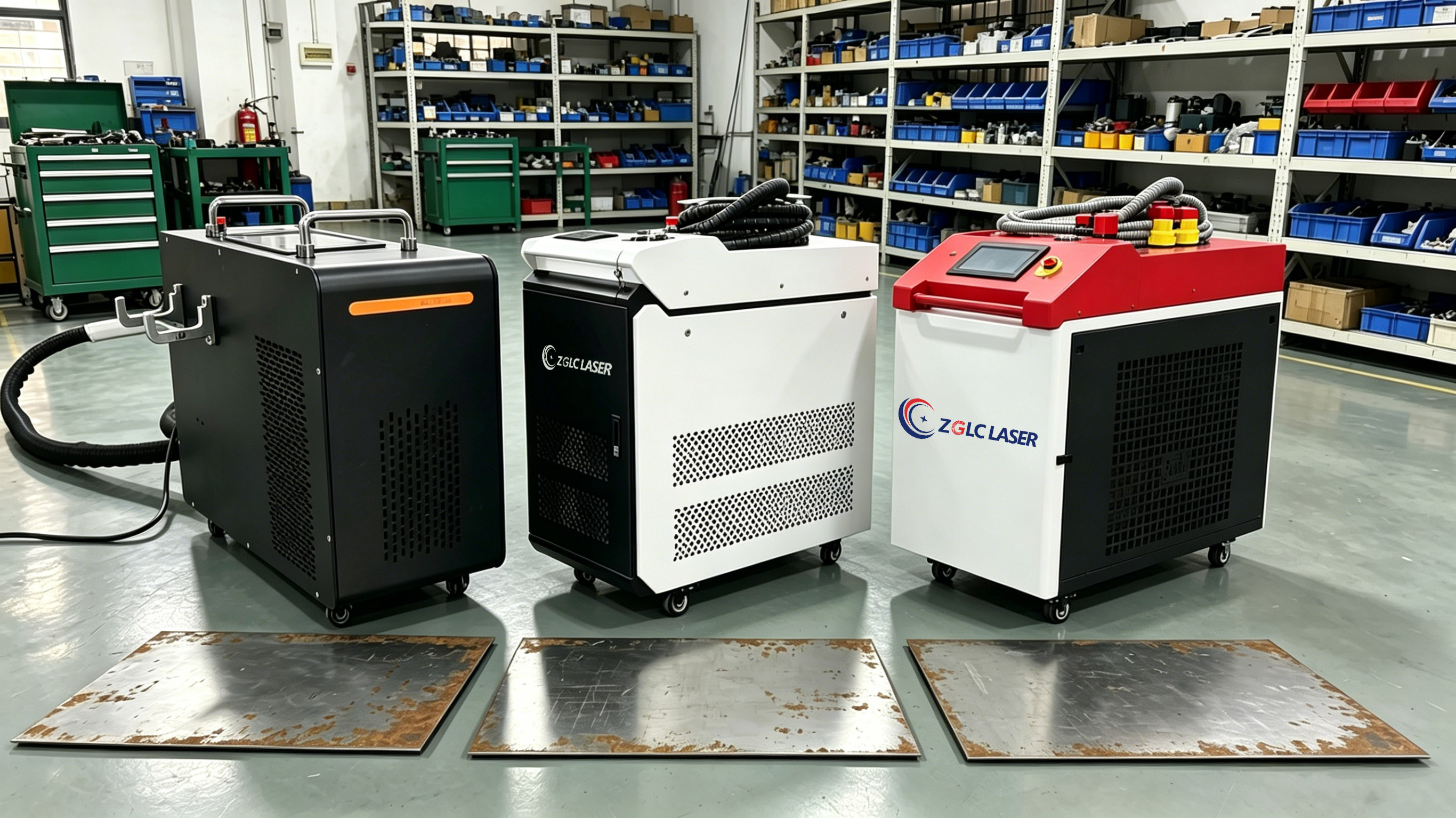
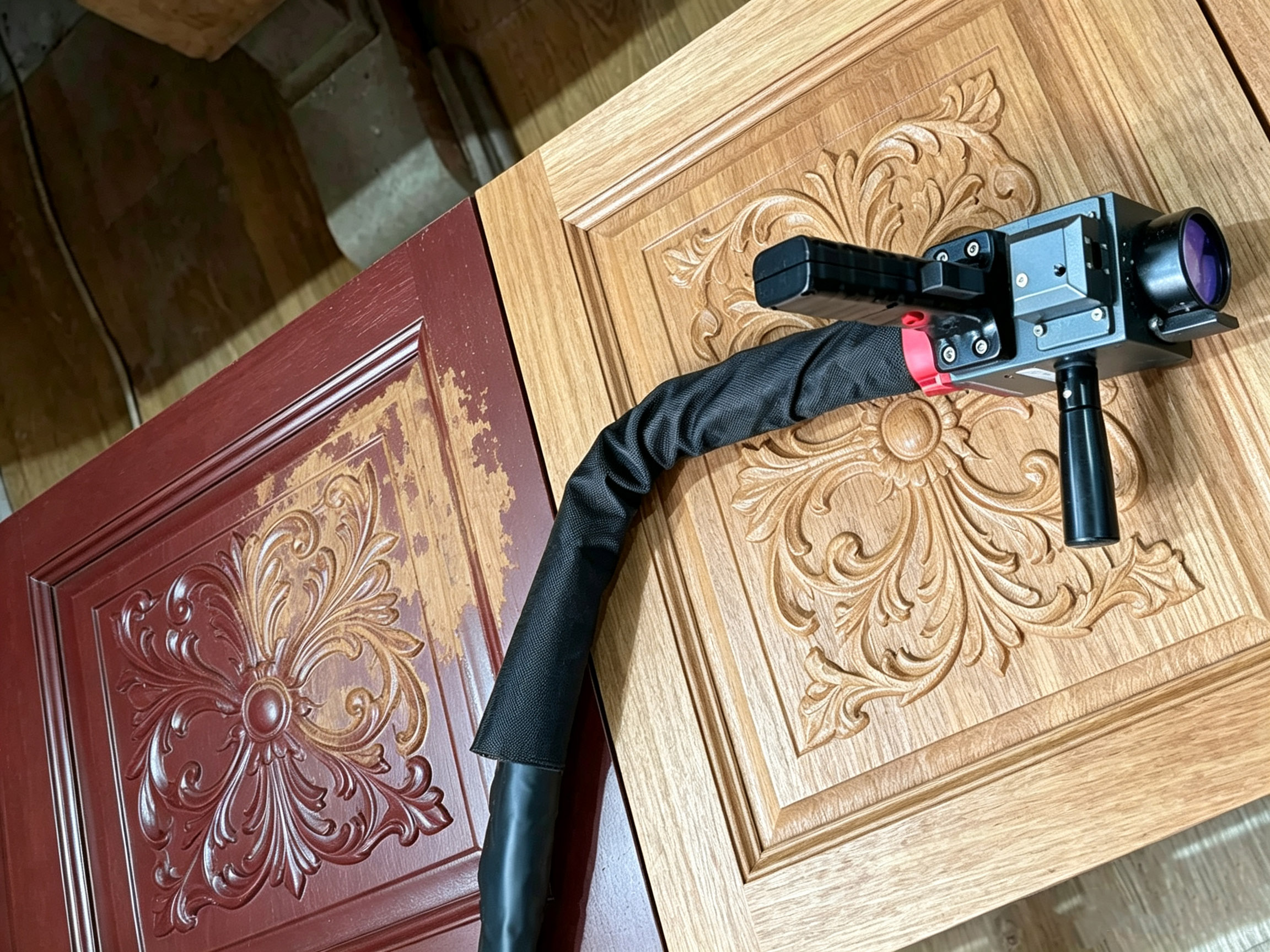
Laser Cleaning & Surface Prep: The flagship use of industrial laser ablation. It removes rust, oxides, paint, and contaminants from metals, stone, and composites without chemicals or abrasives, revolutionizing maintenance in aerospace and heritage restoration.
-
Laser Marking & Texturing: By ablating microscopic layers, lasers can create permanent serial numbers, logos, or even specific surface textures (like the grip on a surgical tool or a non-reflective finish).
-
Precision Drilling & Cutting: In electronics, ultra-fast ablation can drill incredibly fine holes or cut delicate patterns without mechanical stress.
The Pros and Cons: A Quick Comparison
Every technology has its ideal use case. Here’s a balanced look:
| Pros of Laser Ablation | Cons of Laser Ablation |
|---|---|
| Non-contact & No Tool Wear: The "tool" is light, so there's no physical degradation. | High Initial Investment: The equipment cost is significant compared to traditional tools. |
| Extreme Precision: Can process features at micron-level accuracy. | Material Limitations: Not all materials (like some transparent plastics) absorb laser energy well. |
| Clean & Eco-Friendly: Produces minimal waste, often just captured dust. No chemicals needed. | Speed for Large Areas: Can be slower than blasting for stripping very large, simple surfaces. |
| Minimal Heat Damage: Short pulses protect the surrounding material. | Requires Expertise: Optimizing parameters requires knowledge and experience. |
| Highly Automated: Easily integrated into robotic systems for consistent results. | Safety Protocols: Requires strict safety measures for laser light and fumes. |
What Can an Industrial Laser Expert Do For You? How HJYC-OPTO Delivers More
Implementing industrial laser ablation is more than buying a machine. It's about solving a problem. Here’s how expert partners like HJYC-OPTO provide unique value:
-
Application-Specific Validation: We don't just sell a standard machine. We test your specific material with your desired outcome (e.g., removing a specific coating without affecting the base metal) in our lab first, guaranteeing the solution works for you.
-
Turnkey Integration & Training: We provide the complete package: the right laser, safety enclosure, fume extraction, robotic integration, and—critically—comprehensive training for your operators to run the system safely and efficiently from day one.
-
Ongoing Process Optimization Support: Our support continues after installation. We help you fine-tune parameters for new materials or different results, ensuring your investment keeps delivering value as your needs evolve.
-
Expert Guidance on Compliance & Safety: We navigate the complexities of laser safety (Class 1 enclosures, PPE) and environmental regulations with you, ensuring your setup is not only effective but also fully compliant.
Ready to explore how the precision of laser ablation can solve your toughest cleaning, marking, or texturing challenges? Contact the industrial laser experts at HJYC-OPTO for a consultation.
Laser Cleaning Company: The Smart Partner for Boosting Your Operations
Laser Cleaning of Titanium Alloys: A Deep Dive into Mechanisms and Surface Quality Control
Related Article