How Fiber Laser Cleaning is Redefining Sustainable Manufacturing

Today's industrial leaders face a dual challenge: achieving production excellence while meeting increasingly stringent sustainability manufacturing. Traditional cleaning methods—sandblasting, chemical solvents, and abrasive grinding—are not only messy and labor-intensive but also generate significant hazardous waste, consume vast resources, and pose health risks. This is where fiber laser cleaning emerges as a transformative tool, offering manufacturers a powerful way to enhance efficiency while dramatically reducing their environmental footprint and operational costs.
Achieving True sustainability manufacturing in Industrial Cleaning
Sustainable manufacturing isn't just about using recycled materials; it's about optimizing every process to minimize waste and energy use. Conventional cleaning creates a costly cycle of purchasing, using, and disposing of consumables like sand, chemicals, and grinding discs. Fiber laser cleaning breaks this cycle. Its "tool" is light, which means it operates without generating consumable waste. This direct reduction in material throughput is a cornerstone of a cleaner, more sustainable, and more economical production line, directly supporting sustainability manufacturing.
Policy Drivers: From Regulation to Advantage
Global regulations are making green practices essential, not optional.
-
United States: OSHA's tightened permissible exposure limits for crystalline silica dust make traditional sandblasting extremely costly due to required containment and worker protection systems. Fiber laser cleaning produces no silica dust, instantly simplifying compliance and reducing associated costs.
-
Germany: The strict Kreislaufwirtschaftsgesetz (Circular Economy Act) mandates waste minimization and efficient resource management. By eliminating abrasive media and toxic chemical waste, laser cleaning provides a clear pathway for manufacturers to meet these requirements and avoid disposal fees.
In both cases, adopting fiber laser cleaning transforms a regulatory challenge into an operational and financial advantage, conserving energy and capital while future-proofing the business.
How Laser Cleaning Works: The Green Difference
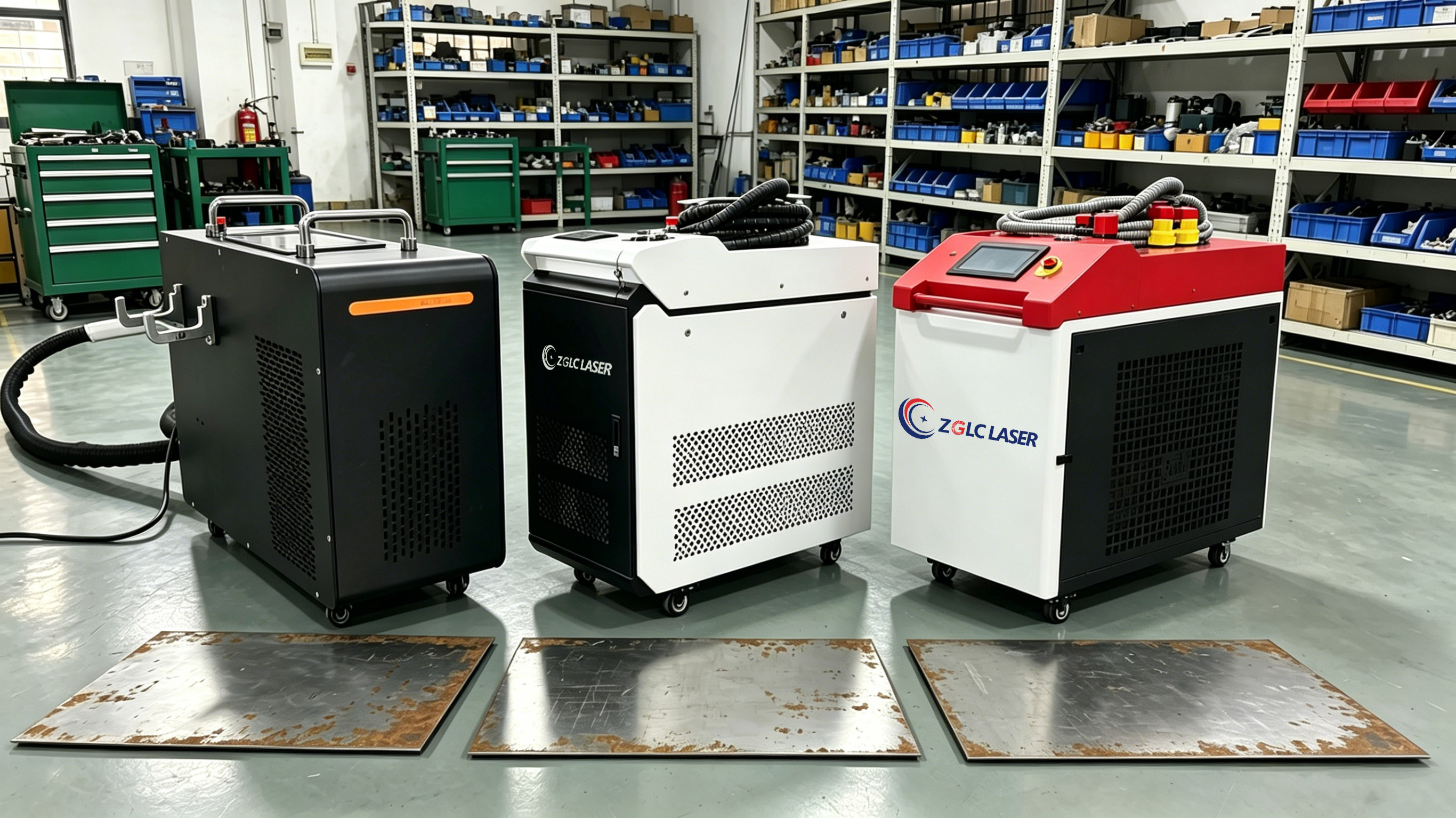
A fiber laser cleaning machine uses a high-intensity, pulsed beam of light. When focused on a surface, contaminants like rust, paint, or oxides absorb the energy and instantly vaporize or turn to dust, which is then vacuumed away. The base material remains untouched.
-
Vs. Traditional Methods: Unlike sandblasting (which uses tons of abrasive media) or chemical washing (which uses solvents), laser cleaning requires no consumables besides electricity. The only "waste" is a small amount of captured dust.
-
Key Consumable: Effectively, there are none. The system's primary component is the solid-state laser source, designed for tens of thousands of hours of operation, making it the ultimate clean technology.


HJYC-OPTO's Custom Solutions for Key Industries
We provide tailored fiber laser cleaning systems optimized for different materials:
-
Metal Surfaces: Perfect for weld seam cleaning, rust removal, and paint stripping from steel, aluminum, and alloys without altering the metal's properties.
-
Composites: Delicate yet precise cleaning of carbon fiber or fiberglass parts without damaging the sensitive fibers, crucial for aerospace and automotive.
-
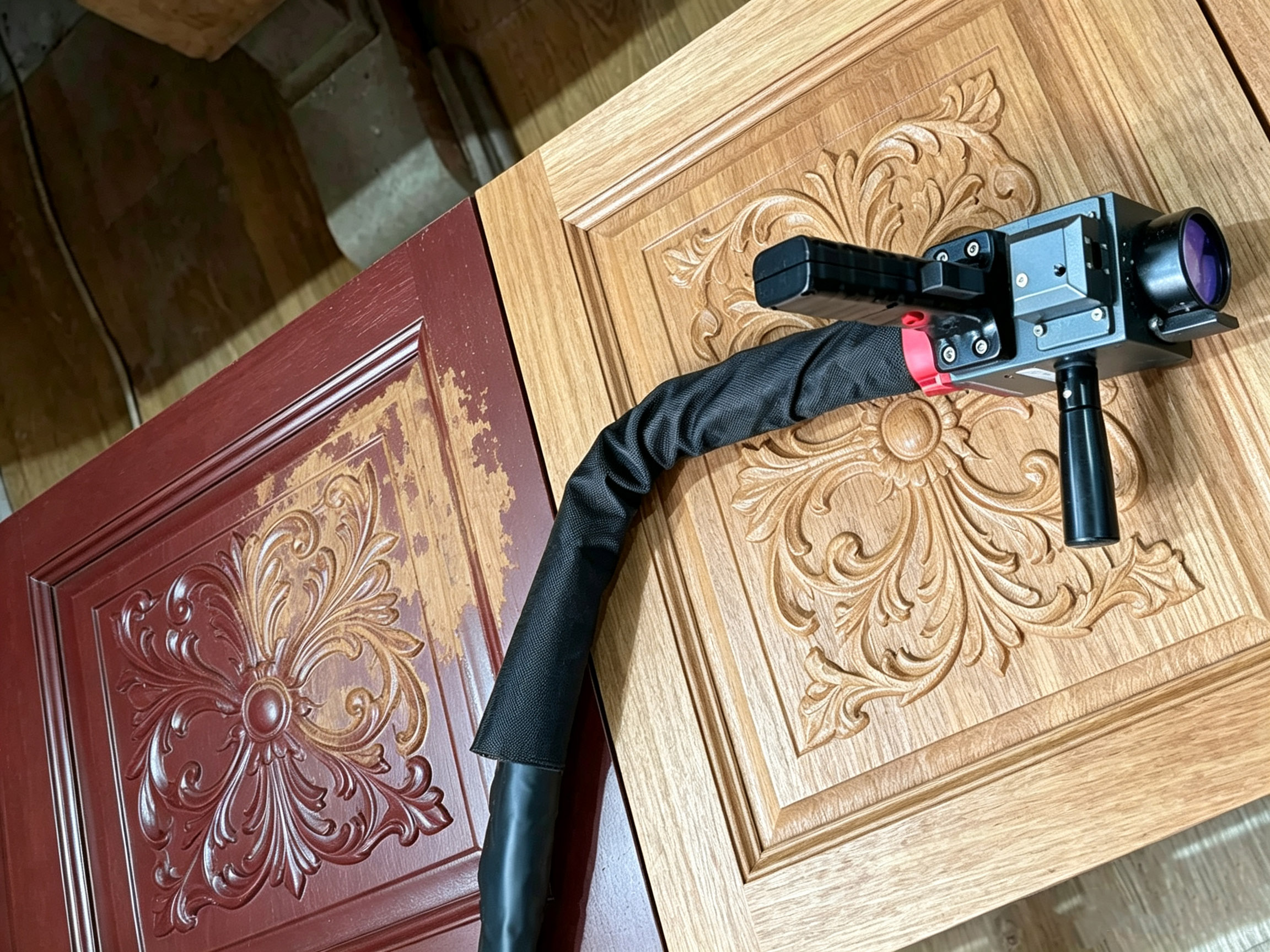
Acrylics & Thermoplastics: Controlled removal of coatings or surface preparation for bonding without melting or warping the underlying plastic.
-
Ceramics & Glass: Non-contact cleaning of molds or surface decontamination where abrasives would cause microscopic damage.
Robotics & Automation: The Efficiency Multiplier
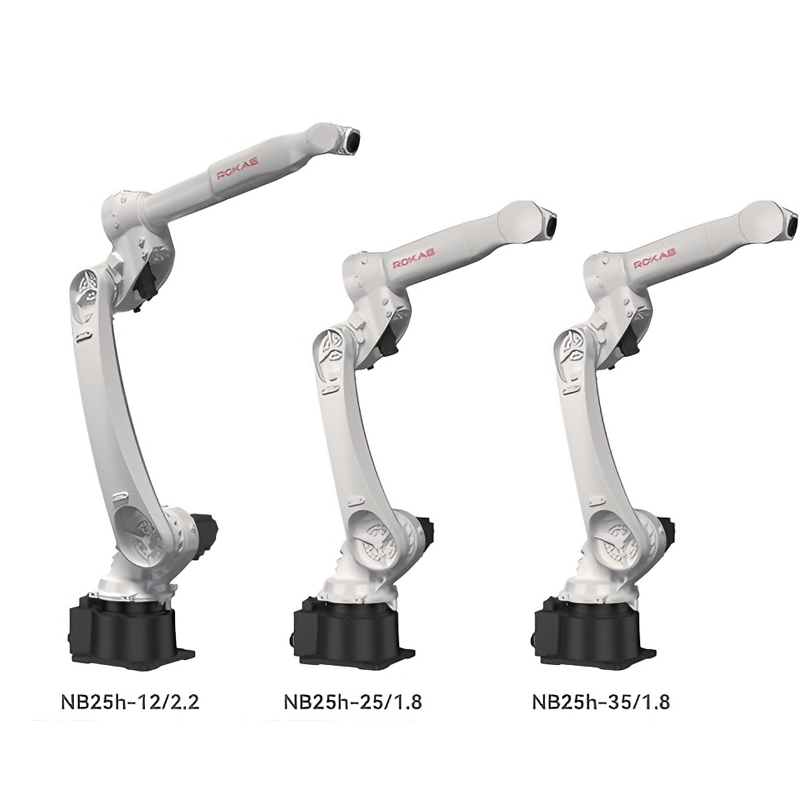
To maximize the benefits of sustainability manufacturing, HJYC-OPTO integrates its lasers with ROKAE collaborative robots (cobots). This creates a fully automated cleaning cell.
-
How it Works: The cobot, programmed for a specific part's geometry, maneuvers the laser head with perfect consistency over complex 3D shapes.
-
Advantages: This ensures every part is cleaned identically, drastically reduces process time, allows for lights-out manufacturing, and removes workers from repetitive tasks. It marries the green benefits of laser technology with the relentless efficiency of automation.
How to Choose Laser Cleaning?
When to Use It: Laser cleaning is ideal when you need precision, aim to eliminate consumable costs, operate under strict environmental or safety regulations, or handle delicate or high-value components that cannot be damaged.
Why Choose It: The decision for fiber laser cleaning boils down to a powerful return on investment through sustainability manufacturing. It saves money long-term by eliminating media/chemical purchases and hazardous waste disposal fees. It future-proofs your operation against tightening regulations. Most importantly, it provides a cleaner, safer workplace and a tangible story of environmental responsibility for your brand.
Ready to align your manufacturing with a greener future? Contact HJYC-OPTO to discover how our customized fiber laser cleaning and robotic solutions can help you achieve your production and sustainability manufacturing.
Radwaste Management: Can a Laser Beam Solve a Mega-Ton Problem?
Exploring China's Laser Cleaning Leaders in 2025
Related Article