How to Choose a High-Speed Laser Marking Machine
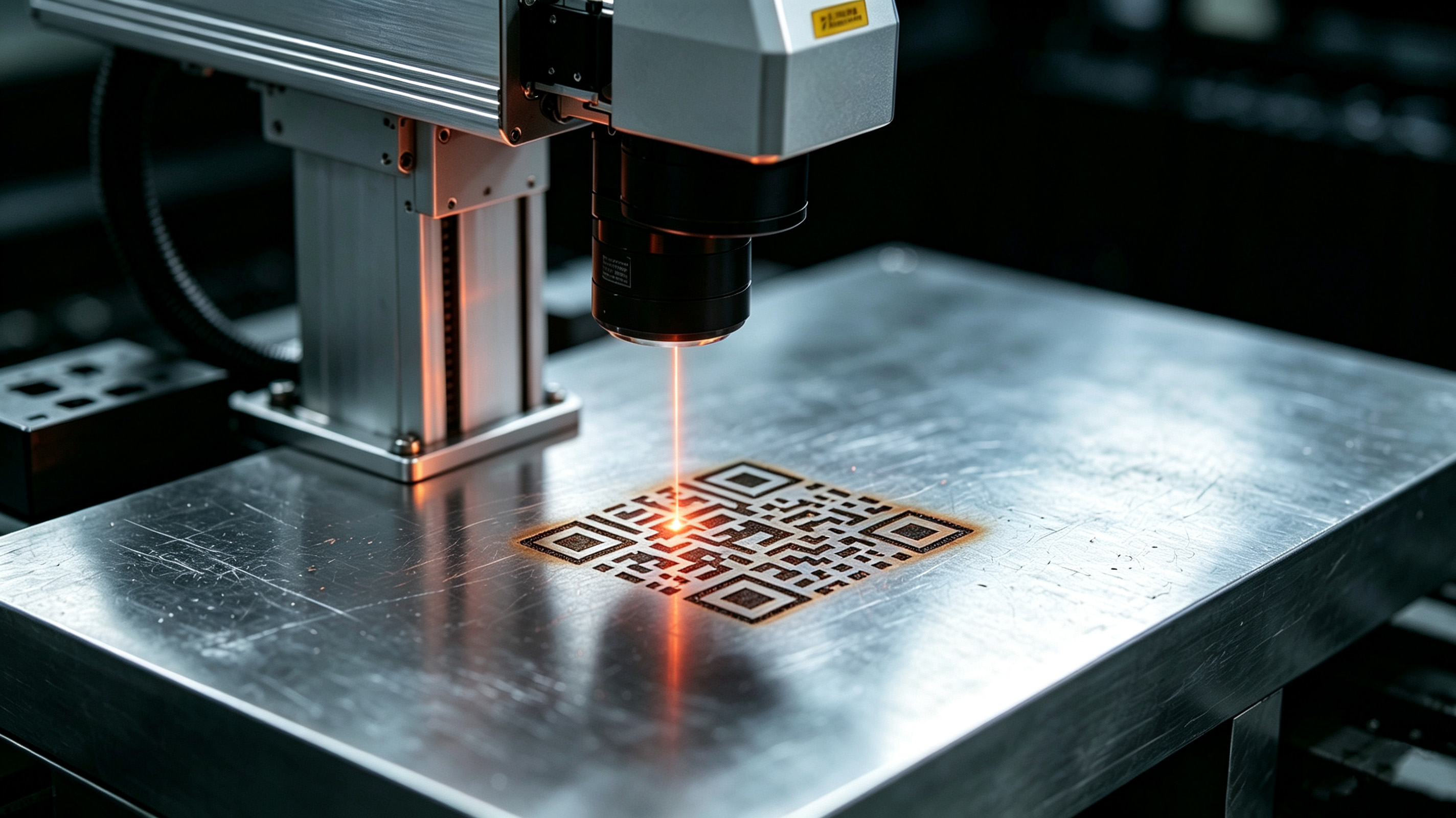
Walk through any modern manufacturing facility and you'll hear the consistent hum of laser markers working at lightning speed. These aren't the slow engravers of yesterday - today's high-speed systems can mark alphanumerics, barcodes, and complex graphics in the blink of an eye. But with so many options available, how do you choose the right one for your production needs?
Why Fiiber Laser Marking Delivers Value Across Industries
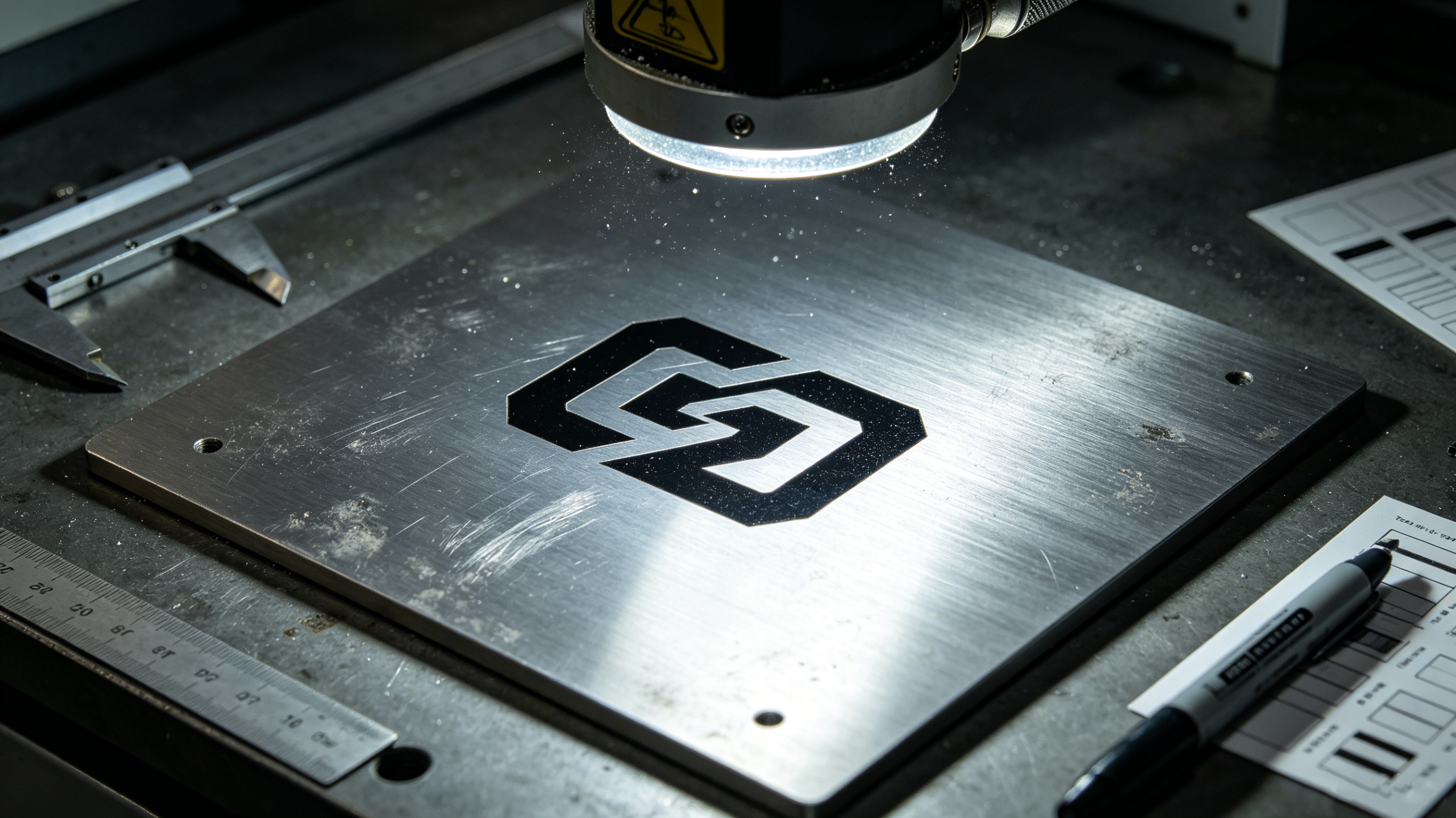
fiber Laser marking has become the go-to solution for permanent identification because it solves multiple production challenges simultaneously. Unlike ink-based systems that require ongoing consumable costs or mechanical engraving that wears out tools, fiber laser marking creates permanent marks by altering surface properties without contact.
Key advantages that matter to manufacturers:
-
Permanence: Marks withstand abrasion, heat, and chemical exposure
-
Speed: Achieve marking speeds up to 10,000 characters per second
-
Flexibility: Switch between designs with a click - no tooling changes
-
Quality: Produce high-resolution marks down to micron-level precision
-
Cleanliness: No consumables means no mess or ongoing costs
We've seen manufacturers achieve remarkable results:
-
An automotive supplier reduced their part identification costs by 73% after switching from labels to fiber laser marking
-
A medical device company eliminated their 100% manual inspection step because fiber laser marks were consistently readable
-
An electronics manufacturer increased their production line speed by 34% by implementing high-speed galvo-based marking
Which Laser Technology Wins the Speed Race?
When speed is your primary concern, fiber lasers consistently outperform other technologies. Here's why they've become the industry standard for high-speed applications:
Fiber Lasers Excel Because:
-
Instant On/Off Capability: No warm-up time means marking can start immediately
-
High Peak Power: Deliver intense energy in short pulses for fast material interaction
-
Maintenance-Free Operation: Solid-state design with no mirrors to adjust or gases to replace
-
Excellent Beam Quality: Focus to smaller spot sizes for finer details at higher speeds
While CO2 and UV lasers have their place for specific materials, for most metal and plastic marking applications, fiber lasers provide the best combination of speed, reliability, and operating cost.
Critical Factors When Selecting Your High-Speed Marker
Choosing the wrong laser marker can create bottlenecks rather than eliminate them. Here are the key aspects we help our customers evaluate:
-
Marking Speed Requirements
Calculate your actual throughput needs. A 5-watt laser might mark a serial number in 0.8 seconds, while a 50-watt system could do it in 0.3 seconds. That half-second difference matters when you're processing thousands of parts daily. -
Material Compatibility
Not all lasers work well with all materials. Fiber lasers excel on metals and engineered plastics, while CO2 systems work better on organic materials. Always test with your actual production samples. -
Integration Space Constraints
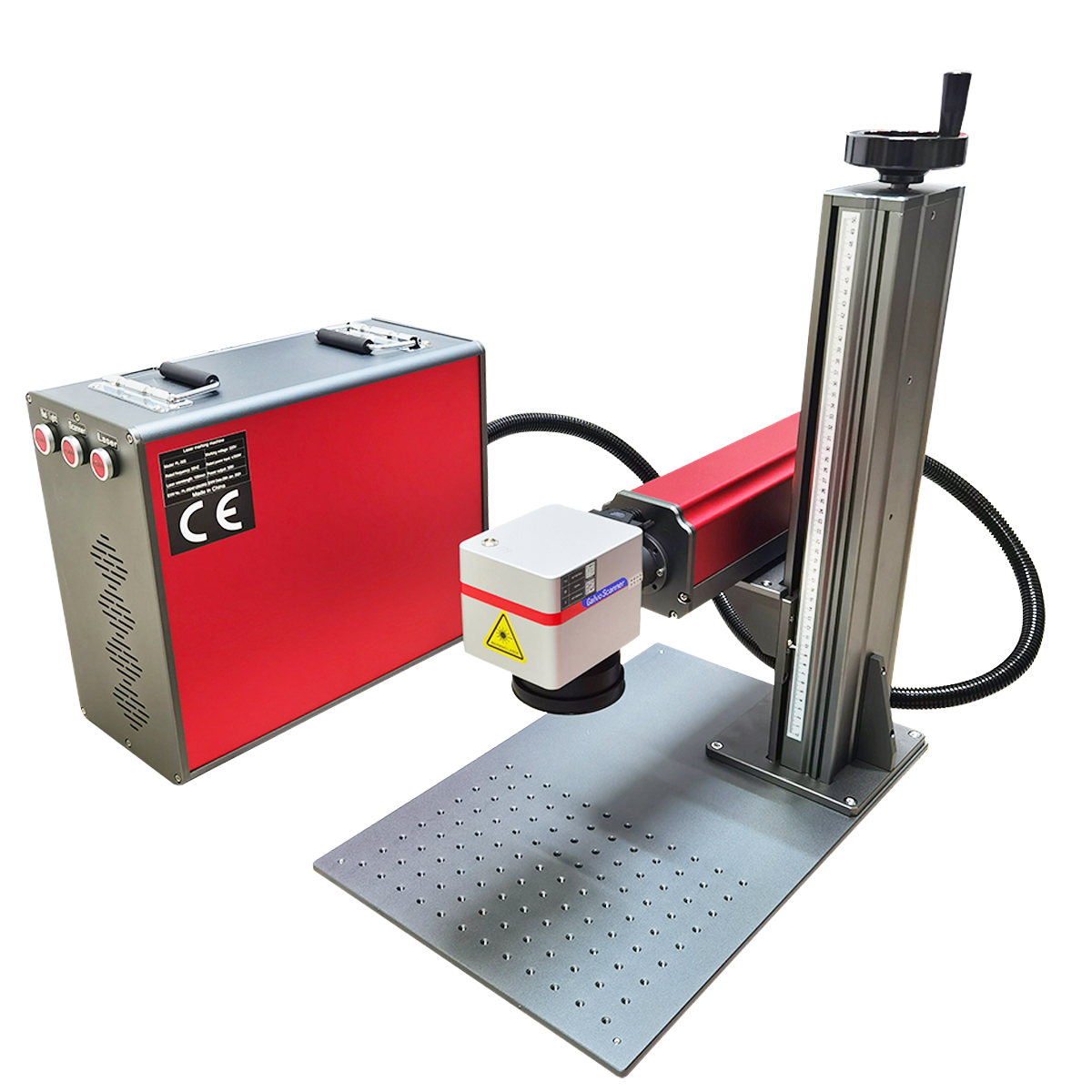
Measure your available space twice. We've seen customers order systems only to discover they won't fit between existing equipment. Consider both the laser source and beam delivery system footprint. -
Software Compatibility
The most advanced laser is useless with clunky software. Look for systems that integrate with your existing MES, ERP, or database systems for seamless serial number generation and tracking. -
Cooling System Requirements
Air-cooled systems work for lower power applications, but high-speed marking typically requires water cooling to maintain consistent performance during extended production runs. -
Service and Support Availability
A machine that's down costs you money. Choose suppliers with proven response times and local technical support. Ask for specific maintenance schedules and costs upfront. -
Future-Proofing Considerations
Will your marking needs change? Systems with power reserves and software upgrade paths protect your investment as requirements evolve. -
Budget Reality Check
The cheapest initial price often becomes the most expensive long-term solution. Consider total cost of ownership, including maintenance, power consumption, and potential production losses from downtime.
Automation Integration: Matching Equipment to Workflow
The true power of high-speed fiber laser marking emerges when seamlessly integrated into your production flow. Here are five common automation configurations we implement:
1. Manual Load Rotary Tables
Perfect for low-to-medium volume production. Operators load parts manually while the system marks them. The rotary motion ensures consistent positioning while allowing flexible batch changes.
2. Fully Automated Rotary Systems
Ideal for round or cylindrical parts in high-volume environments. Parts feed from vibratory bowls or conveyors, get marked with precise rotational synchronization, and exit sorted by quality verification systems.
3. Linear Conveyor Integration
The workhorse for mixed-production facilities. Belt conveyors transport parts of varying sizes through the marking zone, with sensors triggering the fiber laser only when parts are properly positioned.
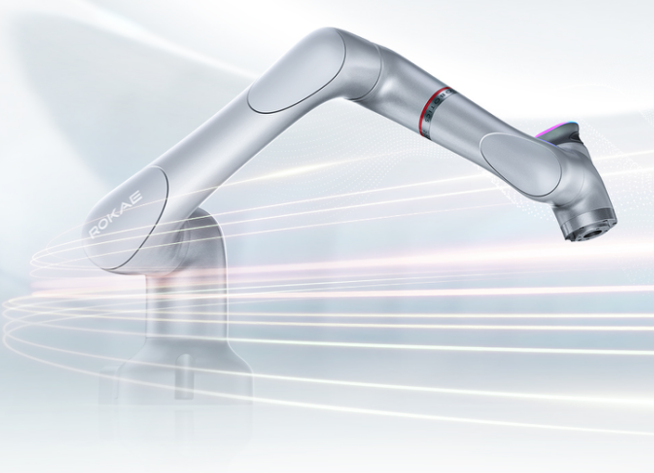
4. Open-Arm Robotics
For large, heavy, or irregularly shaped components. Six-axis robots present specific part surfaces to a stationary laser head, providing maximum flexibility for complex marking requirements.
5. Automated Cell Robotics
Complete enclosed systems where robots handle both part loading/unloading and fiber laser marking operations. This provides the highest level of safety and process control for lights-out manufacturing.
The right automation approach depends entirely on your production volume, part variety, and available floor space. We typically recommend starting with a manual load system to validate your process, then scaling up to full automation once parameters are optimized.
Making Your Final Decision
Selecting the right high-speed laser marking system ultimately comes down to understanding your specific application requirements and production environment. The most successful implementations we've seen share one common trait: the users took the time to thoroughly test their actual parts with the proposed equipment before making a final decision.
Remember that the fastest laser isn't always the best choice if it can't reliably mark your materials or integrate smoothly with your existing workflow. Focus on finding the balance between speed, quality, and reliability that matches your specific production needs.
Your fiber laser marker should become an invisible, reliable part of your manufacturing process - quietly creating perfect marks part after part, shift after shift. When chosen correctly, it's one investment that pays dividends every time your production line runs.
Diode, CO2, or Fiber Laser: A Simple Guide to Picking Your Power Tool
Think Your CO2 Laser Only Cuts and Engraves? No!
Related Article