Why We Need Do Industrial Aluminum Cleaning Before Welding?
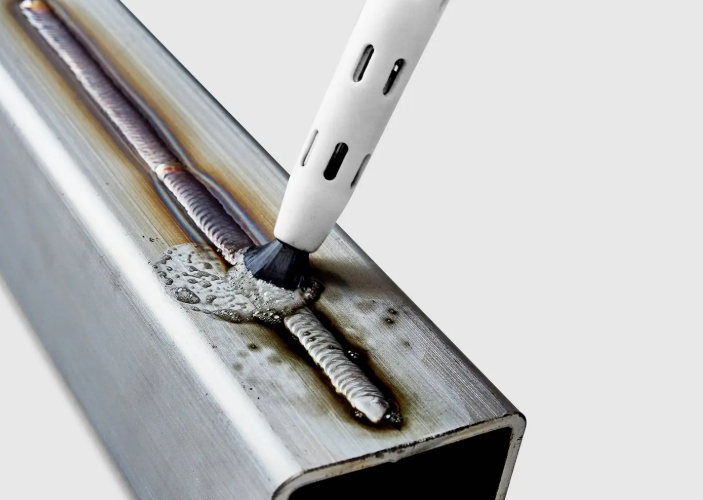
Walking into any metal fabrication shop, you'll hear the same complaint from experienced welders: "Aluminum is tricky to weld." The secret isn't in the aluminum welding technique itself - it's in what happens before the arc starts. Proper aluminum cleaning makes the difference between strong, beautiful welds and failed joints full of porosity.
Why Cleaning Aluminum Before Welding Isn't Optional
Aluminum naturally develops an oxide layer that acts like a protective shield. This invisible layer melts at 3,762°F (2,072°C) while the aluminum underneath melts at 1,221°F (660°C). If you don't remove this oxide, your weld pool becomes contaminated with inclusions that create weak spots.
The main enemies of aluminum welding are:
-
Aluminum oxide - the invisible barrier that prevents proper fusion
-
Oils and grease - from handling and machining processes
-
Moisture - which causes hydrogen porosity in welds
-
Dust and contaminants - from shop environment and storage
I've seen workshops waste thousands on rework because they skipped proper cleaning. The five minutes you spend cleaning properly can save hours of grinding and rewelding later.
Aluminum Cleaning Methods at a Glance
| Method | Best For | Key Advantage | Main Drawback |
|---|---|---|---|
| Laser Cleaning | High-precision work | No media residue | Higher equipment cost |
| Chemical Cleaning | Batch processing | Thorough oxide removal | Chemical handling required |
| Mechanical Grinding | Heavy contamination | Fast material removal | Can embed abrasives |
| Solvent Degreasing | Oil and grease removal | Simple process | Doesn't remove oxide |
| Plasma Cleaning | Complex geometries | No surface contact | Limited thickness capacity |
Detailed Breakdown of Each Cleaning Method
1. Laser Cleaning: The High-Tech Solution
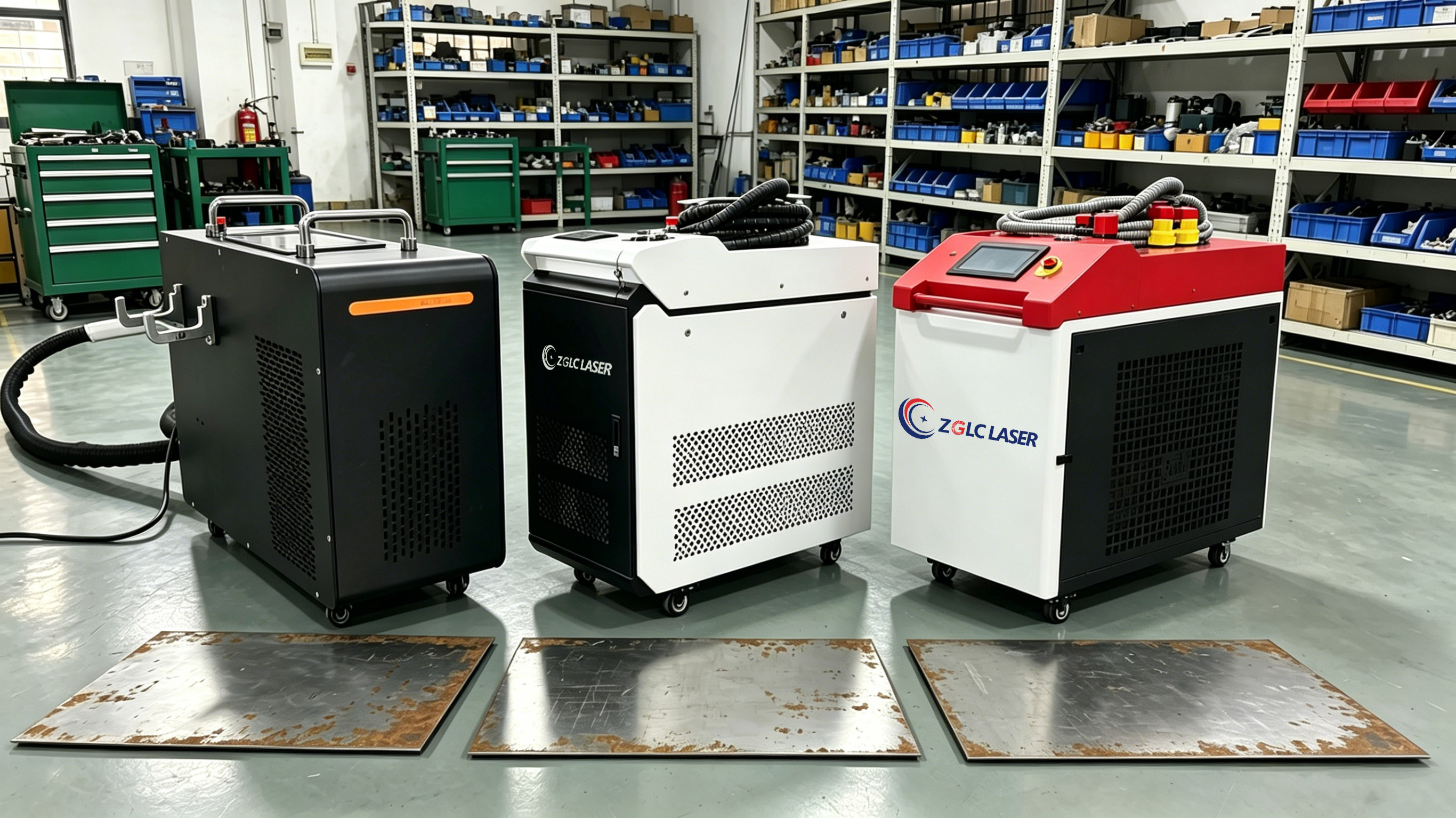
Laser systems have become the go-to solution for aerospace and automotive applications where precision matters most.
Advantages:
-
Leaves absolutely no media residue behind
-
Digital precision - only cleans where you aim
-
Environmentally friendly (no chemicals)
-
Can be automated for production lines
Disadvantages:
-
Significant equipment investment ($20,000+)
-
Requires operator training
-
Slower for large surface areas
-
Safety considerations for laser operation
I recently visited an electric vehicle battery manufacturer using laser cleaning for aluminum battery enclosures. Their quality manager noted: "We reduced weld defects by 92% compared to mechanical methods."
2. Chemical Cleaning: The Traditional Powerhouse
Chemical methods remain popular for their thorough oxide removal capabilities.
Advantages:
-
Excellent for removing stubborn oxides
-
Can process multiple parts simultaneously
-
Reaches into complex geometries
-
Proven track record over decades
Disadvantages:
-
Chemical disposal and environmental concerns
-
Requires proper safety equipment and training
-
Can etch surface if over-applied
-
Regular solution monitoring needed
3. Mechanical Grinding: The Shop Floor Favorite
From angle grinders to specialized abrasives, mechanical methods offer quick results.
Advantages:
-
Immediate visual results
-
No chemical storage concerns
-
Familiar equipment for most shops
-
Effective on heavily oxidized surfaces
Disadvantages:
-
Can embed abrasive particles in soft aluminum
-
Creates dust requiring extraction systems
-
Risk of removing too much base material
-
Difficult to achieve consistent results
4. Solvent Degreasing: The Essential First Step
Often used in combination with other methods, solvents tackle organic contamination.
Advantages:
-
Excellent for removing oils and greases
-
Quick evaporation minimizes waiting time
-
Works without altering surface geometry
-
Readily available and cost-effective
Disadvantages:
-
Doesn't address aluminum oxide layer
-
Flammability and ventilation concerns
-
Repeated exposure health considerations
-
Environmental regulations apply
5. Plasma Cleaning: The Emerging Technology
Plasma systems use ionized gas to scrub surfaces at microscopic level.
Advantages:
-
Contacts even the most complex shapes
-
No mechanical stress on parts
-
Environmentally clean process
-
Can be integrated into automated lines
Disadvantages:
-
Limited to chamber-sized components
-
Higher equipment costs than traditional methods
-
Requires technical expertise
-
Slower than some alternatives
Making the Right Choice for Your Operation
The best cleaning method depends on your specific needs. For most job shops, I recommend starting with a combination approach: use solvent degreasing followed by mechanical cleaning with stainless steel brushes. This two-step process handles both organic contamination and oxide removal effectively.
For high-volume production environments, laser cleaning provides the consistency and automation capabilities that justify the initial investment. One automotive parts supplier calculated their laser cleaning system paid for itself in 14 months through reduced rework and faster throughput.
Remember these key points:
-
Always clean aluminum shortly before aluminum welding (within 4 hours)
-
Store cleaned material in dry, clean conditions
-
Use dedicated tools for aluminum to prevent cross-contamination
-
Document your cleaning process for quality control
The few minutes spent on proper aluminum cleaning will save you from the headache of failed welds and expensive rework. Your welders will thank you, your quality manager will appreciate you, and your customers will never see the preparation work - only the perfect results.
Laser Cleaning vs. Sandblasting: Finding Your Best Fit
A Practical Guide: How to Choose a Laser Cleaning Machine?
Related Article