Laser Cutting vs. CNC Milling: Which Machine Should You Choose?
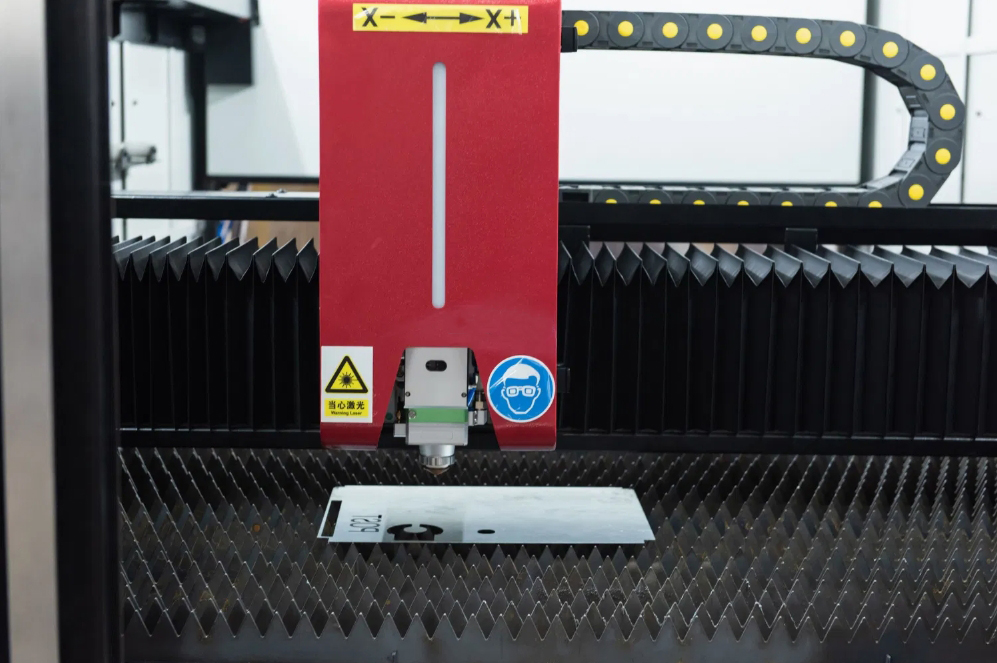
Every modern workshop needs the right tools for the job. When it comes to shaping materials, laser cutting and CNC milling are two of the most powerful options available. They're both computer-controlled, both precise, but they work in completely different ways. Understanding these differences is key to choosing the right technology for your specific projects.
What is a Laser Cutting Machine?
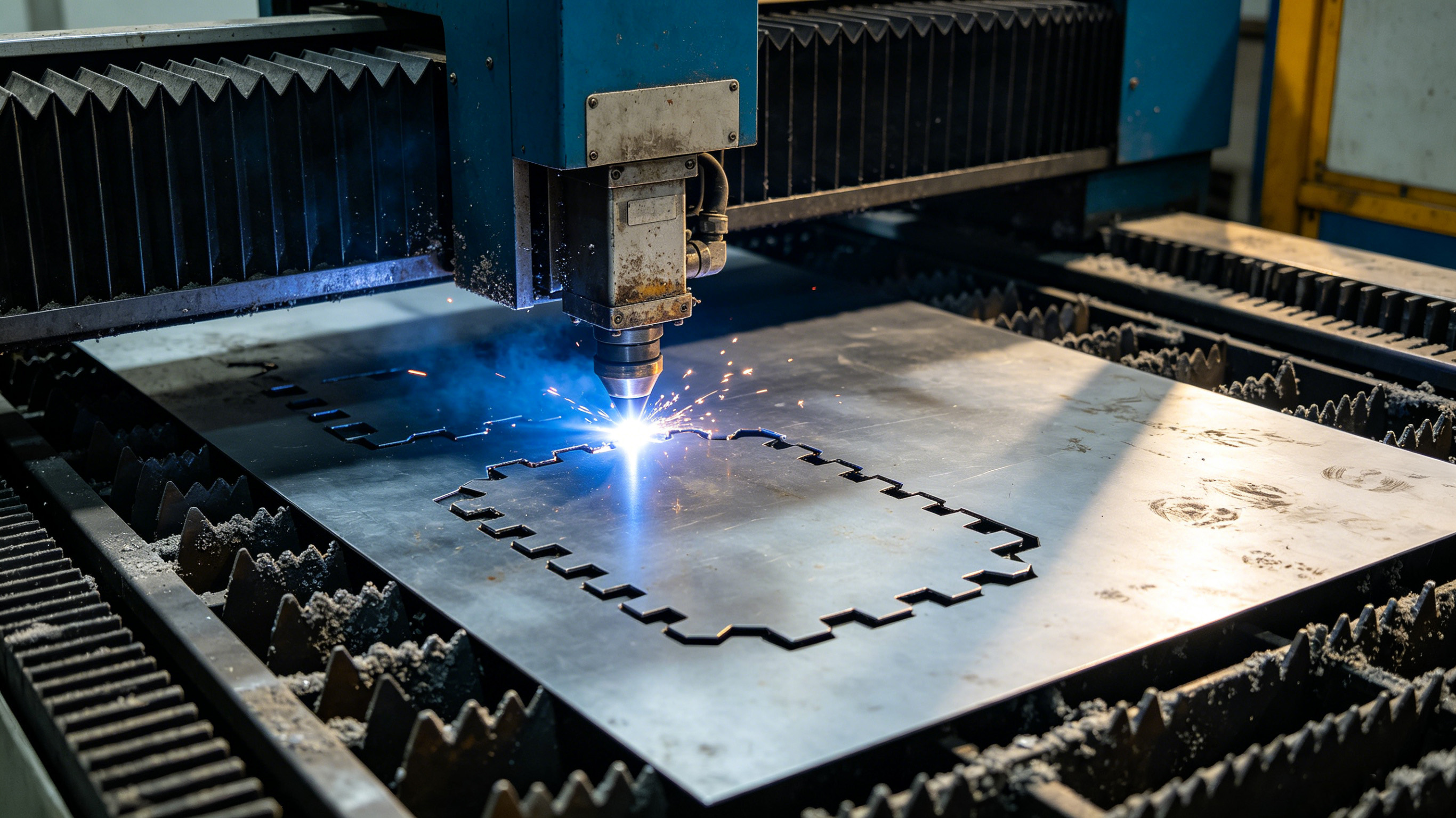
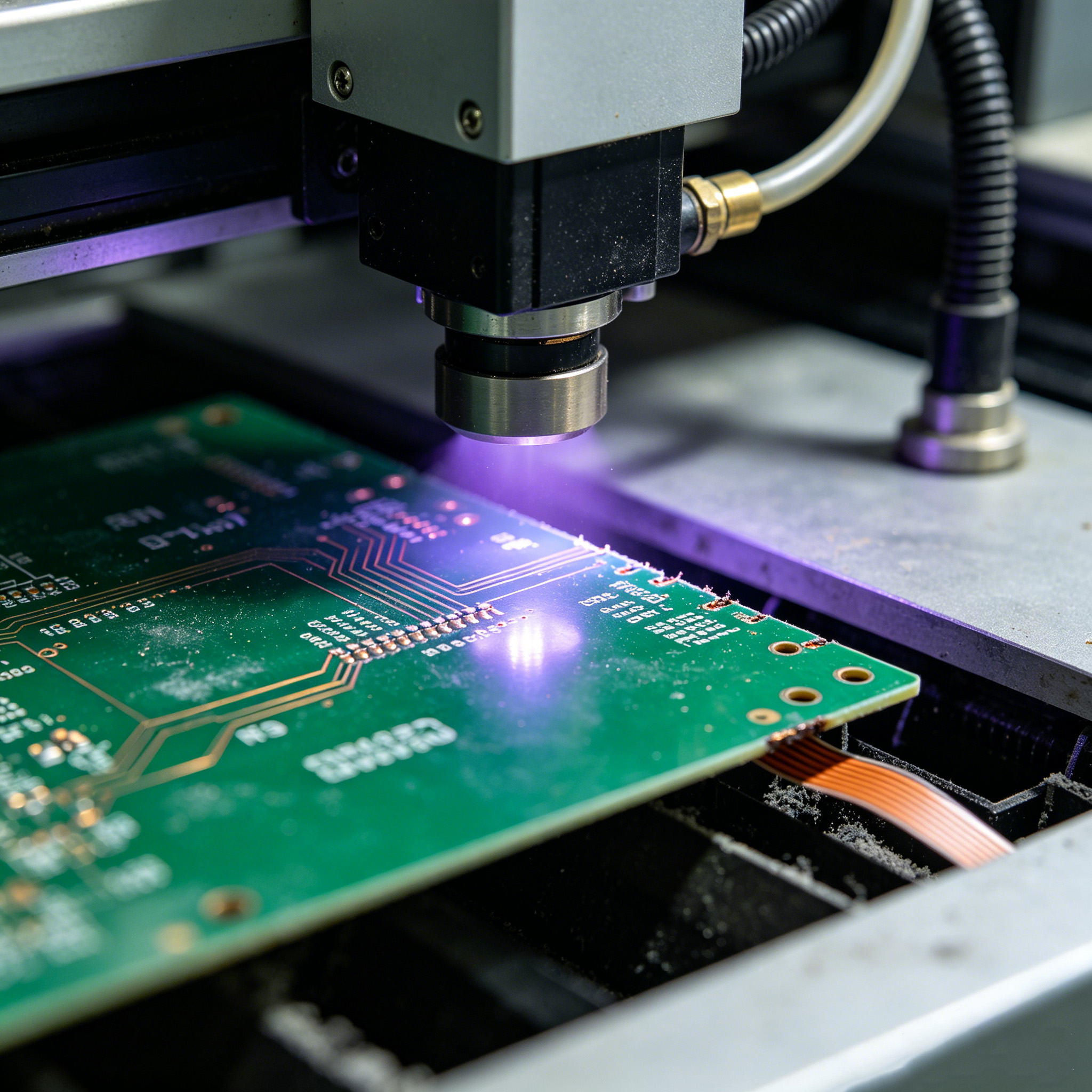
A laser cutting machine uses a highly focused beam of light to melt, burn, or vaporize material. Think of it as a super-concentrated, computer-guided torch. The beam follows a digital path to cut through sheet materials like metal, plastic, or wood. Since there's no physical contact, it produces clean, precise edges with minimal force on the material. This laser cutting process is fast, efficient, and perfect for flat parts with complex 2D shapes.

What is a CNC Milling Machine?
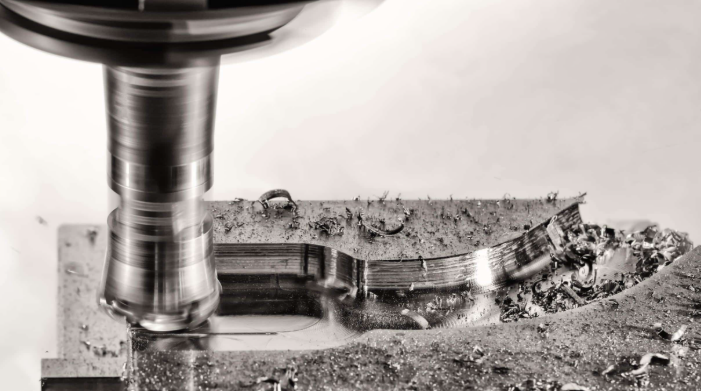
A CNC milling machine is like a computerized sculptor. Instead of using light, it uses rotating cutting tools (called end mills) to physically carve away material from a solid block or billet. The machine moves these tools along multiple axes, cutting away excess material to create 3D shapes, pockets, slots, and precisely machined surfaces. CNC milling is subtractive—you start with more material than you need and remove what isn't part of the final design.
Side-by-Side Comparison: Pros and Cons
To see which technology fits your work, let's break down their strengths and weaknesses.
| Feature | Laser Cutting | CNC Milling |
|---|---|---|
| How It Works | Thermal process: Uses a high-power laser beam to melt or vaporize material. | Mechanical process: Uses physical cutting tools to chip away material. |
| Best for These Materials | Metals (sheet steel, aluminum), acrylic, wood, fabric. | Metals (solid blocks), plastics, wood, engineering composites. |
| Best for This Geometry | 2D shapes & profiles. Excellent for flat parts, intricate patterns, and holes in sheet goods. | Complex 3D parts. Ideal for components with depth, pockets, contours, and threaded holes. |
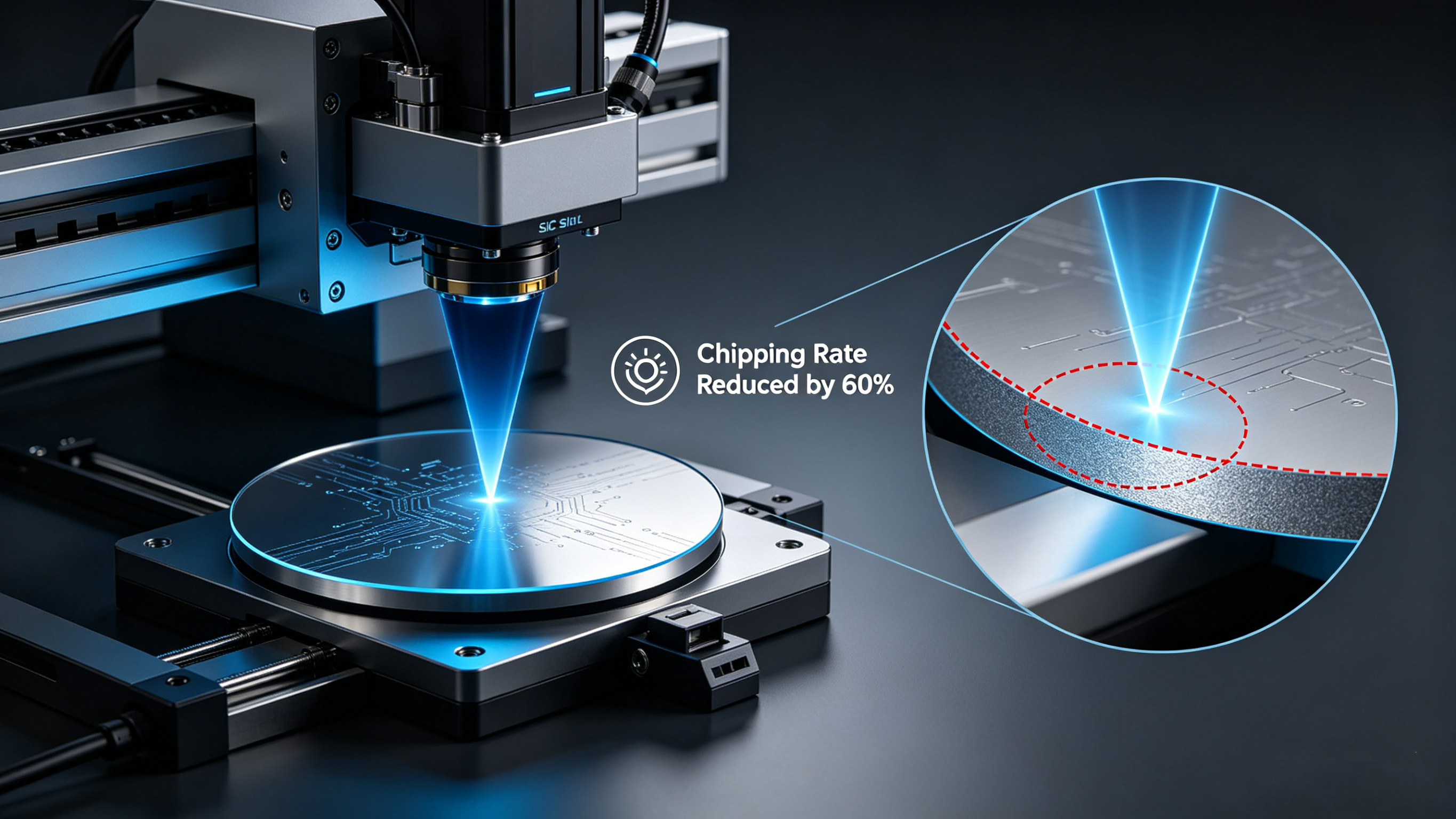
| Precision & Detail | Extremely high detail for 2D cuts. Kerf (cut width) is very small and consistent. | Exceptional dimensional accuracy for 3D features. Detail depends on the size of the cutting tool. |
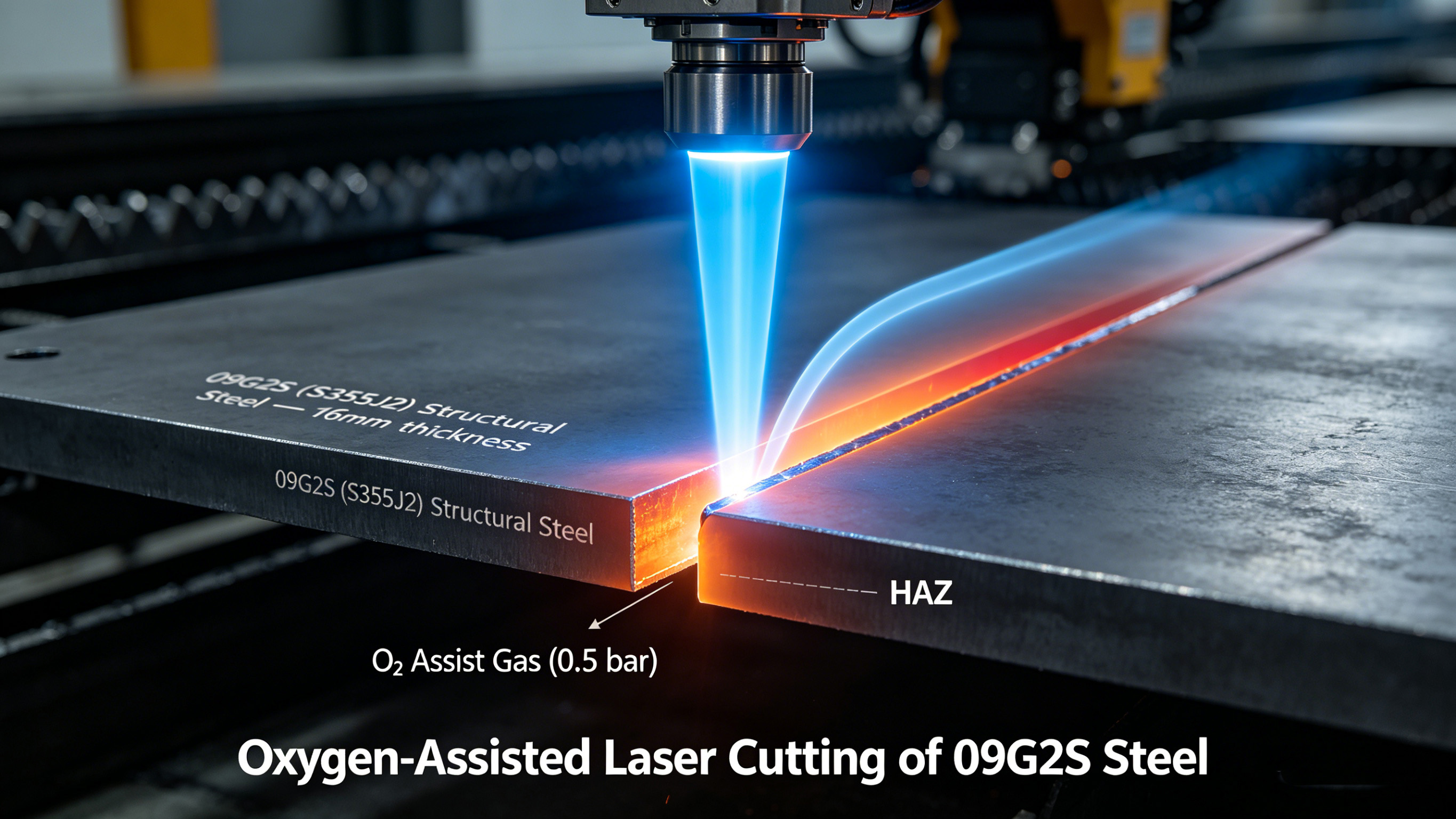
| Edge Quality | Smooth, often sealed edge. May have a discolored "heat-affected zone" on metals. | Tool marks are visible; can achieve a polished finish with the right tools and passes. |
| Speed | Very fast for cutting through thin to medium-thickness sheets. | Slower overall, as material must be carved away in layers or passes. |
| Material Waste | Efficient use of sheet material. Parts can be "nested" closely together. | Generates chips and swarf. Starting from a solid block can be less material-efficient. |
| Setup & Flexibility | Quick setup; change designs digitally. No tool changes needed. | Requires programming toolpaths and physical tool changes for different operations. |
| Key Limitation | Creates a Heat-Affected Zone (HAZ). Limited by material thickness. | Not ideal for very thin, delicate sheets due to physical cutting forces. |
Cost and Value: What's the Better Investment?
The right choice depends on your budget and what you need to produce.
Laser Cutting Costs:
-
Initial Cost: Can range from moderate (for low-power) to very high (for industrial metal cutters).
-
Running Costs: Consumables include assist gases (like nitrogen or oxygen) and electricity. Maintenance focuses on optics and the laser source.
-
Value Proposition: Unbeatable for high-speed production of 2D parts. If you primarily work with sheet metal for enclosures, brackets, or decorative art, laser cutting offers tremendous efficiency.
CNC Milling Costs:
-
Initial Cost: Varies widely. A basic 3-axis mill costs less than an industrial laser, but a full 5-axis machining center is a major investment.
-
Running Costs: The big expense is cutting tools—they wear out and break. Coolants and lubricants are also needed.
-
Value Proposition: Provides unmatched versatility. If you make functional prototypes, molds, engine parts, or any component that isn't flat, CNC milling is often the only way to create it from solid material.
Which Machine is Right for You? Ask These Questions.
Stop thinking about which machine is "better." Start asking which one is better for your specific work.
-
What shape are my parts?
-
Flat/2D? Lean toward laser cutting.
-
3D with depth, curves, or complex features? You need CNC milling.
-
-
What materials do I use?
-
Mainly sheets? A laser cutting machine is likely your best fit.
-
Mainly solid blocks, bars, or plates? You're in CNC milling territory.
-
-
What's my production volume?
-
High volume of identical flat parts: Laser cutting offers faster throughput.
-
Lower volume or one-off complex parts: CNC milling provides the necessary flexibility without expensive custom tooling.
-
-
What's my shop's expertise?
-
Laser cutting requires knowledge of thermal processes and material reactions.
-
CNC milling requires skill in toolpath programming (CAD/CAM), tool selection, and fixturing.
-
The Bottom Line: For clean, fast cuts in sheet material, choose laser cutting. For carving solid blocks into complex 3D components, choose CNC milling. Many successful manufacturers use both, sending laser-cut blanks to the CNC mill for added holes or 3D features. Match the technology to your most common jobs, and you'll invest in the tool that truly boosts your shop's productivity.
Your Holiday Hot Sales: 8 Laser-Cut Items Customers Will Love
Your Laser's MVP: An Exact Guide to Cutting Nozzles
Related Article