Laser How to Clean Metal: The Fastest Way to Remove Rust
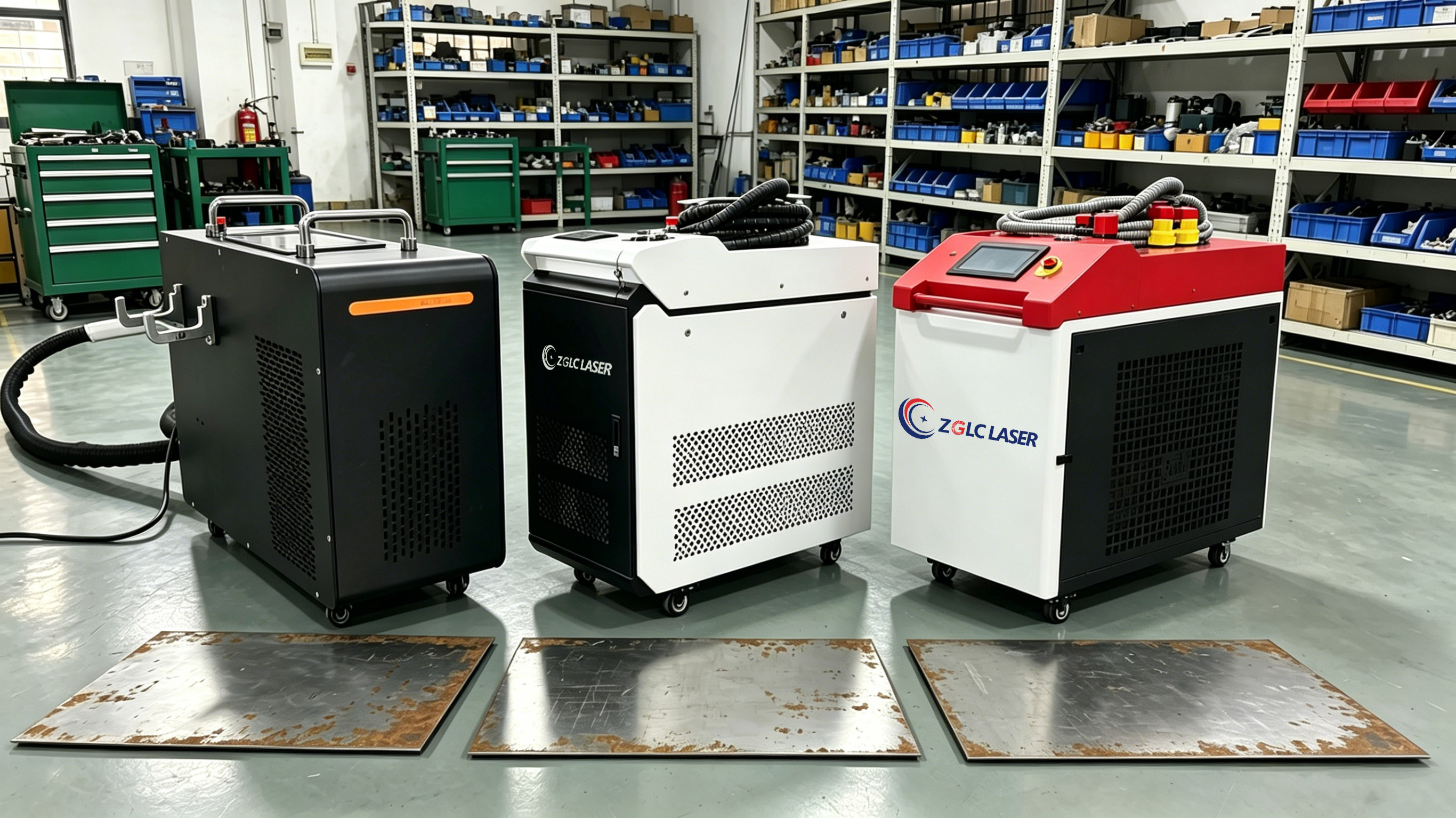
Rust is the enemy of every metal surface. It weakens structures, ruins parts, and drives up maintenance costs. The fastest way to remove it? A laser cleaning machine. No chemicals. No abrasives. No damage to the metal underneath. Just a beam of light that vaporizes rust in seconds, leaving bare, clean metal behind. If you've been wondering about the best way to clean metal without wasting hours on grinding or dealing with toxic chemicals, laser cleaning is your answer.
1. How to Quickly Remove Rust from Metal? (And Why Traditional Methods Fail)
Before we talk about how to clean metal with lasers, let's look at what doesn't work.
| Method | How It Works | The Problem |
|---|---|---|
| Manual grinding | Sandpaper or wire brush scrapes rust off | Slow, tiring, and often misses rust in tight spots |
| Chemical rust removers | Acids dissolve the rust | Toxic fumes, hazardous waste, and can over-etch the metal |
| Sandblasting | Abrasive media blasts rust away | Damages the base metal, creates dust clouds, and requires massive cleanup |
| Ultrasonic cleaning | Sound waves shake rust loose | Expensive, requires secondary treatment, and noisy |
Traditional methods are slow, messy, and often damage the very metal you're trying to save. That's why more industries are switching to laser cleaning as the best way to clean metal quickly and safely.
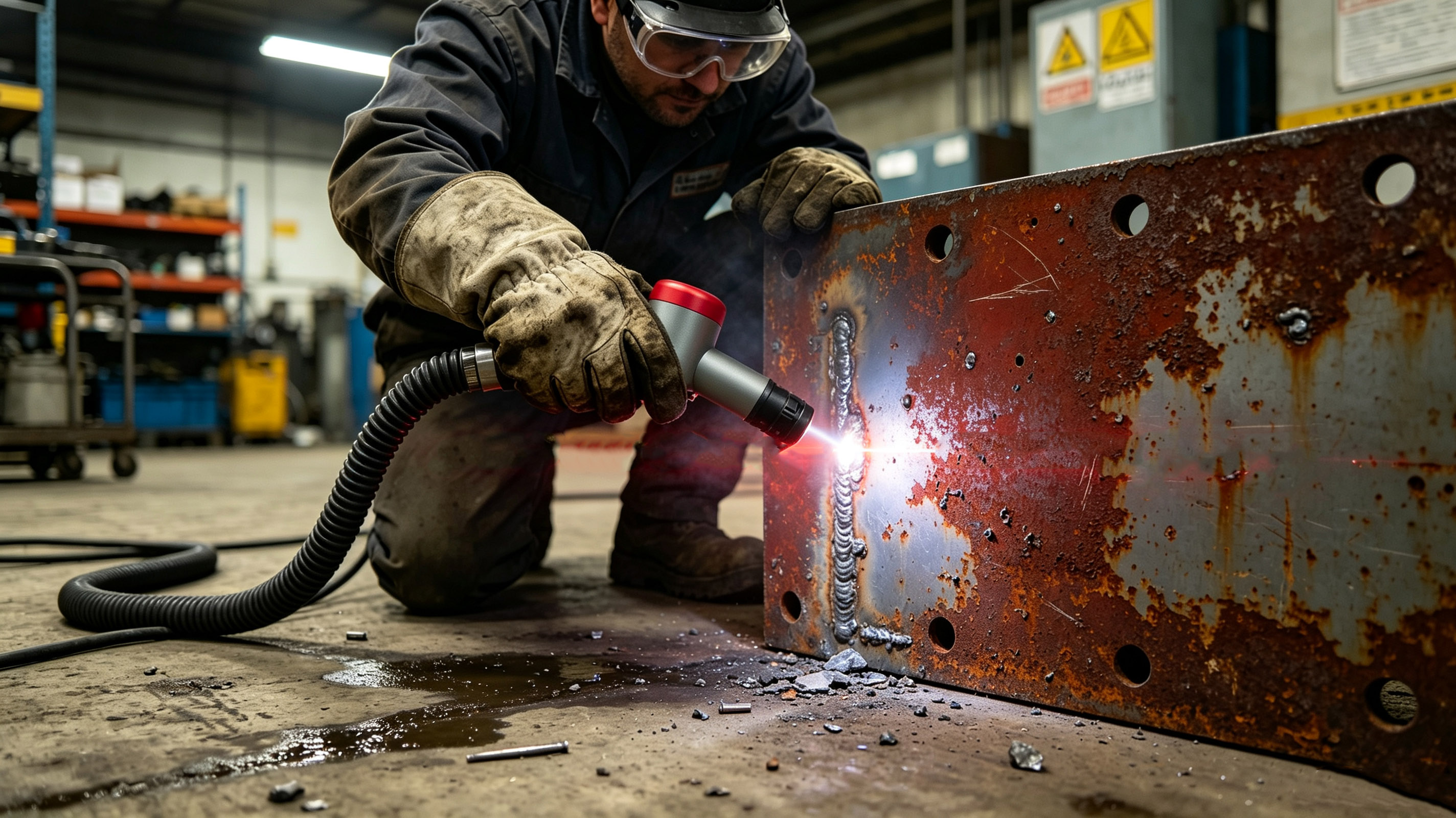
How laser cleaning works: A laser beam targets the rust layer. Rust absorbs the laser energy much better than the underlying steel does. The rust heats up instantly, vaporizes, and turns into fine dust that's captured by a vacuum. The metal underneath stays cool and untouched.
2. How to Remove Rust from Metal in 2 Minutes (Case Study: Automotive Parts)
Let's get specific. A major automotive manufacturer faced a problem: rust on metal parts before welding. Traditional sandblasting was time-consuming and risked contaminating the weld zones.
The solution: They integrated a laser cleaning machine into their production line.
The results:
-
Cleaning time reduced by 40%
-
Weld quality improved dramatically – clean surfaces meant defect-free joints
-
No secondary waste – no abrasives, no chemicals, no disposal costs
In the aerospace industry, similar results emerged. A major manufacturer used laser cleaning to remove oxidation from turbine blades. The results? Enhanced engine performance, a 25% reduction in maintenance costs, and elimination of hazardous chemical waste.
Here's what 2 minutes of laser cleaning looks like: A technician points a handheld laser gun at a rusty automotive gear. The laser scans across the surface. Rust particles vaporize instantly. Within 120 seconds, the gear is clean, rust-free, and ready for assembly. No chemicals. No scrubbing. No damage.
That's the best way to clean metal when you're on a deadline.
3. Which Rust Remover Is Best? (Chemical vs. Laser)
If you're trying to figure out how to clean metal and which tool to buy, here's a direct comparison:
| Factor | Chemical Rust Remover | Laser Cleaning Machine |
|---|---|---|
| Speed | Slow – needs time to react | Fast – rust vaporizes instantly |
| Safety | Toxic fumes, skin burns, spills | Non-contact, no chemicals, safe |
| Waste | Hazardous liquid waste to dispose | Minimal dust, easily captured |
| Surface damage | Can over-etch or corrode metal | Selectively removes only rust |
| Long-term cost | Ongoing chemical purchases + disposal fees | No consumables, just electricity |
Chemical rust removers have a lower upfront cost, but they come with hidden expenses: PPE for workers, disposal fees, and the risk of damaging your parts. A laser cleaning machine costs more initially, but it pays for itself quickly through eliminated consumables, faster cleaning times, and zero waste disposal costs.
When you're looking for the best way to clean metal in the long run, laser cleaning wins every time.
4. How to Remove Rust from Metal in 1 Hour (Scaling Up in Production)
What about larger operations? If you need to clean metal surfaces at scale—think ship hulls, bridge beams, or production lines—laser cleaning scales up beautifully.
Here's how to clean metal efficiently in a production setting:
-
Handheld systems allow workers to move quickly across large surfaces
-
Robotic integration automates the process for consistent, repeatable results
-
High-power lasers (2000W and above) strip rust from steel at speeds of 10-15 square meters per hour
One case study from the marine industry: a shipping company used laser cleaning to remove corrosion and old coatings from ship hulls. The results were remarkable:
-
Fuel efficiency improved by 15% – cleaner hulls meant less drag
-
Maintenance downtime was minimized
-
No chemical waste entering marine ecosystems
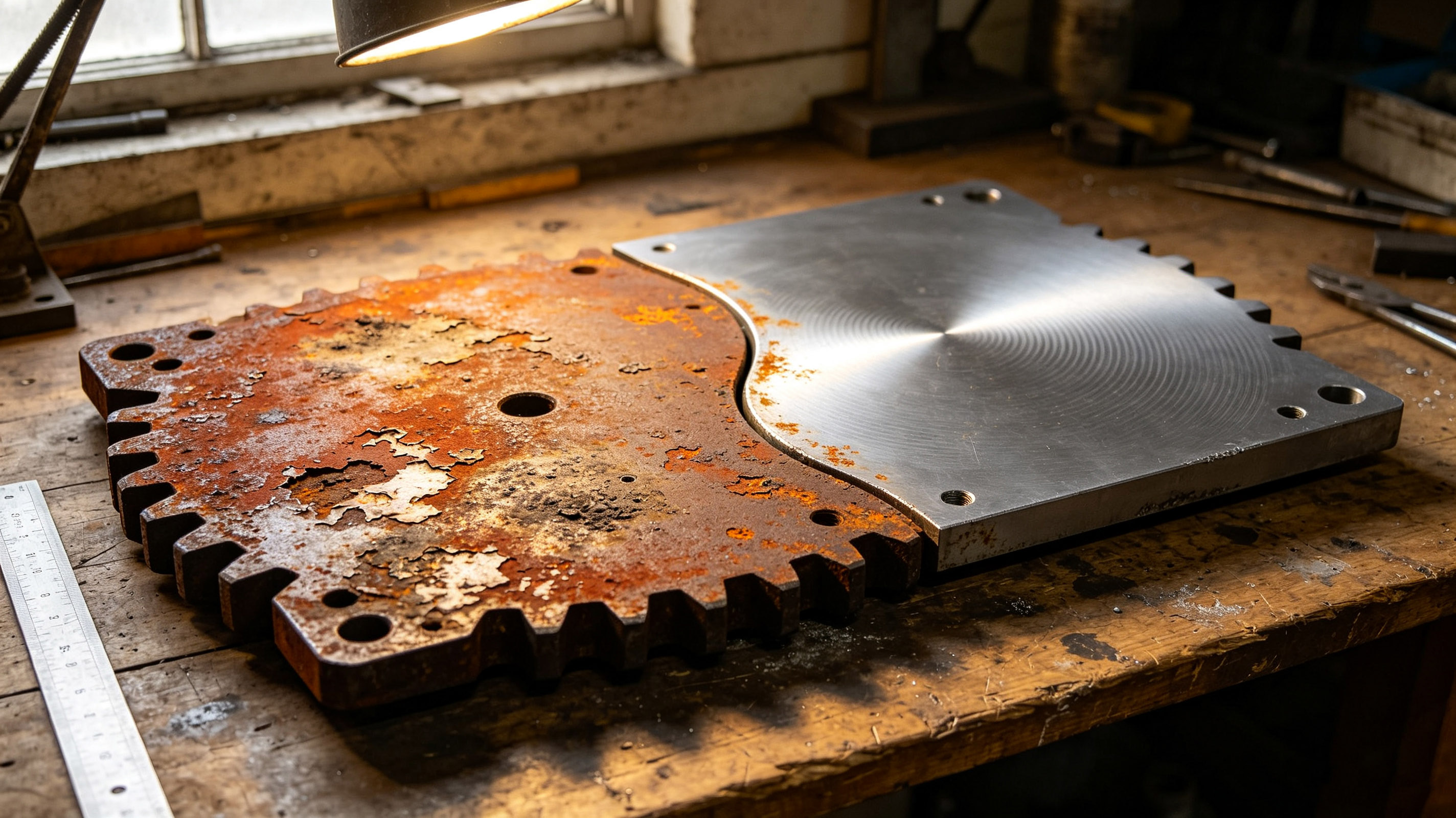
In one hour, a laser cleaning system can process large areas that would take a full day with traditional methods. That's the best way to clean metal when time is money.
5. Frequently Asked Questions
Q: Is laser cleaning safe for all metals?
A: Yes. Laser cleaning works on steel, aluminum, copper, brass, titanium, and even delicate metals like gold and silver. The key is adjusting the laser settings for each material.
Q: Will laser cleaning damage the metal underneath?
A: No. The laser is tuned to remove only the rust layer. The base metal stays cool and intact. This is what makes laser cleaning the best way to clean metal for precision parts.
Q: Do I need special training to use a laser cleaning machine?
A: Basic training is recommended, but modern systems are user-friendly with preset cleaning modes. Most operators learn the best way to clean metal with a laser in just a few hours.
Q: Is laser cleaning expensive?
A: The initial investment is higher than buying chemicals or sandblasting equipment. But over time, it's cheaper because there are no consumables to buy and no waste to dispose of.
Q: Can laser cleaning remove paint as well as rust?
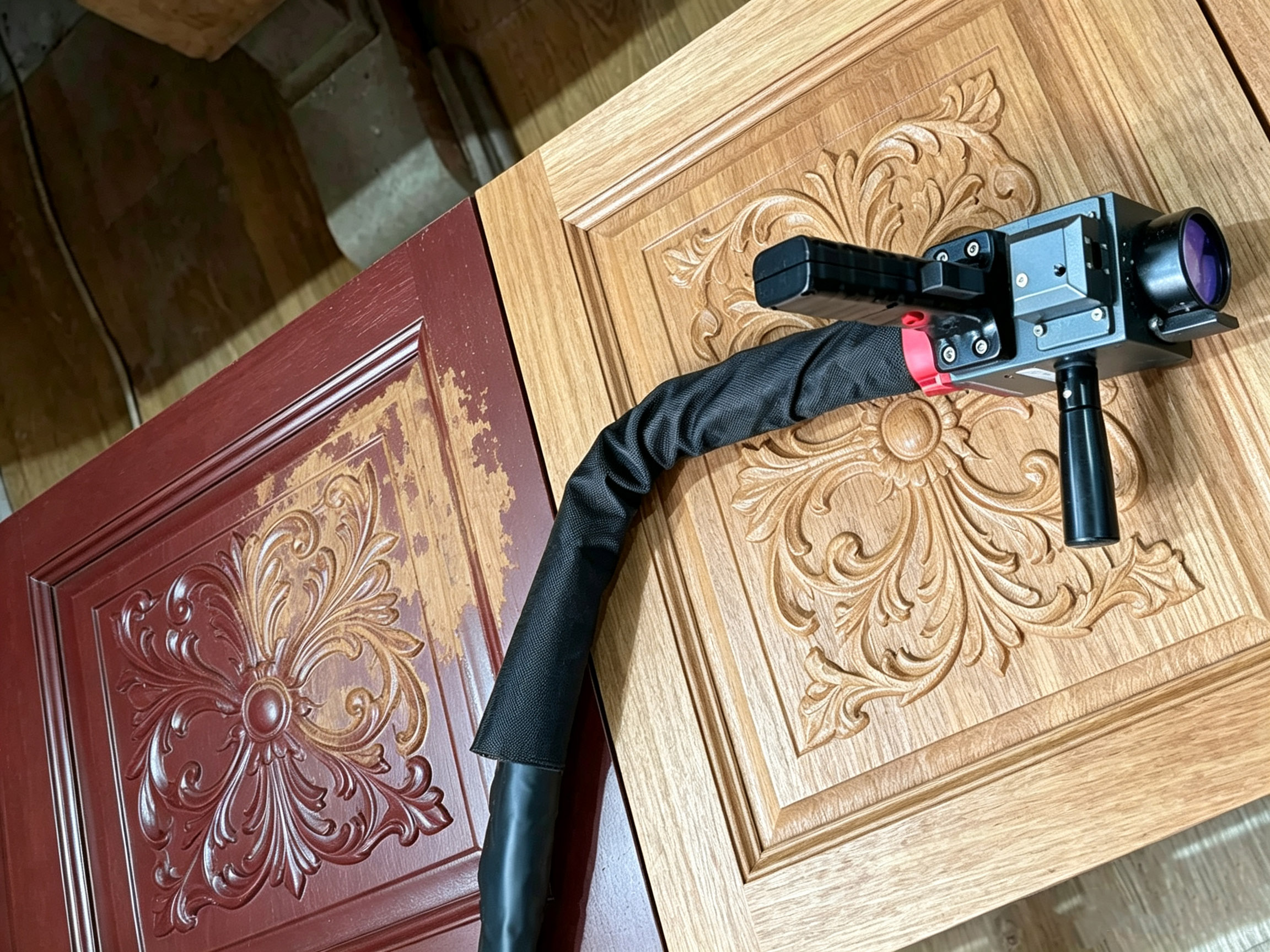
A: Yes. Laser cleaning removes rust, paint, oxides, grease, and other contaminants from metal surfaces.
6. Conclusion
If you've been searching for the best way to clean metal, laser cleaning is the answer. It's faster than grinding, safer than chemicals, and cleaner than sandblasting. It removes rust in seconds, not hours. It works on any metal surface. And it eliminates the ongoing costs of consumables and waste disposal.
Here's the bottom line: Whether you're cleaning a single automotive part or scaling up for industrial production, learning how to clean metal with a laser will save you time, money, and headaches. The technology is proven. The results are measurable. And the future of metal surface cleaning is already here.
Ready to see the best way to clean metal in action? Contact ZGLC Laser today for a free demo on your own rusty parts.
How Does a Pulse Laser Cleaning Machine Work? A Complete Guide
What Is the Principle of Laser Rust Removal?
Related Article