Stepped Cutting: Revolutionizing Remote Laser Cutting of Steel Plates
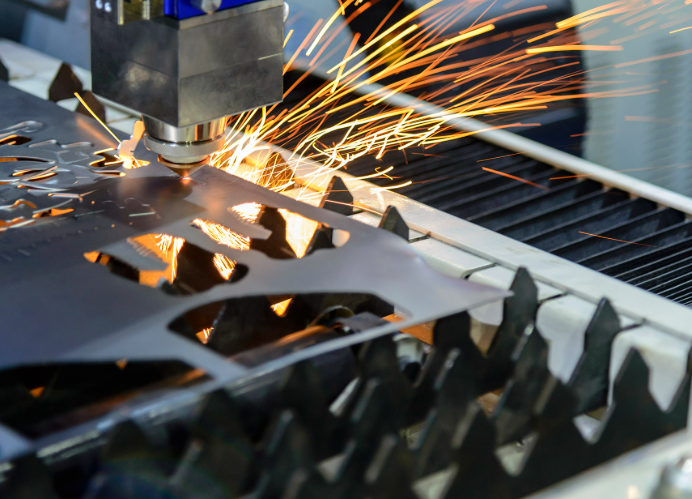
Stepped cutting patterns represent a transformative advance in remote laser cutting technology, significantly enhancing cutting quality and precision. This innovative approach addresses long-standing challenges in thermal processing by optimizing energy distribution and thermal management. For manufacturers working with steel plates, implementing stepped cutting techniques can dramatically improve process efficiency, reduce waste, and yield superior edge quality. As industries increasingly adopt remote laser cutting for its flexibility and speed, understanding and implementing optimized cutting patterns like stepped approaches becomes essential for maintaining competitive advantage.
The Challenge of Remote Laser Cutting
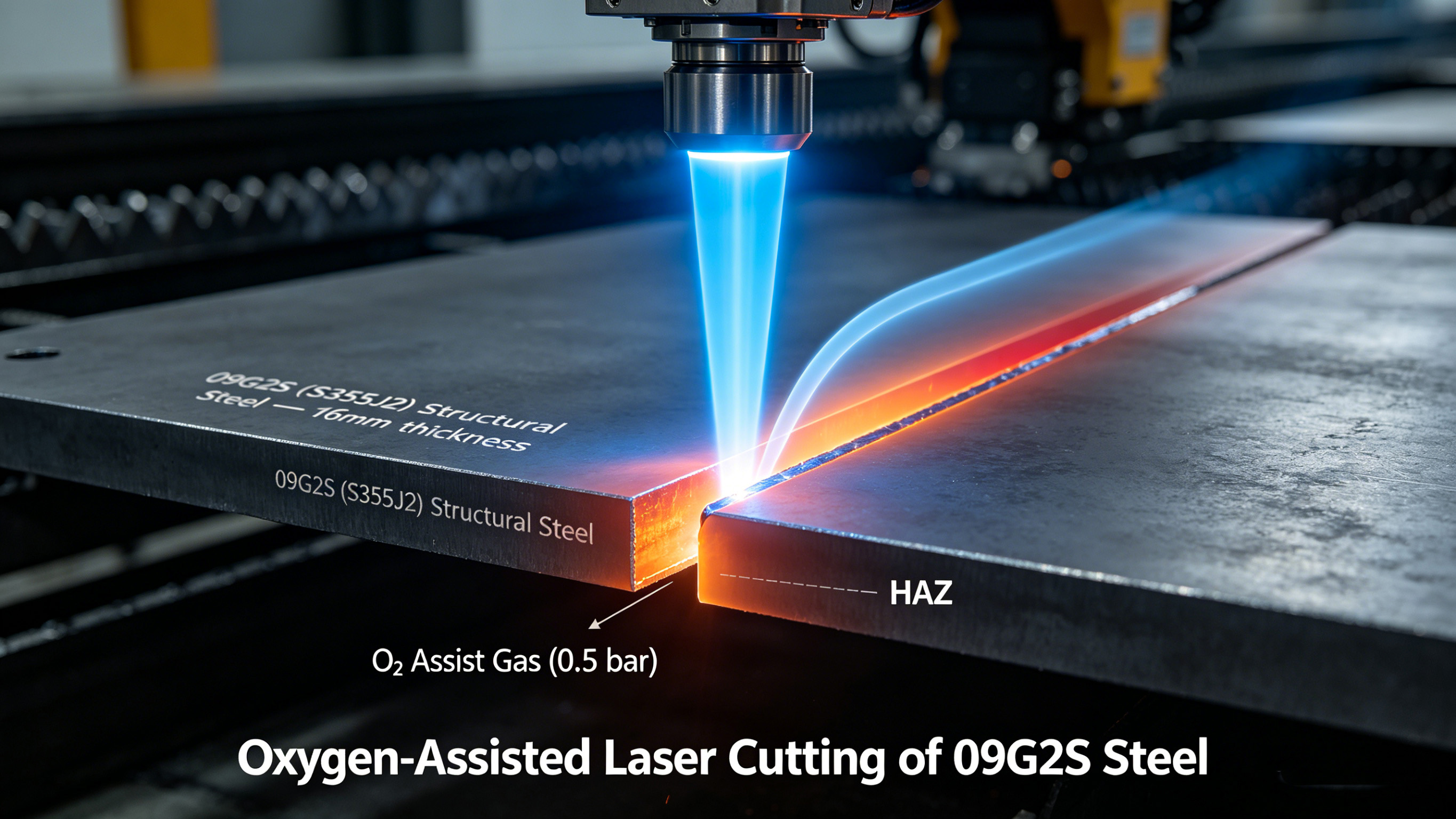
Remote laser cutting technology utilizes high-powered laser beams focused over substantial distances to process materials without physical contact between the cutting head and workpiece. This non-contact approach offers significant advantages in flexibility and accessibility, particularly for complex geometries and hard-to-reach areas. However, conventional continuous-path remote laser cutting faces challenges with heat accumulation, especially when processing thicker steel plates. The concentrated thermal input can lead to issues such as excessive dross formation, edge roughness, and heat-affected zone (HAZ) expansion—all of which compromise cutting quality and structural integrity.
In high-precision applications, these thermal drawbacks become particularly problematic. The automotive, aerospace, and heavy machinery sectors demand exceptionally clean cuts with minimal thermal distortion. Traditional methods sometimes struggle to meet these requirements consistently, especially when cutting complex contours or varying thicknesses. This limitation has driven research into alternative cutting strategies that better manage thermal dynamics throughout the cutting process.
How Stepped Cutting Works
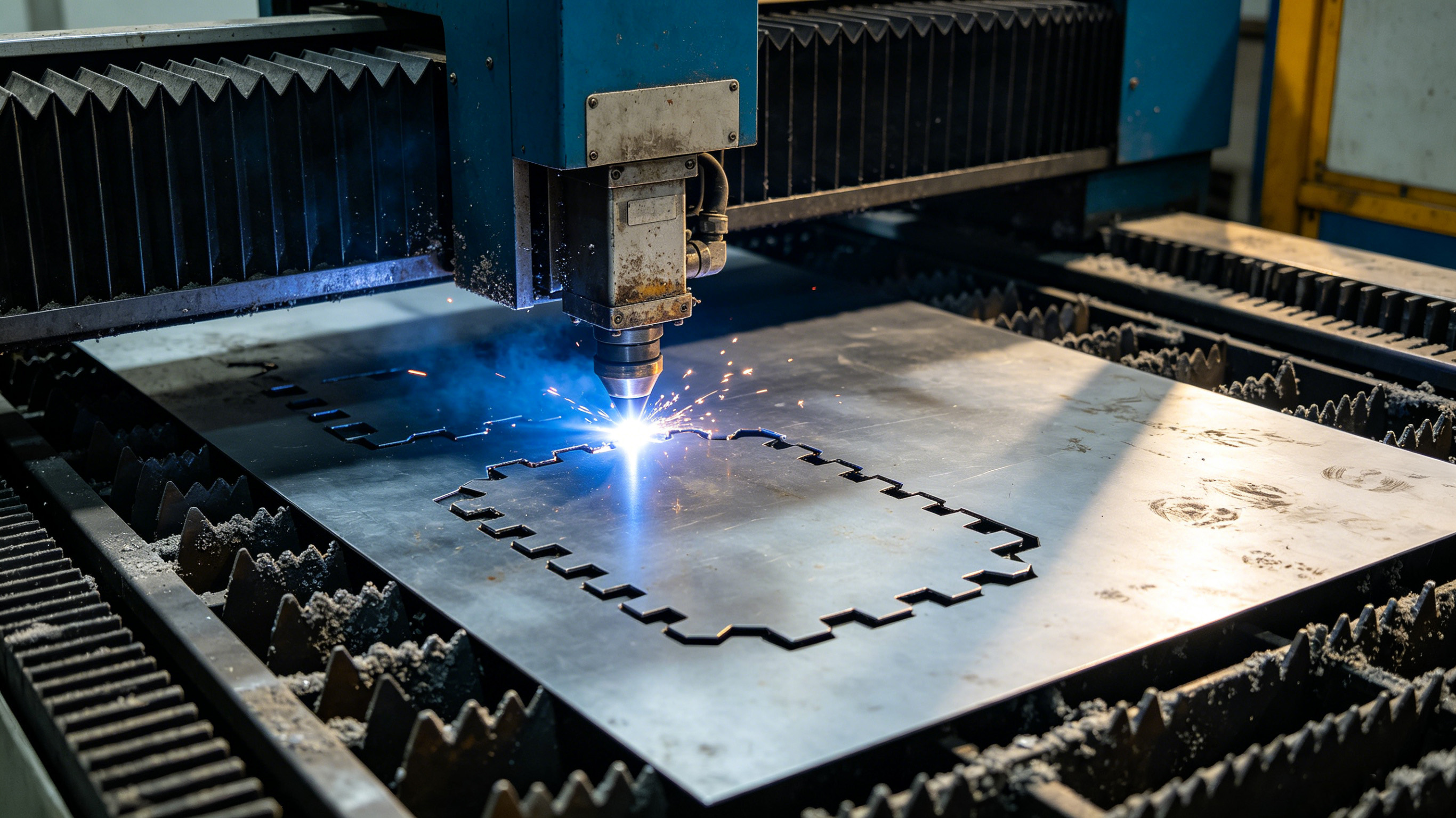
Stepped cutting patterns introduce an intentional interruption in the cutting path, breaking what would normally be a continuous cut into discrete segments with controlled pauses between them. Rather than tracing an entire contour in one uninterrupted motion, the laser follows a programmed sequence of partial cuts with brief interludes. This segmented approach fundamentally alters the thermal profile during processing.
The implementation involves dividing the cutting path into logical sections based on geometry, thickness variations, or thermal considerations. Between segments, the laser either pauses completely or reduces power significantly, allowing accumulated heat to dissipate from the cutting zone. This controlled cooling period prevents the excessive temperature buildup that often plagues conventional continuous cutting methods. The result is more consistent thermal conditions throughout the cutting process, regardless of path complexity or material thickness.
Advantages of Stepped Cutting for Steel Plates
Adopting stepped cutting patterns yields measurable improvements across multiple performance metrics in remote laser cutting applications:
-
Enhanced Cutting Quality: The controlled thermal cycling of stepped cutting reduces edge irregularities and produces more uniform kerf geometry. Research published in the Journal of Materials Processing Technology demonstrates that stepped cutting can reduce edge roughness by up to 40% compared to conventional methods when processing medium-thickness steel plates (6-12 mm).
-
Improved Precision and Accuracy: By minimizing thermal distortion, stepped cutting maintains tighter dimensional tolerances, especially important for components requiring subsequent assembly. The segmented approach allows for thermal "reset" between cutting phases, preventing progressive deviation that can occur in long continuous cuts.
-
Extended Equipment Longevity: Reducing sustained thermal loads decreases stress on optical components and prolongs the maintenance intervals for laser cutting systems, lowering operational costs over time.
A recent study (//www.sciencedirect.com/science/article/abs/pii/S0030399225013660) specifically investigated stepped cutting patterns in remote laser cutting of steel plates, confirming that this approach "significantly reduces thermal distortion while maintaining cutting efficiency." The researchers noted particular benefits when processing complex contours where heat accumulation tends to be most problematic.
Practical Implementation Considerations
Successfully implementing stepped cutting patterns requires attention to several process parameters:
-
Segment Length Optimization: Determining the ideal cutting segment length involves balancing thermal management with process efficiency. Shorter segments improve heat dissipation but increase overall cycle time.
-
Pause Duration Between Segments: The interval between cutting segments must be sufficient for meaningful heat dissipation without unnecessarily prolonging total processing time.
-
Power Modulation: Some advanced implementations combine stepped cutting with synchronized laser power adjustments, reducing power during directional changes or complex features.
-
Path Planning Strategy: Effective stepped cutting requires intelligent path segmentation that considers geometric features, material properties, and desired final quality.
Manufacturers report that the learning curve for implementing stepped cutting is reasonably manageable, especially with modern laser systems featuring advanced programming capabilities. The most significant challenge typically lies in optimizing parameters for specific material grades and thicknesses, which generally requires systematic testing and refinement.
Industry Applications and Future Outlook
The advantages of stepped cutting patterns make this approach particularly valuable for industries with stringent quality requirements:
-
Automotive Manufacturing: For chassis components and structural elements where cut edge quality directly impacts weld integrity and fatigue resistance.
-
Aerospace Components: Where precision and minimal thermal distortion are critical for safety-critical parts.
-
Heavy Equipment: For thick steel plates requiring clean cuts for subsequent machining or assembly.
-
Architectural Metals: Where visible cut edges demand exceptional finish quality without post-processing.
As remote laser cutting technology continues to evolve, stepped cutting patterns are increasingly integrated with other advanced techniques like adaptive optics and real-time monitoring systems. This convergence enables even more sophisticated thermal management strategies, potentially allowing dynamic adjustment of cutting parameters based on real-time thermal imaging feedback.
Future developments will likely focus on intelligent segmentation algorithms that automatically optimize cutting patterns based on component geometry and material characteristics. Such advancements could make the benefits of stepped cutting more accessible to a broader range of manufacturers without requiring extensive process expertise.
Conclusion
Stepped cutting patterns represent a significant evolution in remote laser cutting technology, offering a practical solution to longstanding thermal management challenges. By introducing controlled segmentation into cutting paths, this approach substantially improves cutting quality while maintaining processing efficiency. The technique proves particularly valuable for steel plate applications where edge quality and dimensional precision are paramount. As the supporting research confirms, stepped cutting reduces thermal distortion and improves cut edge characteristics—advantages that translate directly to better product quality and reduced post-processing requirements. For manufacturers seeking to optimize their laser cutting operations, implementing stepped cutting patterns offers a pathway to higher quality results with the reliable performance demanded by today's precision manufacturing sectors.
Reference: "Improving the cutting performance of remote laser cutting steel plates using a step-like cutting mode" by Penglei Jie,Xingwang Bai,Yi Jian,Lingfeng Luo,Min Mao,Changjun Qiu
The Laser "Graphic" Magic in the Perovskite Solar Era
Unlock 60% More Cuts: How Automation Supercharges Your Laser Machine
Related Article