The Laser "Graphic" Magic in the Perovskite Solar Era

In 2025, China’s solar cell capacity exceeded 400 GW. Laser scribing helped push PERC cell efficiency above 23%. Now, as perovskite‑silicon tandem cells race toward commercialization in 2026, the demand for precision laser patterning has reached new heights. Multi‑head laser scribers and ultrafast lasers are leading the charge. Here’s the math: a 0.5% efficiency gain adds roughly $50 million in module revenue, while the extra laser equipment costs only about $3 million. The value proposition is impossible to ignore.
Industry Background: The Unstoppable Drive for Lower Costs and Higher Efficiency
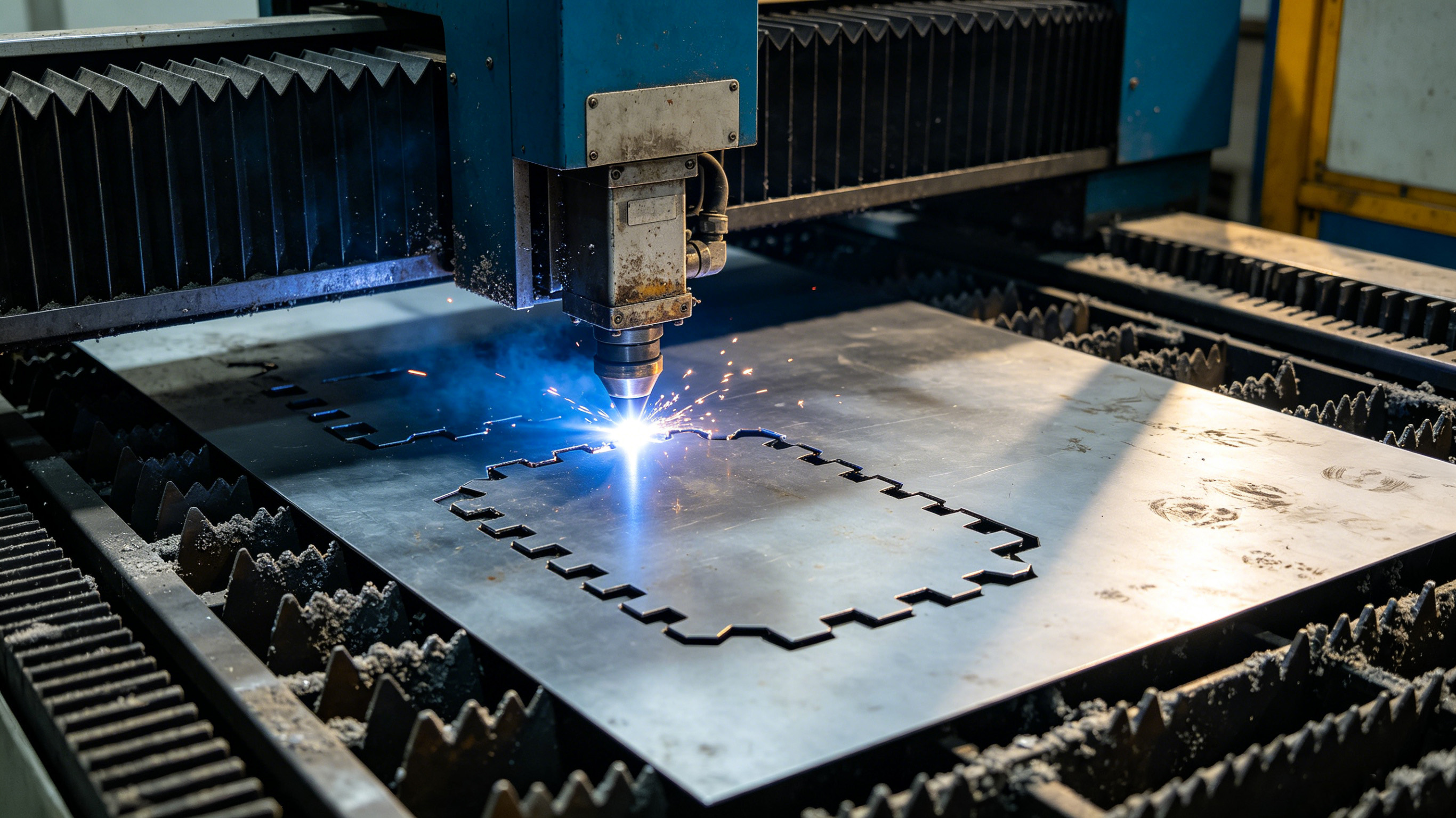
The solar industry lives by one rule: cheaper watts, more power. Every percentage point of efficiency translates into millions of dollars. Traditional screen printing and mechanical scribing can’t keep up with the delicate, ultra‑thin layers of perovskite cells. That’s where laser scribing comes in. It’s contactless, ultra‑precise, and creates the fine isolation lines that make multi‑junction cells work. Without advanced laser patterning, the perovskite revolution would stall at the lab door.
Technology Evolution: From Microns to Nanometers
The journey from PERC to TOPCon to perovskite tandems has pushed laser scribing from micron‑level accuracy into the nanometer realm. PERC needed lines about 30–50 µm wide. TOPCon asked for tighter control. Today’s tandem cells require scribe widths below 10 µm, with positioning errors measured in nanometers. Laser patterning equipment must now handle multiple layers (P1, P2, P3) without damaging adjacent active materials. Ultrafast (picosecond) lasers have become essential because they ablate without heat spread—keeping the fragile perovskite structure intact.
2025–2026 Breakthrough: Domestic Equipment Takes the Lead
Chinese laser manufacturers have closed the gap. Multi‑head laser scribing machines now process up to 7,200 cells per hour, rivaling foreign equipment. Even better, the price tag is roughly 40% lower. That’s a game‑changer for volume production. High throughput, lower capital cost, and local service support make domestic laser patterning solutions the obvious choice for gigawatt‑scale factories. Several production lines have already switched, reporting zero downtime and excellent scribe consistency.
The Patterning Process: P1, P2, P3 in Perfect Sync
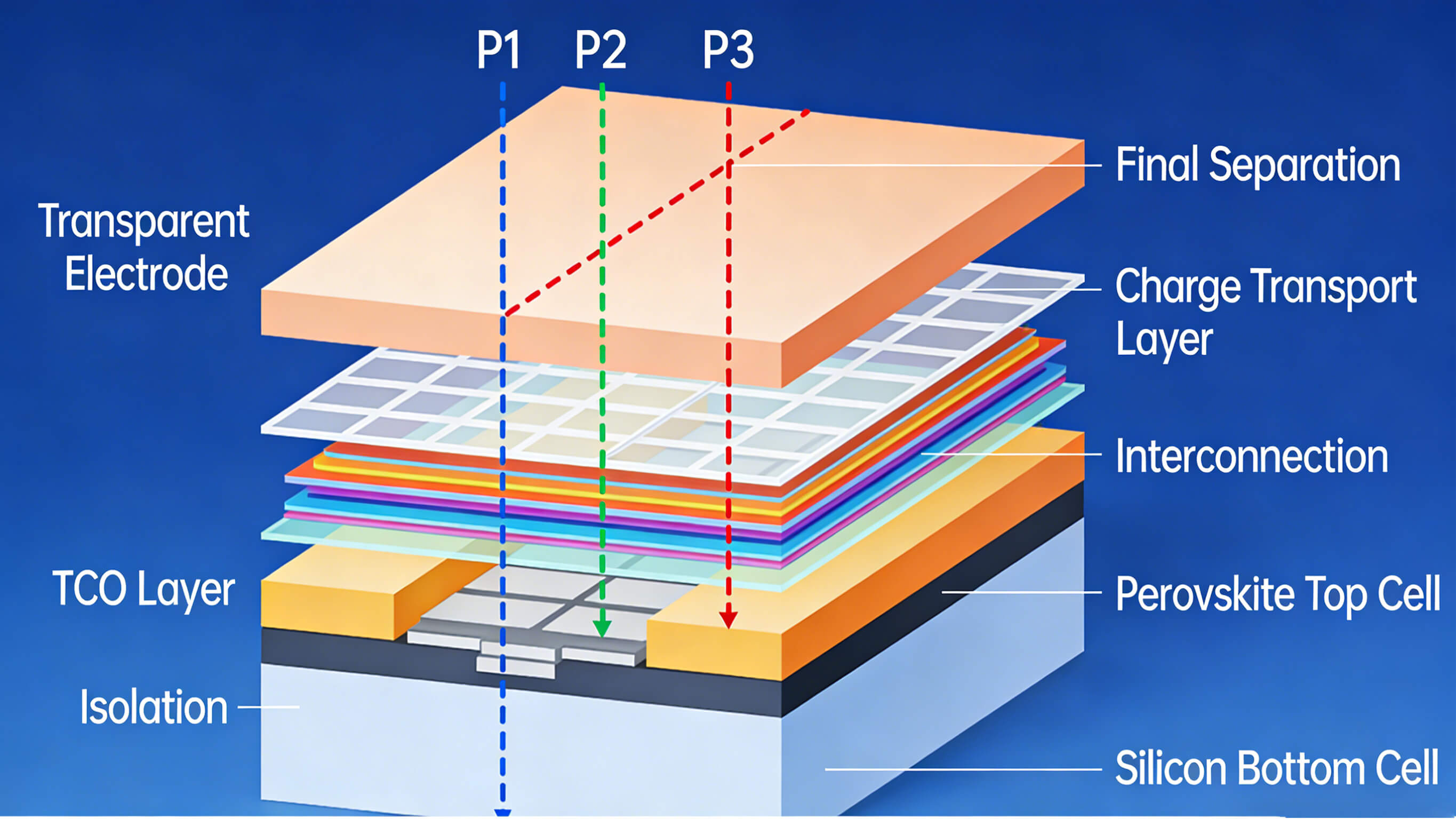
Laser scribing for perovskite‑silicon tandems follows a three‑step sequence:
-
P1 (patterning the bottom electrode): The laser cuts through the transparent conductive oxide (TCO) layer, defining the first isolation line.
-
P2 (contact opening): A second laser removes the perovskite and top contact layers to create interconnection points.
-
P3 (final isolation): The last laser cuts through the top electrode, separating individual sub‑cells.
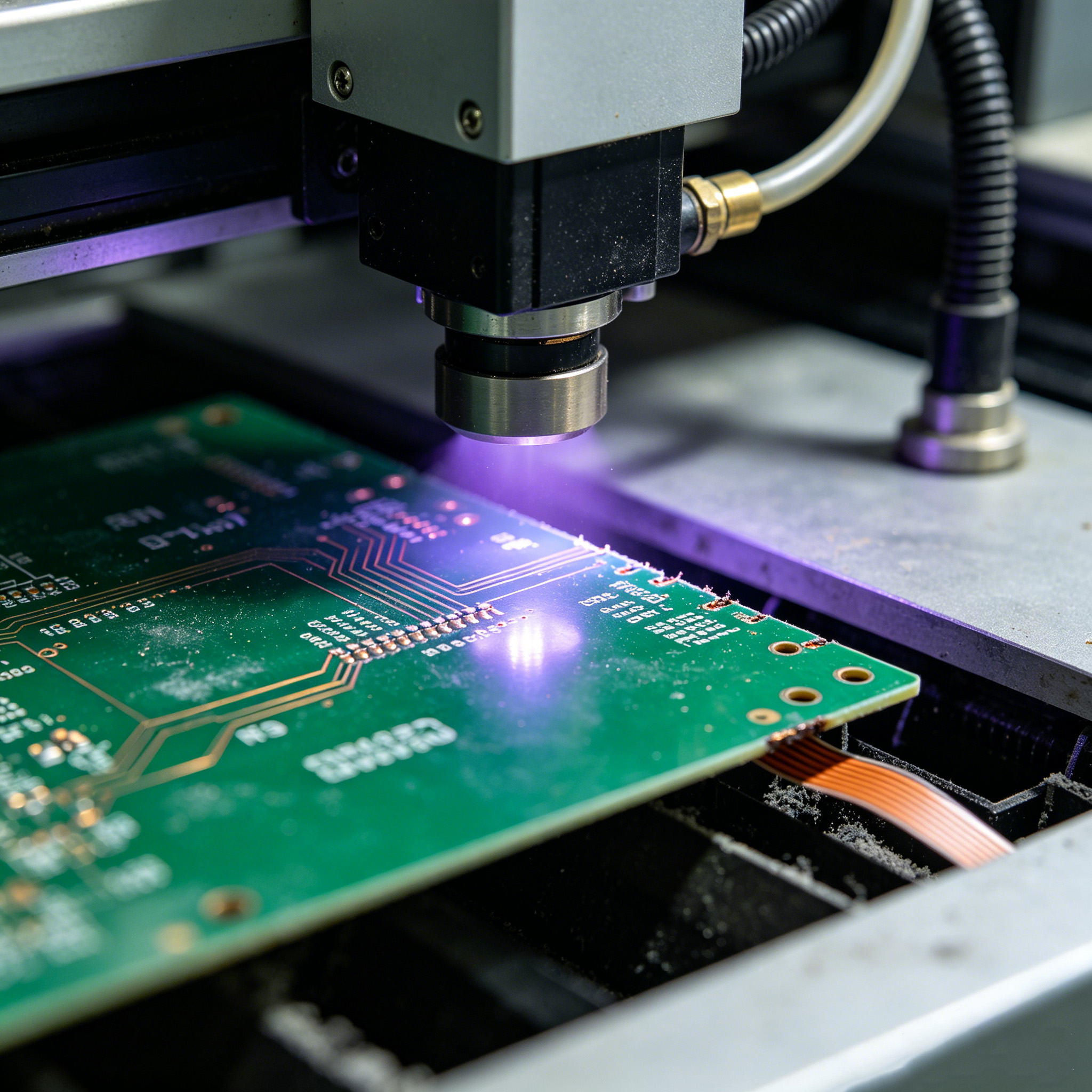
Each step requires different pulse energy, repetition rate, and scan speed. A slight miscalculation can create shunts or dead zones. Modern laser patterning systems use real‑time vision alignment to keep every scribe precisely positioned, delivering the high yields that make tandem cells economically viable.
Real‑World Case: +0.3% Efficiency with Domestic Lasers
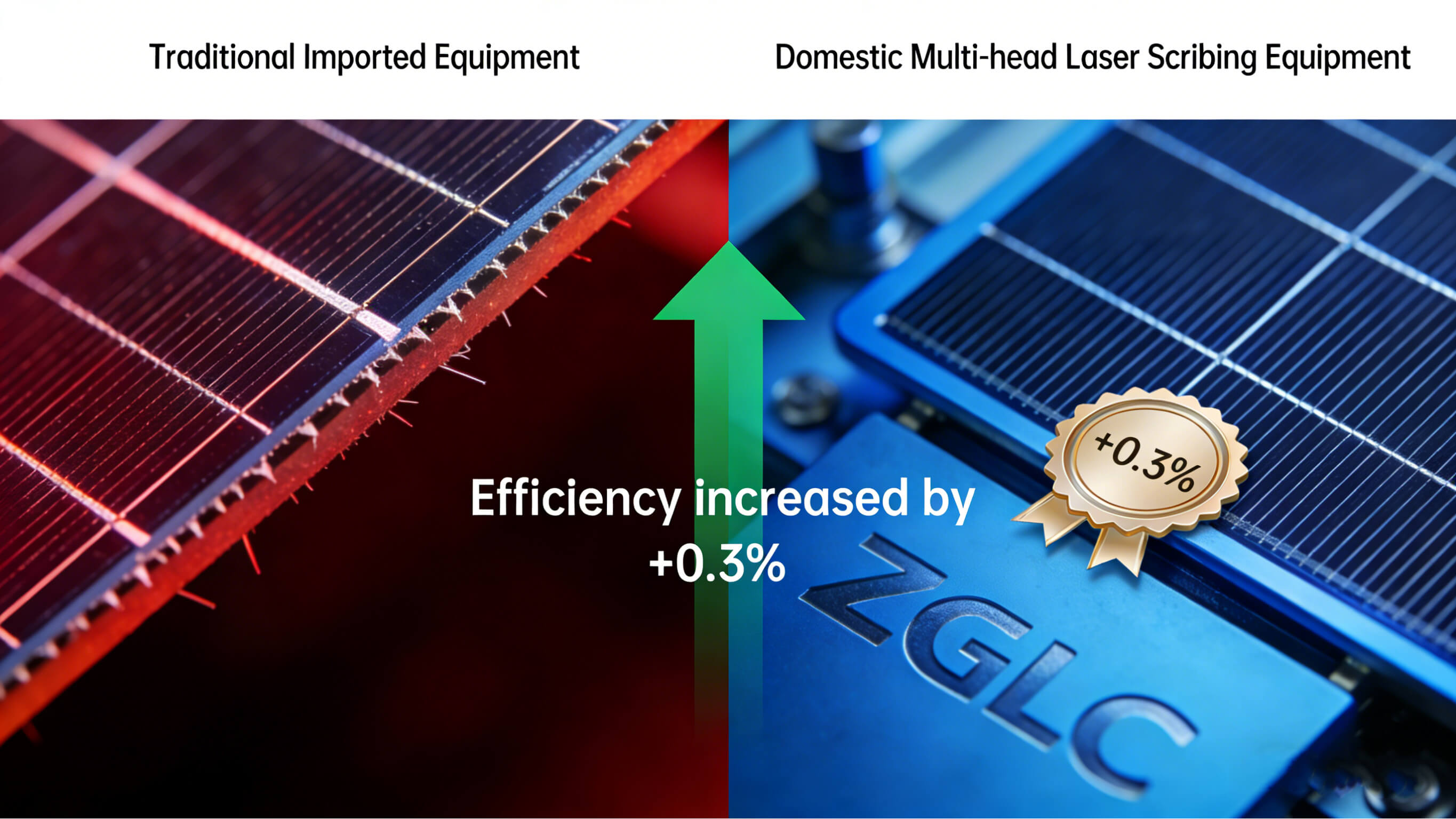
One top‑tier Chinese module manufacturer replaced its imported laser scribing tools with a domestic multi‑head system. After fine‑tuning the P1/P2/P3 parameters, they measured a consistent 0.3% absolute efficiency gain on their perovskite‑silicon tandem pilot line. For a 10 GW factory, that 0.3% translates into millions of extra revenue per year—and the new laser equipment paid for itself in less than six months.
Industry Outlook: The Key to Perovskite Commercialization
Perovskite solar cells are ready to leave the laboratory. But without reliable, high‑speed, nanoscale laser patterning, they cannot be manufactured at terawatt scale. Laser technology is not just an accessory; it is the key that unlocks the door to mass production. As efficiencies climb and costs fall, laser scribing will remain at the heart of every next‑generation photovoltaic line.
Ready to upgrade your solar cell manufacturing with precision laser solutions? Contact ZGLC Laser to explore our high‑speed, multi‑head laser patterning systems designed for the perovskite era.
Mechanical-Assisted QCW Laser Cutting of Carbon Fiber Reinforced Polymer
Stepped Cutting: Revolutionizing Remote Laser Cutting of Steel Plates
Related Article