Why Industry is Shifting: The Powerful Move from Pad Printing to Laser Marking
For decades, pad printing was the undisputed champion for applying detailed logos, text, and graphics onto irregularly shaped objects. From plastic components to promotional pens, it delivered color and versatility. However, a quiet revolution is reshaping the industrial marking landscape. A growing trend sees manufacturers, designers, and brands increasingly turning to laser marking, engraving, and etching as their technology of choice. Why this significant shift? Let's talk about this and see it's advantages.
1. Unmatched Durability and Permanence
-
Pad Printing: Relies on inks sitting on top of the material surface. These inks can fade, chip, scratch, or wear off over time, especially with abrasion, chemicals, or UV exposure.
-
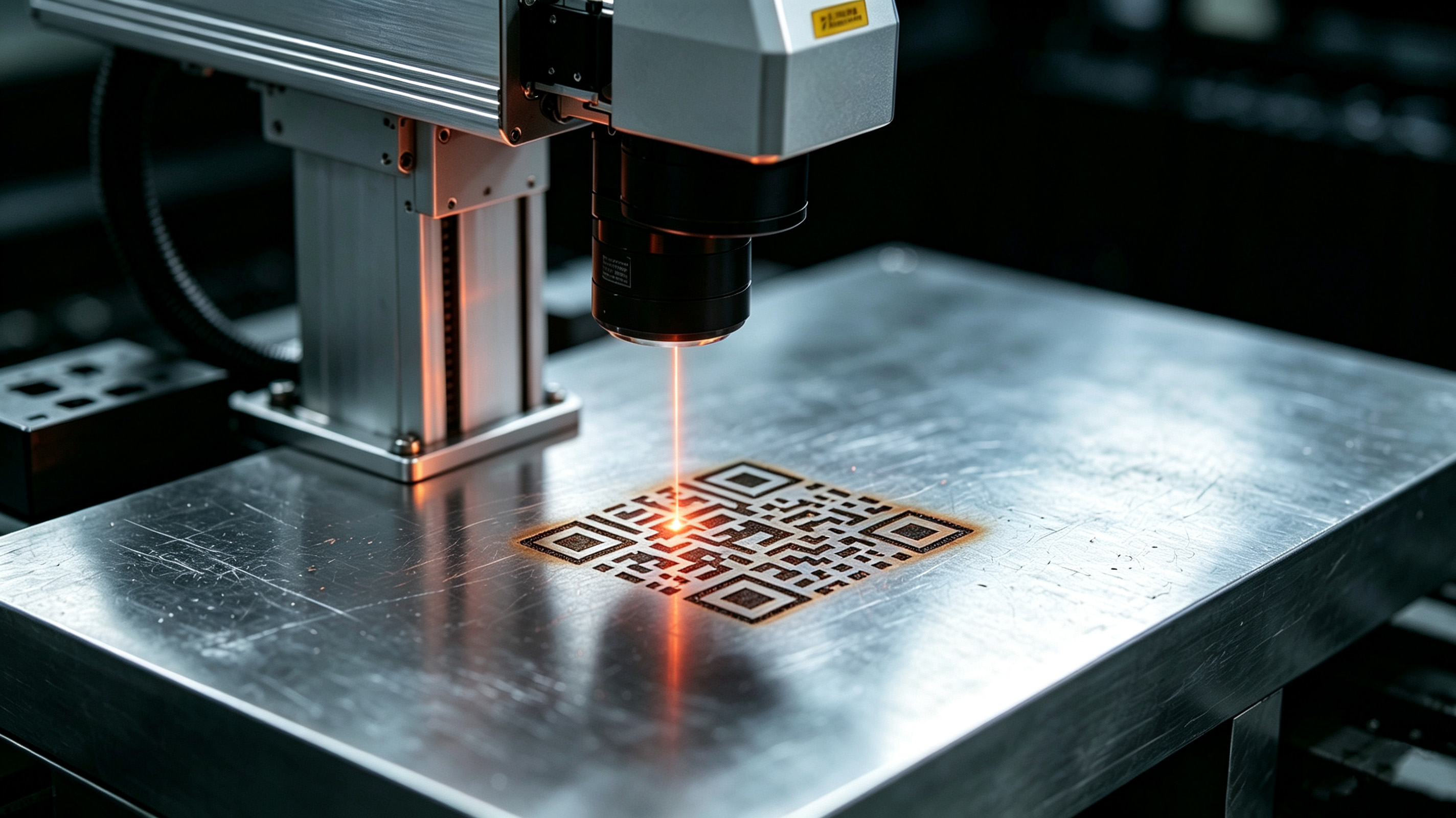
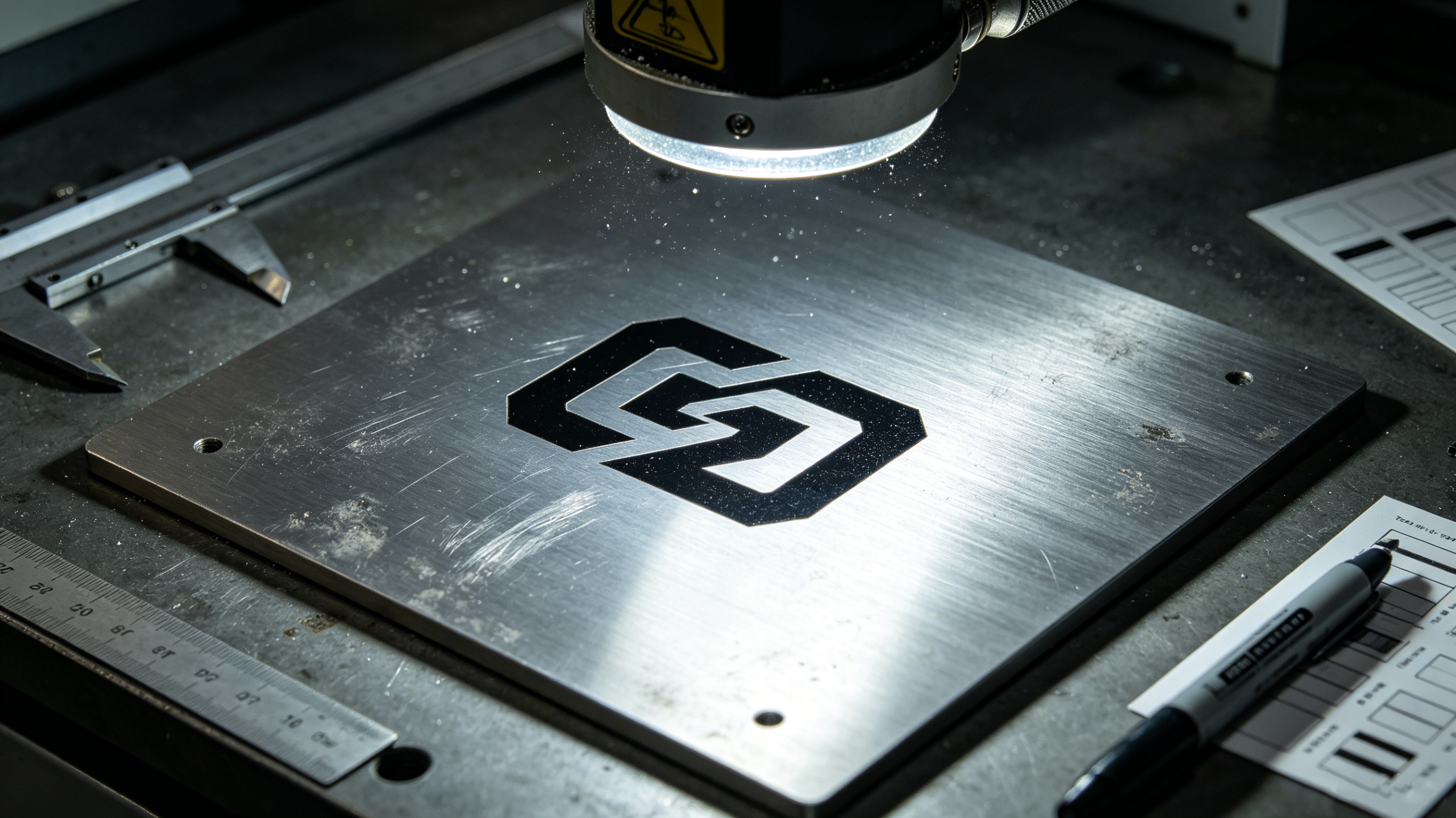
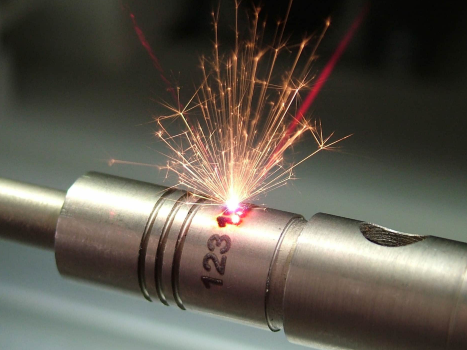
Laser Marking: Works by altering the material's surface itself (through color change, engraving, or etching). The mark becomes an integral part of the product. It's resistant to fading, scratching, solvents, heat, and harsh environments. This is crucial for traceability (serial numbers, barcodes, UDI), safety warnings, and brand longevity.
2. Eliminating Consumables & Reducing Operational Costs
-
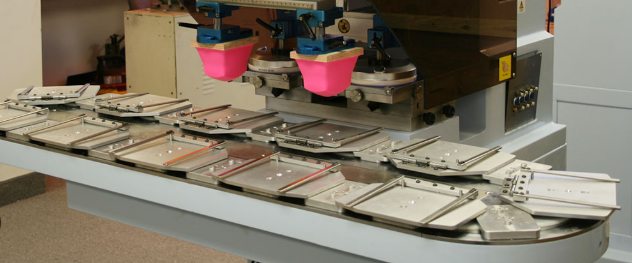
Pad Printing: Requires constant replenishment: inks, thinners, cleaners, silicone pads, clichés (printing plates). These costs add up significantly over time, along with disposal fees for solvents and waste.
-
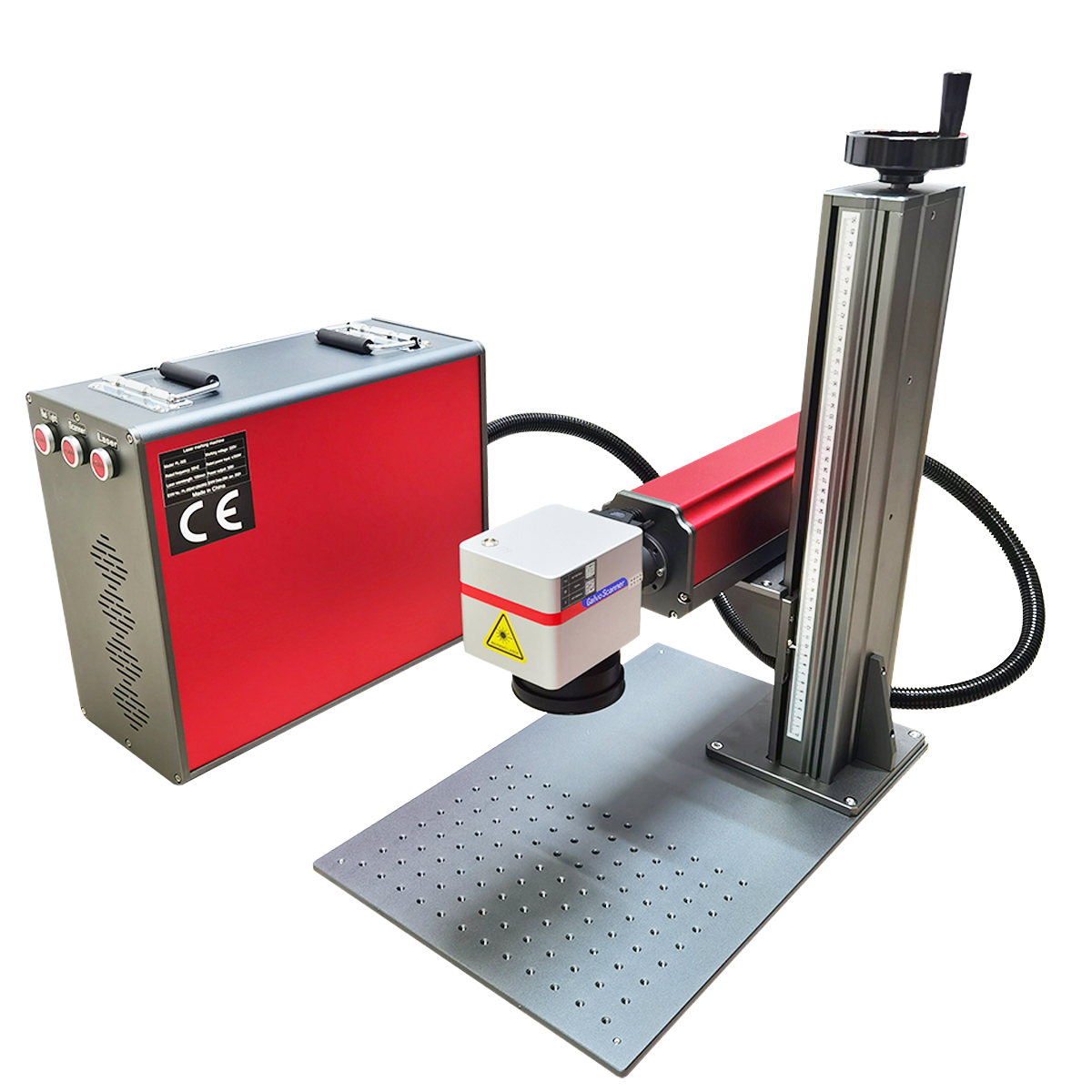
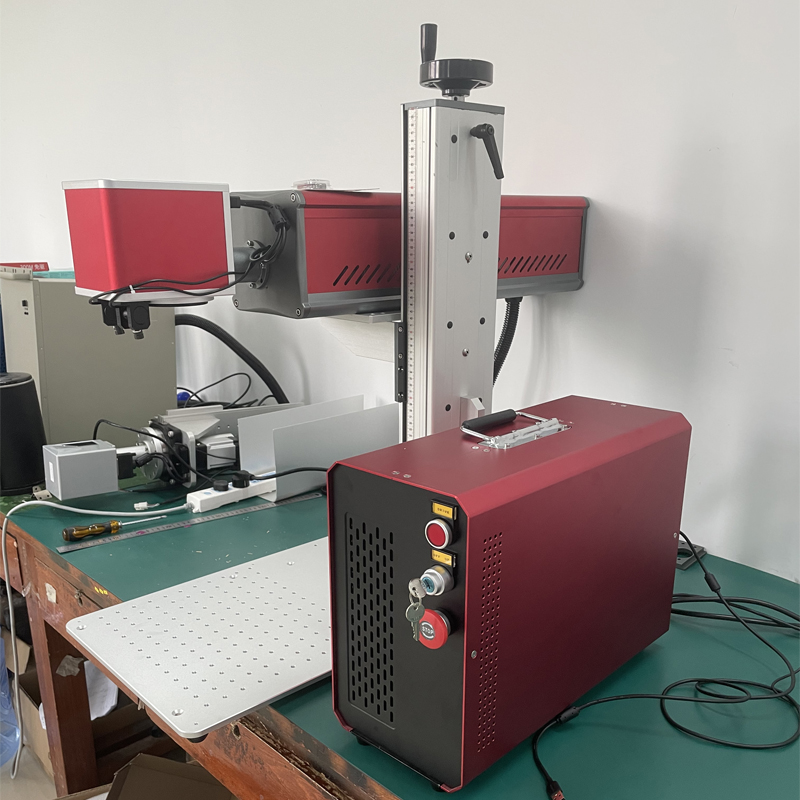
Laser Marking: Requires only electricity. There are no inks, no solvents, no pads, and no plates to purchase, store, manage, or dispose of. This drastically reduces the total cost of ownership (TCO) and simplifies operations.


Pad Printing Consumables Laser Marking Consumables
3. Embracing Eco-Friendly Manufacturing
-
Pad Printing: Involves Volatile Organic Compounds (VOCs) from solvents and inks. This creates environmental concerns, requires specialized ventilation, and generates hazardous waste.
-
Laser Marking: A clean, dry process. It produces no harmful fumes (when marking appropriate materials with proper ventilation/filtration) and generates minimal waste (usually just microscopic particles easily captured). This aligns perfectly with modern sustainability goals and reduces regulatory burdens.

Pad Printing Laser Marking
4. Unparalleled Precision & Flexibility
-
Pad Printing: While capable of fine detail, resolution is limited by pad transfer, ink viscosity, and cliché quality. Changing designs requires creating a new physical cliché, which takes time and cost.
-
Laser Marking: Achieves incredibly high-resolution marks, including intricate details, tiny fonts (down to fractions of a millimeter), and complex 2D codes. Design changes are instant – simply update the digital file. This enables mass customization, unique serialization, and rapid prototyping.
5. Speed and Automation Integration
-
Pad Printing: Cycle times can be slower, involving pad inking, transfer, and drying (even if quick). Multi-color prints require multiple stations and precise registration.
-
Laser Marking: Extremely fast marking speeds, especially for text, codes, and simple graphics. It's inherently digital and easily integrated into automated production lines (robotic arms, conveyors, PLCs) for high-volume, high-speed marking with minimal human intervention. No drying time needed.

Pad Printing Laser Marking
6. Contactless Processing
-
Pad Printing: Requires physical contact between the pad and the part. This can risk damaging delicate surfaces or contaminating sensitive components (like medical devices or electronics).
-
Laser Marking: A completely non-contact process. The laser beam does not physically touch the part, eliminating the risk of surface damage, distortion, or contamination. This is essential for fragile or sterile items.
Where Pad Printing Still Holds Value (For Now)
It's important to note that pad printing isn't obsolete. It still excels in specific niches:
-
True Multi-Color Applications: Lasers typically create monochromatic marks (though color change is possible on some plastics).
-
Adding Opaque Color on Dark Substrates: Achieving bright white or yellow on black plastic is easier with opaque ink.
-
Extremely Deep, Filled Engraving: Pad printing builds up layers; lasers ablate material, which might not achieve the same deep filled look economically for some applications.
-
Certain Complex, Highly Contoured Surfaces: While laser technology advances, extremely challenging 3D shapes can sometimes be easier to cover with a flexible pad.
The Clear Direction
The trend towards laser technology is undeniable and driven by fundamental advantages:
* permanent marks, lower operating costs, environmental benefits, superior precision, faster speeds, and seamless automation. While pad printing retains its place for specific color and contour needs, the shift towards lasers reflects industry's demand for more efficient, sustainable, reliable, and flexible marking solutions.
* For applications requiring durability, traceability, cost-effectiveness, and high-quality marking – especially on metals, plastics, glass, and ceramics – laser marking is rapidly becoming the preferred, future-proof choice.
What is Laser Marking? The Future of Permanent Product Identification
How to use Laser Marking Machine-ZGLC Laser
Related Article