Mastering Dissimilar Metal Welding: How to Join Copper to Stainless Steel
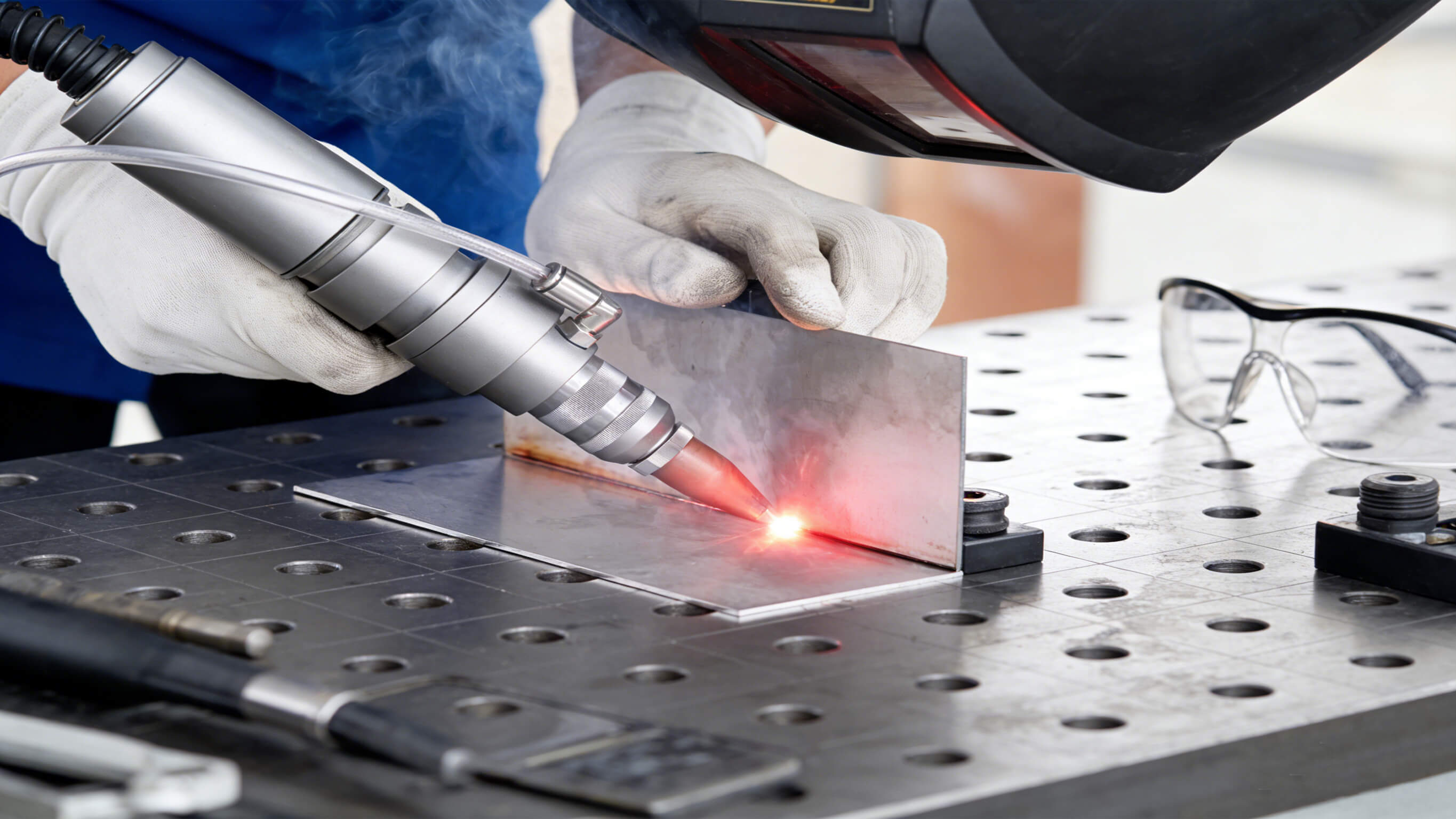
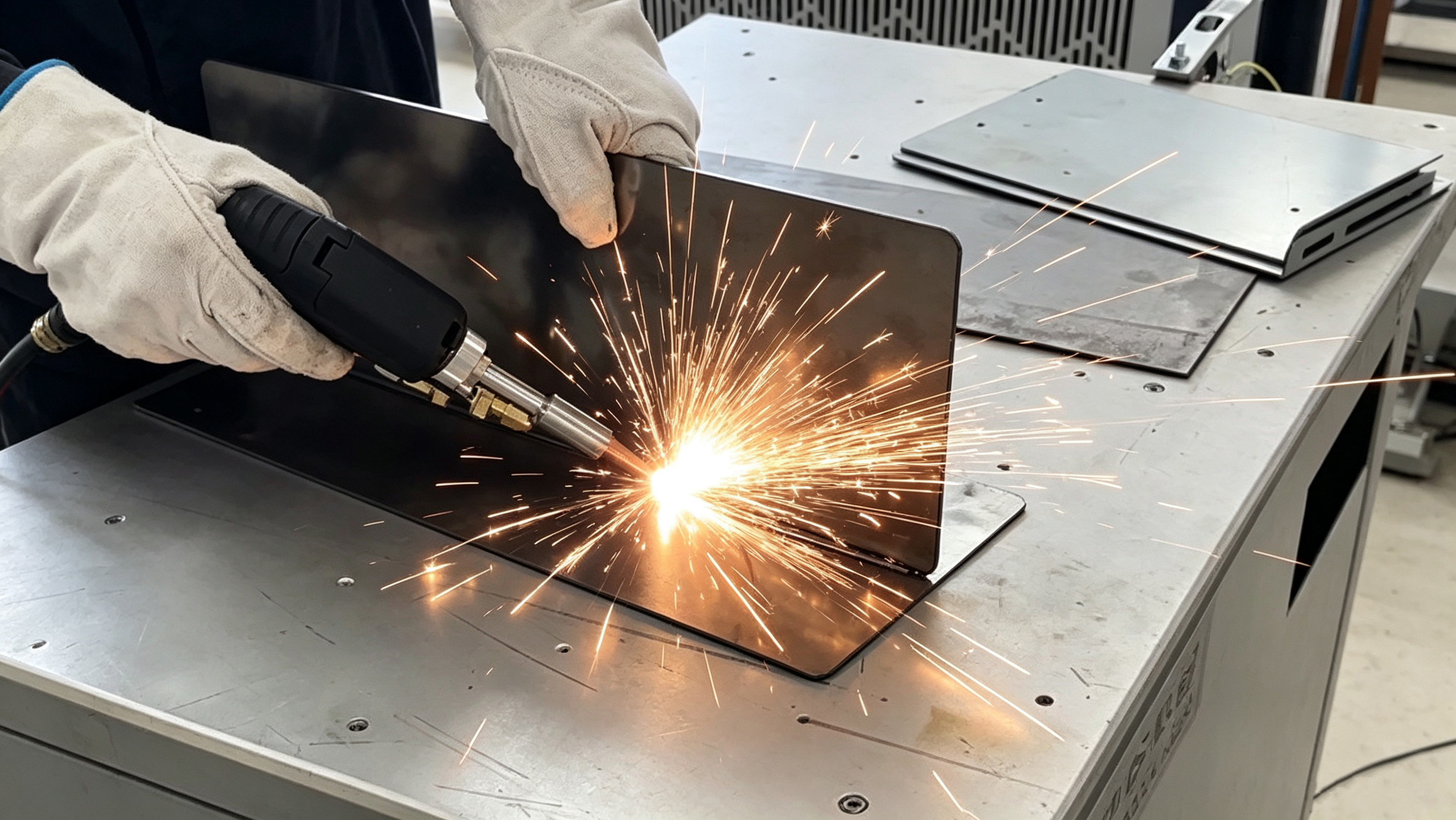
In precision manufacturing, few tasks are as notoriously tricky as joining copper to stainless steel. These two metals have vastly different melting points, thermal conductivities, and expansion rates. Copper dissipates heat like a sponge, while stainless steel holds onto it. Weld them with traditional methods, and you'll likely end up with cracks, weak joints, or no bond at all. But here's the good news: modern copper to stainless steel laser welding has turned this "impossible" job into a routine operation. Let's dive into how it's done.
The Challenge of Welding Dissimilar Metals
Why is dissimilar metal welding so difficult? It comes down to physics. Copper's melting point is around 1,984°F (1,085°C), while stainless steel melts higher at approximately 2,500°F (1,370°C). Copper also conducts heat away from the weld zone about 20 times faster than stainless steel. This means when you apply heat, the copper acts like a heat sink, preventing the weld pool from forming properly. Traditional methods like TIG often result in the copper side remaining cold while the stainless steel overheats, leading to brittle intermetallic compounds that crack under stress. That's why copper to stainless steel laser welding has become the go-to solution—it delivers concentrated energy exactly where needed, fast enough to overcome these challenges.
Two Best Methods for Copper to Stainless Steel Welding
a. Autogenous Welding (No Wire Feeder)
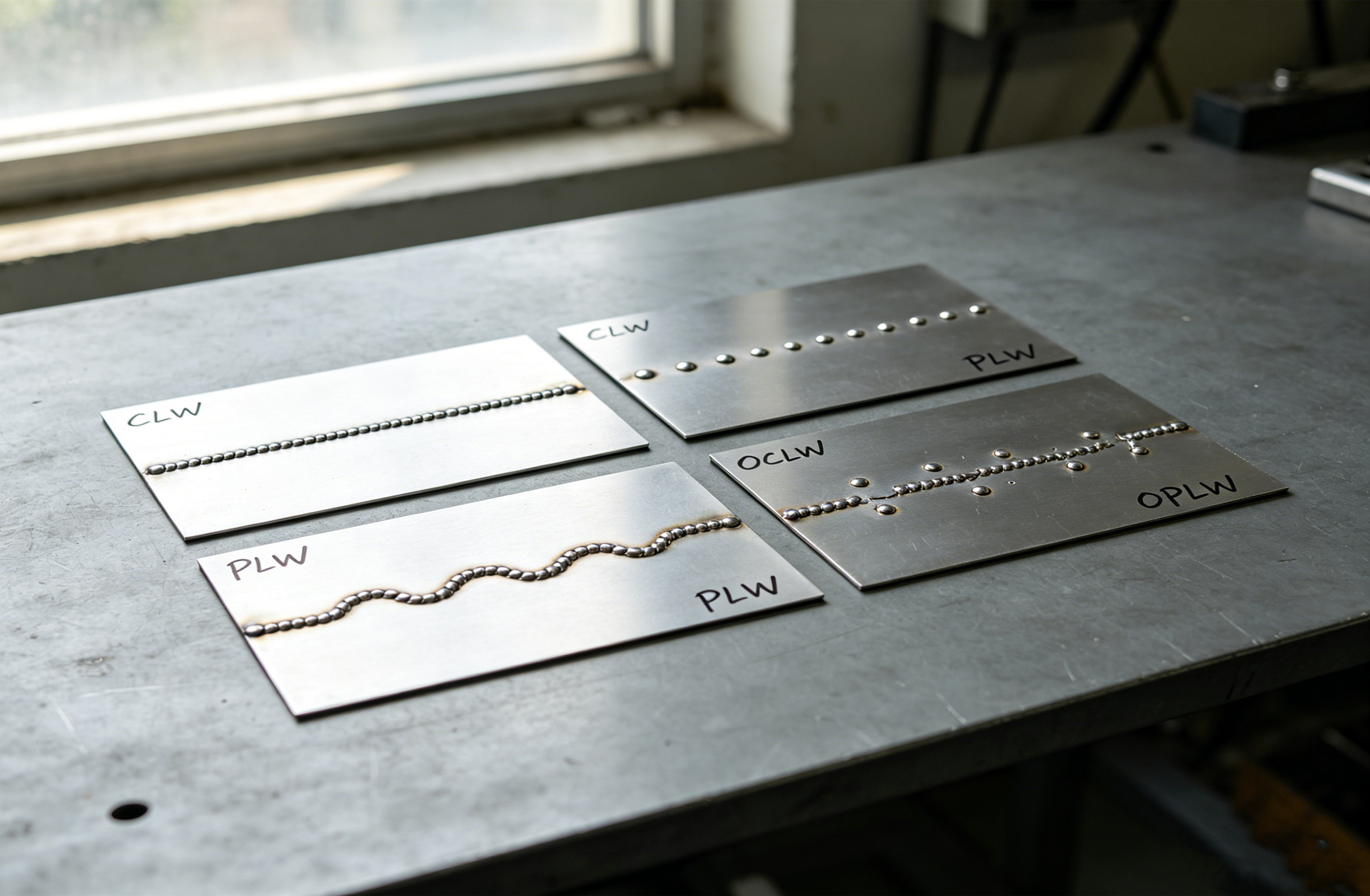
Autogenous welding means joining metals without adding filler material. The laser beam melts a small amount from both base metals, which mix to form the weld pool. For copper to stainless steel laser welding, this works best on thin materials (under 1mm) where precise energy control prevents excessive intermetallic formation. The key is using a high-power pulsed laser that delivers energy in short bursts, allowing the copper to melt without pulling heat away too quickly. This method produces clean, narrow welds with minimal distortion—ideal for electronics and battery applications where space is tight.
b. Laser Welding with Wire Feeding
For thicker materials or applications requiring stronger joints, adding filler wire is the way to go. The wire acts as a "buffer," carefully chosen with properties that bridge the gap between copper and stainless steel. Nickel-based alloys are popular choices because they bond well with both metals. During dissimilar metal welding, the laser melts the wire and a small portion of each base metal, creating a mixed zone that's more ductile and less prone to cracking. This method gives operators more control over the weld composition, making it suitable for demanding industries like automotive, HVAC, and power generation where joint integrity is critical.
Essential Setup and Preparation
Getting consistent results with copper to stainless steel laser welding comes down to three things:
a. Cleanliness: Both metals must be absolutely clean. Copper oxidizes quickly, and stainless steel can have oil or oxide layers. Wipe surfaces with acetone and use stainless steel brushes dedicated to each metal to avoid cross-contamination.
b. Shielding Gas: Argon is your best friend here. It protects the molten weld pool from atmospheric oxygen that causes porosity. Flow rates around 15-25 L/min work well, with gas nozzles positioned to cover the weld zone completely.
c. Parameter Optimization: Start with a slightly offset beam toward the stainless steel side. This compensates for copper's heat conductivity. Pulse shaping—using a pre-pulse to heat the copper before the main pulse—helps create consistent penetration. Power, speed, and focal position will vary with thickness, so always run test welds on scrap material first.
Why Choose ZGLC Laser for Your Welding Solutions?
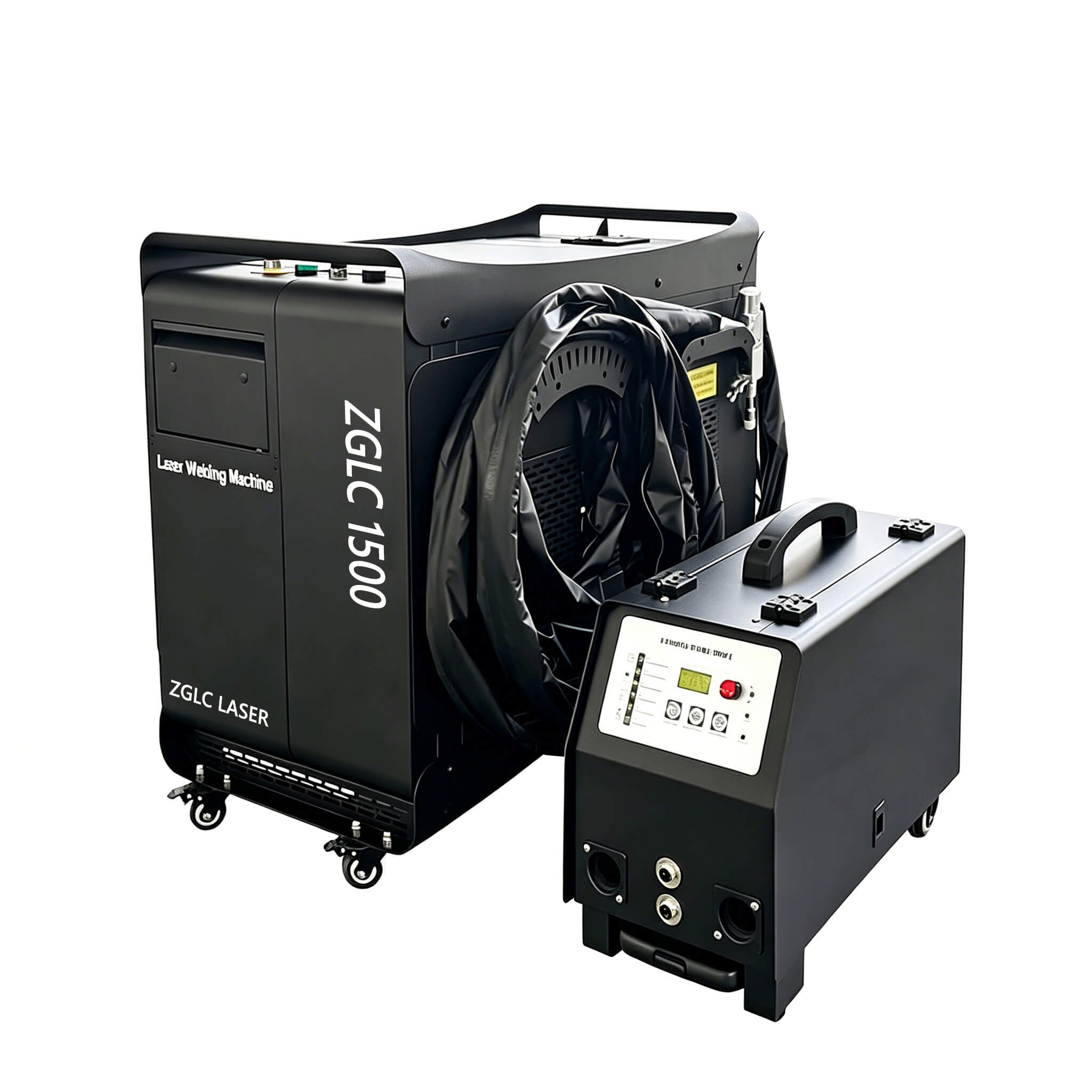
At ZGLC Laser, we don't just sell machines—we engineer solutions for your toughest dissimilar metal welding challenges. Our systems feature advanced pulse shaping and real-time monitoring that automatically adjusts parameters to compensate for copper's heat sink effect. Whether you need a precision desktop welder for electronics or a high-power industrial system for heavy components, we match the right technology to your specific application. With our extensive material testing database and hands-on training programs, we ensure your team achieves perfect copper to stainless steel laser welding results from day one.
Ready to Upgrade Your Manufacturing Capabilities?
Stop struggling with weak joints and high rejection rates. Modern dissimilar metal welding technology has made copper-to-stainless connections reliable, repeatable, and routine. Whether you're manufacturing heat exchangers, electrical components, or custom fabrications, the right laser welding solution can transform your production quality and throughput.
Contact ZGLC Laser today for a consultation. Let our experts show you how copper to stainless steel laser welding can become your competitive advantage.
How Laser Welding is Solving the EV Battery Safety Puzzle
Nanosecond Laser Transmission Welding of Stainless Steel and Quartz Glass: Interfacial Mechanisms and Microstructural Evolution
Related Article