How to Cut Fabric and Textiles with a Laser Cutter?

The fashion and textile industry is experiencing a technological revolution, with laser cutting machines emerging as indispensable tools for designers and manufacturers. This advanced technology offers unparalleled precision and efficiency in fabric cutting, enabling the creation of intricate designs that were once impossible or too costly to achieve with traditional methods.
How Laser Cutting Works with Fabrics
Laser cutting for textiles utilizes a focused beam of light, typically from a CO₂ laser source, to precisely cut through various fabric materials. The process involves several key steps:
-
Digital Design Preparation: Designers first create or import their patterns into specialized CAD/CAM software, which converts the designs into digital instructions for the laser cutter.
-
Material Setup: Fabrics are placed flat on the cutting bed, often secured with vacuum systems to prevent movement during the cutting process.
-
Precision Cutting: The laser beam follows the digital pattern, cleanly cutting through the fabric with extreme accuracy. The intense heat of the laser simultaneously seals the edges, preventing fraying and unraveling.
-
Rapid Processing: Modern laser systems can cut multiple layers of fabric simultaneously, significantly speeding up production times.
Advantages of Laser Cutting in Fashion Manufacturing
Unmatched Precision and Detail
Laser cutting achieves intricate patterns, delicate lacework, and complex geometric designs with razor-sharp accuracy. This precision allows designers to create sophisticated patterns that would be challenging with conventional cutting methods.
Clean, Sealed Edges
The laser's heat instantly seals fabric edges during cutting, preventing fraying and eliminating the need for additional finishing processes. This is particularly beneficial for synthetic materials that tend to unravel easily.
Enhanced Efficiency and Speed
Laser systems process designs significantly faster than manual cutting, with the ability to handle multiple layers of fabric simultaneously. This increased throughput helps manufacturers meet tight production deadlines.
Minimal Material Waste
Through optimized digital nesting software, laser cutters maximize material utilization by arranging pattern pieces in the most efficient layout possible, reducing fabric waste and lowering material costs.
Versatility Across Materials
Laser cutting technology adapts to various textiles, including:
-
Natural fabrics (cotton, silk, wool, leather)
-
Synthetic materials (polyester, nylon, acrylic)
-
Technical textiles and composites
-
Denim and canvas
Creative Applications in Fashion Design
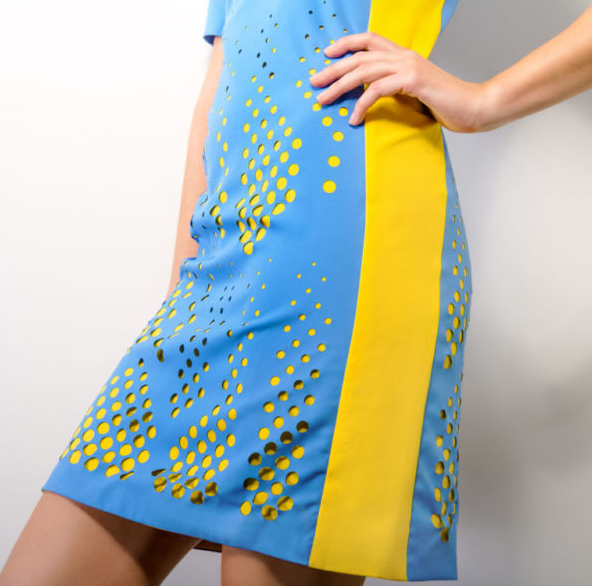
Intricate Patterns and Perforations
Designers utilize laser cutting to create elaborate patterns, decorative perforations, and custom lace effects directly on garment surfaces, adding unique texture and visual interest.
Precise Appliqué and Inlay Work
The technology enables perfect alignment of appliqué pieces and complex inlay designs, ensuring flawless integration of different fabrics and colors.
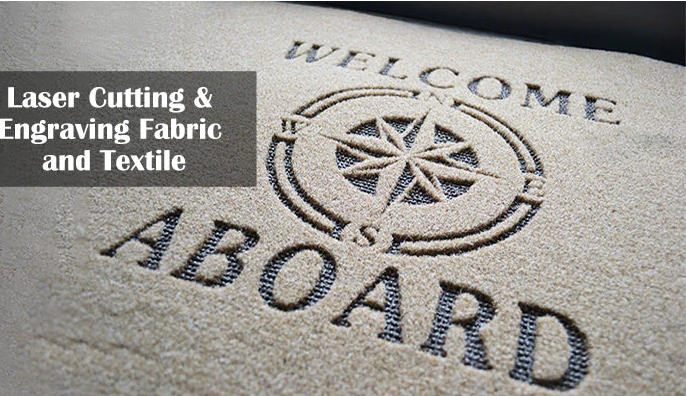
Custom Branding and Labels
Laser cutting produces clean, precise labels, logos, and branding elements with consistent quality across all garments.
Rapid Prototyping
Fashion houses benefit from quick design iteration and prototyping, allowing for faster product development cycles and more creative experimentation.
Technical Considerations for Fabric Laser Cutting
Laser Type Selection
CO₂ lasers are typically preferred for textile applications due to their excellent absorption characteristics and ability to handle a wide range of fabric types without damaging delicate materials.
Power and Speed Settings
Optimal cutting parameters vary depending on:
-
Fabric thickness and composition
-
Desired cutting speed
-
Pattern complexity
-
Edge quality requirements
Safety and Ventilation
Proper ventilation systems are essential to remove smoke and particles generated during the cutting process, ensuring a safe working environment and maintaining fabric quality.
The Future of Laser Technology in Fashion
As sustainability becomes increasingly important in the fashion industry, laser cutting offers significant environmental benefits through reduced material waste and elimination of water consumption typically associated with traditional cutting methods. The technology continues to evolve, with advancements in speed, precision, and integration with digital design platforms.
How to Cut Leather with Laser Cutter?
What Is Laser Cutting Machine?
Related Article