How to Cut Leather with Laser Cutter?
Laser cutting technology has revolutionized leather processing, offering unprecedented precision and efficiency for manufacturers and designers. This advanced method enables clean, intricate cuts on various leather types while significantly reducing production time and material waste.
How Laser Cutting Works on Leather
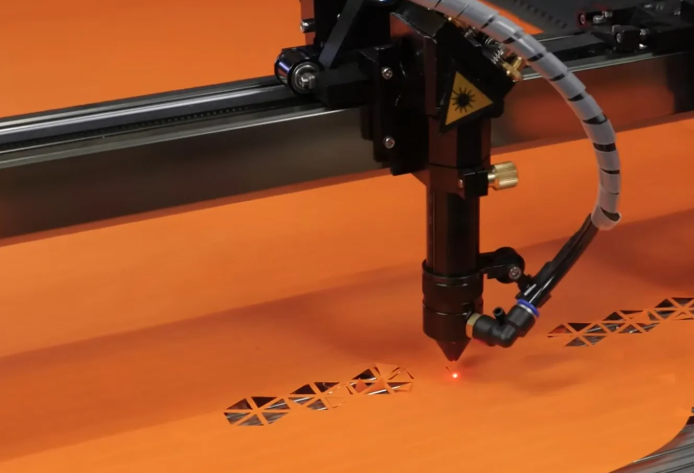
The process utilizes a focused CO₂ laser beam to vaporize leather material along pre-programmed paths. Laser Cutting Leather have power with speed.
The system follows these key steps:
-
Digital Design Preparation: Create vector-based designs using CAD software, defining all cut lines, engraving patterns, and marking areas.
-
Material Setup: Secure the leather flat on the cutting bed, ensuring proper positioning and ventilation.
-
Parameter Optimization: Adjust laser power, speed, and frequency settings according to leather type and thickness.
-
Precision Processing: The laser beam follows digital paths, delivering clean cuts without physical contact.
-
Quality Inspection: Remove finished pieces and verify cutting quality.
Compatible Leather Types
-
Natural Leathers: Cowhide, sheepskin, goatskin, and calfskin
-
Synthetic Alternatives: Faux leather, PU leather, and leatherette
-
Specialty Materials: Suede, nubuck, and embossed leathers
-
Various Thicknesses: From delicate glove leather to heavy belt hides
Key Advantages in Leather Processing
Exceptional Precision
Achieve intricate patterns, complex geometries, and fine details impossible with manual cutting. Create precise components for luxury goods with consistent quality across production runs.
Superior Edge Quality
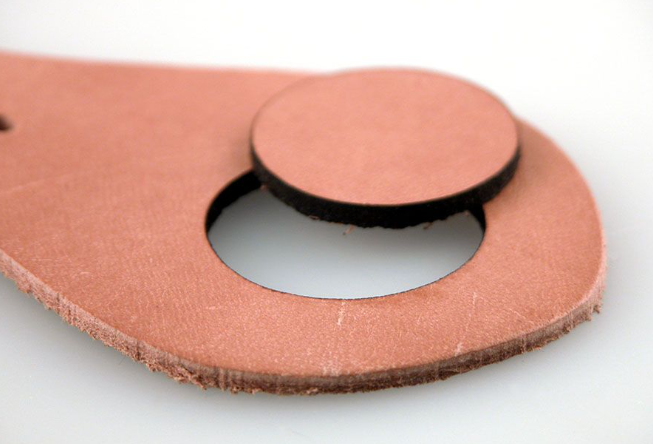
The laser instantly seals cut edges, preventing fraying and unraveling. This eliminates additional edge treatment steps while maintaining material integrity.
Enhanced Efficiency
Process multiple layers simultaneously and eliminate tooling changes between designs. Significant reduction in production time compared to traditional die-cutting methods.
Minimal Material Waste
Optimize pattern nesting to maximize material utilization. Reduce leather waste through precise digital cutting paths and efficient layout planning.
Versatile Processing Capabilities
Beyond cutting, laser systems perform:
-
Engraving: Create decorative patterns, textures, and branding
-
Perforation: Produce functional or decorative ventilation patterns
-
Kiss-Cutting: Cut surface layers without penetrating backing materials
-
Marking: Add logos, serial numbers, and identification marks
Industry Applications
Fashion and Accessories
Produce handbag components, wallet parts, belt pieces, and intricate decorative elements with flawless consistency.
Footwear Manufacturing
Cut uppers, insoles, and decorative elements with precision matching required specifications.
Automotive and Upholstery
Create consistent interior components, seat covers, and decorative panels meeting automotive quality standards.
Technical Considerations
Parameter Optimization
Different leather types require specific settings:
-
Full-grain leather: Medium power with moderate speed
-
Suede and delicate leathers: Lower power with higher speed
-
Synthetic materials: Adjusted parameters to prevent melting
Ventilation Requirements
Proper fume extraction is crucial for maintaining clean cuts and ensuring workplace safety.
Do You Know the Story of Laser Cutting?
How to Cut Fabric and Textiles with a Laser Cutter?
Related Article