What Is Laser Cutting Machine?
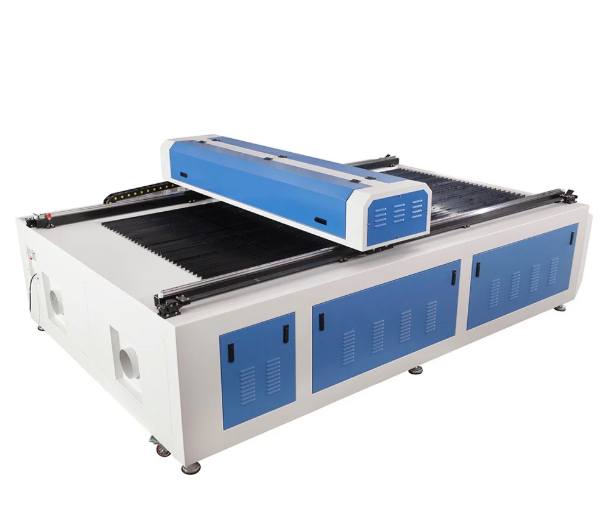
A laser cutting machine is a computer-controlled (CNC) tool that uses a highly focused beam of light to cut, slice, or each materials with exceptional precision. This advanced technology has revolutionized manufacturing and prototyping by offering a versatile, efficient, and high-quality alternative to traditional mechanical cutting methods.
Introduction of Laser Cutting Machine
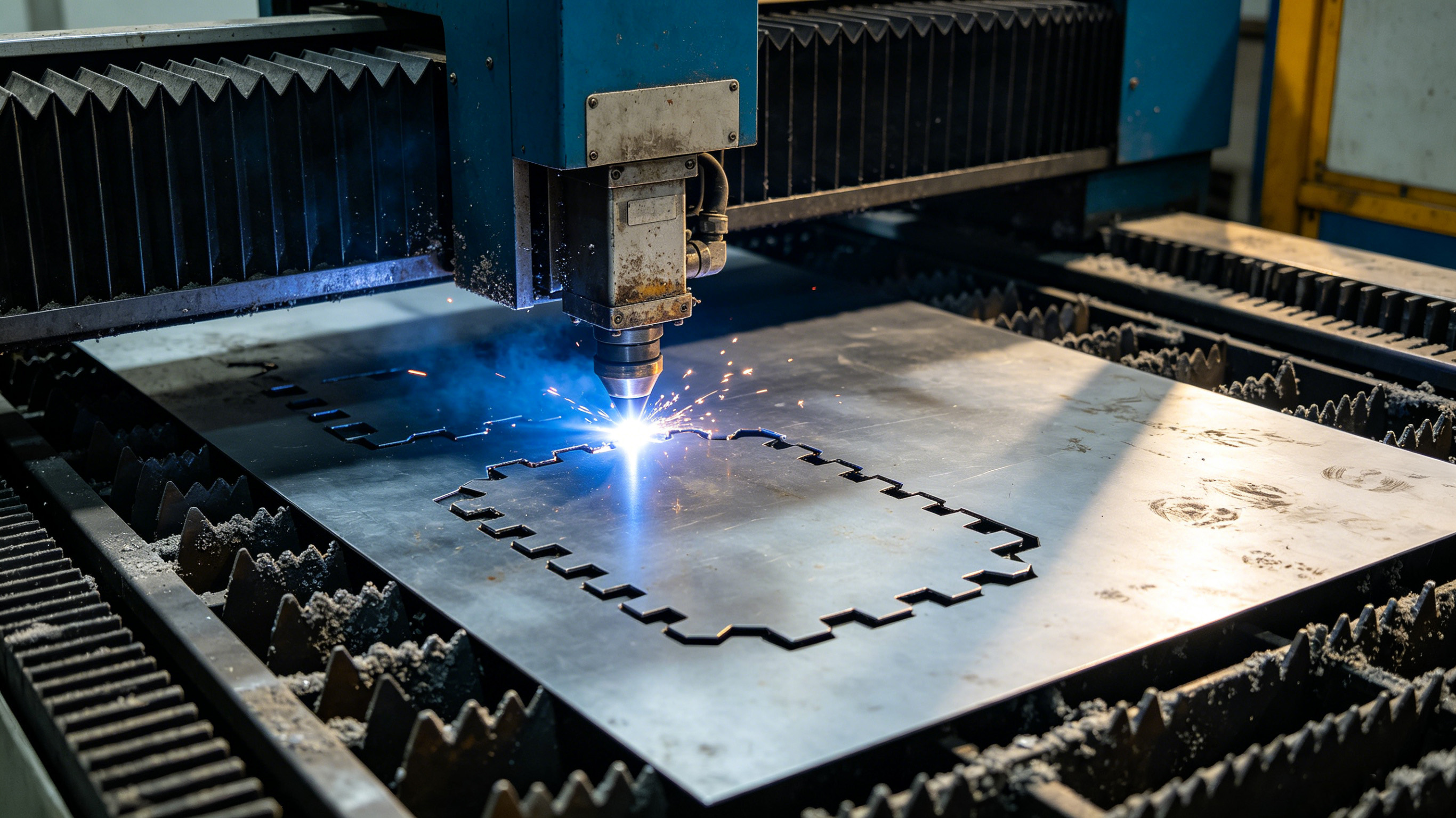
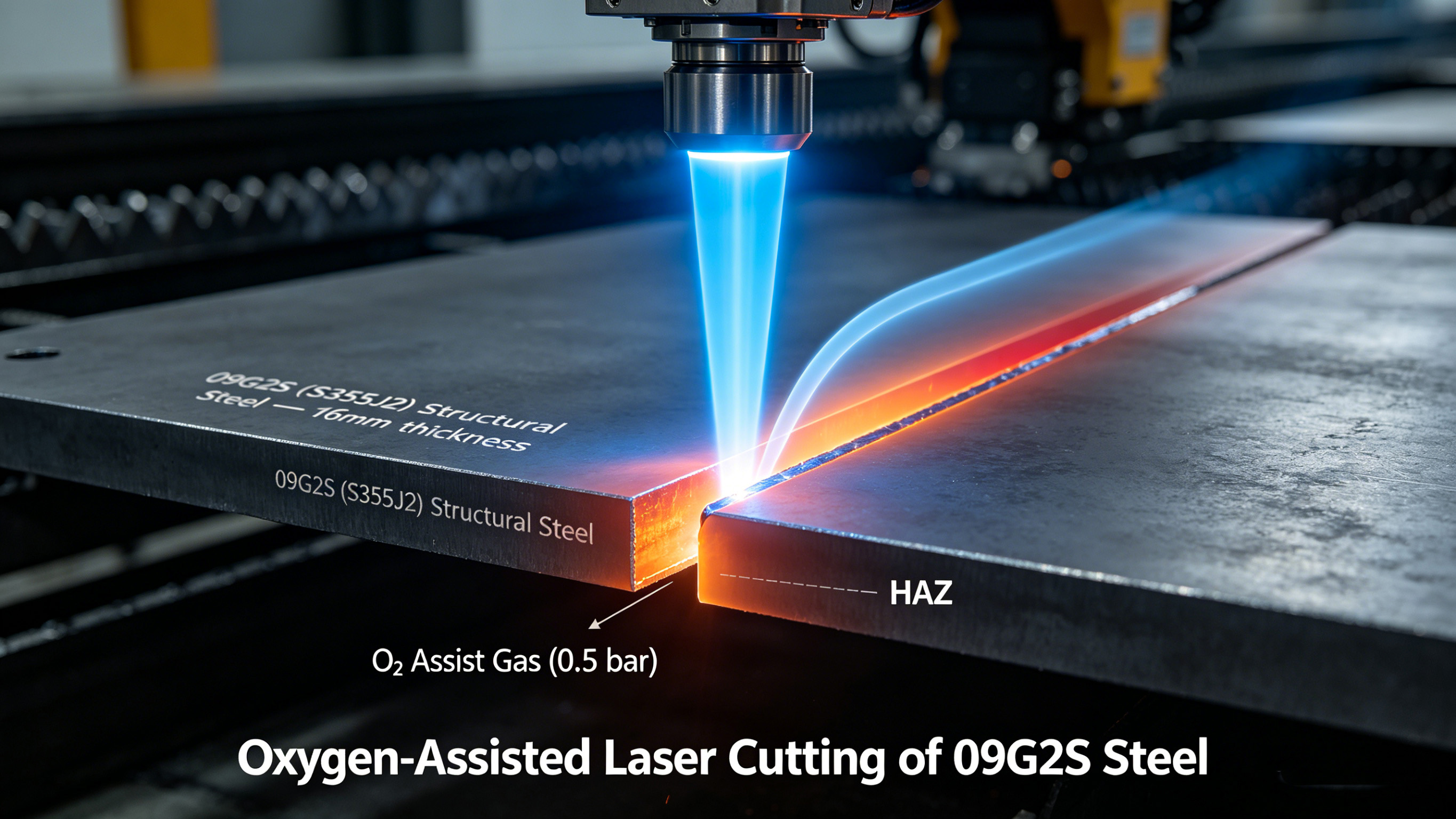
The process begins in the laser resonator, which generates an intense beam of coherent light. This beam is then directed through a series of mirrors or a fiber optic cable to a laser cutting head, where a lens focuses it to a tiny, powerful spot. The concentrated energy at this spot rapidly heats, melts, or vaporizes the material. A high-pressure stream of gas (such as nitrogen or oxygen) is often used to blow away the molten or vaporized material, leaving a clean, precise cut edge.
Laser Cutting Machine Fitable Materials
Laser cutting is remarkably versatile and can process a wide range of materials:
-
Metals: Mild steel, stainless steel, aluminum, copper, brass, and titanium.
-
Plastics: Acrylic (PMMA), polycarbonate, PP, ABS, and wood-composite materials.
-
Other Materials: Wood, plywood, MDF, fabric, leather, rubber, and ceramics.
The key is matching the type of laser (e.g., Fiber laser for metals, CO₂ laser for non-metals) to the material for optimal results.
Laser Cutting Mathods
Fiber Laser:
-
Technology: Uses a solid-state laser source with optical fibers doped with rare-earth elements.
-
Wavelength: 1.06-1.08 μm (near-infrared)
-
Best For: Metals - excellent for cutting steel, stainless steel, aluminum, copper, and brass
-
Advantages:
-
Higher energy efficiency (up to 30-50% wall-plug efficiency)
-
Faster cutting speeds on thin to medium thickness metals
-
Lower maintenance costs (no mirrors or gases to replace)
-
Better beam quality for finer cuts
-
Can cut reflective metals safely
-

CO₂ Laser:
-
Technology: Uses gas mixture (CO₂, N₂, He) excited by electrical discharge
-
Wavelength: 10.6 μm (far-infrared)
-
Best For: Non-metals - ideal for wood, acrylic, plastics, glass, leather, fabrics
-
Advantages:
-
Better absorption by organic materials
-
Superior edge quality on non-metals
-
Proven technology with wide availability
-
Good for thicker non-metal materials
-
Key Advantages of Laser Cutting
-
Extreme Precision and Quality: Laser cutters can produce incredibly complex and detailed shapes with smooth, clean edges, often eliminating the need for secondary finishing.
-
Non-Contact Process: The tool (the laser beam) does not physically touch the material, preventing mechanical distortion, material contamination, and tool wear.
-
High Speed and Efficiency: CNC programming allows for fast cutting speeds and optimal nesting of parts to minimize material waste, significantly boosting productivity.
-
Excellent Versatility: The same machine can swiftly switch between different cutting jobs and handle a wide array of materials and thicknesses with a simple change of the digital file.
-
Automation-Friendly: Laser cutters are easily integrated into automated production lines for lights-out manufacturing, reducing labor costs and increasing output.
Industrial Applications
Laser cutting technology is a cornerstone of modern industry:
-
Automotive: Manufacturing body panels, chassis components, exhaust parts, and custom brackets.
-
Aerospace: Cutting lightweight, high-strength materials like titanium and aluminum alloys for aircraft components with stringent tolerances.
-
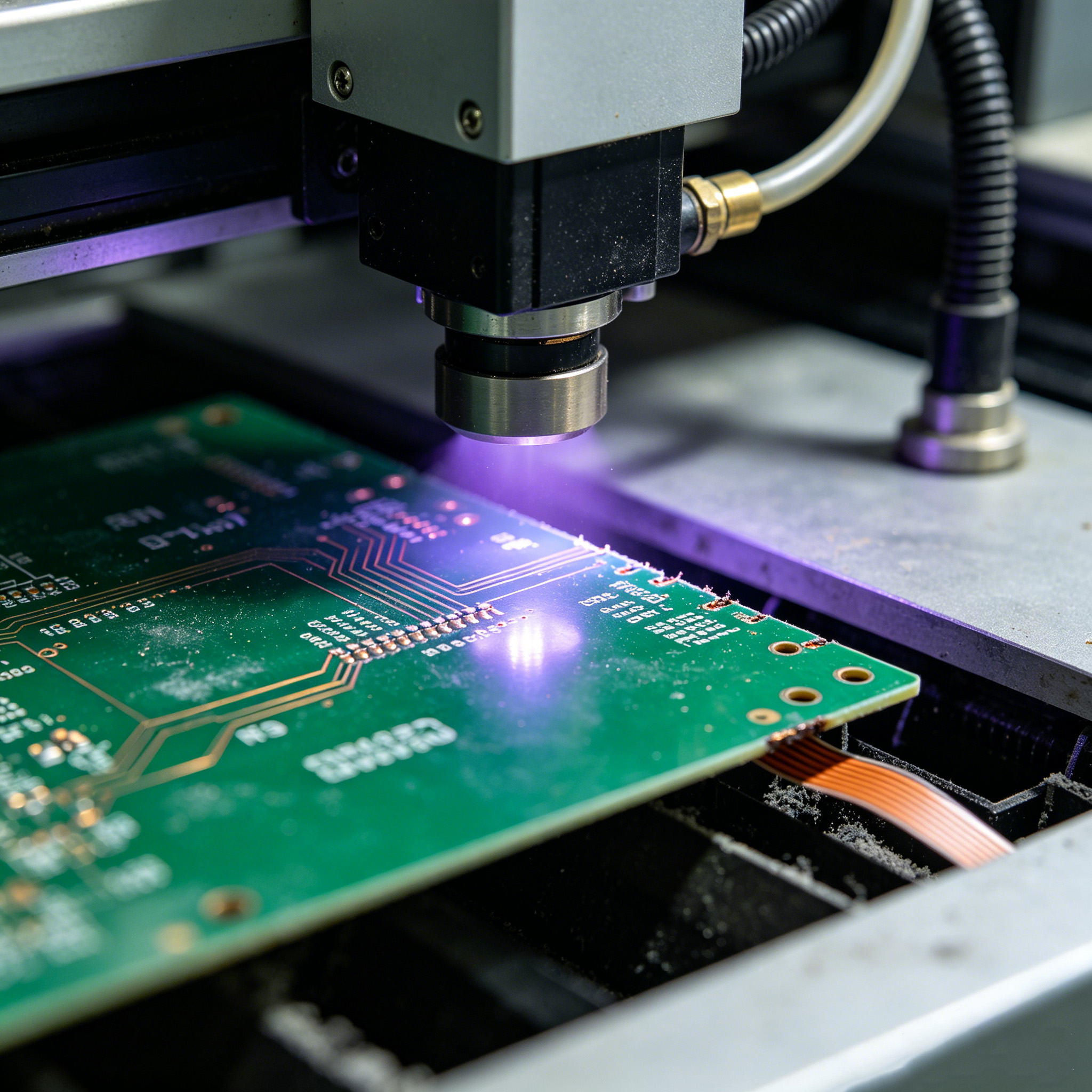
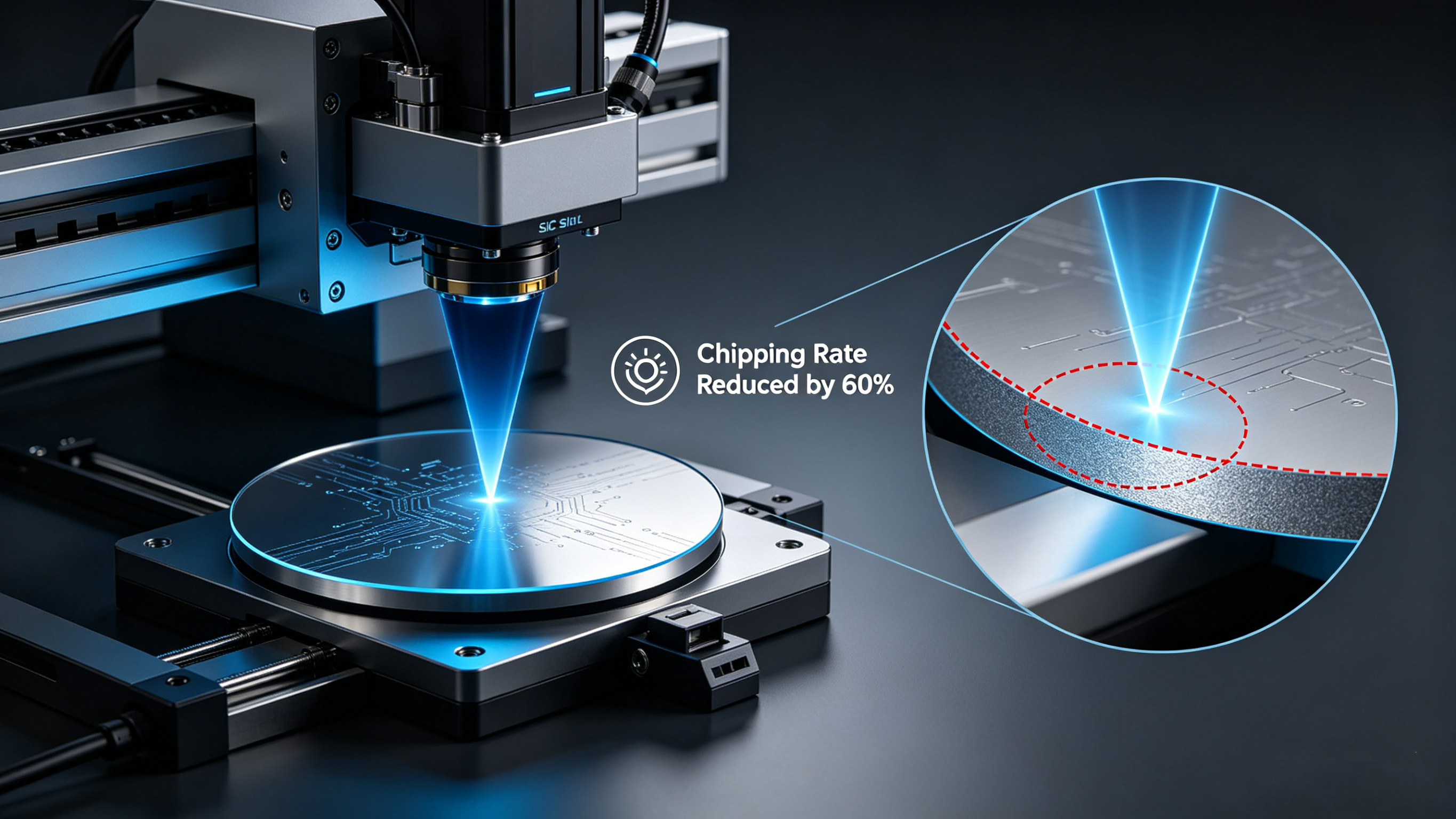
Electronics: Producing precise enclosures, heat sinks, and intricate components for circuit boards.
-
Metal Fabrication: Creating structural steel elements, machinery parts, architectural features, and decorative art.
-
Signage and Advertising: Crafting letters, logos, and intricate designs from acrylic, wood, and metal.
-
Medical Devices: Manufacturing sterile, high-precision surgical tools, implants, and diagnostic equipment.
Laser cutting is more than just a cutting tool; it is an enabling technology that drives innovation, efficiency, and quality across the global industrial landscape. Its ability to turn digital designs into precise physical parts makes it an indispensable asset for any forward-thinking manufacturer.
How to Cut Fabric and Textiles with a Laser Cutter?
Revolutionize Production with Automated China Laser Cutting Table Loader
Related Article