Do You Know the Story of Laser Cutting?
What Is Laser Cutting?
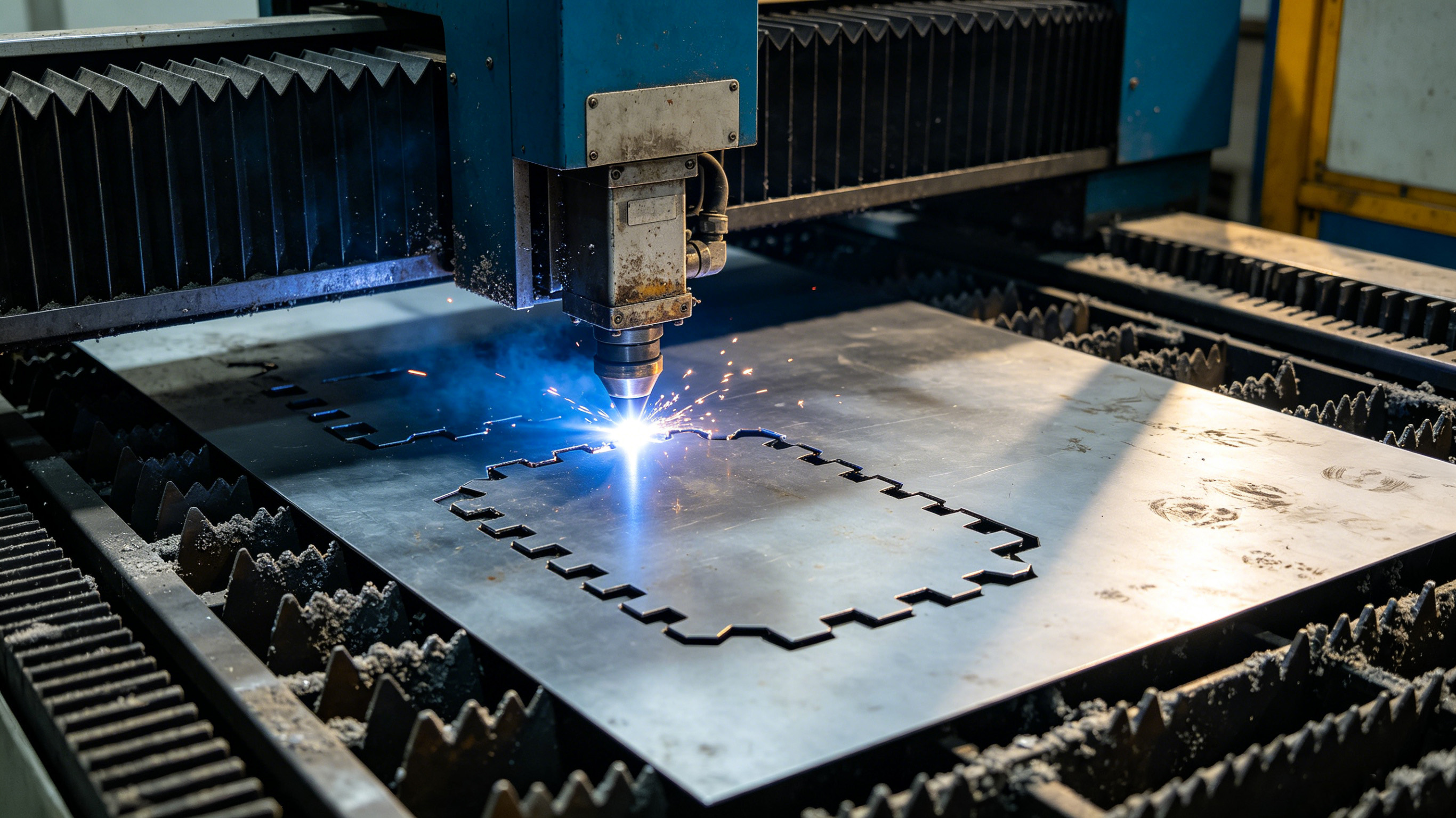
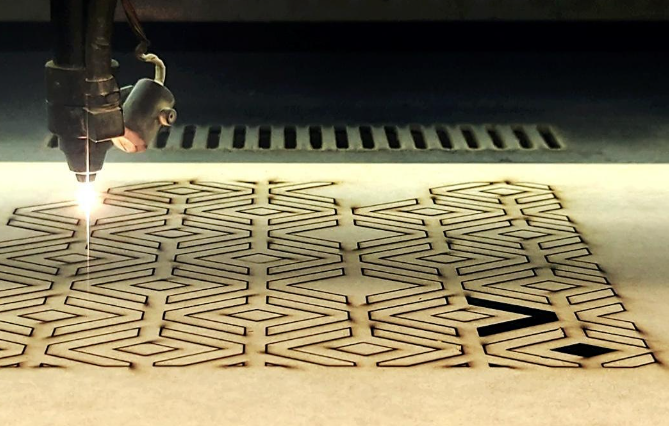
Laser cutting is a digital manufacturing process that uses a highly focused beam of light to slice through materials with exceptional precision. Think of it as a light scalpel that can cut complex shapes from everything from paper to titanium. Unlike traditional blades, this non-contact thermal process creates clean, burr-free edges by melting, burning, or vaporizing material along a predetermined path. From the intricate gears in a watch to the structural components of an aircraft, laser cutting has become the go-to technology for achieving accuracy and efficiency in modern fabrication.
How Does Laser Cutting Work?
The magic of laser cutting boils down to concentrating immense amounts of light energy onto a tiny spot. Here's a step-by-step breakdown:
-
Laser Generation: Inside the machine, a laser resonator generates the beam. In a CO2 laser, this is done by exciting a gas mixture with electrical discharges. In a fiber laser, it's achieved using seed lasers and amplified through special glass fibers.
-
Beam Focusing: The raw laser beam is then directed by a series of mirrors (in CO2 machines) or through a fiber optic cable (in fiber lasers) toward a cutting head.
-
The Final Focus: The cutting head contains a lens that focuses the beam down to an incredibly fine point, typically a fraction of a millimeter wide. This concentration creates a high-power density that rapidly heats the material.
-
Material Interaction: At the focal point, the material—whether metal, wood, or plastic—quickly melts, burns, or vaporizes.
-
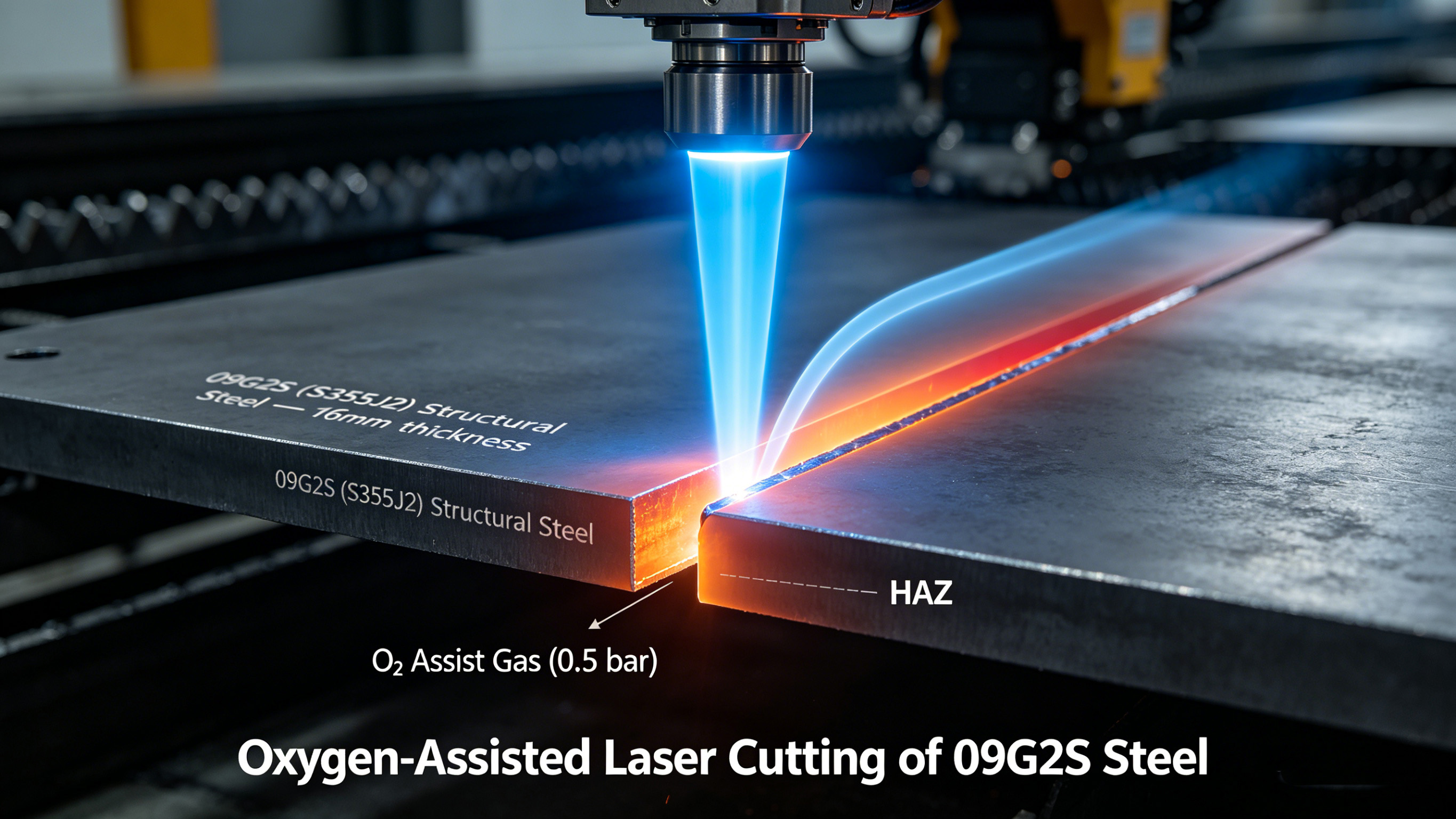
Assist Gas: A jet of gas, often nitrogen, oxygen, or compressed air, is blown through a nozzle coaxial with the beam. This "assist gas" serves two purposes: it ejects the molten material from the cut (kerf), leaving a clean edge, and it helps protect the lens from spatter. In some cases, like with oxygen and steel, the gas also creates an exothermic reaction that adds energy to the cut.
-
Motion Control: The cutting head moves over the material with high speed and accuracy, guided by computer numerical control (CNC) and a digital design file (like a DXF or CAD file), tracing out the desired shape.

What Are the Types of Laser Cutters?
Laser cutters are primarily categorized by the medium used to create the laser beam, which determines their power, efficiency, and ideal applications.
-
CO2 Lasers:
-
How they work: Use a mixture of carbon dioxide, nitrogen, and helium gases excited by electricity.
-
Best for: Non-metallic materials and some metals. This is the most common type for processing wood, acrylic, leather, paper, textiles, and glass.
-
Power: Ranges from low-wattage (for engraving) to high-power (for industrial cutting).
-
-
Fiber Lasers:
-
How they work: Use a solid-state gain medium—a optical fiber doped with rare-earth elements like ytterbium.
-
Best for: Metals. They are exceptionally efficient at cutting, engraving, and marking reflective metals like brass, copper, aluminum, and steel.
-
Advantages: They have fewer moving parts, higher electrical efficiency, and a longer service life than CO2 lasers.
-
-
Crystal Lasers (Nd:YAG/Nd:YVO):
-
How they work: Use crystals like neodymium-doped yttrium aluminum garnet as the gain medium.
-
Best for: High-power applications for both metals and non-metals. They are similar to fiber lasers but often have a shorter operational lifespan and higher cost.
-
Who Invented Laser Cutting?
The story of laser cutting is a classic example of scientific discovery leading to industrial revolution. The theoretical foundation for the laser was laid by Albert Einstein in 1917. However, the practical breakthrough came in 1960 when Theodore H. Maiman at Hughes Research Labs built the first working laser.
The direct invention of laser cutting followed swiftly. In 1965, a team at the Western Electric Engineering Research Center led by Dr. Kumar Patel, who was also pivotal in developing the CO2 laser, is widely credited with developing the first laser cutting machine. Their initial goal was to use the laser to drill holes in diamond dies, a difficult task with conventional tools. They succeeded spectacularly, demonstrating that a focused laser beam could be a powerful and controllable tool for material processing.
Which Was the First Group to Use a Laser Cutter?
Following its invention at Western Electric, the first industry to fully embrace and integrate laser cutting for production was the aerospace industry. The ability to cut complex, strong, and lightweight materials like titanium and aluminum alloys with minimal waste and no tool wear was a game-changer. Companies like Boeing saw its potential for manufacturing aircraft components with a level of precision that was previously impossible. This early adoption paved the way for its spread into other sectors.
A History of Laser Cutting Uses
-
1960s: The Birth. Used for drilling, wiring, and cutting dies in the electronics and aerospace industries. Machines were slow, expensive, and limited to a few materials.
-
1970s: Gaining a Foothold. CO2 lasers became more powerful and reliable. Their use expanded into cutting titanium and other alloys for aerospace applications. By the end of the decade, the first 3D laser cutting was demonstrated.
-
1980s: The CNC Revolution. The integration of more sophisticated CNC controls and the introduction of CAD/CAM software made laser cutting more accessible and versatile. It began to be adopted by the automotive industry for prototyping and parts manufacturing.
-
1990s: Proliferation. Laser cutting machines became faster, more affordable, and more compact. Their use exploded into job shops, signage (for cutting acrylic and plastic letters), and general manufacturing.
-
2000s: Mainstream Adoption. The rise of fiber laser technology marked a significant leap in efficiency and capability for metal cutting. The technology became a standard tool in fabrication shops worldwide.
-
2010s-Present: The Digital Age. Laser cutters are now fully integrated into digital fabrication ecosystems, including rapid prototyping and maker spaces. High-power lasers can cut through thicker materials faster than ever, while desktop models have brought the technology to hobbyists and small businesses.
Laser Technology Today
Today, laser cutting is a cornerstone of Industry 4.0. Modern systems feature:
-
Automation: Integrated loading and unloading systems allow for lights-out manufacturing.
-
High Power & Speed: Multi-kilowatt fiber lasers can cut sheet metal at meters per minute.
-
Intelligent Controls: AI and machine vision can now automatically adjust cutting parameters, detect material warping, and optimize nesting to minimize waste.
-
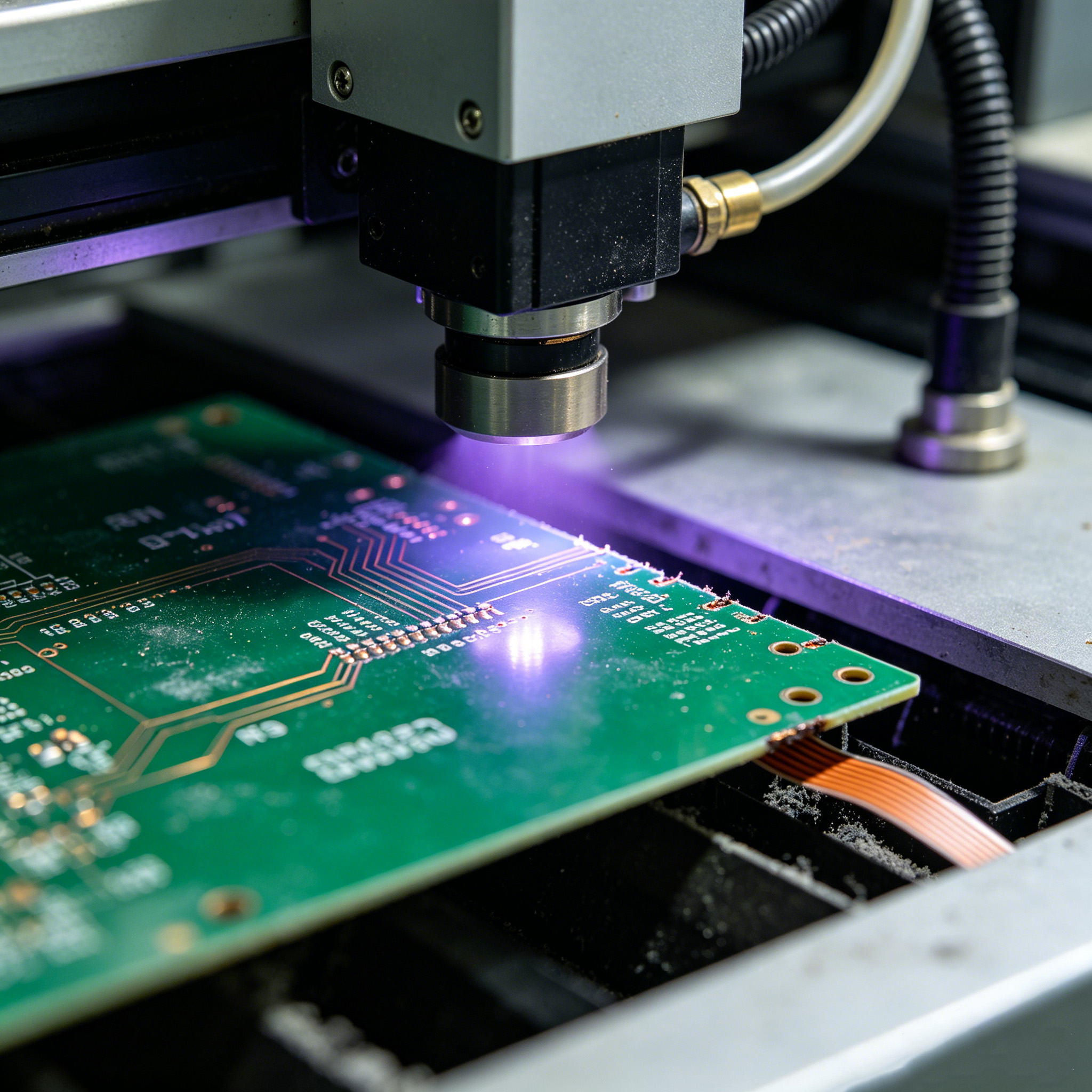
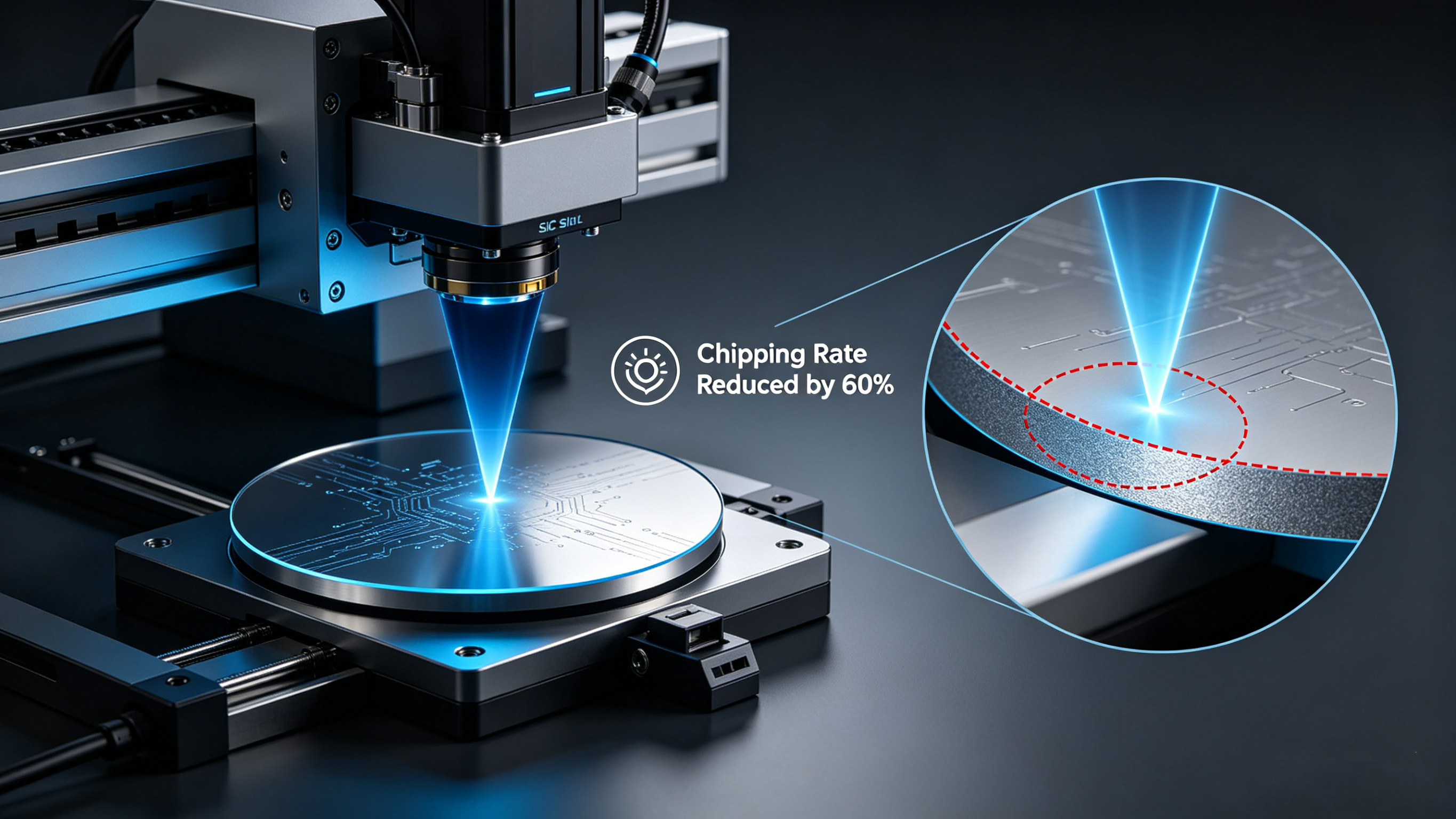
Precision on a Micro-Scale: Ultrafast lasers are used for micromachining, creating incredibly fine features for medical devices and electronics.
-
Accessibility: Desktop laser cutters have made the technology accessible to creators, artists, and educators, fueling a new wave of innovation.

Talk to the Laser Cutting Machine Experts
Navigating the world of laser cutting can be complex. The right machine—whether CO2, fiber, or crystal—depends entirely on your specific materials, production volume, and precision requirements. An expert consultation is crucial to avoid costly mistakes and ensure you invest in a solution that will drive your productivity and creativity forward.
Our team has decades of combined experience in laser technology. We don't just sell machines; we provide comprehensive solutions, from initial application testing and financing to training and long-term technical support. Contact us today for a free, no-obligation consultation to discover how the precision of modern laser cutting can transform your business.
Your Laser's MVP: An Exact Guide to Cutting Nozzles
How to Cut Leather with Laser Cutter?
Related Article