Key Parameters Setting For Laser Welding Machine
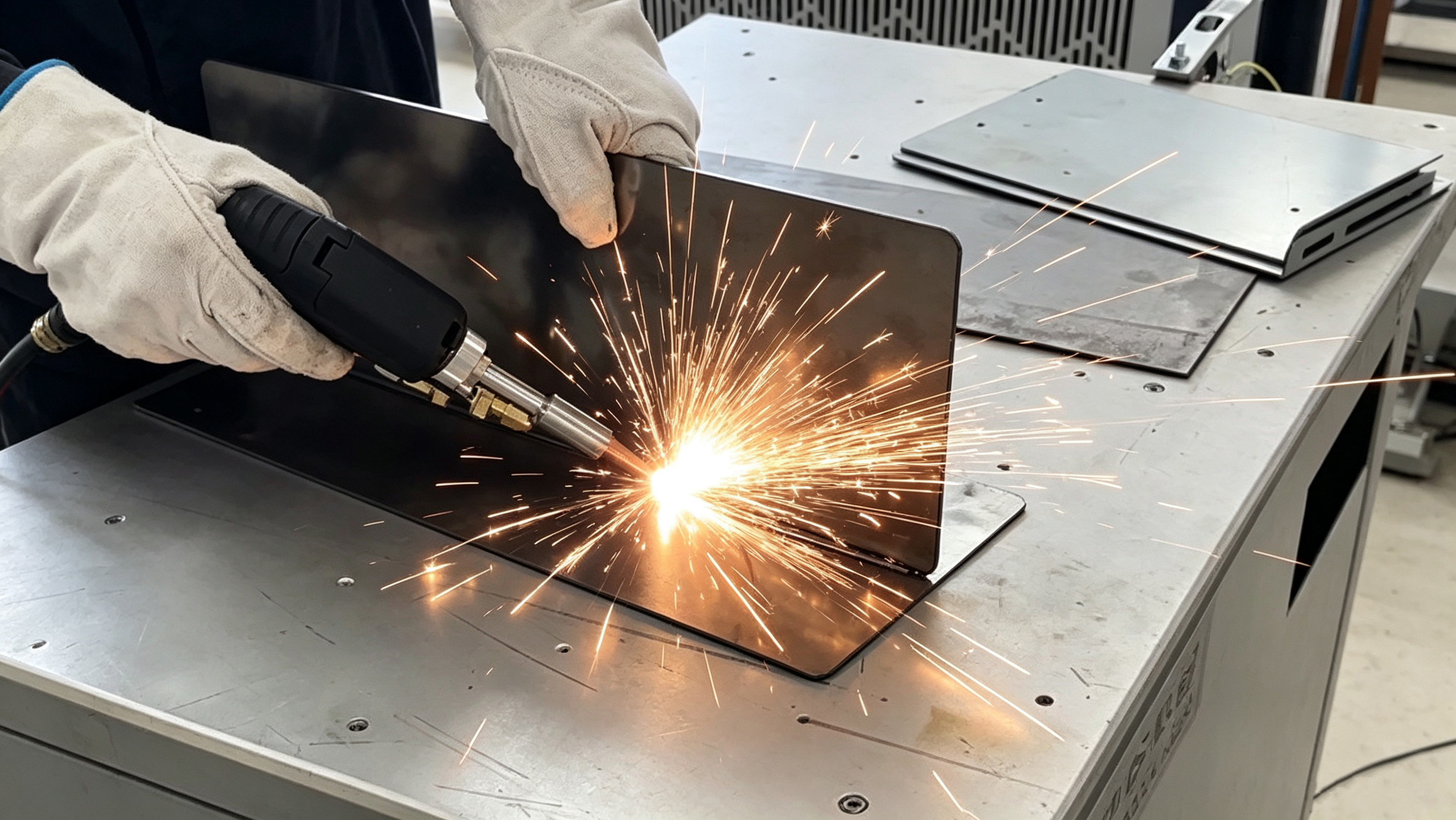
Laser welding has revolutionized how we join materials, offering precision that traditional methods can't match. But achieving perfect welds requires understanding the dance of welding parameters that control the process. Whether you're working with delicate electronics or heavy industrial components, getting these settings right makes the difference between a strong, beautiful weld and a failed project.
1. What is Laser Welding? Advantages and Challenges
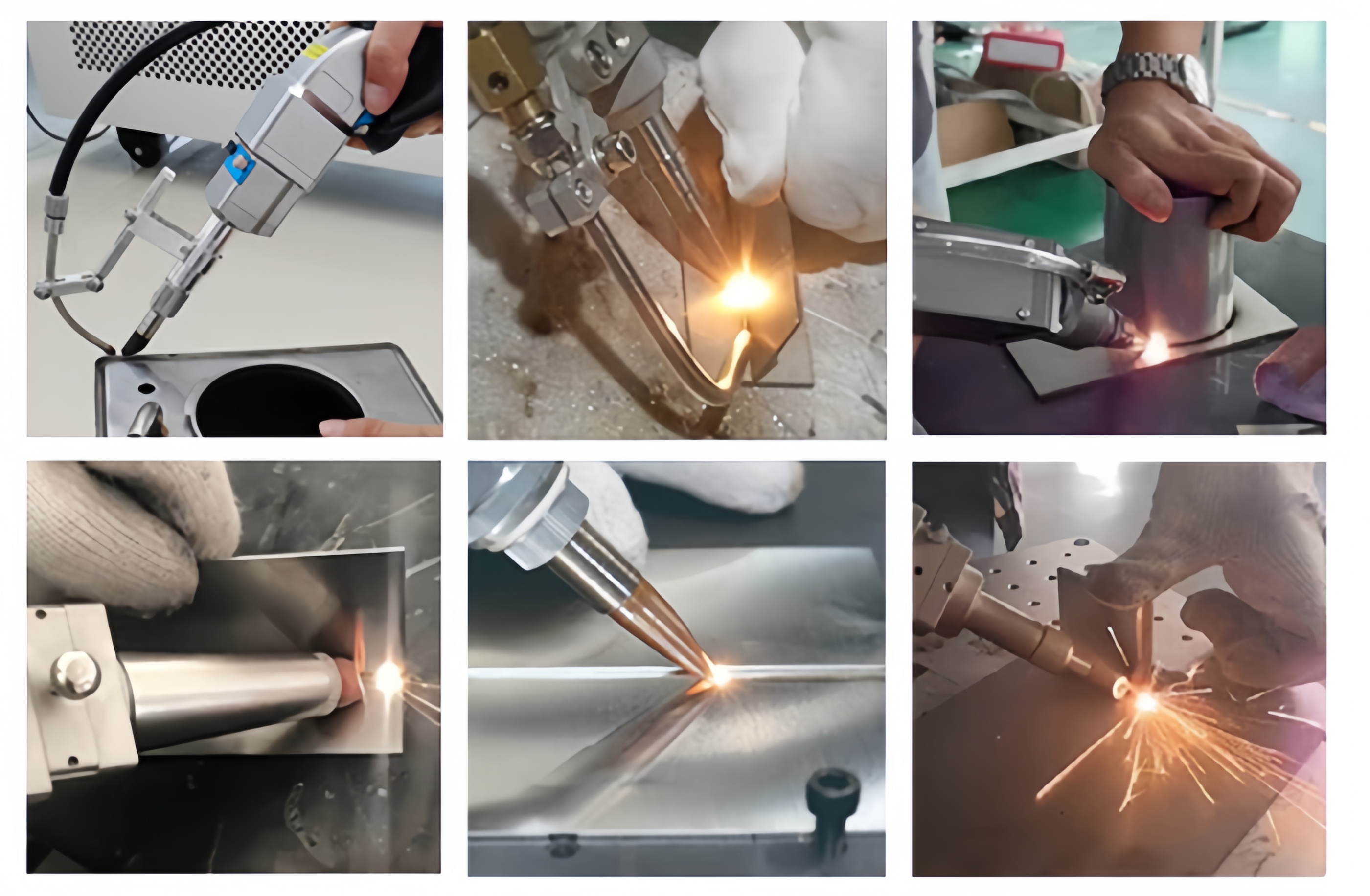
Laser welding uses a focused beam of light to melt and join materials. Think of it as a microscopic torch that can focus incredible heat into a tiny spot.
Key advantages:
-
Precision: Welds as small as a human hair
-
Speed: Up to 10 times faster than traditional methods
-
Quality: Minimal distortion and clean results
-
Versatility: Works with metals, plastics, and dissimilar materials
Common challenges:
-
High initial equipment cost
-
Need for precise fit-up between parts
-
Requires skilled operators
-
Sensitivity to parameter changes
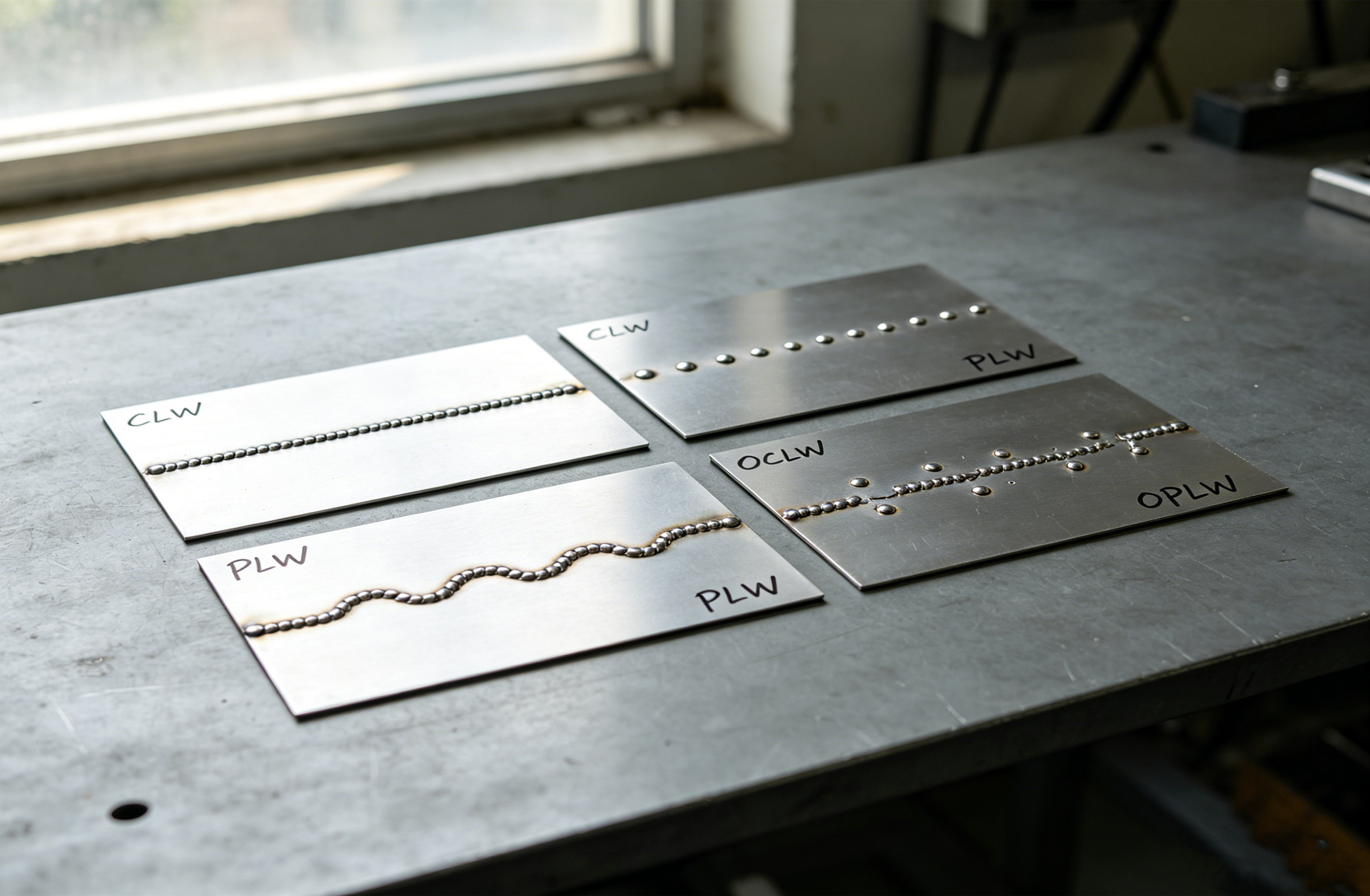
2. Continuous Wave vs. Pulse Welding
Choosing between these modes is like choosing between a continuous stream of water and individual water droplets.
Continuous Wave (CW):
-
Constant laser output
-
Best for deep penetration and high-speed welding
-
Ideal for long, straight seams
-
Example: Automotive body assembly
Pulse Welding:
-
Laser turns on/off rapidly
-
Better heat control for thin materials
-
Perfect for spot welds and heat-sensitive parts
-
Example: Electronic component manufacturing
3. 5 Key Laser Welding Parameters
-
Laser Power: The "volume" of your heat source (200W-6000W typical)
-
Welding Speed: How fast the beam moves (1-20 meters/minute)
-
Focal Position: Where the beam focuses relative to the surface
-
Pulse Frequency: For pulsed welding (1-1000 Hz)
-
Shield Gas Type/Flow: Prevents oxidation (Argon or Helium, 10-25 L/min)
4. Materials and Industry Applications
Common Materials:
-
Metals: Steel, aluminum, titanium, copper
-
Plastics: ABS, polycarbonate, nylon
-
Dissimilar Materials: Steel to aluminum, copper to brass
Industry Uses:
-
Medical: Surgical instrument assembly
-
Automotive: Battery tab welding for EVs
-
Electronics: Micro-joining of circuit components
-
Aerospace: Engine component repair
5. Common Welding Problems and Solutions
-
Porosity (bubbles in weld):
-
Cause: Contaminated surface or poor gas coverage
-
Fix: Clean materials thoroughly and check gas flow
-
-
Cracking:
-
Cause: Too much heat input or wrong material mix
-
Fix: Reduce power and pre-heat materials
-
-
Undercut (grooves along weld):
-
Cause: Too high power or wrong speed
-
Fix: Adjust power/speed balance
-
-
Spatter (metal droplets):
-
Cause: Unstable melting process
-
Fix: Optimize pulse welding parameters and use anti-spatter spray
-
-
Incomplete Penetration:
-
Cause: Insufficient power or too fast speed
-
Fix: Increase power or reduce speed
-
6. Quality Monitoring and Maintenance
-
Real-time Monitoring:
-
Use cameras and sensors to watch the weld pool
-
Detect issues as they happen
-
-
Regular Calibration:
-
Check laser output monthly
-
Verify beam alignment weekly
-
-
Preventive Maintenance:
-
Clean lenses and mirrors daily
-
Check cooling systems weekly
-
Replace consumables as needed
-
7. How to Set Correct welding Parameters
Start with these practical steps:
-
Test on Scrap Material: Always run trials first
-
Use Manufacturer Guidelines: Start with recommended settings
-
Adjust One Parameter at a Time: Change power OR speed, not both
-
Document Successful Settings: Keep a logbook of what works
-
Consider Material Thickness: Thicker materials need more power
Quick Reference Starting Points:
-
Stainless steel (1mm): 300W, 1.5 m/min, argon gas
-
Aluminum (2mm): 800W, 1.0 m/min, helium gas
-
Copper (1mm): 500W, 0.8 m/min, high-frequency pulse
8. Key Takeaways
Mastering laser welding parameters is part science, part art. The most successful operators I've worked with all share one habit: they never stop testing and learning. They keep detailed records of what works for each material and application.
Remember that perfect welds come from balancing all welding parameters together, not just optimizing one setting. Start conservative, make small adjustments, and always prioritize safety. With practice and attention to these key factors, you'll be producing strong, reliable welds that stand the test of time.
The best parameter set is the one that produces consistent results in your specific application. Don't be afraid to experiment - some of the best welding techniques were discovered through careful trial and error.
Simple Guide to Maintenance for Laser Welding Machines
About Laser Welding - What do you know?
Related Article