Deep Learning-Based Vision System to Support Robotic Laser Cleaning
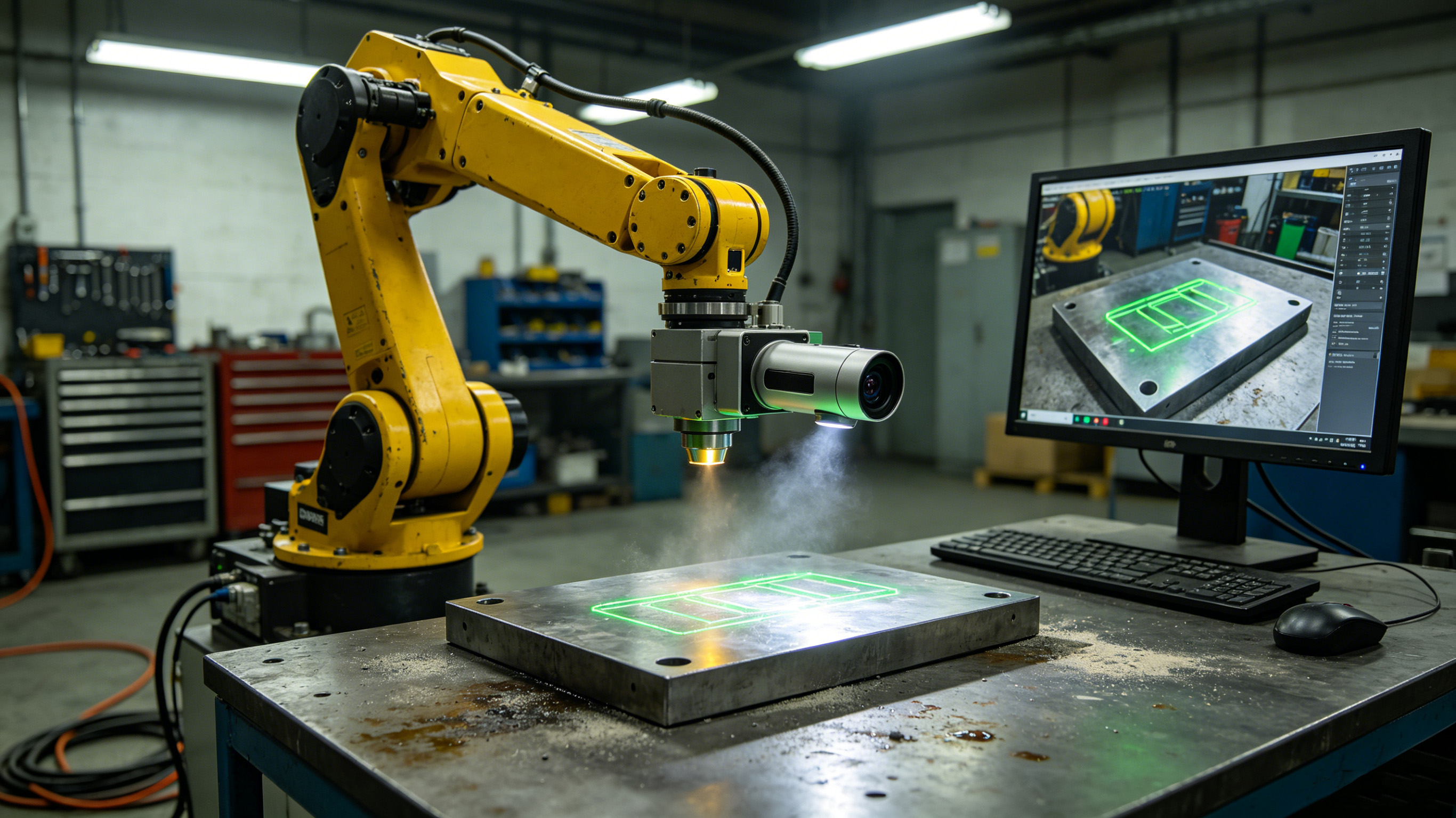
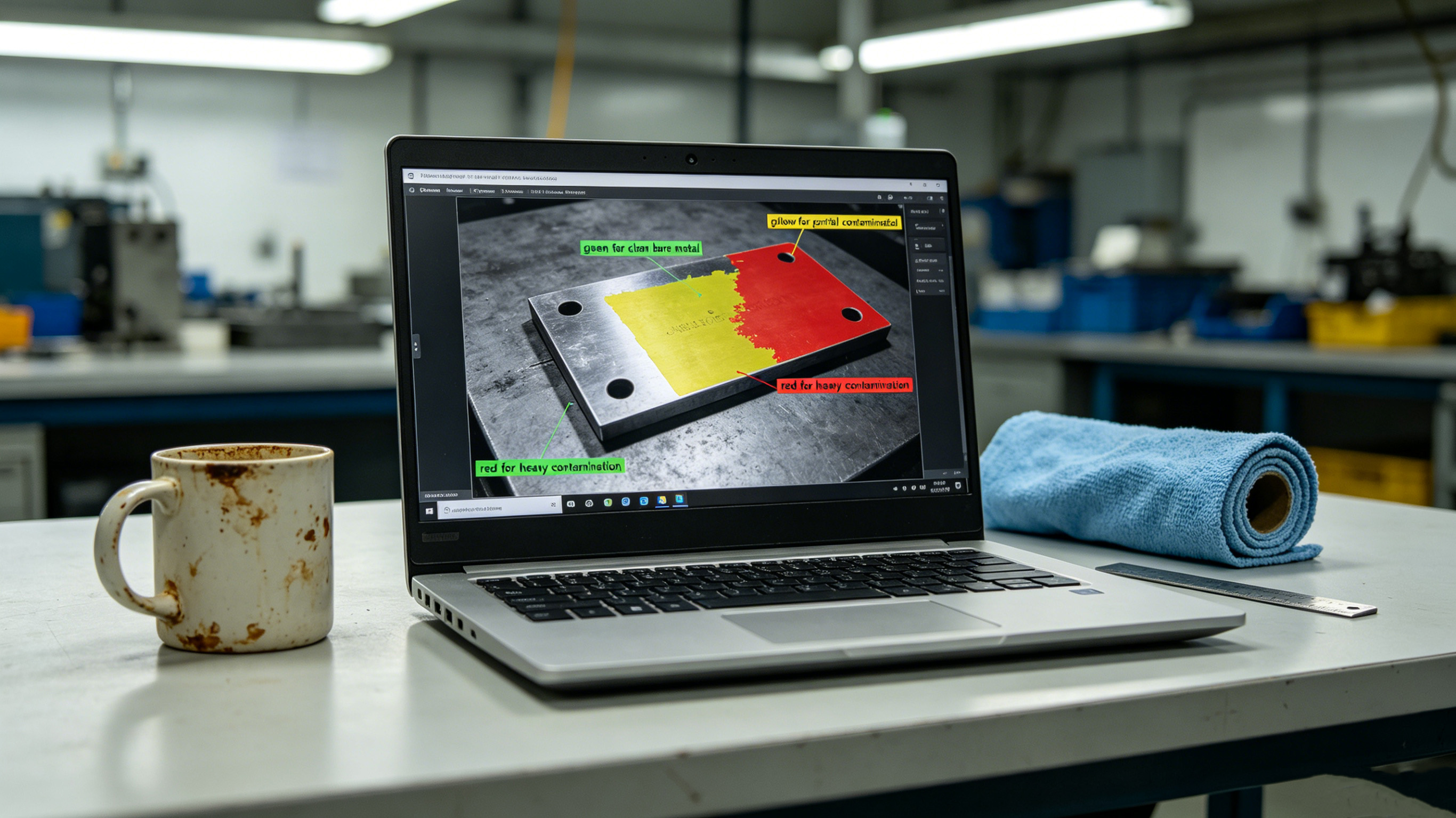
Robotic laser cleaning has emerged as a precise and environmentally friendly solution for removing contaminants from metal surfaces, replacing manual and chemical methods across aerospace, automotive, and restoration industries. Traditional robotic cleaning relies on pre-programmed paths, which fail to adapt when workpiece geometries vary or when contaminants are unevenly distributed—a significant limitation when integrating deep learning with laser cleaning. To overcome this challenge, researchers have developed vision systems that enable robots to detect contamination areas in real time and adjust cleaning parameters on the fly. This article synthesizes recent advances based on systematic investigations, focusing on system architecture, real-time surface assessment capabilities, classification accuracy, and industrial implementations.
System Architecture: Vision, Learning and Control
An effective vision system for robotic laser cleaning requires three integrated modules. First, a high-speed camera captures images of the workpiece surface before and during the cleaning process. Second, a deep learning algorithm analyzes these images to classify surface states such as “complete removal,” “incomplete removal,” or “substrate exposed.” Studies using convolutional neural networks for laser cleaning classification have achieved detection accuracy exceeding 98%, demonstrating the feasibility of real-time surface assessment through automated image analysis. Third, the control module interprets the deep learning algorithm outputs to adjust laser parameters—pulse energy, scan speed, or spot size—and to update the robot‘s path dynamically. This closed-loop architecture enables robots to handle components with unpredictable contamination patterns, an essential requirement for high-mix manufacturing environments where parts vary between batches.
Key Technologies: Flame Recognition and Quality Evaluation
Beyond contamination identification, vision systems must also monitor the cleaning process itself to prevent substrate damage. Researchers have proposed a visual monitoring method based on deep learning that constructs two specialized datasets: one linking flame appearance to cleaning effectiveness, and another correlating optical images to surface roughness. Using an improved Cascade R-CNN model with feature fusion backbone networks, the system achieves a mean average precision (mAP) of 93.6%, enabling reliable classification of cleaning states during operation. This real-time surface assessment during active cleaning is critical for components where over-cleaning would cause surface ablation. Furthermore, a roughness prediction model based on ResNet101 reduces mean absolute error to 0.245μm, allowing the deep learning algorithm to estimate final surface quality before the cleaning cycle completes. The combination of classification and regression models provides a complete real-time surface assessment framework.
Industry Applications: PCB Recycling and Coating Removal
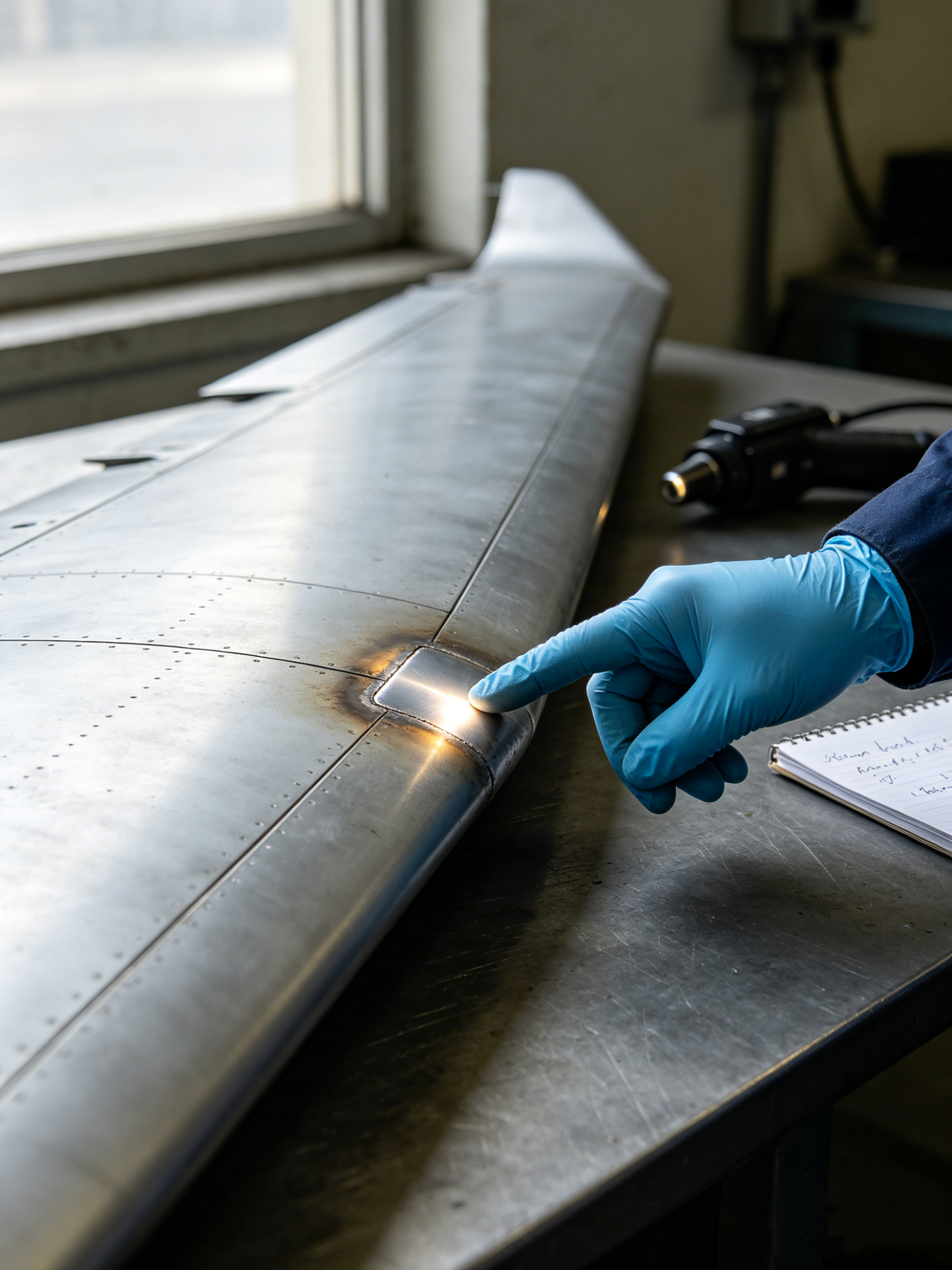
The technology has moved from laboratory research to industrial deployment. In printed circuit board (PCB) recycling, where protective potting compounds must be removed without damaging underlying copper traces, researchers compared Mask R-CNN and YOLOv8-seg for real-time surface assessment tasks. YOLOv8-seg achieved an mAP50 (seg) of 82.8% at 3.98 frames per second, while Mask R-CNN reached 84.097% at 1.52 FPS—both meeting real-time operational requirements for integrating deep learning with laser cleaning. When tested on previously unseen PCB patterns, YOLOv8-seg demonstrated superior generalization to new geometries. In aerospace applications, similar vision systems now guide robotic arms for coating removal from aircraft components, where thickness varies unpredictably due to field repairs. Industrial implementations of integrating deep learning with laser cleaning have eliminated manual teach-in procedures, allowing operators to process new part types simply by presenting them to the vision system. These advances collectively demonstrate the maturity of deep learning algorithms for industrial vision-based robotic cleaning.
Future Outlook
Current research focuses on three directions toward autonomous robotic cleaning. First, expanding the deep learning algorithm training datasets to cover more material-contaminant combinations. Second, reducing model inference latency for higher-speed processing across larger workpieces. Third, integrating real-time surface assessment data with online parameter optimization for full closed-loop control. Ongoing progress in integrating deep learning with laser cleaning suggests that fully autonomous robotic cleaning systems requiring no human intervention will become standard across advanced manufacturing sectors within this decade.
Laser Rust Removal on Structural Steel: A Before‑and‑After Case Study
Why Every Industrial Business Will Need Laser Cleaning in the Next Five Years
Related Article