Your Laser's MVP: An Exact Guide to Cutting Nozzles
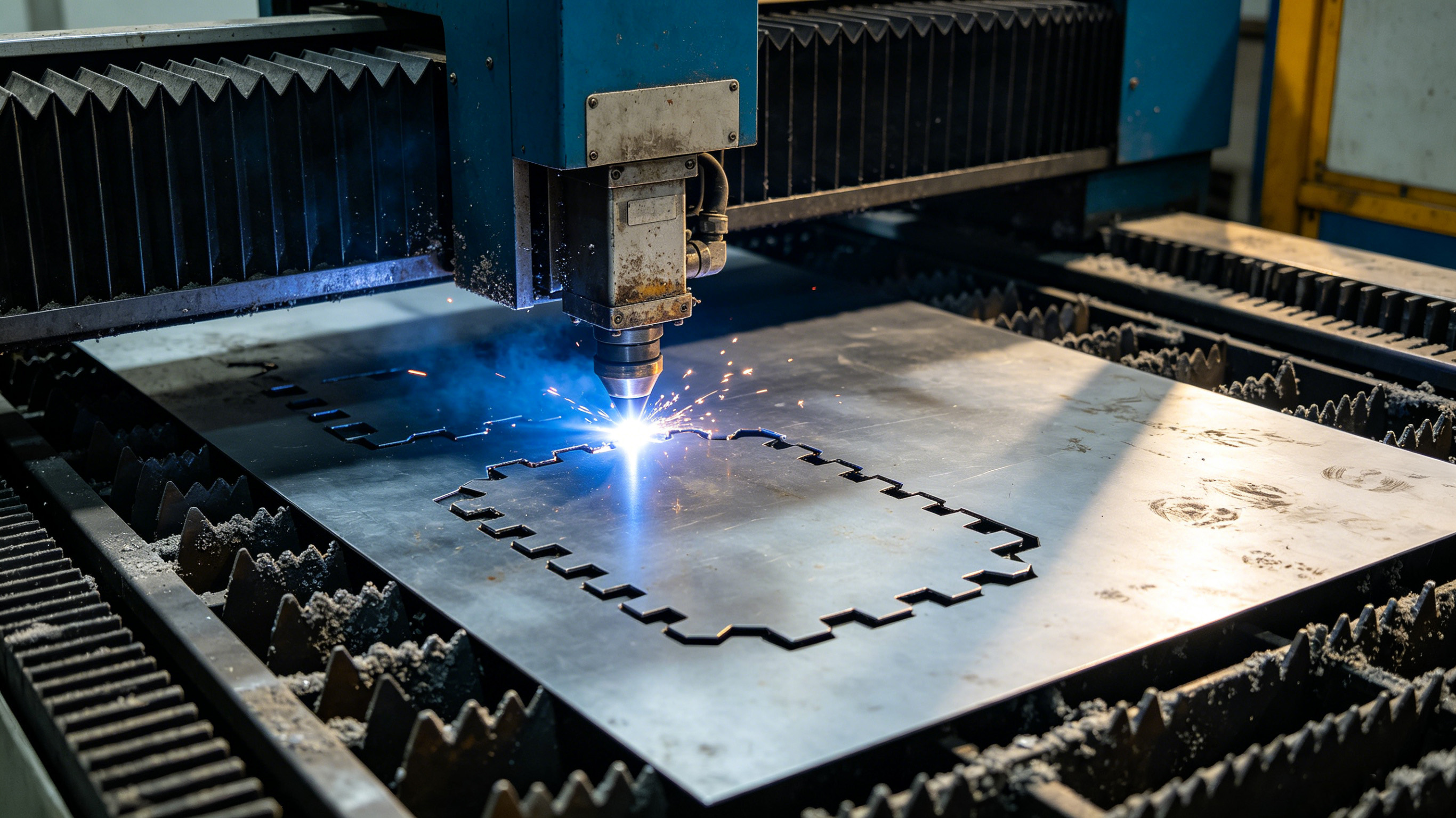
When we think about fiber laser cutting, our minds often go to the laser source, the sophisticated motion system, or the powerful software. But there's a small, inexpensive, yet incredibly crucial component that often gets overlooked: the Fiber laser cutting nozzle.
Think of the nozzle as the conductor of an orchestra. The laser beam is the talented musician, but without the conductor to focus and direct the energy, the result is just noise. Similarly, the nozzle directs the assist gas precisely onto the cutting point, blowing away molten material and protecting the lens. Ignoring your nozzle is one of the fastest ways to ruin cut quality, increase operational costs, and cause frustrating downtime.
Let's give this tiny hero the attention it deserves.
What is a Fiber Laser Cutting Nozzle?
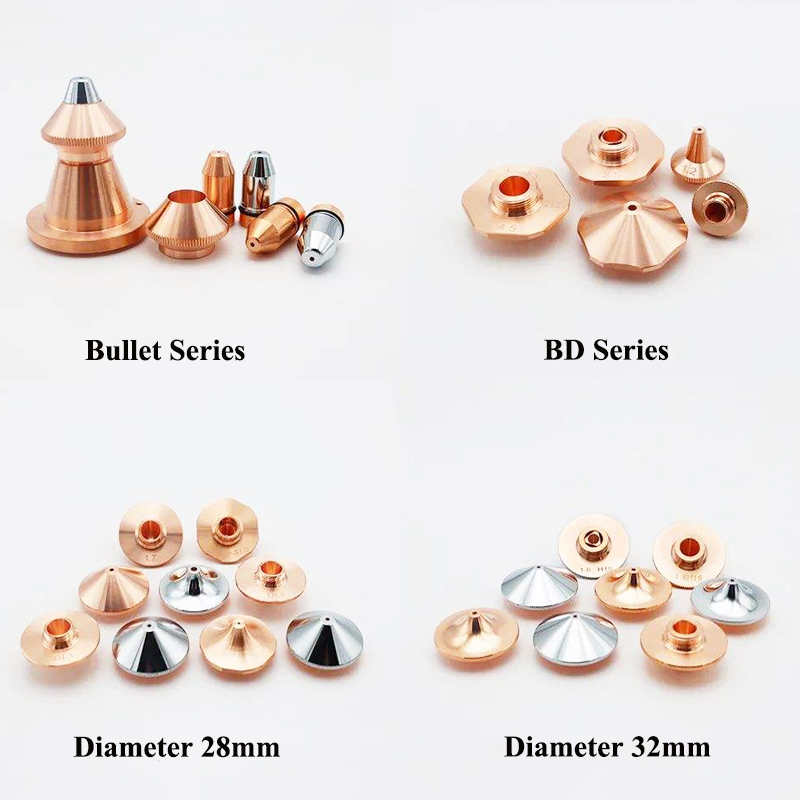
A fiber laser cutting nozzle is a small, cone-shaped part that screws onto the bottom of your laser cutting head. Its primary jobs are:
-
Focusing the Assist Gas: It creates a high-pressure, concentrated jet of gas (like Oxygen or Nitrogen) that blows molten metal out of the kerf (the cut).
-
Protecting the Lens: It forms a barrier, preventing spatter and debris from flying back up and damaging the expensive focusing lens.
-
Maintaining Stand-off Distance: It helps maintain a consistent distance between the cutting head and the material, which is vital for a clean cut.
There are two main types of nozzles you'll encounter:
-
Single-Layer Nozzle: This is a simple, one-piece design. It's cost-effective and suitable for general cutting tasks, especially when using Oxygen as an assist gas for carbon steel. It's less effective at preventing spatter buildup.
-
Double-Layer Nozzle (or Concentric Nozzle): This features two layers. The inner channel directs the high-pressure cutting gas, while the outer channel can provide a secondary gas flow or act as a buffer. This design offers better protection for the lens, superior gas flow stability, and is the go-to choice for high-pressure Nitrogen cutting (e.g., for stainless steel and aluminum).
How to Choose the Right Nozzle for Your Fiber Laser Cutter
Selecting the correct nozzle isn't one-size-fits-all. Here’s a simple breakdown.
a. Single vs. Double Layer: A Quick Comparison
| Feature | Single-Layer Cutting Nozzle | Double-Layer Cutting Nozzle |
|---|---|---|
| Best For | Oxygen cutting, Carbon Steel | High-pressure Nitrogen cutting, Stainless Steel, Aluminum |
| Cost | Lower | Higher |
| Lens Protection | Good | Excellent |
| Gas Stability | Standard | High |
| Skill Required | Lower (more forgiving) | Higher (requires good alignment) |
b. How to Choose Parameters: Material Matters
The material you cut most often dictates your Cutting nozzle's bore size (the hole diameter). A larger bore allows more gas flow, which is needed for thicker materials.
| Material | Typical Assist Gas | Recommended Cutting Nozzle Bore | Why? |
|---|---|---|---|
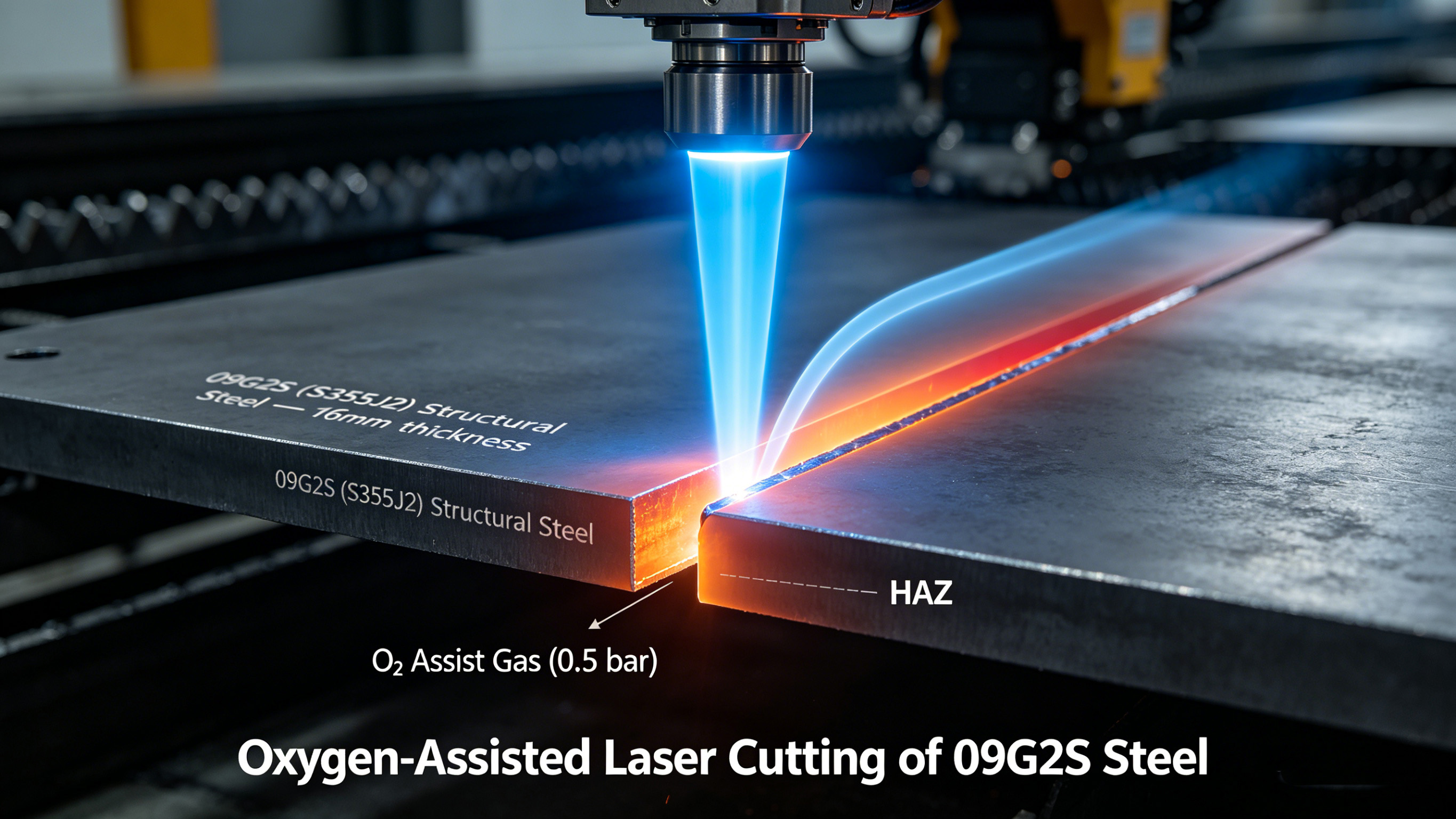
| Carbon Steel | Oxygen | Smaller (e.g., 1.0mm - 1.5mm) | Oxygen creates an exothermic reaction. A smaller bore increases gas velocity, creating a finer, more precise cut edge. |
| Stainless Steel / Aluminum | Nitrogen | Larger (e.g., 1.5mm - 3.0mm+ ) | Nitrogen is used to blow molten material away. A larger bore allows for higher gas volume and pressure, ensuring a clean, oxide-free cut, especially on thicker plates. |
c. Consider Your Power and Processing Requirements
-
Low to Medium Power (< 4kW): You can often use a wider range of Cutting nozzle sizes, but smaller bores (1.0mm - 2.0mm) are common for precision and thin to medium sheets.
-
High Power (6kW+): Cutting thick plates requires high gas flow. You will almost always need a larger bore double-layer Cutting nozzle (e.g., 2.5mm - 4.0mm) to handle the gas pressure and volume needed to eject the large amount of molten material.
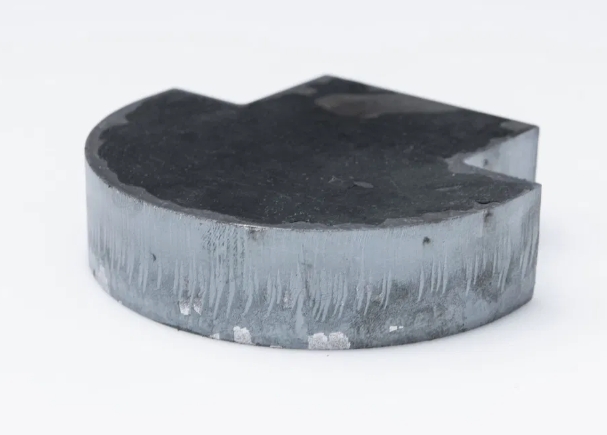
Fiber Laser Cutting Nozzle Maintenance and Replacement
A worn-out nozzle is a liability. Here’s how to take care of it.
a. How Often Should We Check the Cutting Nozzle?
You should perform a visual inspection before every shift. Look for:
-
Dents or Scratches: Even a small deformity can disrupt gas flow.
-
Spatter Buildup: A small amount can be cleaned, but heavy buildup is a sign of other issues (like incorrect focus or gas pressure).
-
A Worn or Oval-Shaped Bore: This is a sure sign it needs replacement.
b. When Should We Replace the Cutting Nozzle?
Replace your Cutting nozzle immediately if you notice:
-
A visibly damaged or out-of-round bore.
-
Consistent poor cut quality (e.g., excessive burr, rough surfaces) even after checking other parameters.
-
Inability to achieve a good "pop" during Cutting nozzle centering (see below).
As a rule of thumb, keep a stock of spares and don't be afraid to replace them. They are cheap insurance against costly mistakes.
c. How to Align the Beam After Nozzle Replacement?
This is a critical step! A misaligned nozzle will cause poor cuts and can damage the nozzle and lens. The process is called Nozzle Centering.
-
Install the new nozzle and tighten it properly.
-
Place a piece of tape over the nozzle end.
-
Initiate a low-power pulse (e.g., 50W) from your machine's control panel. This will burn a mark on the tape.
-
Observe the mark. The goal is to have a perfectly round, concentric burn mark right in the center of the nozzle bore.
-
If it's off-center, your cutting head has adjustment screws. Gently adjust them and repeat the pulsing until the burn mark is perfectly centered. This "pop" test ensures the laser beam is traveling straight through the center of the nozzle.
Conclusion
The fiber laser cutting nozzle may be small and inexpensive, but its impact on your cut quality, efficiency, and operating costs is enormous. By understanding the different types, making an informed selection based on your material and power, and committing to a simple but consistent maintenance routine, you can unlock more consistent, high-quality cuts and significantly reduce unexpected downtime. Don't let this unsung hero be the weakest link in your laser cutting process.
Laser Cutting vs. CNC Milling: Which Machine Should You Choose?
Do You Know the Story of Laser Cutting?
Related Article